What Is The Mixing Bowl: Uses And Tips
A mixing bowl is a kitchen vessel used to combine, whisk, toss, and prepare ingredients.
When people ask, “what is the mixing bowl,” they often want more than a basic definition. A mixing bowl is one of the most useful tools in a kitchen, from beating eggs and making cake batter to tossing salad and marinating food. This guide explains its purpose, types, materials, sizes, benefits, limits, and smart buying tips.
What Is the Mixing Bowl?
A mixing bowl is a deep, open container designed to hold and combine food ingredients. It usually has a rounded shape, which helps a spoon, whisk, spatula, or electric mixer move through the contents with ease.
The answer to “what is the mixing bowl” can change slightly based on its use. In baking, it holds flour, sugar, eggs, butter, and liquids. In cooking, it may hold chopped vegetables, sauces, meat, or a marinade.
A mixing bowl is not only for mixing. You can also use one to:
• Hold ingredients during meal preparation
• Whisk eggs or cream
• Toss salads and vegetables
• Knead small amounts of dough
• Marinate meat, fish, or tofu
• Store prepared food in the refrigerator
• Serve snacks, fruit, or side dishes
Unlike a flat plate or a shallow pan, a mixing bowl has enough depth to reduce spills. Its curved sides also help ingredients move back toward the center as you stir.

Why Is a Mixing Bowl Important?
A mixing bowl makes food preparation cleaner, faster, and more organized. It gives ingredients one stable place to meet before they move into a pan, baking dish, or serving plate.
For example, whisking eggs in a wide mixing bowl is easier than whisking them in a cup. The wider shape gives your hand more room to move. It also lets air enter the eggs, which can improve their texture.
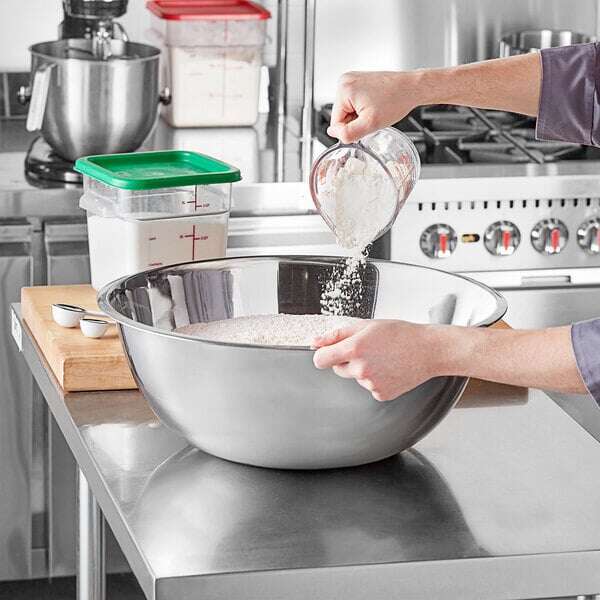
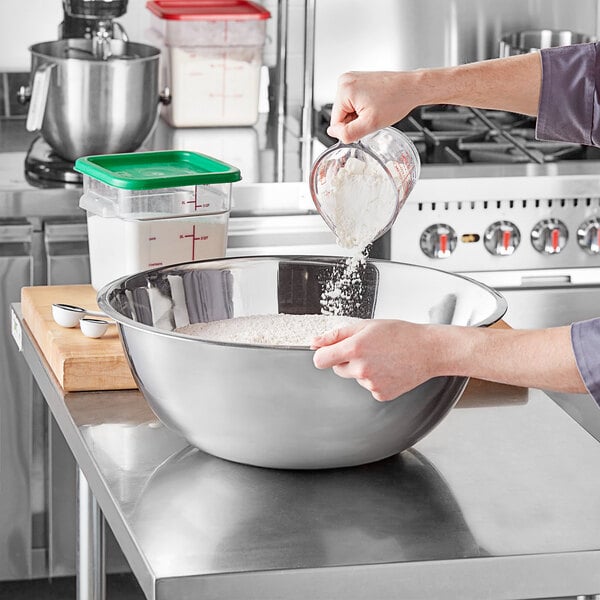
The importance of a mixing bowl becomes clear during baking. Many recipes require dry ingredients to be combined before wet ingredients are added. A large bowl gives you space to fold, stir, and scrape without pushing flour onto the counter.
A mixing bowl also supports a simple cooking habit called mise en place. This means preparing and arranging ingredients before you start cooking. Small bowls can hold spices, chopped herbs, or measured liquids, while a large bowl can hold the main mixture.
In practical terms, the mixing bowl is like a workbench. It gives your ingredients a safe place to come together.

Common Types of Mixing Bowls
Mixing bowls come in several designs. Each type suits different cooking tasks, storage needs, and kitchen styles.
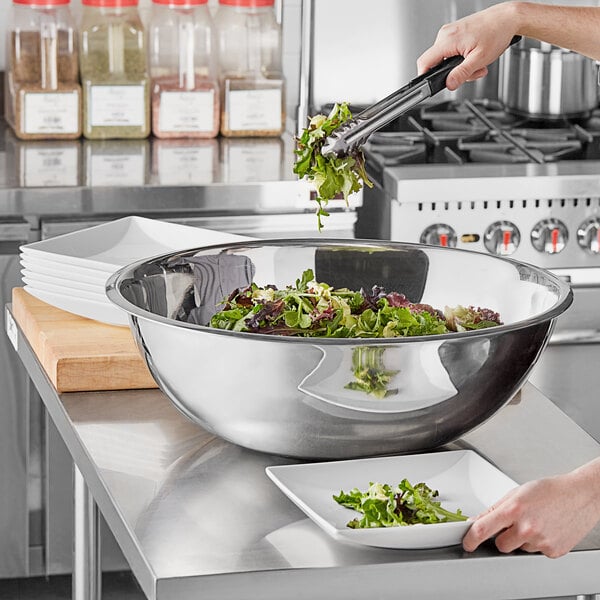
stainless Steel Mixing Bowls
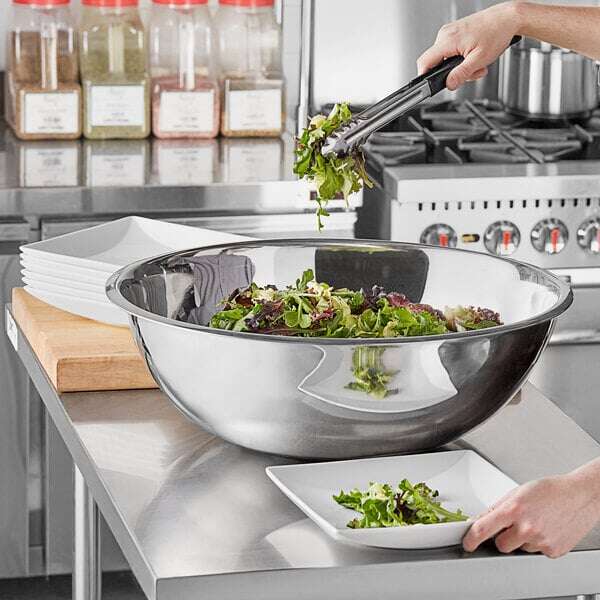
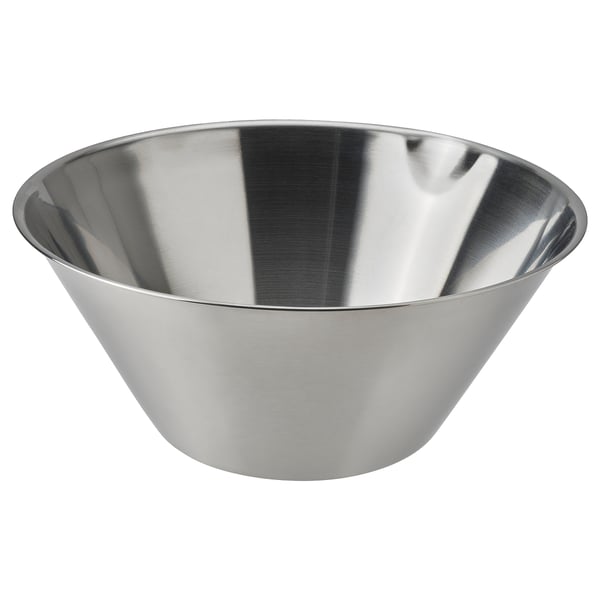
Stainless steel bowls are light, strong, and resistant to rust. They do not absorb food odors, and they can handle hot or cold ingredients well.
Many cooks use stainless steel bowls for:
• Whisking egg whites
• Mixing cookie dough
• Preparing salads
• Chilling ingredients over ice
• Holding food during meal preparation
One limitation is that stainless steel can react with some acidic foods if the bowl is poorly made or damaged. High-quality food-grade stainless steel is usually a reliable choice for daily use.
Glass Mixing Bowls
Glass bowls let you see the ingredients as you mix. They are useful when checking layers, colors, or texture.
Glass is also nonporous. This means it does not easily absorb oils, smells, or stains. Many glass mixing bowls can go from the refrigerator to the microwave, but you should check the manufacturer’s instructions first.
The main drawback is weight and breakage. A glass bowl can crack or shatter if dropped or exposed to sudden temperature changes.
Ceramic Mixing Bowls
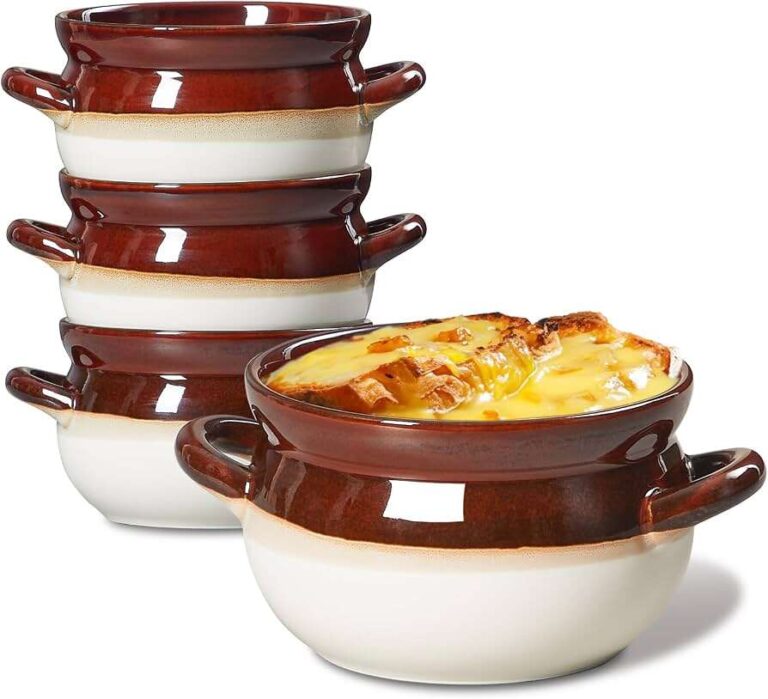
Ceramic bowls often have a heavy base and attractive designs. They can move from the kitchen to the dining table, which makes them useful for serving.
They work well for:
• Mixing pancake batter
• Serving salads
• Holding fruit
• Preparing dips
• Displaying baked foods
Ceramic bowls may chip if handled roughly. Some decorative glazes may also be less suitable for food unless the bowl is clearly marked as food safe.
Plastic Mixing Bowls
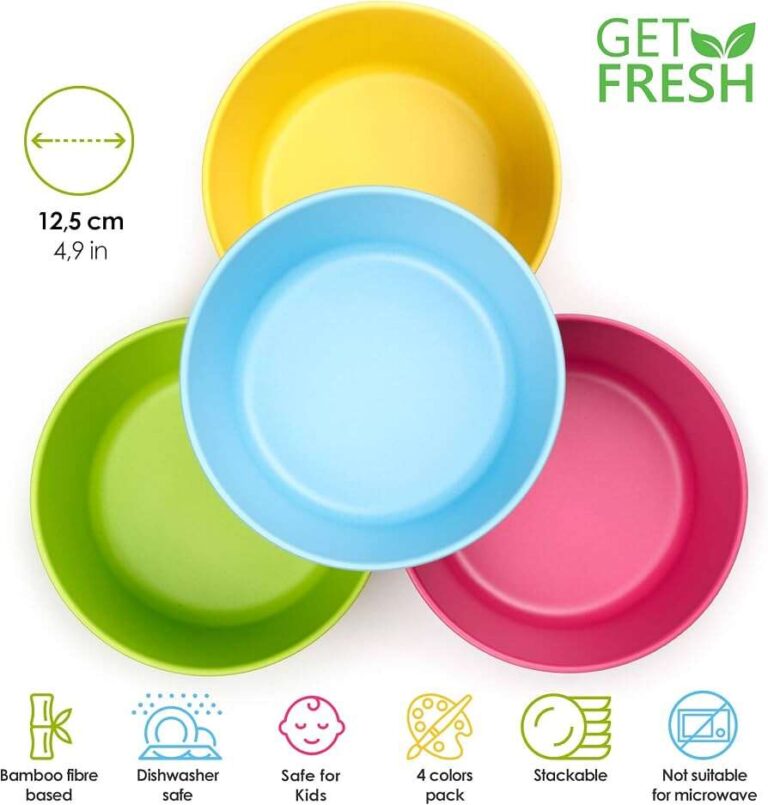
Plastic mixing bowls are light, affordable, and easy to handle. They are a practical choice for children, outdoor meals, and large cooking projects.
Good plastic bowls should be labeled food safe. Some plastics can retain strong odors or become scratched over time. Scratches may make cleaning harder, so replace a bowl when it becomes heavily worn.
Avoid placing plastic bowls near high heat unless they are designed for it. A bowl that is safe for food storage may not be safe for a microwave or dishwasher.
Copper Mixing Bowls
Copper bowls are known for their use in whipping egg whites. Copper ions can help stabilize the foam created during whipping.
These bowls need careful cleaning and should not be used with every food. Acidic ingredients, such as tomatoes or vinegar, may react with exposed copper. For most home cooks, stainless steel or glass offers more flexibility.
:max_bytes(150000):strip_icc()/sea-mixing-bowls-lead-image-ashlee-redger-01-cb95c9b8fbf64609bb8be0e9e37ea1ed.jpeg)
Mixing Bowl Materials: Which One Is Best?
The best mixing bowl material depends on your cooking habits. There is no single material that wins every task.
| Material | Main strengths | Main limits |
|---|---|---|
| Stainless steel | Durable, light, and odor resistant | Not microwave safe |
| Glass | Clear, nonporous, and often microwave safe | Heavy and breakable |
| Ceramic | Attractive and useful for serving | Can chip or crack |
| Plastic | Light, affordable, and easy to carry | May stain or hold odors |
| Copper | Excellent for some egg foams | Needs special care |
If you bake often, stainless steel is a strong all-purpose choice. If you use a microwave, glass may be more useful. If you need bowls for picnics or children, lightweight plastic can be practical.
A common kitchen mistake is buying bowls based only on appearance. The better approach is to consider heat safety, weight, cleaning, storage, and the types of food you make most often.
What Sizes Do Mixing Bowls Come In?
Mixing bowls usually range from small prep bowls to very large bowls for batch cooking. A useful set often includes several sizes.
Small Bowls
Small bowls usually hold about 1 to 2 quarts. They are useful for:
• Spices and herbs
• Beaten eggs
• Small sauces
• Chopped toppings
• Measured ingredients
Medium Bowls
Medium bowls often hold about 2 to 4 quarts. They work well for pancake batter, small salads, frosting, and cookie mixtures.
Large Bowls
Large bowls may hold 5 to 8 quarts or more. They are useful for bread dough, large salads, family-size recipes, and ingredients that need vigorous stirring.
Extra-Large Bowls
Extra-large bowls are helpful for parties, meal preparation, and bulk cooking. They need enough room above the food so ingredients do not spill when you mix.
The right size should leave free space at the top. A bowl that is too small creates mess, while a bowl that is too large may make small amounts hard to mix.
Features That Make a Mixing Bowl Easier to Use
The basic shape of a mixing bowl is simple, but small design details can make a major difference.
Look for these useful features:
• A wide rim for easy pouring
• A stable base that does not slide
• A pouring spout for liquids
• Measurement marks inside the bowl
• A comfortable grip or handle
• A nesting design for simple storage
• A lid for refrigerator storage
• A deep shape that limits splashes
A nonslip base is especially useful when mixing thick dough or using an electric hand mixer. A bowl with a flat bottom may also feel more stable than a fully rounded bowl.
If cabinet space is limited, choose nesting bowls. They fit inside one another and keep several sizes in a small area.
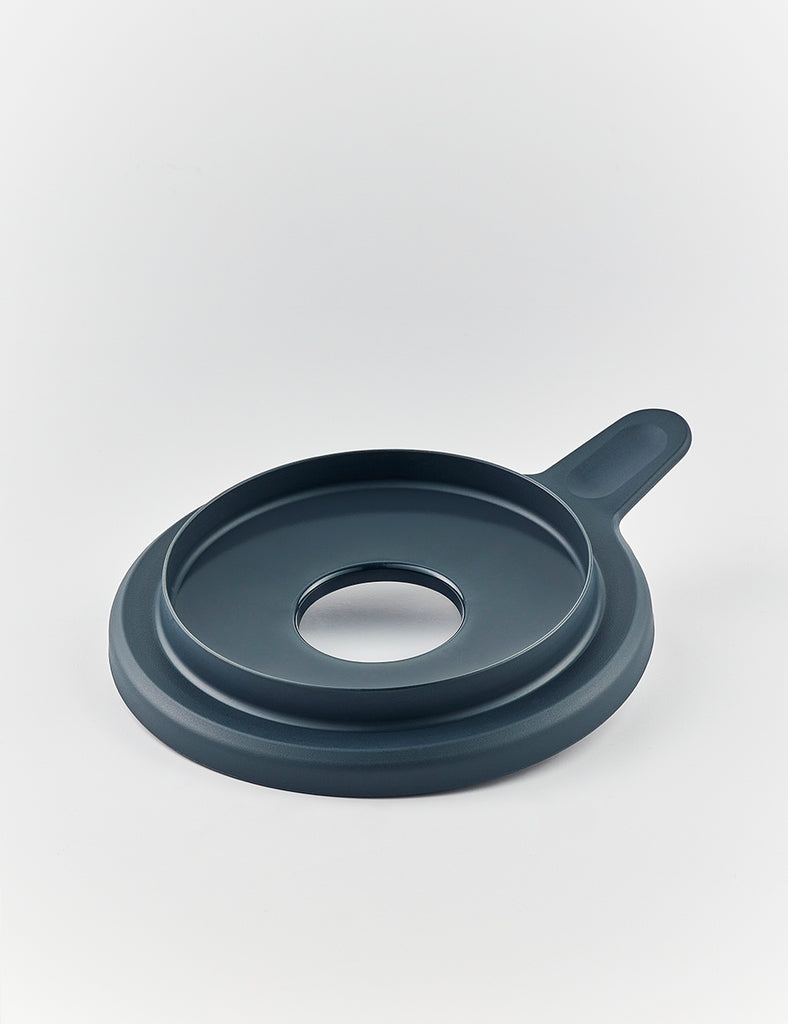
A lid can turn a mixing bowl into a storage container. Still, not every lid creates an airtight seal, so check the design before storing liquids or strong-smelling foods.

How to Use a Mixing Bowl Correctly
Using a mixing bowl well is mostly about choosing the right size and technique.
Follow these steps:
- Choose a bowl that leaves room for movement.
- Add ingredients in the order stated by the recipe.
- Use a whisk for liquids and a spatula for folding.
- Scrape the sides and bottom as you mix.
- Stop when the ingredients reach the texture the recipe describes.
- Transfer or cover the mixture as needed.
- Wash the bowl soon after use.
When using an electric mixer, start at a low speed. This helps prevent flour, sugar, or liquid from flying out. Increase the speed slowly once the ingredients begin to combine.
For folding, move the spatula down through the center, across the bottom, and up along the side. This gentle motion helps keep air in whipped cream, beaten egg whites, and delicate batters.
One lesson cooks often learn the hard way is that a deep bowl is safer than a shallow bowl for fast mixing. Extra space can save you from cleaning batter off the counter.

How to Clean and Maintain a Mixing Bowl
Clean the mixing bowl soon after use, especially after working with eggs, dairy, meat, or sticky dough. Warm water can loosen many food residues before washing.
Use these care tips:
• Read the care label before using a dishwasher
• Avoid harsh scouring pads on plastic and glazed ceramic
• Dry stainless steel bowls after washing
• Do not pour boiling liquid into cold glass
• Remove strong odors with baking soda and water
• Check plastic bowls for deep scratches
• Inspect ceramic bowls for cracks and chips
Raw meat and poultry can carry harmful bacteria. Wash the bowl, utensils, and nearby surfaces with hot, soapy water after use. Follow safe food handling guidance for chilling, cooking, and preventing cross-contamination.
Some bowls are dishwasher safe but may still last longer when hand washed. This is especially true for bowls with wooden parts, soft nonslip bases, or delicate finishes.
Mixing Bowl vs. Other Kitchen Bowls
People sometimes use “mixing bowl” and “bowl” as if they mean the same thing. The words overlap, but the purpose can differ.
A mixing bowl is built for preparing food. It usually has enough depth and space for stirring, whisking, folding, or tossing.
A serving bowl is mainly designed to hold finished food. It may be wide, decorative, and easy to place on a table, but it may not be strong or deep enough for vigorous mixing.
A prep bowl is smaller and holds measured ingredients before cooking. A batter bowl may include a handle, spout, or measurement marks. A food storage bowl usually comes with a lid and is designed for refrigeration.
The key difference is function. When considering what is the mixing bowl, think of a bowl made for active food preparation rather than only display or storage.
Benefits and Limitations of a Mixing Bowl
A mixing bowl offers many benefits, but it is not perfect for every task.
Benefits
• Keeps ingredients contained
• Makes stirring and whisking easier
• Supports baking and meal preparation
• Comes in many sizes and materials
• Can reduce preparation time
• May work for mixing, serving, and storage
• Helps keep the work area organized
Limitations
• Some materials break or chip
• Plastic may stain or absorb odors
• Large bowls can take up cabinet space
• Metal bowls may not work in a microwave
• Poorly sized bowls can cause spills
• Some bowls are difficult to grip when wet
Understanding these limits helps you choose the right bowl for each job. A strong kitchen setup usually includes more than one type and size.
How to Choose the Best Mixing Bowl
Start by thinking about your normal recipes. Someone who bakes bread needs a different bowl than someone who mostly prepares salads.