Does Popcorn Make You Sleepy: The Real Answer
Popcorn usually does not make you sleepy, but its carbs, portion size, and toppings may affect how you feel.
So, does popcorn make you sleepy? The honest answer is more nuanced than a simple yes or no. Plain popcorn is a light whole-grain snack, and it does not contain a strong sleep-inducing compound. However, eating a large bowl late at night, adding heavy toppings, or pairing it with other foods may make you feel relaxed, full, or tired. This guide explains the science, common myths, and the best way to enjoy popcorn before bed.

Does popcorn make you sleepy?
For most people, popcorn does not directly cause sleepiness. Air-popped popcorn contains carbohydrates, fiber, and a small amount of protein, but it does not act like a sleep medicine or sedative.
Still, some people feel tired after eating it. This may happen because of the timing, the amount eaten, or the foods served with it. For example, a large serving during a late-night movie may leave you relaxed and full. That feeling can be mistaken for a direct sleep effect.
Several factors can explain why popcorn may seem to make you sleepy:
• Late-night eating may happen when your body is already preparing for sleep.
• Carbohydrates may support the movement of tryptophan into the brain when eaten with other foods.
• A large serving may cause fullness and sluggishness.
• Butter, cheese, or sugary toppings can make the snack heavier.
• A calm setting, such as watching a movie in a dark room, can increase drowsiness.
In other words, popcorn may be part of a sleepy routine without being the main cause of sleepiness.
Why might popcorn make you feel tired?
The role of carbohydrates
Popcorn is mostly a carbohydrate food. Carbohydrates can raise blood glucose and insulin levels. Insulin helps move several amino acids into muscle tissue, which may leave more tryptophan available to enter the brain.
Tryptophan is used to make serotonin and melatonin. These chemicals help regulate mood and sleep. However, the effect from a normal serving of popcorn is likely modest. Popcorn is not rich enough in tryptophan to create a powerful sleep response by itself.
The type of carbohydrate also matters. Plain, air-popped popcorn digests more slowly than many highly processed snacks because it contains fiber. This may provide steady energy rather than a sudden rise and fall.
The effect of eating a large portion
A large bowl of popcorn can contain many cups. Even when the popcorn is plain, eating a lot at once may create a feeling of fullness. Digestion can make some people feel calm or sluggish.
This does not mean your body is shutting down. It simply means your digestive system is working while your activity level is low. The effect may feel stronger after a long day or several hours without food.
The setting can create sleepiness
Many people eat popcorn while watching television or a movie. The room may be dark, the body may be still, and the mind may be focused on a relaxing activity. These signals naturally support rest.
This is an important reason why does popcorn make you sleepy can be hard to answer from personal experience. The snack and the environment are often linked together. You may feel sleepy because of the whole routine, not because of the popcorn alone.

Does tryptophan in popcorn cause sleepiness?
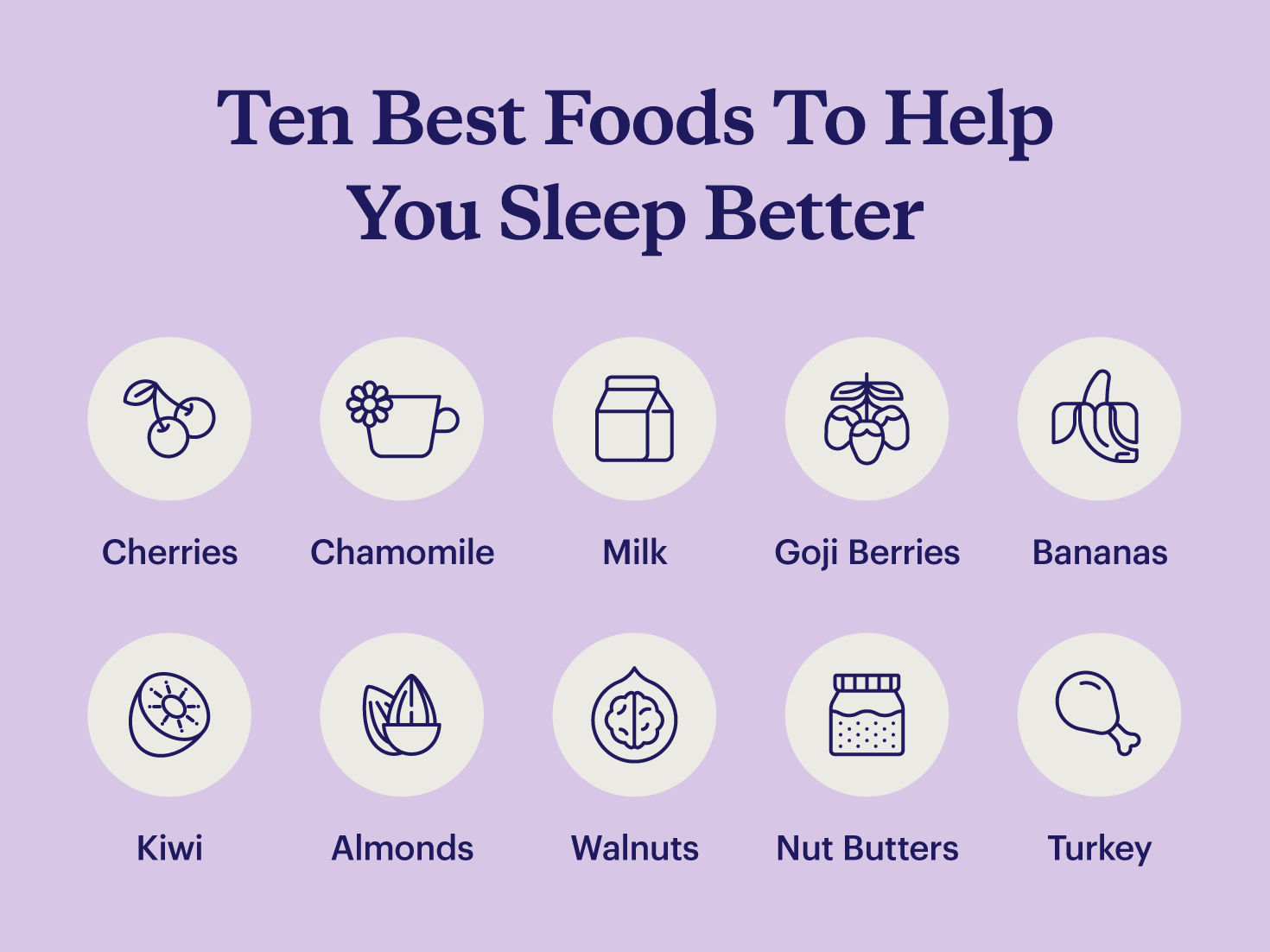
Popcorn contains some tryptophan, but not a large amount. Tryptophan is an essential amino acid found in many protein foods, including eggs, dairy products, poultry, fish, beans, and nuts.
The common idea that one food can instantly make you sleepy is usually too simple. Sleep-related effects depend on the full meal, portion size, digestion, daily schedule, and individual health.
Popcorn also contains much more carbohydrate than protein. It is not comparable to foods that are naturally high in tryptophan. A small bowl of plain popcorn is unlikely to increase melatonin enough to make a healthy adult suddenly fall asleep.
A meal that contains carbohydrates and protein may have a stronger effect than popcorn alone. For example, popcorn with a small amount of nuts could be more filling, but it still should not be treated as a sleep remedy.
Research on food and sleep suggests that overall eating patterns matter more than one snack. Regular meals, enough nutrients, and a stable sleep schedule usually have a greater effect on sleep quality than popcorn.

Can popcorn help you sleep better?
Popcorn may fit into a healthy evening routine, but it does not guarantee better sleep. Plain popcorn is low in calories by volume and contains fiber, which can help you feel satisfied.
A light snack may be useful if hunger keeps you awake. Going to bed very hungry can be uncomfortable, especially after a busy day. A small serving of popcorn may take the edge off without feeling as heavy as a large meal.
For a more balanced snack, try:
• One to three cups of air-popped popcorn
• A small handful of unsalted nuts
• Plain popcorn with a little grated Parmesan
• Popcorn with a small serving of yogurt on the side
• Popcorn with fruit if you need more food
Keep the portion moderate. Eating several large bowls close to bedtime may cause bloating, thirst, reflux, or discomfort. These problems can make sleep worse.
It is also wise to avoid treating popcorn as a replacement for a balanced diet. It can be part of a nutritious pattern, but it does not provide all the protein, vitamins, and minerals your body needs.

When popcorn may interfere with sleep
The answer to does popcorn make you sleepy may change when the snack includes rich toppings or is eaten in a large amount.
Butter and oil
Heavy butter or oil adds fat and calories. High-fat foods may digest slowly for some people and can worsen nighttime reflux. Reflux symptoms may include burning in the chest, a sour taste, coughing, or a sore throat.
If you notice these symptoms, try eating less fat and leave at least two to three hours between a large snack and bedtime. People with frequent reflux should discuss symptoms with a health professional.
Salt
Very salty popcorn can make you thirsty. Drinking a large amount of fluid late at night may lead to more bathroom trips. Both effects can interrupt sleep.
Choose lightly salted popcorn, especially if you already eat salty foods during the day. Herbs, cinnamon, nutritional yeast, or a small amount of grated cheese can add flavor without a large amount of salt.
Sugar and caramel
Caramel corn and sweet popcorn can contain a lot of added sugar. A sugary snack may raise blood glucose quickly, although individual responses differ. Some people may then feel hungry or restless later.
Sweet popcorn is fine as an occasional treat. It is less suitable as a regular bedtime snack if you are trying to limit added sugar or manage blood glucose.
Large portions
A movie-sized bucket can contain far more popcorn than a normal serving. The extra calories may come from oil, butter, cheese powder, or sugar rather than the popcorn itself.
Portion size is one of the most useful things to test. Measure a serving into a bowl instead of eating straight from a large container. This simple step can help you enjoy the snack without feeling overly full.
Is popcorn a good nighttime snack?
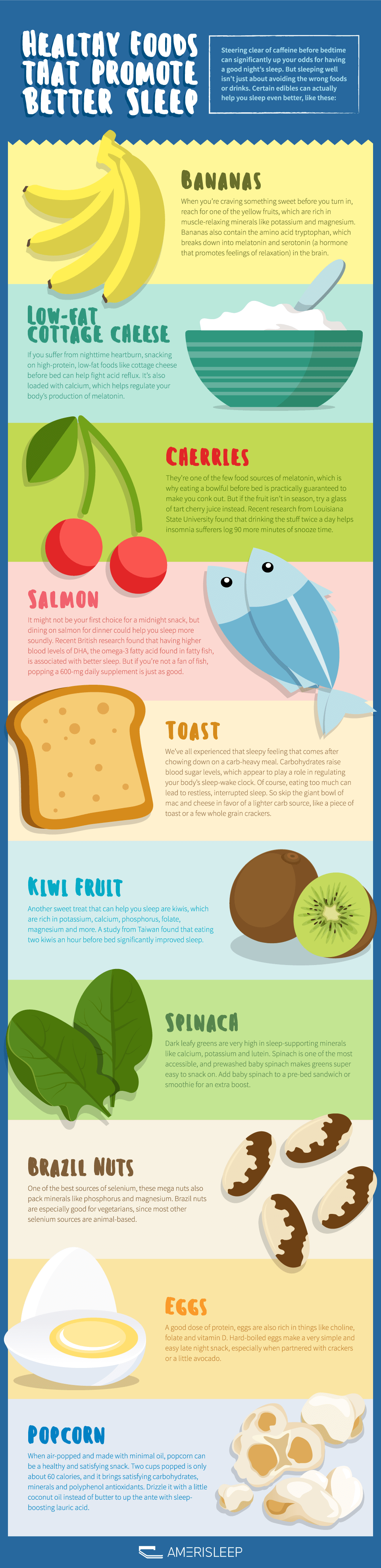
Plain popcorn can be a good nighttime snack for many people. It offers fiber and volume, which means you can eat a satisfying amount without consuming as many calories as some chips or desserts.
Air-popped popcorn is usually the lightest choice. Microwave popcorn varies widely. Some products contain added oils, high sodium, artificial flavors, or large amounts of saturated fat. Read the Nutrition Facts label and compare serving sizes.
A practical nighttime popcorn checklist includes:
• Choose air-popped or lightly prepared popcorn.
• Keep the portion moderate.
• Limit heavy butter, oil, and sugar.
• Avoid eating it right before lying down.
• Stop if you notice reflux, bloating, or poor sleep.
• Drink enough water during the day, but avoid large amounts right before bed.
For many adults, one to three cups is a reasonable snack portion. Your needs may differ based on hunger, activity, health goals, and total daily intake.

How to eat popcorn before bed
If you want to test whether popcorn affects your sleep, use a simple routine for several nights. This can help you separate the effect of popcorn from the effect of late-night screen time or a busy day.
-
Eat a small serving two or three hours before bed.
-
Choose plain or lightly seasoned popcorn.
-
Keep the rest of your evening routine the same.
-
Note your hunger, energy, bedtime, sleep quality, and morning mood.
-
Compare the results with nights when you do not eat popcorn.
This kind of personal tracking is more useful than relying on a single experience. One sleepy night may be caused by stress, poor sleep the night before, alcohol, illness, or a long day.
A simple food and sleep diary can reveal patterns. If popcorn repeatedly causes discomfort or affects your sleep, switch to another snack or reduce the portion.
Popcorn and sleep: common mistakes to avoid
One common mistake is assuming that popcorn itself has strong sleep powers. It does not. The snack may support relaxation in some situations, but it cannot correct an irregular sleep schedule or ongoing insomnia.
Another mistake is ignoring the toppings. A bowl of air-popped popcorn is very different from popcorn covered in butter, caramel, or cheese flavoring. Always consider the full snack, not just the word “popcorn.”
People also tend to confuse feeling full with feeling sleepy. Fullness can feel calming, but overeating may lead to discomfort later. A smaller portion often works better.
Finally, do not use food to hide serious sleep problems. If you regularly struggle to fall asleep, wake often, snore loudly, gasp during sleep, or feel exhausted during the day, speak with a qualified health professional. These symptoms may point to an issue that popcorn cannot solve.

What experts say about popcorn and sleep
Sleep research supports a broad view of nutrition. A balanced diet, regular meal timing, physical activity, stress control, and a steady sleep schedule all influence sleep quality.
Studies on carbohydrates and sleep show that meal composition and timing may affect sleep-related hormones. However, results vary, and the evidence does not show that ordinary popcorn reliably causes sleepiness.