Can You Put Stainless Steel Mixing Bowls In The Oven: Safe
Yes, most stainless steel mixing bowls can go in the oven, but always check the bowl’s label first.
Knowing can you put stainless steel mixing bowls in the oven helps prevent damaged cookware, ruined recipes, and painful burns. Stainless steel handles normal baking heat well, but bowl design, coatings, handles, lids, and sudden temperature changes all matter. This guide explains how to check oven safety, use stainless steel bowls correctly, and avoid common kitchen mistakes.

Can You Put Stainless Steel Mixing Bowls in the Oven?
In most cases, yes, you can put stainless steel mixing bowls in the oven. Stainless steel has a high melting point and remains stable at the temperatures used for baking, roasting, and warming food. A typical home oven reaches about 350°F to 500°F, while stainless steel melts at far higher temperatures.
However, “stainless steel” does not automatically mean “oven-safe.” The full bowl matters. A plain, single-wall stainless steel bowl is usually safer than one with plastic handles, rubber grips, silicone bases, painted designs, or an insulated inner wall.
Before using one in the oven, check for:
• An oven-safe label on the base or packaging
• A maximum temperature rating
• Plastic, rubber, or wooden parts
• Nonstick or decorative coatings
• A double-wall or vacuum-insulated design
• A loose or unstable shape that may tip over
If the manufacturer gives no clear guidance, use the bowl for mixing rather than baking. That small choice can save both the bowl and your dinner.

Why Stainless Steel Works Well in an Oven
Stainless steel is an iron-based metal that contains chromium. The chromium helps form a thin protective layer on the surface. This layer resists rust and corrosion, which is one reason stainless steel is common in cookware and professional kitchens.
Stainless steel also tolerates high heat without melting, cracking, or releasing fumes. It does not absorb food odors, and it is less likely to stain than plastic. These qualities make it useful for tasks such as warming sauces, baking small cakes, and holding food in a hot oven.
Still, stainless steel is not a perfect heat conductor. Aluminum transfers heat more quickly and evenly. Stainless steel may create hot spots, especially when the bowl is thin or sits close to an oven wall. For this reason, a stainless steel mixing bowl may be oven-safe but still produce uneven baking results.
A simple way to think about it is this: stainless steel is a strong shield against heat, but it is not always the best heat distributor.

Which Stainless Steel Bowls Are Usually Oven-Safe?
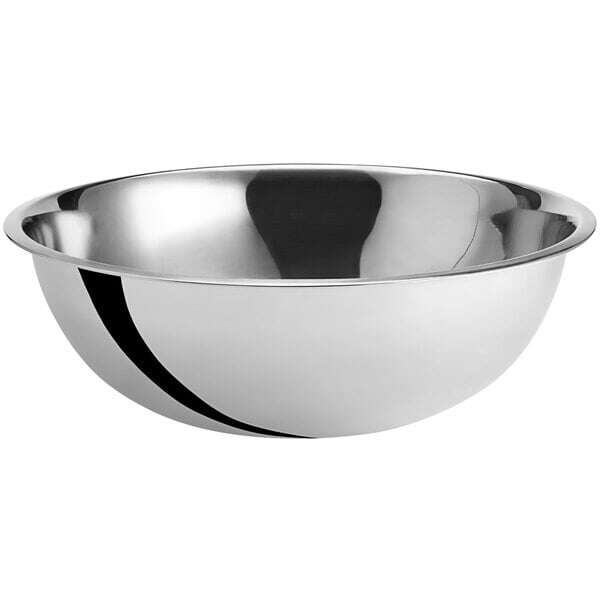
Plain metal bowls with no added parts are the best candidates for oven use. Many restaurant-style stainless steel bowls fall into this group. They often have a smooth interior, a rolled rim, and no coating or attached grip.
The following types are commonly suitable, provided the maker allows oven use:
• Single-wall stainless steel bowls
• Heavy-gauge stainless steel bowls
• Plain 18/8 or 18/10 stainless steel bowls
• Stainless steel prep bowls without plastic parts
• Mixing bowls marked “oven safe”
The numbers 18/8 and 18/10 describe the approximate chromium and nickel content. They can indicate corrosion resistance, but they do not prove that a bowl is oven-safe. The shape, construction, and attached parts matter just as much.
Avoid putting these items in the oven unless the maker clearly approves them:
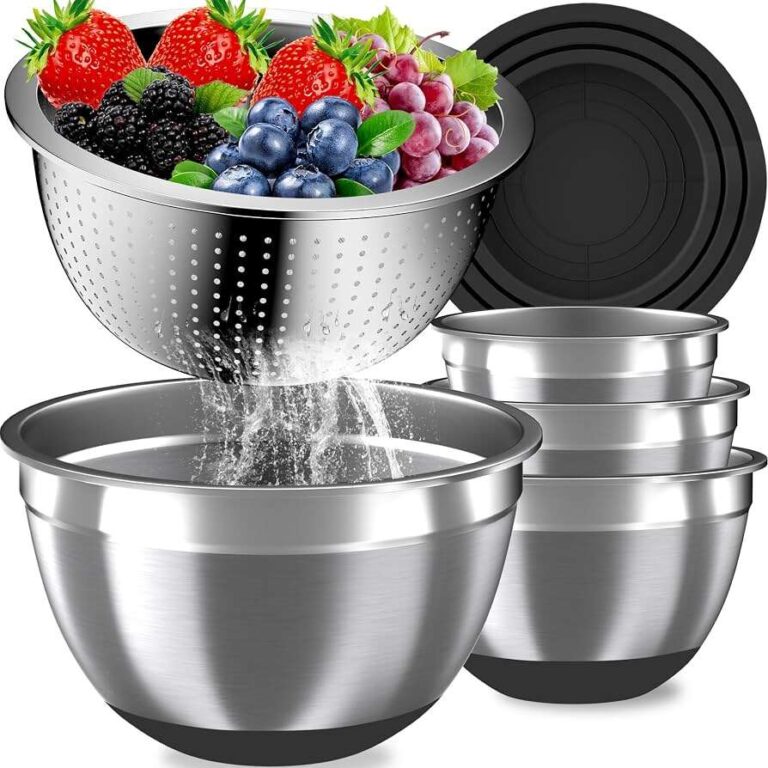
• Bowls with plastic or silicone handles
• Bowls with rubberized bottoms
• Bowls with painted patterns or printed labels
• Insulated or vacuum bowls
• Bowls with glued-on parts
• Bowls with plastic lids
When asking can you put stainless steel mixing bowls in the oven, the safest answer is “only if the entire bowl is rated for oven heat.”

How to Check if a Bowl Is Oven-Safe
Start by inspecting the bottom of the bowl. Look for words such as “oven safe,” a temperature limit, or a small oven symbol. Some brands print this information on the packaging instead of the bowl.
Next, inspect every part of the bowl. A metal body may handle heat well, but a plastic base can soften, smoke, or deform. A silicone ring may also become damaged, even when the steel itself remains unharmed.
Use this quick check before cooking:
- Read the care instructions from the manufacturer.
- Look for an oven-safe symbol or temperature limit.
- Check whether the bowl has plastic, rubber, wood, or silicone parts.
- Confirm that the bowl is not insulated or vacuum-sealed.
- Check for dents, cracks, loose parts, or damaged coatings.
- Place the bowl on a stable baking sheet if it feels unstable.
- Keep it away from direct contact with the heating element.
Do not rely only on the word “stainless.” A manufacturer’s instructions are the most reliable guide. If the instructions are missing, choose a baking dish designed for oven use instead.

Safe Ways to Use Stainless Steel Mixing Bowls in the Oven
When can you put stainless steel mixing bowls in the oven safely? Use them for gentle, controlled cooking rather than extreme heat or direct broiling.
Good uses may include:
• Baking a cake or sponge mixture in a properly rated bowl
• Warming leftovers
• Holding dough in a warm oven
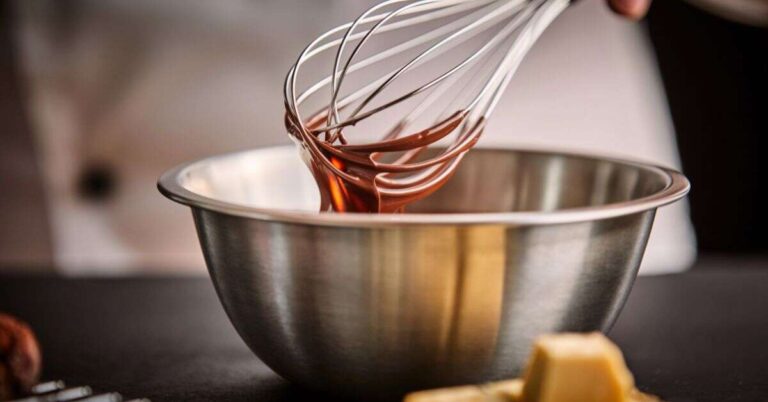
• Melting butter or chocolate at low heat
• Roasting small amounts of food
• Keeping cooked food warm
Always place the bowl on the center rack unless the recipe says otherwise. Keep it away from the top heating element and oven sides. A baking sheet underneath adds support and makes the bowl easier to remove.
Use dry oven mitts when handling the bowl. Metal becomes extremely hot, and it may not look hot even after several minutes. Let the bowl cool on a heat-safe surface before washing it.
Avoid moving a hot bowl directly onto a cold stone counter. A wooden board, trivet, or thick folded towel can reduce the risk of surface damage and sudden cooling.

Temperature Shock: The Main Risk
Thermal shock happens when a material changes temperature too fast. Stainless steel is strong, but rapid changes can still cause warping, dents, or stress in thin metal. The risk is greater when the bowl is hot and comes into contact with cold water.
Avoid these habits:
• Do not pour cold water into a hot bowl.
• Do not place a hot bowl in the freezer.
• Do not move a chilled bowl straight into a very hot oven.
• Do not set a hot bowl on a wet or very cold surface.
• Do not cool the bowl rapidly under running water.
Let the bowl warm gradually when possible. If the recipe begins with chilled ingredients, allow the bowl to sit at room temperature before placing it in the oven.
This is especially important for thin bowls. Heavy stainless steel tends to handle temperature changes better, but no metal bowl benefits from sudden thermal stress.

Can Stainless Steel Bowls Go Under the Broiler?
Most stainless steel bowls should not go under the broiler unless the manufacturer specifically says they can. Broilers create intense, direct heat from above. That heat is more severe than normal baking heat and can damage coatings, handles, rims, or attached parts.
A plain metal bowl may survive the heat, but it can reflect energy toward the broiler element. The bowl may also become dangerously hot in a short time. Its rounded shape can make food cook unevenly or spill.
Never use a stainless steel mixing bowl under a broiler if it has:
• A plastic or silicone part
• A painted finish
• A nonstick coating
• A rubber base
• A lid or cover
• An unknown temperature rating
For broiling, use a pan designed for that purpose. A shallow broiler pan gives food more space and offers better control.
Baking in a Stainless Steel Mixing Bowl
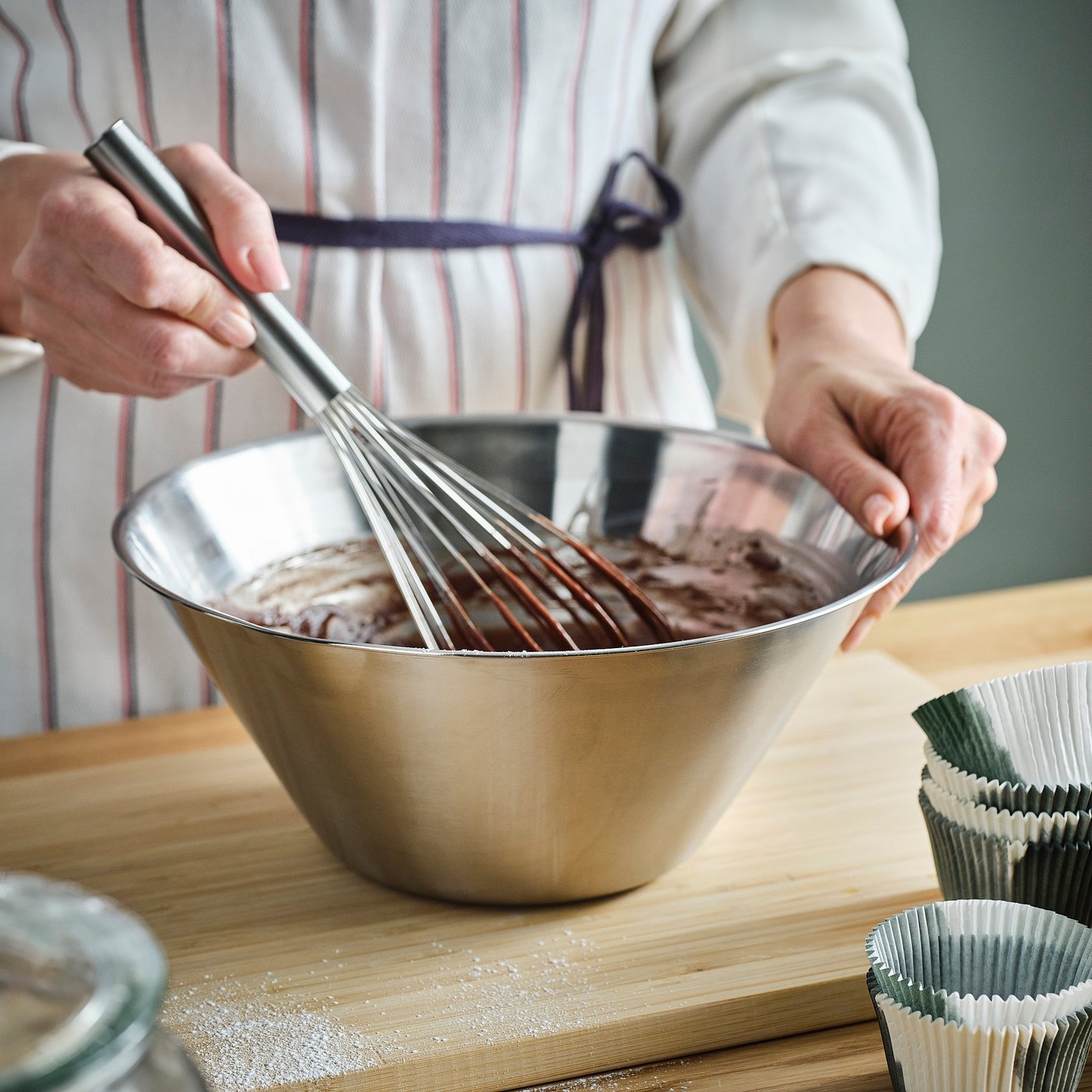
Some recipes work well in a stainless steel bowl, especially when the bowl is oven-rated. Cakes, steamed puddings, baked custards, and dome-shaped desserts are common examples. The rounded shape can create a unique form that is hard to make in a flat pan.
Grease the bowl well before adding batter. Add a layer of flour, cocoa powder, or parchment when the recipe allows it. Stainless steel is not naturally nonstick, so a bare bowl may hold onto delicate cakes.
Fill the bowl only halfway to two-thirds full. Batter rises, and a deep bowl can cause the center to remain raw while the outside becomes dry. Use a lower oven temperature and allow extra cooking time if the bowl is deep.
Check the food with a toothpick or food thermometer. Do not judge doneness by the outer color alone. Metal bowl baking can produce a browned edge before the center has fully set.
In my own kitchen work, the most common mistake has been treating an oven-safe mixing bowl like a regular cake pan. The bowl can work, but its depth changes baking time. A slower bake and careful testing give much better results.

Common Mistakes to Avoid
A few simple errors cause most problems when people use stainless steel mixing bowls in the oven. The first is assuming that every metal bowl has the same heat rating. The second is ignoring small parts, such as a silicone ring or plastic grip.
Avoid these mistakes:
• Using a bowl with an unknown temperature limit
• Placing the bowl under a broiler without approval
• Putting a cold bowl into a very hot oven
• Filling the bowl too high with batter or liquid
• Setting a hot bowl on a cold surface
• Touching the bowl without oven mitts
• Using a bowl with a damaged coating
• Washing a hot bowl with cold water
• Placing the bowl directly on an oven rack when it may tip
• Using a lid that is not oven-safe
Another mistake is assuming that dishwasher-safe means oven-safe. These ratings are separate. A bowl may tolerate hot water and detergent but still have parts that cannot withstand dry oven heat.
Stainless Steel Mixing Bowls Compared With Other Materials
Stainless steel is durable, light, and resistant to rust. It is also easy to clean and does not usually react with acidic foods. Yet other materials may be better for specific oven tasks.
Glass baking dishes allow you to see the food and often heat gently. They can crack from thermal shock, so they also require careful temperature changes. Ceramic dishes hold heat well and look attractive at the table, but they may be heavy or prone to chips.
Aluminum pans heat quickly and often provide more even baking. Cast iron holds heat for a long time but is heavy and needs proper care. Silicone bakeware is flexible and releases food easily, but it may not brown food as well as metal.
Choose the material based on the recipe:
• Use stainless steel for durability and easy cleanup.
• Use aluminum for fast, even baking.
• Use glass for gentle baking and visible food.
• Use ceramic for steady heat and serving.
• Use cast iron for high heat and strong browning.
• Use silicone for flexible molds and easy release.
The answer to can you put stainless steel mixing bowls in the oven is often yes, but “oven-safe” does not mean “best for every recipe.”
Cleaning and Caring for an Oven-Used Bowl
Allow the bowl to cool before cleaning it. Wash it with warm water, mild dish soap, and a soft sponge. Most stainless steel bowls do not need harsh cleaners.
For stuck food, soak the bowl in warm water. A paste made with baking soda and water can help lift residue without aggressive scrubbing. Rinse well and dry the bowl to reduce water spots.
Avoid steel wool and harsh scouring pads if you want to keep the surface smooth. Scratches do not always make the bowl unsafe, but they can trap food and make cleanup harder. Never use bleach or chlorine-based cleaners on stainless steel unless the manufacturer specifically approves them.
If the bowl becomes warped, develops a loose part, or shows signs of coating damage, stop using it in the oven. A replacement bowl is cheaper than a damaged oven, spoiled food, or a burn.
Frequently Asked Questions
Can you put stainless steel mixing bowls in the oven at 350°F?
Yes, a plain stainless steel bowl rated for oven use can usually handle 350°F. Check the manufacturer’s instructions first, especially if the bowl has a coating, handle, base, or lid.
Can stainless steel mixing bowls melt in the oven?
A normal oven will not melt solid stainless steel because its melting point is far above household cooking temperatures. However, plastic parts, rubber grips, silicone rings, coatings, or glued pieces may melt or become damaged.
Can you put stainless steel mixing bowls in the oven with food inside?
Yes, if the bowl is oven-safe and the food suits the bowl’s shape. Leave room for expansion, support the bowl on a baking sheet if needed, and use oven mitts when removing it.
Can you put a cold stainless steel bowl in a hot oven?
It is better to let a cold bowl warm gradually before placing it in a hot oven. Sudden temperature changes can cause warping or stress, especially in thin stainless steel bowls.
Can stainless steel mixing bowls go in the broiler?
Only use one under a broiler when the manufacturer clearly approves it. Direct broiler heat is intense and may damage coatings, attached parts, or the bowl itself.
Are stainless steel bowls better than glass for oven use?
Neither material is always better. Stainless steel is durable and less likely to shatter, while glass may offer gentler heating and better visibility, but both require proper temperature care.