How To Make Popcorn Taste Better: Easy Flavor Tips
Use fresh popcorn, balanced seasoning, and the right fat to make every batch crisp, savory, and full of flavor.
Learning how to make popcorn taste better comes down to more than adding extra salt. The best results come from controlling heat, using fresh kernels, coating each piece evenly, and matching toppings to the popcorn’s natural flavor. This guide covers simple methods, common mistakes, creative recipes, and tested techniques that work for stovetop, air-popped, and microwave popcorn.
Start With Better Popcorn Kernels
Great toppings cannot fully fix stale or poorly popped kernels. Fresh kernels contain enough moisture inside their shells to create steam. That steam builds pressure until the kernel pops into a light, fluffy piece.
For the best flavor, choose kernels from a sealed package with a clear freshness date. Store them in an airtight container in a cool, dry place. Do not keep popcorn kernels in the refrigerator, where changing moisture levels can affect how well they pop.
Different kernels also create different textures:
• Yellow kernels usually make large, sturdy pieces that hold butter and seasoning well.
• White kernels tend to have a thin shell and a softer, more delicate bite.
• Mushroom kernels pop into round balls that work well with caramel, chocolate, and thick coatings.
• Specialty heirloom kernels can offer nutty, sweet, or earthy notes.
One mistake I often see during popcorn testing is buying a large bag and leaving it open for months. The kernels may still pop, but the results can be smaller, tougher, and less crisp. Fresh kernels are one of the easiest ways to make popcorn taste better before you add a single topping.
Choose the Best Cooking Method
The cooking method affects flavor, texture, and how well seasonings stick. You can make excellent popcorn on the stovetop, in an air popper, or in the microwave. Each method has strengths and limits.
Stovetop popcorn
Stovetop popcorn gives you the most control. You can choose the oil, adjust the heat, and season the popcorn while it is still warm.
Use a large, heavy pot with a lid. Add enough oil to coat the bottom, then place two or three kernels in the pot. Heat the oil over medium heat. When those test kernels pop, add the rest.
Cover the pot and move it gently across the burner every few seconds. This helps prevent burning and spreads the heat. Leave the lid slightly open if it is safe to do so. This allows steam to escape and keeps the popcorn crisp.
Remove the pot from the heat when the popping slows to about two seconds between pops. Waiting for every last kernel to pop often leads to burnt popcorn.
Air-popped popcorn
Air-popped popcorn uses hot air instead of oil. It is light and low in fat, but dry surfaces can make butter and seasoning slide to the bottom of the bowl.
To make air-popped popcorn taste better, spray it lightly with melted butter, olive oil, or avocado oil. Toss it at once, then add seasoning in small amounts. Repeat until the coating is even.
Microwave popcorn
Plain microwave popcorn gives you a quick base for custom flavors. Put kernels in a vented microwave-safe bowl or a paper bag designed for microwave use. Avoid sealed containers, which can trap pressure.
Microwave power differs by model, so listen for the popping rate instead of relying only on a timer. Stop the microwave when the pops slow down. This simple step prevents a bitter, smoky taste.

Use the Right Fat for More Flavor
Fat carries flavor and helps seasoning stick. It also creates a smooth mouthfeel that makes popcorn taste richer.
For stovetop popcorn, use oils with a high smoke point. Good choices include:
• Canola oil for a neutral taste
• Avocado oil for a mild flavor and high heat tolerance
• Coconut oil for a subtle sweet note
• Peanut oil for a roasted, savory taste
• Light olive oil for a gentle fruit flavor
Extra virgin olive oil can taste good, but it may become bitter over high heat. Use it as a finishing oil instead of the main cooking oil.
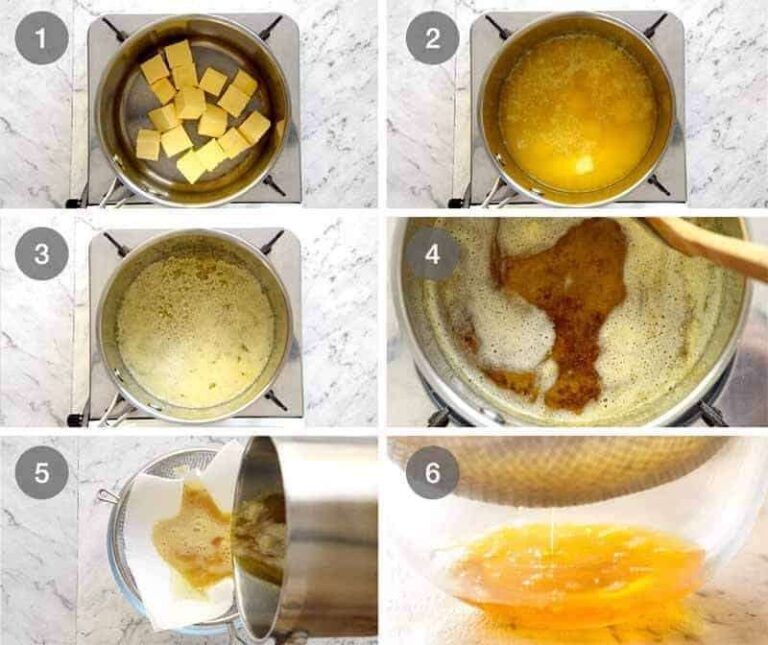
Butter is popular, but regular butter contains water and milk solids. If you pour too much melted butter over popcorn, it can make the pieces soft. Clarified butter or ghee contains less water and creates a more even coating.
A useful method is to pop the kernels in oil, then add a small amount of melted butter at the end. Toss the popcorn in a wide bowl so the butter reaches more pieces. Add more only if needed.
In my own kitchen tests, the biggest improvement came from using less butter but spreading it more evenly. A light coating on every piece tastes better than a heavy puddle at the bottom of the bowl.

Season Popcorn While It Is Warm
Warm popcorn has a slightly tacky surface. That is the best time to add salt, spices, cheese, or sugar. Once popcorn cools, dry seasonings have a harder time staying in place.
Use this simple process:
-
Place hot popcorn in a large bowl.
-
Add a small amount of melted butter or oil.
-
Toss the popcorn from the bottom of the bowl to the top.
-
Sprinkle on a small amount of seasoning.
-
Toss again and taste.
-
Repeat until the flavor is balanced.
Avoid pouring all the topping into one spot. A gentle, repeated toss gives you better coverage and prevents over-seasoning.
Fine salt works better than coarse table salt because it clings to the popcorn. You can also blend regular salt in a clean spice grinder for a smoother texture. Popcorn salt is another good choice because its small grains spread easily.
Taste as you go. You can always add more salt, but you cannot easily remove it.

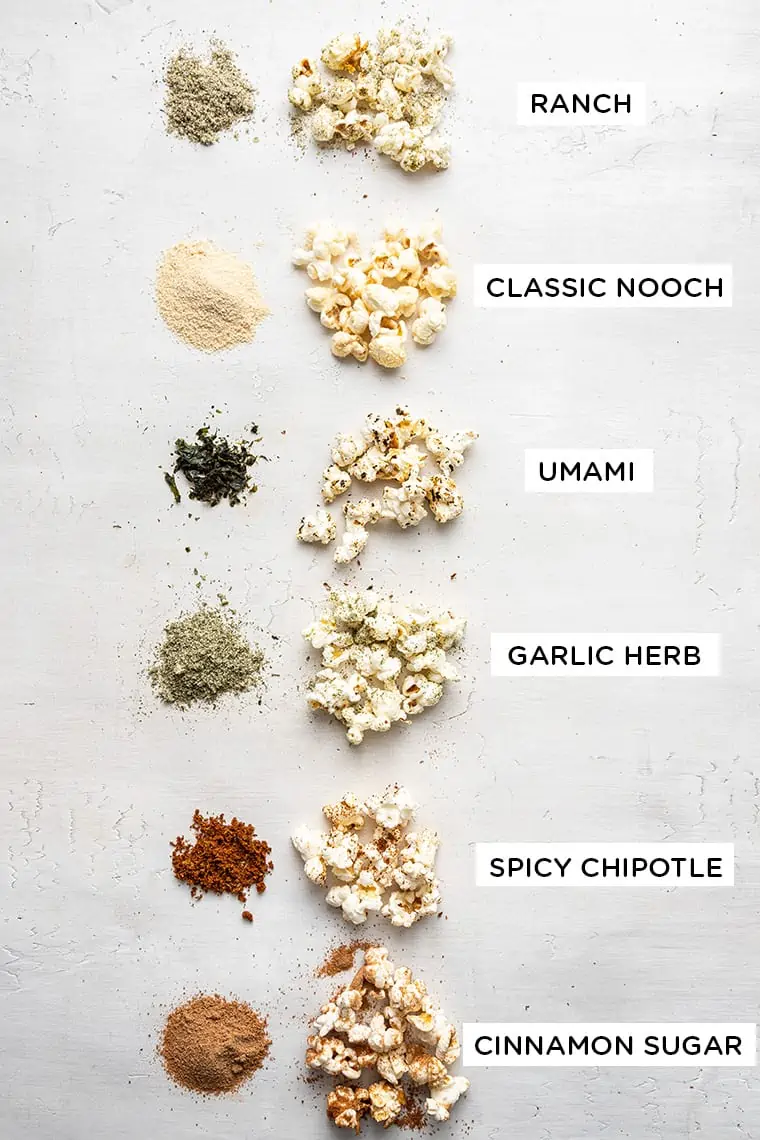
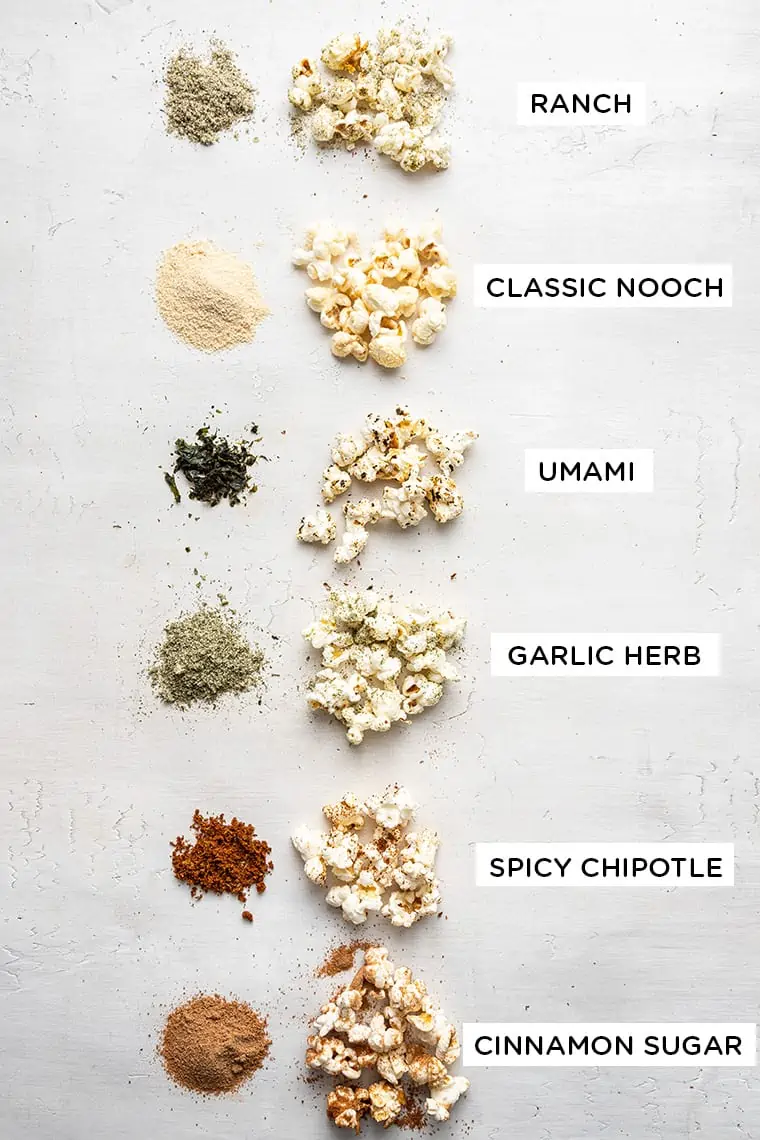
Make Popcorn Taste Better With Seasoning Blends
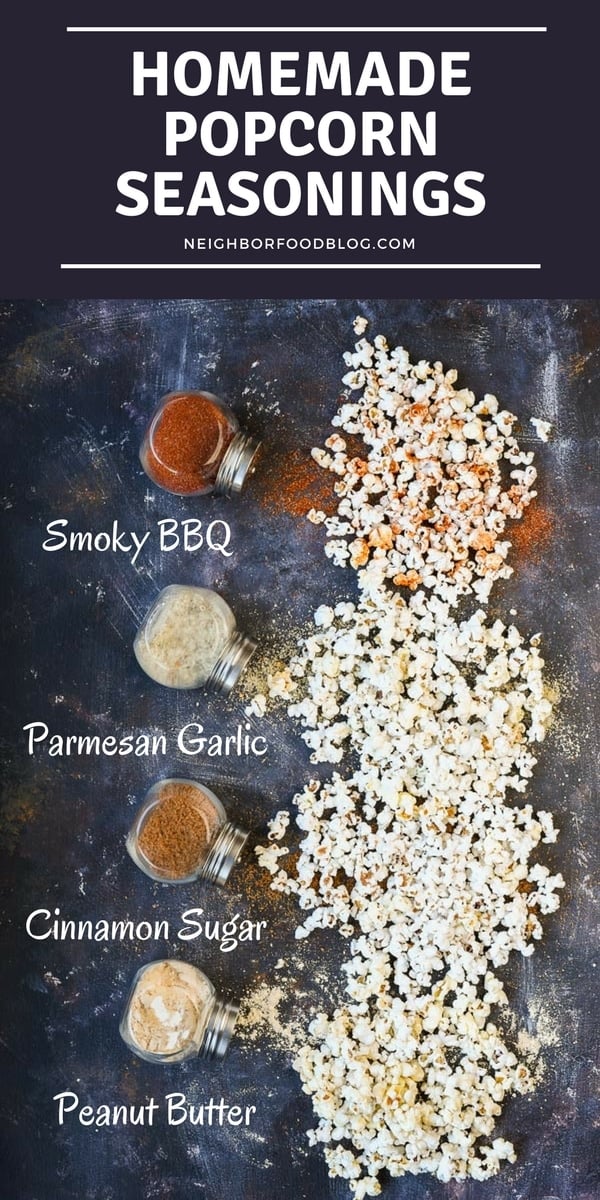
Seasoning blends add depth without requiring complicated ingredients. Start with a base of fine salt, then add one or two flavors. Too many ingredients can hide the taste of the popcorn.
Try these combinations:
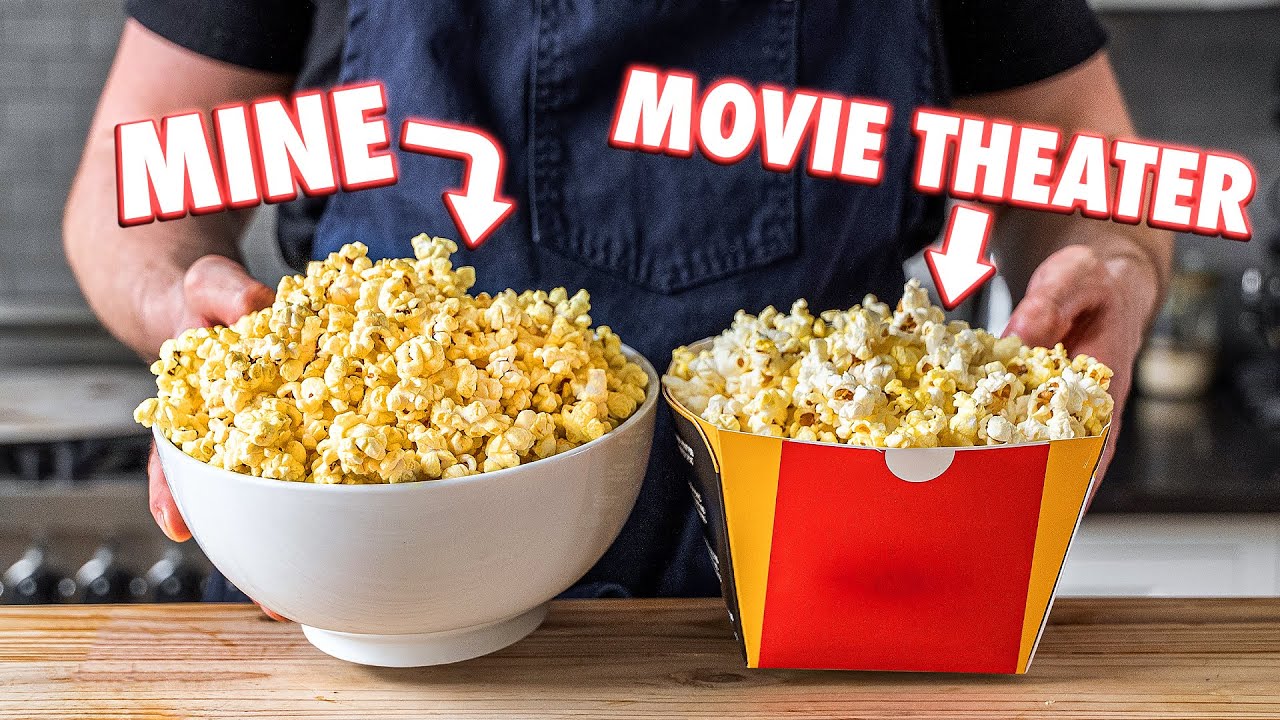
Classic movie theater flavor
• Fine salt
• Melted butter or butter-flavored oil
• A small pinch of nutritional yeast for extra savory depth
Garlic herb popcorn
• Fine salt
• Garlic powder
• Dried parsley
• Dried thyme
• A little grated Parmesan
Add the Parmesan after the popcorn has been lightly coated with oil or butter. This helps it stick instead of falling to the bottom.
Spicy chili lime popcorn
• Fine salt
• Chili powder
• A pinch of cayenne
• Lime zest
• A small squeeze of lime juice added just before serving
Use lime juice carefully. Too much liquid can make popcorn chewy. Lime zest gives strong flavor without adding much moisture.
Ranch-style popcorn
• Dried buttermilk powder
• Garlic powder
• Onion powder
• Dried dill
• Fine salt
This blend tastes best when added to warm popcorn with a light coating of oil.
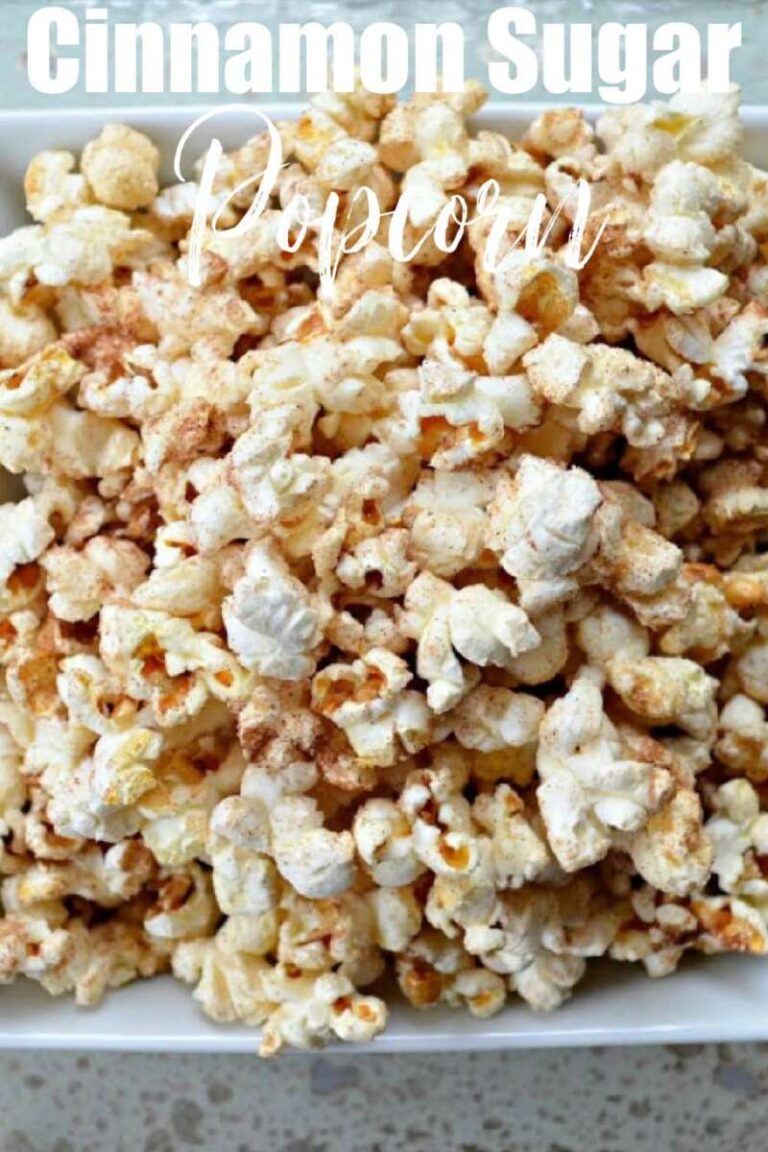
Sweet cinnamon popcorn
• Melted butter
• Cinnamon
• Brown sugar
• A tiny pinch of salt
Add the sugar after the popcorn cools slightly. Very hot popcorn can cause the sugar to melt unevenly and form sticky clumps.