How To Descale Cafe Coffee Maker: Easy Cleaning Guide
Unplug the machine, run an approved descaling solution, rinse twice, and repeat when mineral scale returns.
Learning how to descale a Café coffee maker is simple when you use the right solution, water temperature, and rinse cycle. The process removes mineral buildup from the heating system, improves coffee flow, and helps protect the machine from early wear. This guide explains how to descale a Café coffee maker safely, including what to use, what to avoid, and how often to repeat the process.

What descaling does to a Café coffee maker
Descaling removes mineral deposits caused by hard water. These deposits are often made of calcium carbonate, which can collect inside the water tank, heating tube, valves, and brew head.
Over time, scale acts like a thin layer of chalk inside the machine. It can slow water flow and make the heater work harder. Learning how to descale a Café coffee maker helps restore normal brewing and may extend the life of the appliance.
Common signs of mineral buildup include:
• Slow brewing or weak water flow
• Coffee that tastes bitter, flat, or metallic
• A noisy pump or heating system
• Water that does not reach the normal brewing temperature
• Less coffee in the carafe than expected
• A descale or clean warning light
• White flakes in the water or carafe
Descaling is different from daily cleaning. Cleaning removes coffee oils and leftover grounds. Descaling removes mineral scale from parts that water passes through.

What you need before you start
Before learning how to descale a Café coffee maker, gather the correct supplies. You do not need special tools, but preparation helps prevent mistakes.
You will need:
• The Café coffee maker
• The user manual, if available
• A manufacturer-approved descaling liquid or powder
• Fresh tap or filtered water
• A large bowl or empty carafe
• A soft cloth
• A sink for rinsing removable parts
Use a container that can hold more liquid than the coffee maker’s full water tank. During the process, the machine may release liquid in short bursts.
Check the user manual for the exact descaler ratio. Some Café models use a cleaning or descale setting. Others require you to start a brew cycle and pause it during the process.
Do not mix descaling solution with bleach, dish soap, or other cleaners. Chemical mixtures can create harmful fumes or damage the machine.

How to descale a Café coffee maker step by step
The safest method for how to descale a Café coffee maker is to follow the appliance manual first. The steps below work as a general guide for many drip and specialty coffee makers.
1. Turn off and empty the machine
Switch off the coffee maker and unplug it. Remove any coffee grounds, paper filter, reusable filter, and leftover coffee from the carafe.
Let the machine cool if you used it recently. Empty the water tank and rinse the carafe so old coffee does not mix with the descaling solution.
2. Remove washable parts
Take out the filter basket, water filter, carafe lid, and other removable parts. Wash them with warm water and mild dish soap.
Do not place parts in the dishwasher unless the manual says they are dishwasher-safe. Some plastic parts can warp, and some water filters should only be replaced.
3. Mix the descaling solution
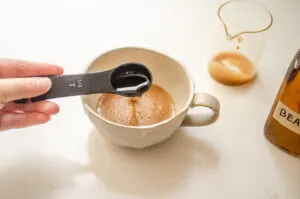
Add the recommended amount of descaler to the water tank. Many liquid products need dilution, while some ready-to-use formulas do not.
Always follow the product label. A stronger mix is not automatically better. Too much acid may damage seals, coatings, or internal parts.
4. Start the descale or brew cycle
Place the empty carafe under the brew outlet. Turn on the machine and select its descale or clean cycle if it has one.
If there is no special setting, run a normal brew cycle without coffee. Pause the cycle for about 15 to 30 minutes if the manual recommends soaking time. This gives the solution time to loosen stubborn scale.
Never leave the coffee maker unattended if the manual warns against it. Watch for leaks, unusual smells, or liquid overflowing the carafe.
5. Finish the cycle
Allow the solution to pass through the machine. Some models may stop and restart during a cleaning program. This is normal if the display or manual indicates that the cycle is working.
When the cycle ends, discard the liquid. Do not drink it or use it on plants.
6. Rinse the water tank
Wash the water tank with clean water. Fill it with fresh water and run a complete brew cycle into the empty carafe.
Repeat the rinse cycle at least once more. Two full rinses are a good general rule, but some manufacturers recommend three or more.
7. Clean and test the machine
Wash the carafe and filter basket again. Wipe the outside of the coffee maker with a damp cloth.
Run one final cycle with clean water if you notice a sharp smell or sour taste. Then brew a small pot of coffee and check the flavor, flow, and temperature.
This step-by-step method is the practical answer to how to descale a Café coffee maker without using coffee or damaging the brew system.

Should you use vinegar or a commercial descaler?
Many people ask how to descale a Café coffee maker with vinegar because vinegar is inexpensive and easy to find. White vinegar can dissolve some mineral deposits, but it is not always the best choice.
Commercial descalers are usually made for coffee machines. They may use lactic acid, sulfamic acid, or citric acid in a controlled formula. These products often rinse more cleanly and may be approved by the manufacturer.
Vinegar: benefits and limits
White vinegar may help with light mineral buildup. However, it can leave a strong smell and taste. It may also work poorly on thick scale or require extra rinse cycles.
Use vinegar only if the Café manual allows it. Some manufacturers warn against vinegar because repeated use may affect rubber seals, sensors, or internal finishes.
Commercial descaler: benefits and limits
A coffee machine descaler is usually the safer choice when the manual recommends it. It provides clear mixing instructions and is designed for internal water paths.
Keep these points in mind:
• Never use cleaning vinegar unless the manual specifically permits it
• Do not use apple cider vinegar or flavored vinegar
• Do not combine vinegar with commercial descaler
• Use the correct dose for the tank size
• Rinse until no smell or taste remains
For most machines, an approved commercial descaler is the most reliable option.

How often should you descale a Café coffee maker?
How often you descale a Café coffee maker depends on water hardness, use, and the model’s built-in warning system. A machine in a hard-water area may need descaling more often than one used with filtered water.
A practical schedule is:
• Light use with soft water: every three to six months
• Daily use with average water: every two to three months
• Daily use with hard water: every four to eight weeks
• Any machine with a descale light: follow the light and manual
A water filter can reduce mineral buildup, but it does not remove every mineral. Replace the filter on schedule and still descale the machine when needed.
Do not wait for the coffee maker to stop working. Scale is easier to remove when it is thin. Thick buildup may require repeated cycles or professional service.

How to prevent mineral buildup
Descaling is important, but daily habits can slow the return of scale. Think of prevention as brushing your teeth. It takes little time and reduces larger problems later.
Use these habits:
• Empty the water tank when the machine will sit unused
• Use fresh water for each brew
• Replace the water filter as directed
• Wipe spills and coffee residue from the warming plate
• Wash the carafe and filter basket often
• Leave the lid open briefly so the tank can dry
• Avoid storing water in the machine for several days
• Follow the recommended descale schedule
Filtered water may improve flavor and reduce scale, but it is not the same as distilled water. Some coffee makers do not perform well with completely mineral-free water because their sensors may depend on water conductivity. Use the water type listed in the manual.

Common mistakes to avoid
The most common mistake when learning how to descale a Café coffee maker is treating the process like a quick rinse. Descaler needs time to move through the internal system and loosen deposits.
Avoid these errors:
• Running the cycle with coffee grounds in the basket
• Using too much descaling powder or liquid
• Skipping the second rinse cycle
• Pouring descaler into the wrong opening
• Scrubbing the water tank with abrasive pads
• Using bleach, drain cleaner, or bathroom limescale remover
• Submerging the electrical base in water
• Ignoring a leak or burning smell
• Descaling a hot machine without letting it cool
• Assuming a clean light means the coffee oils are gone
One practical lesson is worth remembering: more chemical strength does not mean better cleaning. Correct dilution, enough contact time, and thorough rinsing matter more.
If the machine still brews slowly after two proper descale cycles, stop using it and contact Café support or a qualified appliance technician. The problem may be a blocked valve, failed pump, sensor issue, or damaged heating element.

What to do if the descale light stays on
Some Café coffee makers need a special button sequence to reset the descale warning. The light may remain on even after the machine has been cleaned if the programmed cycle was interrupted.
Try these steps:
- Confirm that the descaling cycle completed fully.
- Run the required number of fresh-water rinses.
- Turn the machine off and unplug it for several minutes.
- Check the manual for the reset process.
- Repeat the descale program only if the manual allows it.
Do not force buttons or open the machine. A warning light can also indicate a sensor or control-board problem rather than mineral buildup.
If the light remains on after the correct reset steps, record the model number and contact the manufacturer. The model number is often printed on the back, bottom, or side of the appliance.
How to descale different Café coffee maker types
The basic method is similar, but the controls may differ between models. Always give priority to the instructions for your exact appliance.
Café drip coffee makers
For a standard drip model, add the solution to the water tank and run the clean or brew cycle. Let the solution sit if the manual calls for a pause, then run two or more water-only cycles.
Café espresso machines
Espresso machines have smaller water paths and more pressure. They may require a dedicated descale program that cleans the boiler, group head, and steam wand.
Do not push descaler through the steam wand unless the manual specifically instructs you to do so. Some machines use separate cleaning steps for the brew path and steam system.
Café machines with built-in filters
Remove the water filter before adding descaler. A filter can absorb the solution and reduce its effectiveness. Replace the filter only after the full rinse process is complete.
Understanding the machine type makes how to descale a Café coffee maker safer and more precise.
Frequently asked questions about how to descale a Café coffee maker
Can I use lemon juice to descale a Café coffee maker?
Lemon juice contains acid, but its strength can vary and it may leave pulp, sugar, or scent behind. Use a coffee machine descaler instead unless the manufacturer specifically approves lemon juice.
How many times should I rinse a Café coffee maker after descaling?
Run at least two complete cycles with fresh water after the descaling solution has passed through the machine. If you still smell acid or notice an unusual taste, run another rinse cycle.
Can I descale a Café coffee maker with baking soda?
No. Baking soda is alkaline and is not designed to dissolve mineral scale. It may leave residue and can react with acids, so do not combine it with vinegar or commercial descaler.