Can You Use A Hand Mixer In A Glass Bowl: Safe Tips
Yes, you can use a hand mixer in a glass bowl, but choose sturdy glass and mix carefully.
Knowing whether you can use a hand mixer in a glass bowl helps you bake with confidence and avoid chips, cracks, and messy spills. The right bowl, speed, and technique make a big difference. This guide explains how to mix safely, which glass bowls work best, what mistakes to avoid, and when another bowl may be a better choice.
Can You Use a Hand Mixer in a Glass Bowl?
Yes, you can use a hand mixer in a glass bowl. Glass is smooth, nonporous, easy to clean, and safe for most common mixing tasks. It works well for cake batter, cookie dough, whipped cream, frosting, mashed potatoes, and beaten eggs.
However, not every glass bowl is equally safe. A thin drinking glass, old bowl, or chipped dish may crack under pressure. A sturdy mixing bowl made from tempered glass or heat-resistant glass is a much better choice.
When asking, “Can you use a hand mixer in a glass bowl?” the real answer depends on three things:
• The strength and condition of the bowl
• The speed and position of the mixer
• The type and thickness of the food you are mixing
A hand mixer does not usually create enough heat or force to break a sound mixing bowl. The main risks come from impact, sudden temperature changes, and scraping the beaters hard against the bowl.

Why Glass Bowls Work Well With Hand Mixers
Glass has several useful features for baking and cooking. It gives you a clear view of the mixture, which helps you see whether ingredients are blending evenly.
A glass bowl also does not absorb oil, color, or odors. This is useful when you move from mixing garlic butter to whipping cream or making a light-colored frosting. With proper washing, the bowl stays fresh and neutral.
Here are the main benefits of using a glass bowl with a hand mixer:
• Clear sides let you watch the texture and color of the mixture.
• Glass does not hold food smells as some plastics can.
• A smooth surface is easy to wash by hand or in a dishwasher, if the maker allows it.
• Many glass bowls are heat-resistant and can also be used for other kitchen tasks.
• A heavier glass bowl may stay steady while you mix.
Glass can also be helpful when you need to check the bottom of the bowl. Flour and butter often hide under the mixture. Seeing the base makes it easier to scrape the sides and prevent dry pockets.
Still, glass has limits. It can chip if the metal beaters strike the rim. It can crack when exposed to a sharp temperature change. It may also slide on a smooth counter unless you place a damp towel beneath it.

What Type of Glass Bowl Is Best?
The best glass bowl for a hand mixer is thick, stable, and made for food preparation. Look for a bowl labeled as tempered, heat-resistant, or designed for mixing.
Tempered glass has been treated to improve its strength. It is more resistant to everyday stress than ordinary glass. Borosilicate glass is also known for handling temperature changes better than standard glass, although you should still follow the manufacturer’s instructions.
Choose a bowl with these features:
• A thick wall and strong rim
• A wide opening for easy mixer movement
• A flat base that sits firmly on the counter
• Enough depth to contain splashes
• No chips, cracks, scratches, or cloudy stress marks
• A size that leaves room for ingredients to expand
Avoid using a glass bowl that has visible damage. Even a small chip can grow into a crack when the beaters hit nearby. If the bowl has been dropped, inspect it closely before using it again.
It is also wise to check the care instructions. Some glass bowls are safe for mixing but not for the oven, freezer, or sudden heat. “Heat-resistant” does not mean “immune to breakage.”

How to Safely Use a Hand Mixer in a Glass Bowl
Using a hand mixer in a glass bowl is simple when you control the speed and keep the beaters moving. The goal is to mix the ingredients without letting the metal attachments pound against the glass.
Follow these steps:
-
Inspect the bowl before use. Check the rim, base, and sides for chips or cracks.
-
Set the bowl on a flat surface. Place a damp kitchen towel underneath it if the bowl slides.
-
Add the ingredients before inserting the beaters. This reduces the chance of striking the empty bowl.
-
Insert the beaters fully into the mixture before turning on the mixer.
-
Start at the lowest speed. Increase the speed only when the ingredients begin to combine.
-
Move the beaters in slow circles. Keep them slightly above the bottom and away from the sides.
-
Stop the mixer before lifting the beaters out. This helps prevent splatter.
-
Unplug the mixer before removing or cleaning the beaters.
Low speed is especially important when mixing flour, powdered sugar, or dry ingredients. Starting too fast can send ingredients over the rim and force the beaters against the glass as you try to control the mess.
A useful habit is to use one hand to hold the mixer and the other to steady the bowl. Do not press the beaters down into the base. Let the mixer do the work.

Can the Beaters Scratch or Break a Glass Bowl?
Yes, metal beaters can scratch, chip, or damage a glass bowl if used roughly. The risk is not usually from normal mixing. It comes from repeated contact between the beaters and the bowl.
Light surface marks may appear over time, especially if the bowl is made from softer glass or if the beaters are worn. A deep chip or crack is more serious and means the bowl should no longer be used.
To protect the bowl:
• Keep the beaters moving instead of holding them in one place.
• Do not scrape the beaters forcefully along the sides or bottom.
• Avoid twisting the mixer when the beaters are pressed against the glass.
• Use a silicone spatula to scrape the bowl while the mixer is off.
• Replace bent or loose beaters before mixing again.
If your hand mixer has balloon-style wire beaters, they may feel more delicate but can still strike the bowl. The shape of the beater does not remove the need for careful handling.
In my own kitchen testing, the biggest mistake was focusing on speed rather than position. A mixer at medium speed is usually fine, but a beater held against the side can make a harsh tapping sound and put unnecessary stress on the bowl.

When You Should Not Use a Hand Mixer in a Glass Bowl
There are times when a glass bowl is not the best tool. Very thick mixtures can require strong pressure and long mixing times. That increases the chance of moving the bowl or hitting its sides.
Be cautious with:
• Dense bread dough
• Very stiff cookie dough
• Cold butter that has not softened
• Hard candy or thick caramel
• Frozen ingredients
• Large batches that nearly fill the bowl
A hand mixer may struggle with heavy dough. If the motor slows, smells hot, or sounds strained, stop mixing. A stand mixer with a dough hook is often safer and more effective for thick dough.
Do not use a glass bowl that has just come from the refrigerator with very hot ingredients. Sudden temperature changes can create thermal stress. The same warning applies when placing a hot glass bowl on a cold or wet surface.
Never assume that a bowl is oven-safe just because it is made of glass. Use the maker’s instructions. A bowl that tolerates gentle hand mixing may still fail under direct heat or rapid cooling.

Glass Bowl Compared With Metal and Plastic Bowls
A glass bowl is only one option. Metal and plastic bowls each have strengths, and the best choice depends on your recipe.
Glass bowls
Glass bowls are easy to inspect, clean, and use for most batters. They are also nonreactive with acidic foods such as lemon, vinegar, and tomato.
Their drawbacks are weight, breakage risk, and possible sliding. They can also feel cold, which may slow the softening of butter when you are preparing a recipe.
Stainless steel bowls
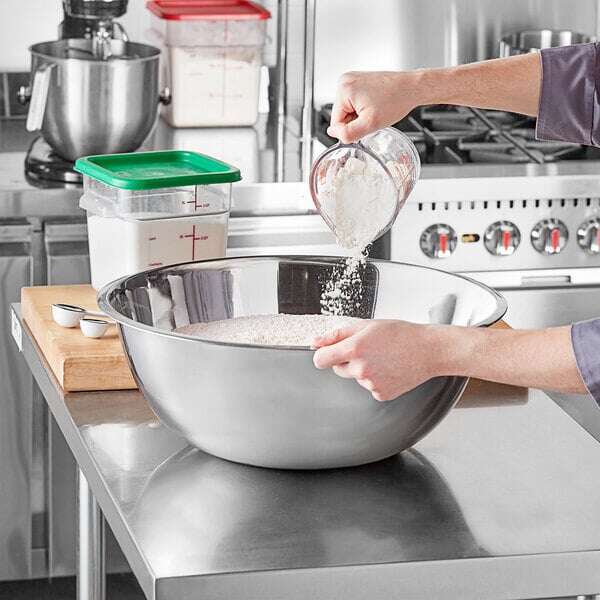
Stainless steel bowls are light, durable, and unlikely to break. They are often a strong choice for a hand mixer, especially when you need a large bowl.
Metal can transfer temperature quickly. This is helpful for chilling cream but less helpful when working with ingredients that must stay warm. Stainless steel can also show scratches from beaters, although these marks are usually cosmetic.
Plastic bowls
Plastic bowls are light and less likely to break. They are convenient for children, outdoor cooking, and quick mixing.
Some plastics can retain grease, colors, or odors. They may also scratch more easily. Use food-safe plastic and follow the care instructions, especially if the bowl will touch hot ingredients.
So, can you use a hand mixer in a glass bowl instead of metal or plastic? Yes. Glass is a reliable option when you value visibility and easy cleaning, but it requires more care than stainless steel.