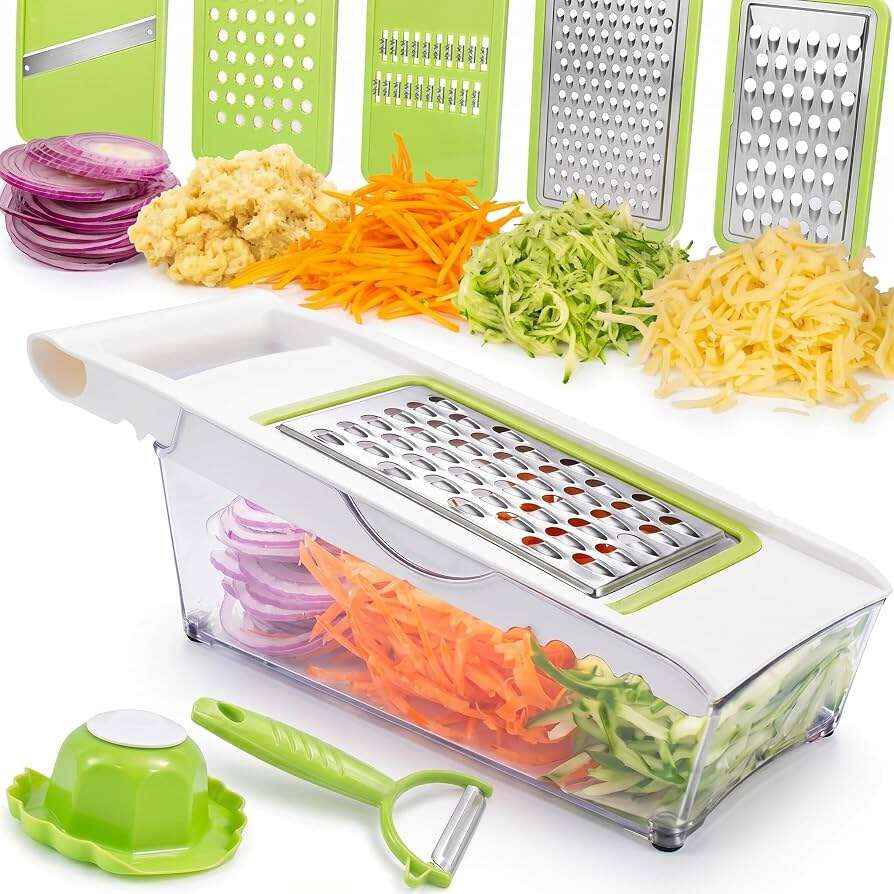
How To Clean A Vegetable Peeler: Easy Guide
Clean a vegetable peeler with warm, soapy water, a small brush, and thorough drying after every use.
A vegetable peeler touches raw produce, food dirt, and sharp metal edges. Learning how to clean a vegetable peeler well helps prevent odors, rust, stuck-on scraps, and hidden bacteria. This guide explains safe cleaning methods for stainless steel, ceramic, plastic, and dishwasher-safe peelers, along with simple habits that keep your tool fresh and sharp.
Why You Should Clean a Vegetable Peeler
A peeler may look clean after you rinse it, but small strips of potato, carrot, and fruit skin can stay under the blade. These scraps dry quickly and may collect bacteria, especially when the peeler is stored while damp.
Regular cleaning also protects the blade. Food acids from tomatoes, citrus, and some fruits can stain metal over time. Moisture can cause rust on carbon steel or low-quality metal parts.
Learning how to clean a vegetable peeler takes less than a minute. It can also help the blade move smoothly and reduce the chance of transferring food residue from one ingredient to another.
The main benefits include:
• Removing food scraps from the blade and hinge
• Reducing odors and sticky residue
• Lowering the risk of cross-contamination
• Preventing rust and mineral buildup
• Keeping the blade smooth and effective
• Extending the life of the peeler
Food safety guidance consistently stresses the value of cleaning utensils after contact with food. A vegetable peeler is no exception, even if it only touches produce.

What You Need to Clean a Vegetable Peeler
You do not need special equipment. Most homes already have everything needed for a safe and complete clean.
Gather these items:
• Warm water
• Mild dish soap
• A soft sponge or dishcloth
• A small cleaning brush or old toothbrush
• A clean kitchen towel
• A bowl or sink
For stubborn residue, use a soft brush instead of a hard scraper. A brush can reach around the blade without damaging the metal or cutting your fingers.
Avoid steel wool and rough scouring pads. They can scratch stainless steel, remove protective finishes, and leave tiny fibers behind. Do not use bleach unless the product maker specifically allows it and provides dilution instructions.
Before you begin, check the handle and blade. Some peelers have a fixed blade, while others have a swivel blade or a small eye-removing tip. Each part needs attention.

How to Clean a Vegetable Peeler by Hand
Hand washing is the safest method for most peelers. It gives you control around the sharp blade and helps you check for hidden food.
Follow these steps:
- Rinse the peeler right after use.
Hold it under warm running water. Rinse both sides of the blade and the area where the blade meets the handle. Fresh scraps are much easier to remove than dried food.
- Add a small amount of dish soap.
Put mild dish soap on a soft sponge or dishcloth. Do not hold the blade in your palm while scrubbing. Hold the handle firmly and keep your fingers away from the cutting edge.
- Clean both sides of the blade.
Wipe from the back of the blade toward the edge. Do not drag your fingers along the sharp side. Use slow strokes, much like wiping a knife away from your hand.
- Brush the hinge and gaps.
If the peeler has a swivel blade, food may collect at each end. Use a small brush or toothbrush to loosen these scraps. Pay close attention to the joint between the blade and the handle.
- Rinse away all soap.
Run the peeler under clean water. Soap left behind can create a film and affect the taste of food during the next use.
- Dry it at once.
Use a clean towel to dry the blade, handle, and joints. Then leave the peeler in an open, dry place for a few minutes before storing it.
This basic method is the best answer for how to clean a vegetable peeler after normal use. It is quick, gentle, and suitable for most stainless steel and plastic models.
How to Remove Dried Food and Sticky Residue
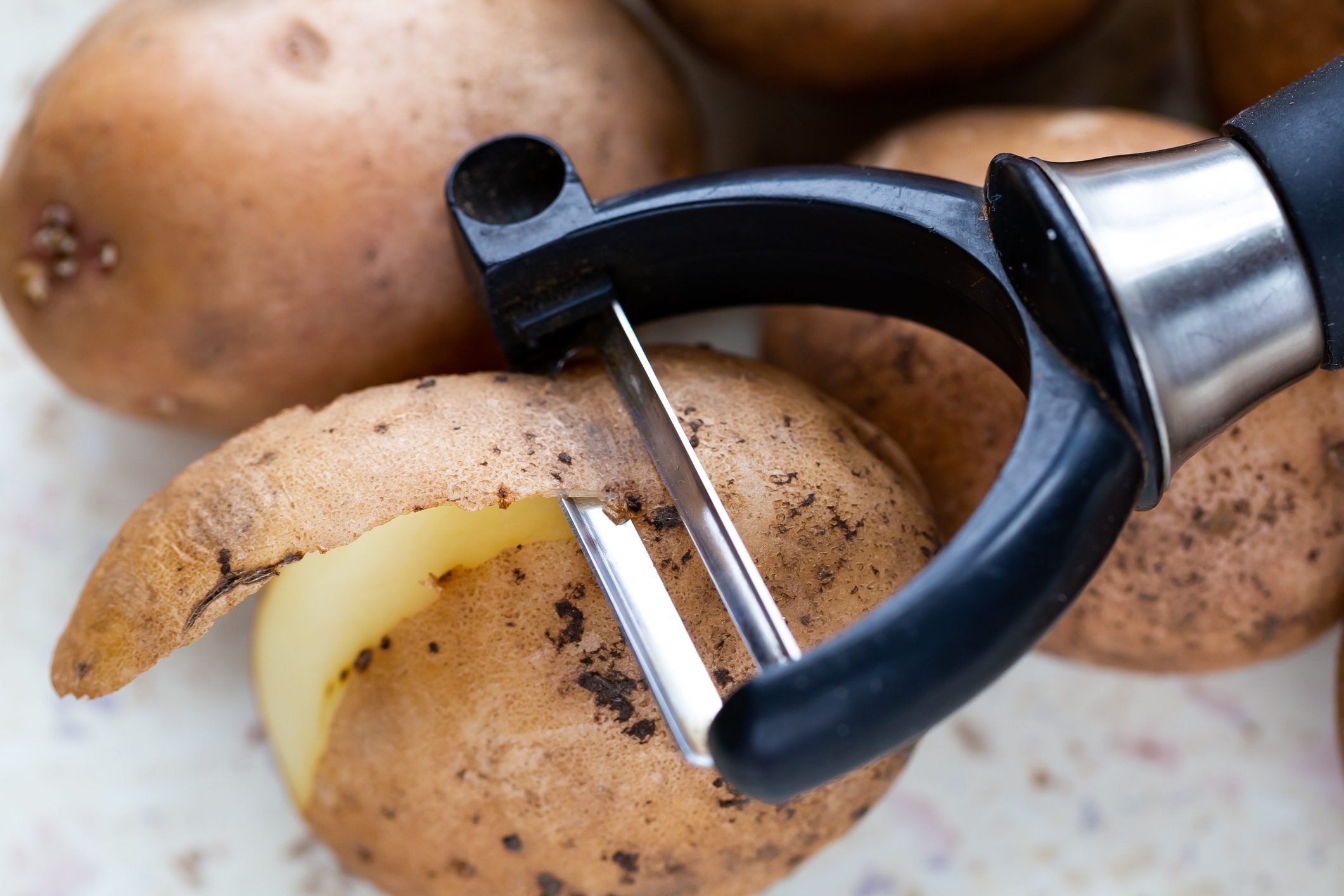
Dried potato or squash skin can cling to the blade like glue. Do not force it off with your fingernail. That is an easy way to cut yourself.
Soak the peeler in warm, soapy water for five to ten minutes. Keep the handle above the water if it contains wood, a battery, or a moving mechanism that should not be submerged.
After soaking, use a soft brush to loosen the residue. Brush in short strokes and work from the back of the blade. Rinse the peeler well, then dry it fully.
For sticky residue from fruit, a small amount of baking soda mixed with water can make a mild paste. Apply it with a soft cloth, rub gently, and rinse well. Avoid this method on delicate coated blades unless the manufacturer approves it.
For mineral spots, wipe the blade with diluted white vinegar. Use equal parts vinegar and water, and leave it on the metal for only a few minutes. Rinse and dry the peeler right away.
Do not mix vinegar with bleach or other cleaning chemicals. Harmful fumes can form.

How to Clean a Vegetable Peeler in the Dishwasher
Some peelers are dishwasher safe, but not all of them are. Check the packaging, handle markings, or care instructions before placing one in the dishwasher.
Dishwasher-safe peelers usually have stainless steel and plastic parts. Place the peeler in a utensil basket with the blade facing down or in a safe position. Make sure it cannot move into contact with other sharp tools.
Keep these points in mind:
• Do not put wooden-handled peelers in the dishwasher.
• Avoid the dishwasher for peelers with glued parts or delicate coatings.
• Remove the peeler soon after the cycle ends.
• Dry any remaining water by hand.
• Check the blade and hinge for trapped food.
High heat and strong detergent can fade plastic, loosen handles, or dull some blades. A dishwasher may clean the surface, but it does not remove the need for inspection.
When in doubt, hand wash the tool. Hand washing is often gentler and takes less time than replacing a damaged peeler.
How to Clean Different Types of Vegetable Peelers
The material and design affect the best cleaning method. A few small changes can prevent damage.
Stainless steel peelers
Stainless steel is durable and easy to wash. Clean it with warm water, mild soap, and a soft brush. Dry it after every wash to reduce water spots and rust risk.
Stainless steel does not mean stain-proof. Salt, acids, and moisture can still cause discoloration on lower-grade steel or around joints.
Ceramic peelers
Ceramic blades resist rust, but they can chip or break if dropped. Wash them with a soft sponge and avoid contact with heavy pans or other tools.
Never use a chipped ceramic peeler. Small fragments can break off into food, and a damaged blade may be unsafe.
Plastic peelers
Plastic handles are simple to clean, but they can hold odors if food oil gets into small seams. Soak the tool briefly, brush the seams, and rinse it well.
Inspect plastic for cracks. Cracks can trap residue and may make the handle unsafe to use.
Wooden-handled peelers
Wood should not sit in water for long. Wash it quickly, wipe it dry, and let it air-dry fully before placing it in a drawer.
Do not put a wooden-handled peeler in the dishwasher. Long exposure to heat and water can split the wood or loosen the blade.
Swivel peelers
Swivel designs have moving parts where food can collect. Move the blade gently while rinsing, then use a small brush around both ends.
Do not force the mechanism. If it feels stiff after cleaning, dry it fully and check for trapped scraps.

How to Sanitize a Vegetable Peeler Safely
Cleaning removes food and dirt. Sanitizing reduces germs after cleaning. In most home kitchens, careful washing with hot, soapy water is enough for everyday use.
You may want extra sanitation after the peeler touches spoiled produce, animal food, or a surface that may be contaminated. Always clean the peeler first. Sanitizer works poorly when grease and food cover the surface.
Use only a food-safe sanitizer that lists kitchen utensils on its label. Follow the product directions for dilution, contact time, and rinsing. Never guess the strength.
Do not pour undiluted bleach on a peeler. Do not mix bleach with vinegar, ammonia, or dish soap. These combinations can create dangerous gases.
After sanitizing, allow the tool to dry fully. Moist storage can undo much of your cleaning work by creating a damp place for odors and microbes to remain.
Common Mistakes to Avoid
Small mistakes can damage the peeler or cause an injury. Keep these habits in mind when learning how to clean a vegetable peeler.
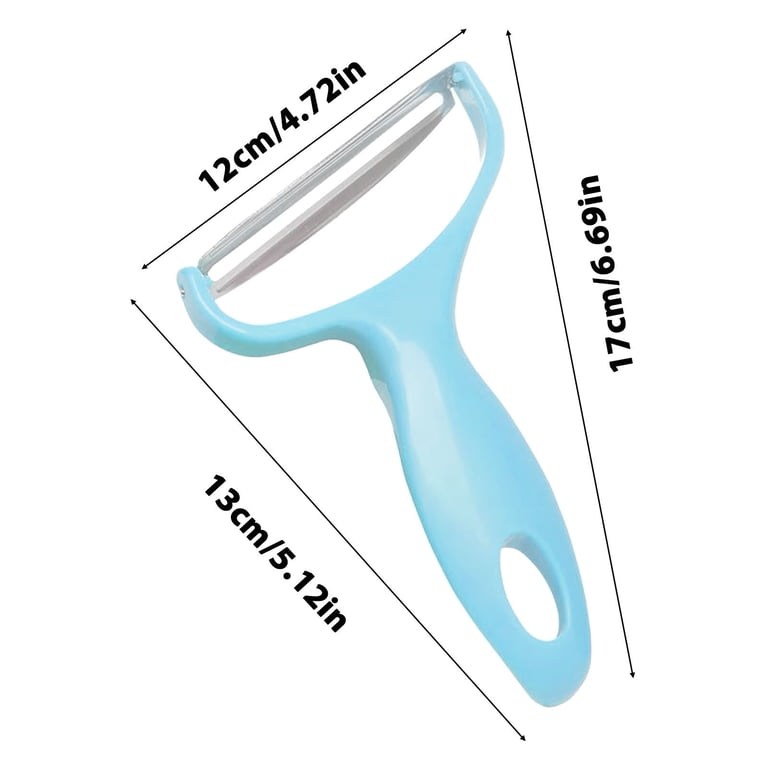
• Do not scrub toward your fingers. Keep the blade pointed away from your hand.
• Do not leave food stuck on the blade overnight. Dried scraps take more effort to remove.