How To Make Popcorn Without Oil: Easy Stovetop Guide
You can make popcorn without oil by using an air popper, dry pot, or vented microwave bowl.
Learning how to make popcorn without oil is simple once you understand how heat turns moisture inside each kernel into steam. I have tested several oil-free methods in a home kitchen, and the best results come from steady heat, frequent shaking, and fresh kernels. This guide explains each method, common mistakes, seasoning ideas, safety tips, and ways to keep your popcorn crisp and tasty.

Why Make Popcorn Without Oil?
Oil-free popcorn is a useful choice if you want a lighter snack or need to avoid added fats. Plain air-popped popcorn contains fiber and can fit into many balanced eating plans. The final nutrition depends on the toppings, serving size, and other ingredients you add.
Popcorn is a whole grain. Three cups of plain air-popped popcorn contain about 90 to 100 calories, according to standard food nutrition data. That number rises quickly with butter, cheese, caramel, or sugary coatings.
Making popcorn without oil also helps you control the ingredients. You can choose low-sodium seasonings, avoid dairy, or create a snack that suits vegan and allergy-aware diets.
Still, oil does provide flavor and helps seasonings stick. Oil-free popcorn may taste dry unless you add moisture-based toppings, finely ground spices, or a light mist of water or cooking spray.

The Best Ways to Make Popcorn Without Oil
There are three reliable methods for making popcorn without oil:
- Use a hot-air popper.
- Cook the kernels in a dry pot on the stove.
- Microwave the kernels in a vented, microwave-safe bowl.
Each method works in a different way. A hot-air popper is the easiest and most consistent. A dry pot needs more attention but gives the popcorn a toasted taste. A microwave bowl is fast and convenient.
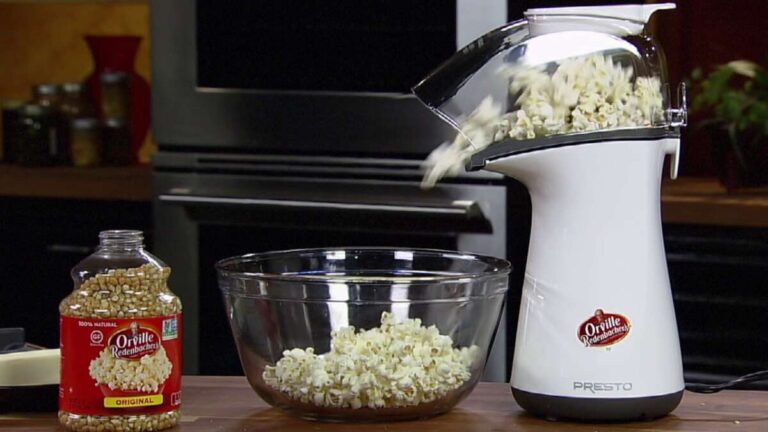
Method 1: Use an Air Popper
An air popper uses hot air instead of oil. It is often the simplest answer to how to make popcorn without oil.
What you need
• ½ cup popcorn kernels
• An air popper
• A large bowl
• Salt or other seasonings
Steps
- Place the air popper on a stable, heat-safe surface.
- Put the recommended amount of kernels into the popping chamber.
- Place a large bowl under the chute.
- Turn on the machine.
- Wait until the popping slows to about two seconds between pops.
- Turn off the popper and season the popcorn in the bowl.
Do not overfill the machine. Too many kernels can block airflow and lead to burned popcorn or unpopped kernels. Follow the amount listed in the appliance instructions.
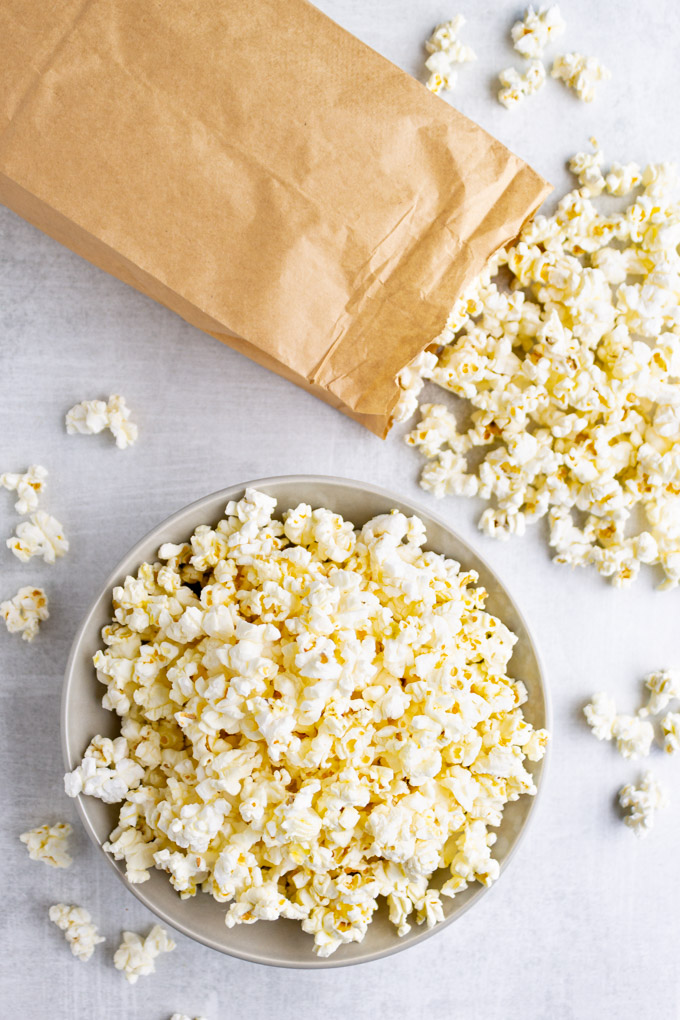
Air-popped popcorn can be very light and crisp. It may not have the roasted flavor of stovetop popcorn, but it is the most dependable method for beginners.
Method 2: Use a Dry Pot on the Stove
Dry popping on the stove requires no oil, but it needs close attention. A heavy pot with a lid works best because it spreads heat more evenly.
What you need
• ⅓ cup popcorn kernels
• A heavy pot with a lid
• Oven mitts
• A large bowl
Steps
- Add the kernels to the dry pot.
- Cover the pot with the lid.
- Set the burner to medium heat.
- Shake the pot gently every few seconds.
- Keep the lid slightly vented if the design allows it.
- Remove the pot from the heat when popping slows.
- Pour the popcorn into a bowl at once.
The kernels must move across the hot surface. If they sit in one place, they can scorch before they pop. Keep the pot moving with short, careful shakes while holding the lid firmly.
In my kitchen tests, a heavy stainless steel pot worked better than a thin saucepan. The thin pan created hot spots, which caused a few kernels to burn before the rest opened.
Method 3: Use a Microwave-Safe Bowl
A microwave is another practical way to make popcorn without oil. Use a large microwave-safe glass or ceramic bowl with a vented cover. Never seal the bowl tightly because steam must escape.
What you need
• ¼ cup popcorn kernels
• A large microwave-safe bowl
• A microwave-safe vented lid or microwave-safe plate
• Oven mitts
Steps
- Add the kernels to the bowl.
- Cover the bowl with a vented lid or place a plate loosely over it.
- Microwave on high for two to four minutes.
- Stop the microwave when popping slows to about two seconds between pops.
- Carefully remove the bowl because it may be hot.
- Season the popcorn after it cools slightly.
Microwave power levels vary. Start with two minutes and add short bursts if needed. Do not walk away, as popcorn can burn quickly near the end of the cycle.
Avoid using a sealed glass jar, plastic container not labeled for microwave use, or a regular paper bag. These items can trap steam, melt, or catch fire.

How to Make Popcorn Without Oil on the Stove
Dry stovetop popping deserves extra care because it is the method most likely to burn. The goal is to heat the kernels evenly while keeping them in motion.
Start with fresh popcorn kernels. Old kernels may have lost too much moisture to pop well. Each kernel needs a small amount of internal water. As it heats, that water becomes steam and creates pressure inside the hard shell.
Use medium heat rather than high heat. High heat may seem faster, but it can blacken the outside of the kernels before enough pressure builds inside. Medium heat gives the kernels time to warm through.
Shake the pot every five to ten seconds. Hold the lid in place while you move the pot from side to side. If the pot becomes too hot, lift it from the burner for a few seconds while continuing to shake.
A small amount of unpopped corn is normal. If more than one-quarter of the kernels remain unpopped, the kernels may be old, the heat may be uneven, or the pot may not have been moved enough.
How to Make Popcorn Without Oil in the Microwave
The microwave heats the moisture inside the kernel directly. This makes it a fast option, but it also means timing matters.
Use a bowl that is much larger than the amount of kernels. Popped corn expands several times beyond its original volume. A bowl that looks large at the start can overflow near the end.
Do not add water to the bowl. Water may create excess steam, soften the popcorn, and make the container dangerously hot. The kernels already contain enough moisture when they are fresh.
Microwave the kernels until the popping slows. Do not wait for every kernel to pop. The last few kernels often need more heat than the popped corn can safely tolerate, so waiting may burn the batch.
Use oven mitts when removing the bowl. Steam can escape as soon as you lift the cover, and the bowl may be hotter than it looks.
:max_bytes(150000):strip_icc()/__opt__aboutcom__coeus__resources__content_migration__serious_eats__seriouseats.com__2018__09__20180906-popcorn-methods-vicky-wasik-kernels-text-1500x1125-a3ab8143a81445cc811807082f4004ca.jpg)
How to Keep Oil-Free Popcorn Crisp
Freshly popped popcorn can become chewy when it absorbs moisture from the air. Serve it soon after cooking for the best texture.
If you need to store it, let it cool fully first. Then place it in an airtight container at room temperature. Do not refrigerate it, since cold storage can introduce moisture and soften the popcorn.
These steps help preserve crunch:
• Use fresh kernels.
• Avoid adding wet toppings until serving.
• Cool the popcorn before sealing the container.
• Store it away from steam, sunlight, and heat.
• Eat it within one or two days for the best texture.
A paper bowl or open container works well for short serving periods. For longer storage, an airtight glass or food-safe plastic container is better.

Oil-Free Popcorn Seasoning Ideas
Seasoning popcorn without oil can be tricky because dry spices may fall to the bottom of the bowl. The solution is to use very fine powders or a small amount of moisture.
Try these combinations:
• Fine sea salt and smoked paprika
• Nutritional yeast and garlic powder
• Cinnamon and a small amount of powdered sugar
• Chili powder, lime zest, and a pinch of salt
• Black pepper and finely grated Parmesan
• Dried dill, onion powder, and nutritional yeast
• Cocoa powder and cinnamon for a lightly sweet snack
For better coverage, toss the popcorn while it is still warm. You can also mist it lightly with water using a clean spray bottle, then add the seasoning at once. Use very little water because too much will make the popcorn soggy.
A small amount of pickle juice, lemon juice, or hot sauce can add strong flavor, but these liquids should be used sparingly. Add them drop by drop while tossing the popcorn.
Nutritional yeast is especially useful for oil-free popcorn. It has a dry, savory taste and clings better than many large seasoning flakes.

Common Mistakes to Avoid
When people ask how to make popcorn without oil, they often focus only on the heat. Kernel quality, pot size, timing, and steam control matter just as much.
Using high heat
High heat can burn the kernels and leave many pieces unpopped. Medium heat is slower but more even.
Filling the pot too much
A crowded pot prevents the kernels from moving. Use a single layer when possible.
Leaving the lid fully sealed
A sealed lid traps steam. Some steam is useful during cooking, but too much moisture can soften the popcorn and raise pressure inside the container.
Waiting for every kernel to pop
The final kernels may never pop without burning the first batch. Stop when the popping slows.
Adding wet toppings too early
Liquid toppings can turn crisp popcorn soft. Add them just before eating.
Using old kernels
Old kernels often have less moisture inside. Store kernels in a sealed container in a cool, dry place, but do not expect very old kernels to pop perfectly.
In my early dry-pot tests, I made the common mistake of turning the burner too high. The popcorn popped quickly, but the bottom layer burned. Lower heat and constant movement produced a much better batch.

Is Popcorn Without Oil Healthy?
Popcorn without oil can be a nutritious snack, especially when it is plain or lightly seasoned. It provides whole-grain carbohydrates and fiber, which can support fullness as part of a balanced diet.
The word “healthy” depends on the full recipe. A large amount of salt, sugar, cheese, or candy coating can change the nutrition quickly. Portion size also matters.
A practical serving is about three cups of popped popcorn. Pair it with fruit, yogurt, nuts, or another food if you want a more filling snack.
People with dental problems should be careful with hard, unpopped kernels. Anyone managing a medical diet should check the ingredients in seasoning blends, especially for sodium, dairy, or added sugar.
How Much Popcorn Should You Make?
A useful starting point is:
• 2 tablespoons of kernels make about 4 to 5 cups of popcorn.
• ¼ cup of kernels makes about 7 to 8 cups.
• ⅓ cup of kernels makes about 9 to 11 cups.
• ½ cup of kernels makes about 14 to 16 cups.
The final amount varies with kernel type, age, cooking method, and how many kernels remain unpopped. If you are making popcorn for one person, 2 to 3 tablespoons of kernels is often enough.
Make smaller batches if you use a dry pot. Smaller batches are easier to move and less likely to burn.
Safety Tips for Oil-Free Popcorn
Popcorn is easy to make, but hot steam and containers can cause burns. Keep children away from the stove, microwave, and hot bowl during cooking.
Follow these safety rules:
• Use only microwave-safe bowls and covers.
• Never seal a microwave container tightly.
• Keep your face away from escaping steam.
• Hold the pot lid firmly while shaking.
• Stop cooking when popping slows.
• Remove unpopped kernels before serving to young children.
• Do not place a hot bowl on a surface that can melt or crack.
Never put popcorn kernels in a sealed jar in the microwave. Pressure can build inside the jar and cause it to break.
Frequently Asked Questions About How to Make Popcorn Without Oil
Can you make popcorn without oil in a regular pot?
Yes, you can dry-pop kernels in a heavy pot with a lid. Use medium heat, shake the pot often, and remove it from the burner when popping slows.
What is the easiest way to make popcorn without oil?
An air popper is usually the easiest method. It uses hot air, requires little monitoring, and produces crisp popcorn without added fat.
Can you make popcorn without oil in the microwave?
Yes. Place kernels in a large microwave-safe bowl, cover it loosely or use a vented lid, and cook until the popping slows. Never use a sealed container.