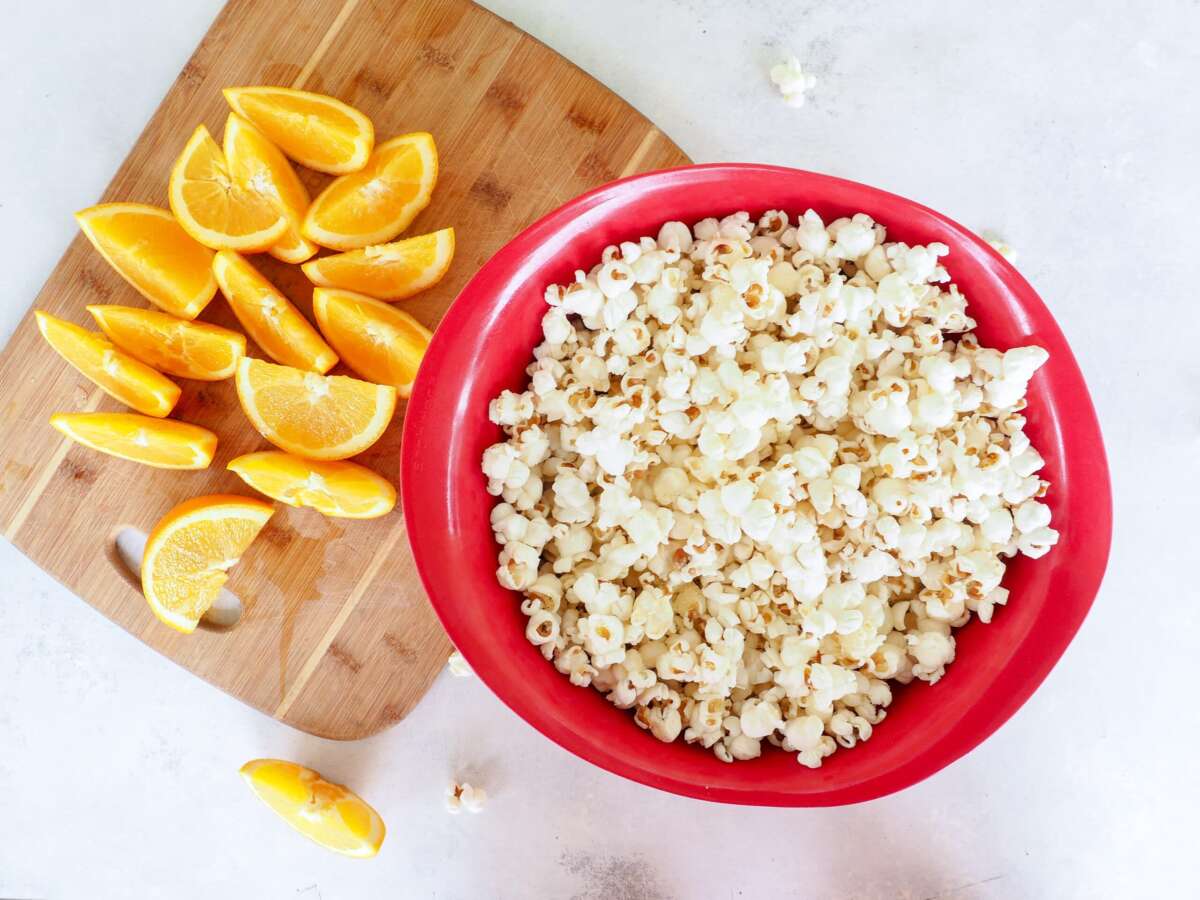
How To Make Air Popped Popcorn: Easy, Healthy Guide
Air popped popcorn needs only dry kernels, hot air, and a few minutes to make a light, crunchy snack.
Learning how to make air popped popcorn is simple, but small details matter. The right heat, a dry bowl, and careful timing can help you avoid burnt kernels and chewy popcorn. This guide shares tested kitchen tips, easy seasoning ideas, nutrition facts, and safe methods for making crisp air popped popcorn at home.
What Is Air Popped Popcorn?
Air popped popcorn is made by heating popcorn kernels with hot air instead of oil. As the kernel heats, its small amount of water turns into steam. Pressure builds inside the hard shell until the kernel bursts into the fluffy snack we know as popcorn.
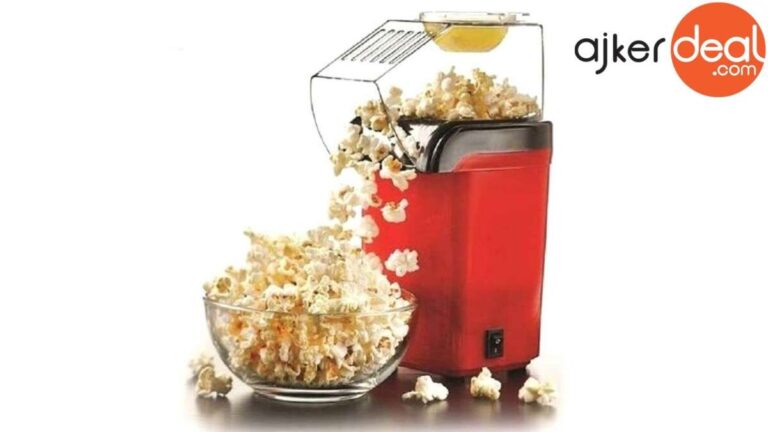
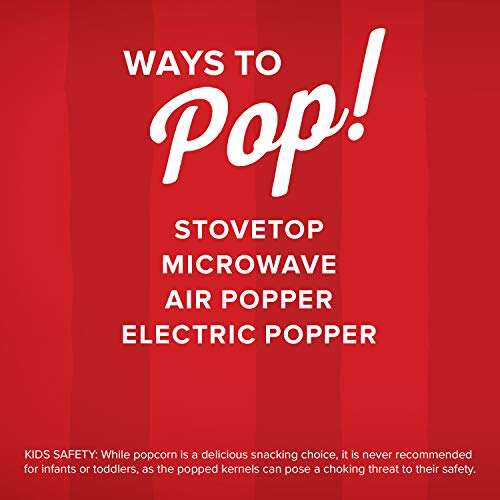
An air popper is the fastest tool for the job. It has a heating chamber and a fan that moves hot air around the kernels. You can also make air popped popcorn in a microwave or on the stovetop without oil, although those methods need closer attention.
Air popped popcorn is naturally low in fat because no oil is used during popping. The final calorie count depends on the amount of popcorn and the toppings you add. Plain popcorn also provides fiber, according to nutrition data from the U.S. Department of Agriculture.
:max_bytes(150000):strip_icc()/__opt__aboutcom__coeus__resources__content_migration__serious_eats__seriouseats.com__2018__09__20180906-popcorn-methods-vicky-wasik-kernels-text-1500x1125-a3ab8143a81445cc811807082f4004ca.jpg)
What You Need to Make Air Popped Popcorn
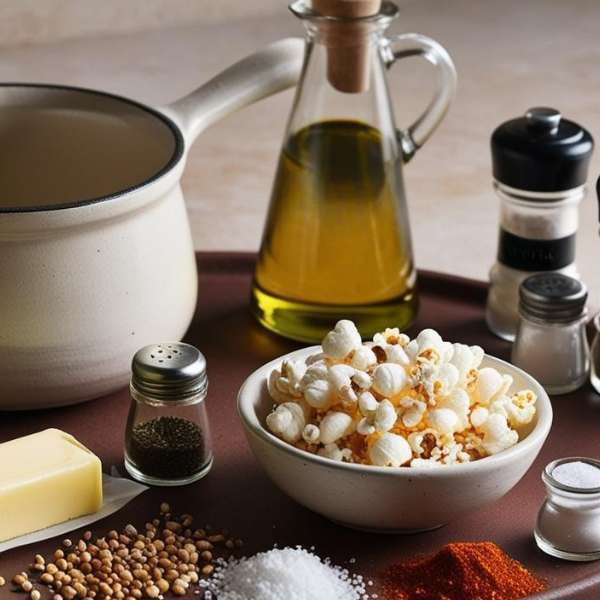
The ingredient list is short. Good results come from using fresh kernels and the right equipment.
Basic ingredients
• ¼ cup popcorn kernels, which makes about 6 cups of popped popcorn
• Fine salt or another seasoning, added after popping
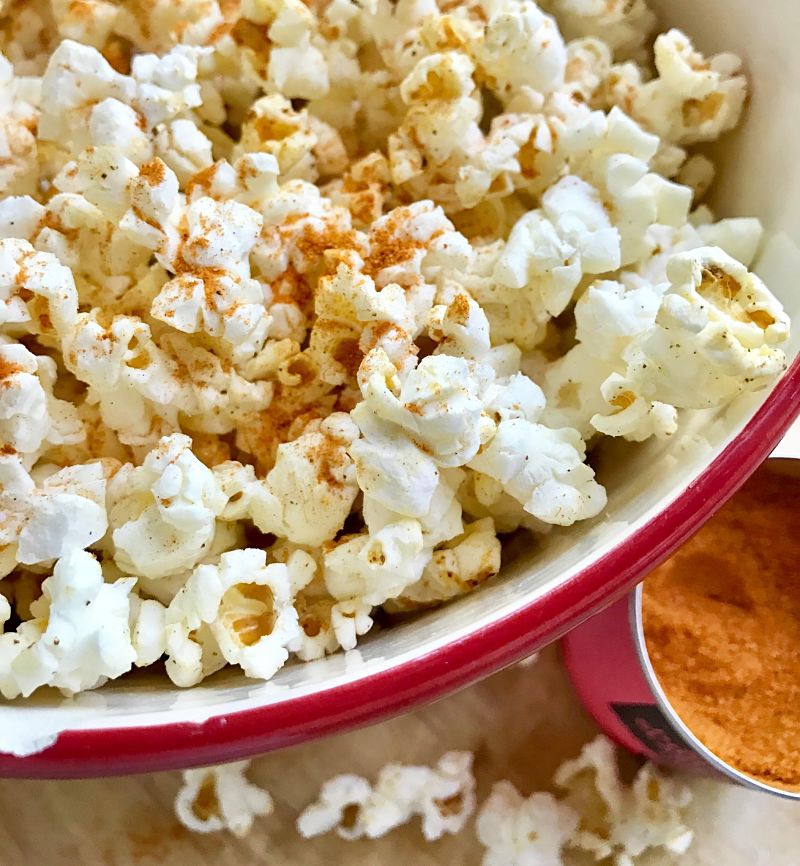
• Optional toppings, such as melted butter, olive oil spray, nutritional yeast, cinnamon, or grated cheese
Useful equipment
• Electric air popper
• Large heat-safe bowl
• Measuring cup
• Clean kitchen towel or oven mitt
• Small spoon or shaker for seasoning
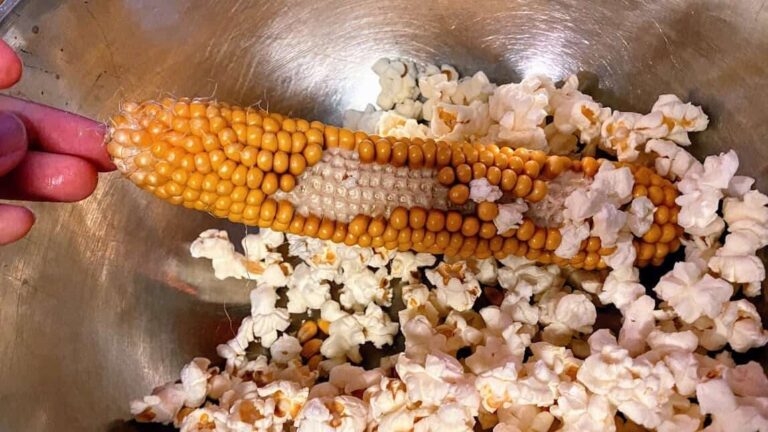
Use popcorn kernels made for popping. Do not use cooked popcorn, canned corn, frozen corn, or regular sweet corn. Each type has a different moisture level and will not produce the same result.
Fresh kernels usually pop better than old, dry kernels. Popcorn needs some moisture inside the shell to create steam. If the kernels are too dry, many may stay hard and unpopped.

How to Make Air Popped Popcorn With an Air Popper
An electric air popper is the easiest and most reliable way to make air popped popcorn. Follow these steps for a fluffy batch.
-
Place the air popper on a stable, dry counter.
-
Set a large bowl under the chute. Use a bowl with enough space for the popcorn to expand without spilling.
-
Measure ¼ cup of popcorn kernels. Do not add oil, butter, salt, or water to the popping chamber.
-
Pour the kernels into the chamber.
-
Turn on the air popper. Most machines begin popping within one to three minutes.
-
Listen as the kernels pop. When the pops slow to about two seconds apart, turn off the machine.
-
Unplug the popper and let it cool before cleaning.
-
Add your seasonings to the bowl. Toss gently so the toppings spread across the popcorn.
Avoid overfilling the machine. More kernels do not always mean more popcorn. Too many kernels can block airflow, cause uneven heating, and leave you with burnt pieces mixed with hard kernels.
The first time I tested a new air popper, I used the largest amount allowed because I wanted one big bowl. The popcorn rose quickly and pushed pieces toward the top of the chute. A smaller batch cooked more evenly and tasted much fresher.
:max_bytes(150000):strip_icc()/__opt__aboutcom__coeus__resources__content_migration__serious_eats__seriouseats.com__2018__09__20180906-popcorn-methods-vicky-wasik-popped-text-1500x1125-96d0c6514efe421baca62b9caa22711c.jpg)
How to Make Air Popped Popcorn Without a Machine
You can make air popped popcorn without a countertop popper. A microwave-safe bowl or a heavy pot can work, but these methods are not exactly the same as using a true air popper.
Microwave method
Use a large, microwave-safe glass bowl with a loose-fitting, vented lid. Do not seal the bowl. Steam must escape, and a sealed container can build dangerous pressure.
-
Add ¼ cup of popcorn kernels to the bowl.
-
Cover the bowl with a vented lid or a microwave-safe plate placed slightly off-center.
-
Microwave on high for two to four minutes.
-
Stop the microwave when the pops slow to about two seconds apart.
-
Carefully remove the bowl. It may be hot, and steam can escape when you lift the cover.
-
Season and serve.
Microwave power varies. Start with two minutes and add short bursts if needed. Stay near the microwave while the kernels pop. Do not use a sealed plastic container or a paper bag unless it is clearly labeled for microwave popcorn use.
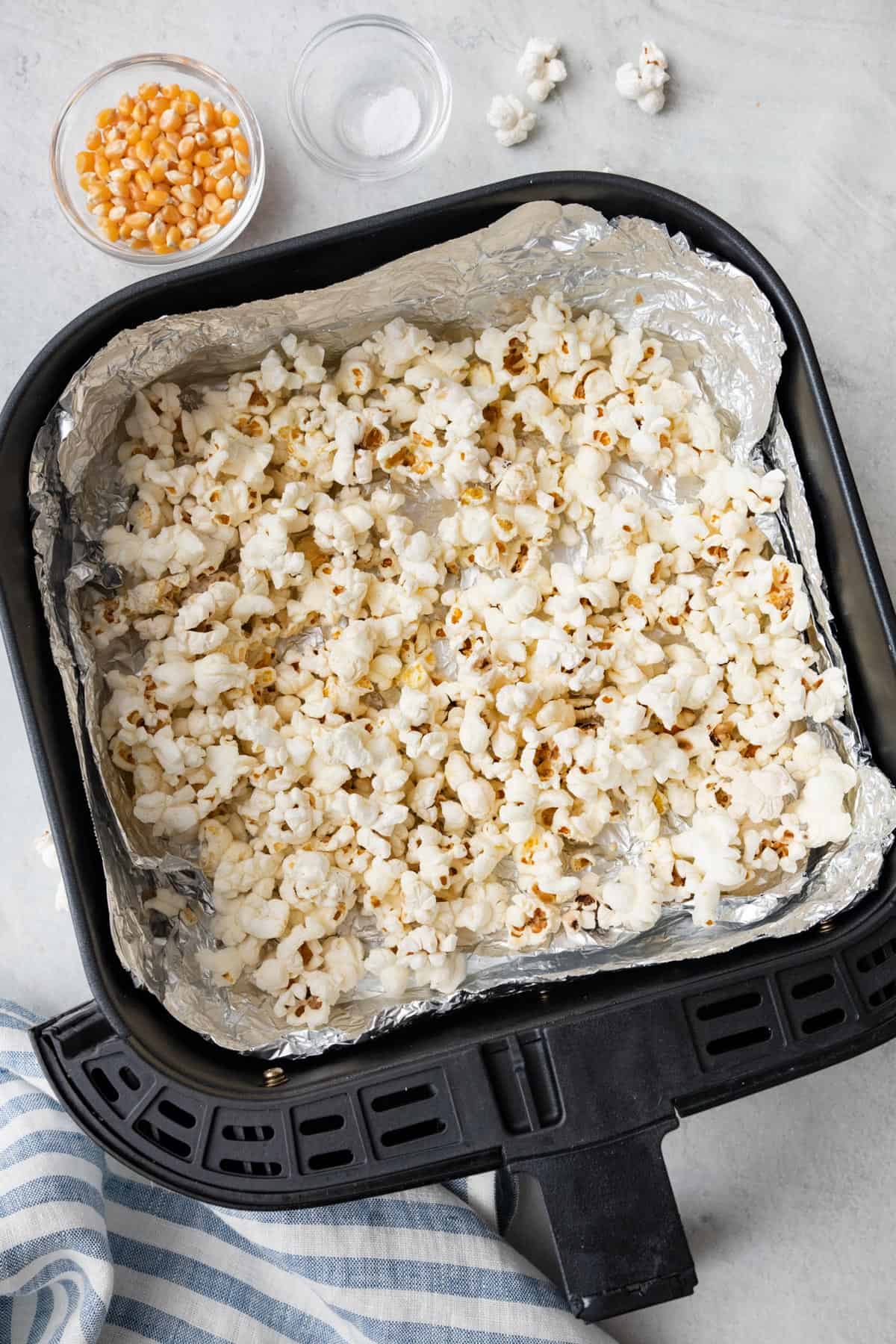
Stovetop dry method
A heavy pot with a tight lid can make popcorn without oil, but it takes more care.
-
Place the empty pot over medium heat.
-
Add two or three kernels and cover the pot.
-
When those test kernels pop, add the remaining kernels.
-
Cover the pot and lift it from the heat for about 30 seconds.
-
Return it to medium heat.
-
Hold the lid firmly and shake the pot every few seconds.
-
Remove the pot when popping slows.
This method may produce more unpopped kernels than an air popper. Without oil, the kernels can also scorch faster, so medium heat works better than high heat.
How to Get Crisp, Fluffy Popcorn
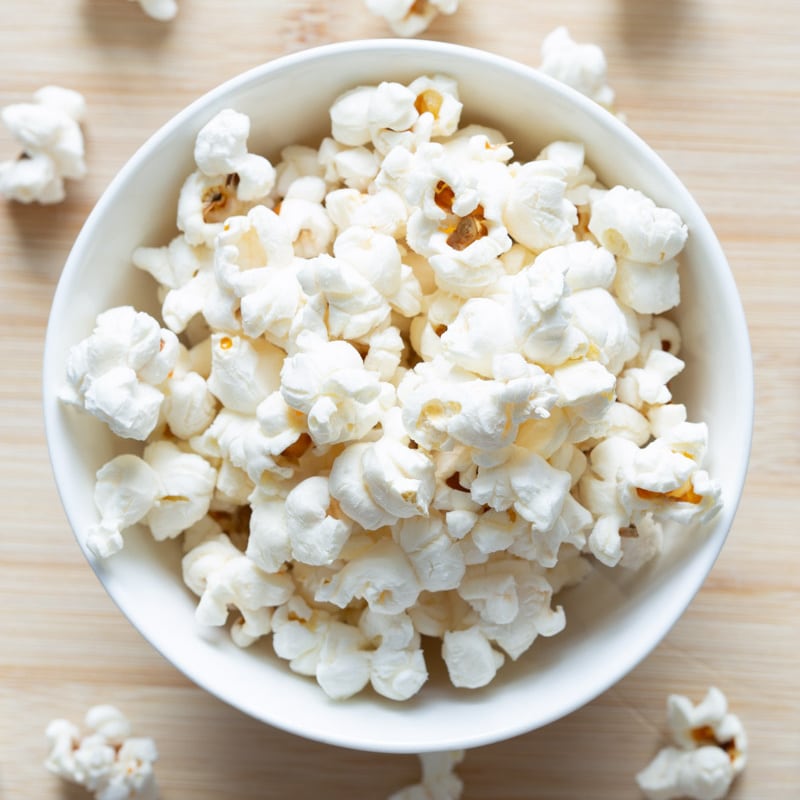
Crisp popcorn has a light bite. Chewy popcorn often contains extra moisture or sits under steam for too long. These simple changes can improve the texture.
• Use fresh kernels with a good moisture balance.
• Preheat the air popper if the instructions recommend it.
• Keep the popping chamber dry.
• Use a wide bowl instead of a narrow container.
• Remove the popcorn from the heat as soon as popping slows.
• Do not cover hot popcorn for a long time.
• Add wet toppings just before serving.
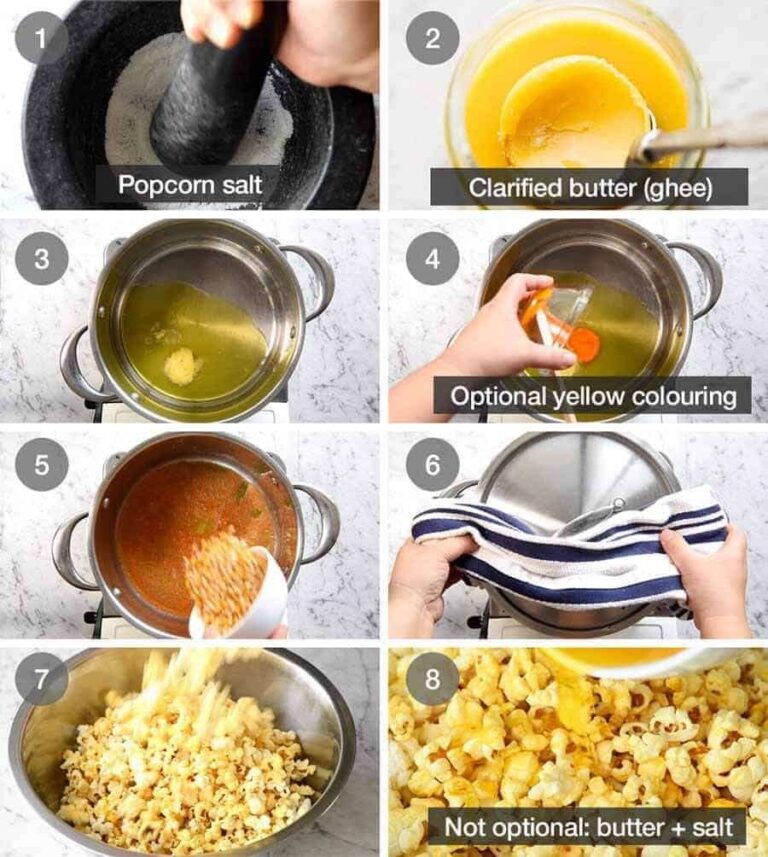
Butter and sauces can soften popcorn if they sit on it too long. For the best crunch, melt butter separately and drizzle it in a thin stream while tossing the popcorn. A light coating works better than pouring a large amount into one spot.
Fine salt sticks better than coarse salt. You can also grind regular salt in a clean spice grinder. This creates a fine powder that spreads more evenly across the popcorn.
One common mistake is seasoning only the top layer. Toss half of the popcorn with half of the seasoning, then add the rest and toss again. This gives each handful a more balanced flavor.
Healthy Seasoning Ideas for Air Popped Popcorn
Plain air popped popcorn is mild, so it works well with both sweet and savory flavors. The best topping depends on your diet and taste.
Savory ideas
• Nutritional yeast and garlic powder for a cheesy flavor
• Smoked paprika and a small amount of fine salt
• Black pepper and grated Parmesan
• Chili powder, cumin, and lime zest
• Dried herbs with a light olive oil mist
Sweet ideas
• Cinnamon and a small amount of sugar
• Cocoa powder with powdered peanut butter
• Maple sugar and a pinch of salt
• Pumpkin spice with a little brown sugar
Rich toppings
• Melted butter
• Ghee
• Olive oil
• Coconut oil
• Cheese powder
Toppings add calories, sodium, sugar, or saturated fat. If you want a lighter snack, start with a teaspoon of oil or butter for a large bowl and adjust from there. People with high blood pressure may also want to limit salty seasoning.
Air popped popcorn is not automatically a healthy choice when it is covered with butter, caramel, or cheese sauce. The popcorn itself can be a wholesome base, but the toppings shape the final nutrition profile.

Air Popped Popcorn Nutrition and Benefits
Popcorn is a whole grain when it is eaten in its natural form. It contains carbohydrates, fiber, and small amounts of protein and minerals. The air popping process does not add fat, which makes plain popcorn a useful option for people seeking a lighter snack.
A serving can feel filling because popcorn has a large volume compared with its weight. This may help satisfy the urge to eat something crunchy. Still, portion size matters, especially when adding oil, butter, sugar, or cheese.
Possible benefits include:
• Whole grain content
• Dietary fiber
• Low fat when served plain
• Large serving volume
• Easy storage and low cost
Popcorn is not suitable for every person. Young children can choke on whole popcorn, so follow age and feeding guidance from pediatric health professionals. People with digestive conditions may also need to adjust their fiber intake.
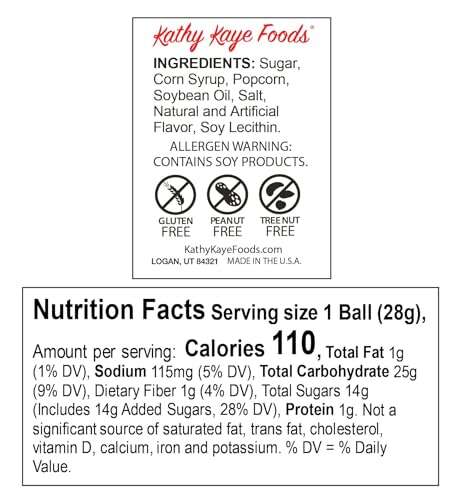
Nutrition labels vary by brand and serving size. For the most accurate count, measure the kernels before popping and record all toppings. A bowl made with ¼ cup of kernels will have a different calorie count from a bowl made with ½ cup.