How To Make Kettle Corn Popcorn: Easy Sweet Recipe
Make kettle corn popcorn with oil, popcorn kernels, sugar, and salt in one covered pot while shaking often.
Learning how to make kettle corn popcorn is simple, but the timing matters. The sugar must caramelize lightly without burning, while the kernels need enough heat to pop fully. This guide shares a tested stovetop method, useful safety tips, common mistakes, flavor ideas, and clear answers to help you make sweet and salty kettle corn at home.

What Is Kettle Corn?
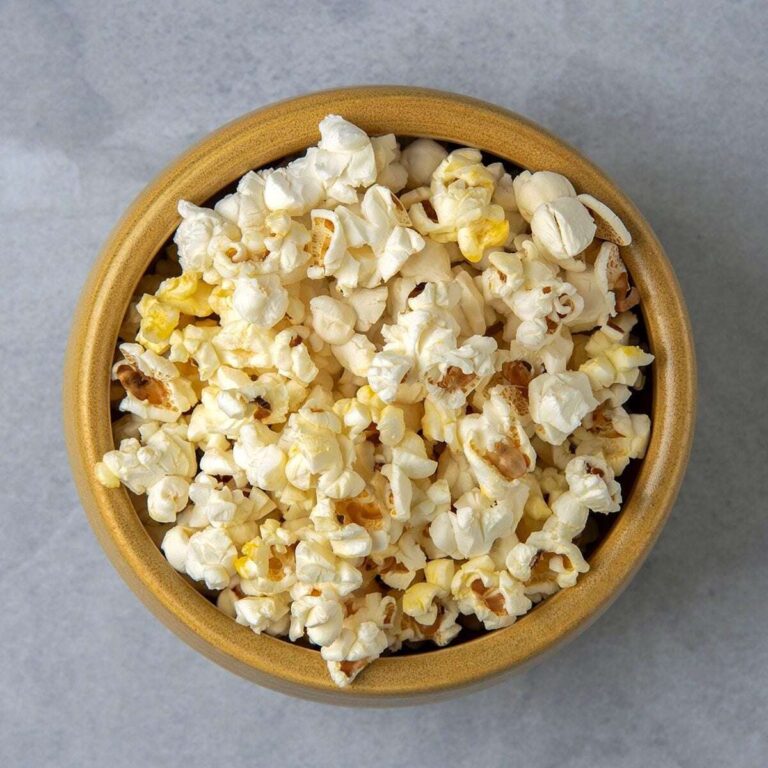
Kettle corn is popcorn cooked with sugar and salt at the same time. The sugar melts around the popped kernels and creates a thin, crisp coating with a light caramel taste.
Traditional kettle corn is less rich than caramel corn. It also tastes sweeter than plain salted popcorn. The goal is balance: each bite should have a little sweetness, a little salt, and a clean popcorn flavor.
The best kettle corn has:
• Lightly crisp sugar coating
• A sweet and salty taste
• Few or no burnt pieces
• Little unpopped corn
Kettle corn is often made in a large kettle at fairs and festivals. At home, a heavy pot or Dutch oven works well. Once you understand how to make kettle corn popcorn on the stovetop, you can prepare it in about 10 minutes.
Ingredients for Homemade Kettle Corn
You only need a few basic ingredients. Fresh ingredients help, but the cooking method has the greatest effect on the final result.
Basic recipe
This recipe makes about 8 cups of kettle corn.
• ½ cup popcorn kernels
• ¼ cup neutral cooking oil, such as canola, vegetable, avocado, or coconut oil
• ¼ cup granulated sugar
• ½ teaspoon fine salt, plus more to taste
• Optional: ⅛ teaspoon baking soda for a lighter coating
Use plain popcorn kernels rather than microwave popcorn. Microwave packets contain added fats, salt, and flavorings that can burn or overpower the sugar.
A neutral oil is best because it lets the popcorn and sugar stand out. Coconut oil can add a pleasant fair-style flavor, but use refined coconut oil if you prefer a mild taste.
Why the ingredient ratio matters
The equal ratio of kernels, oil, and sugar is easy to remember, but the measurements are not equal by volume. Too much oil can make the popcorn greasy. Too much sugar can create thick clumps and burnt spots.
For your first batch, follow the recipe closely. After that, you can reduce the sugar slightly or add more salt based on your taste.
How to Make Kettle Corn Popcorn on the Stove
The key to learning how to make kettle corn popcorn is controlling the heat. Use medium heat, keep the pot moving, and remove it from the burner before the sugar gets too dark.
Step 1: Choose the right pot
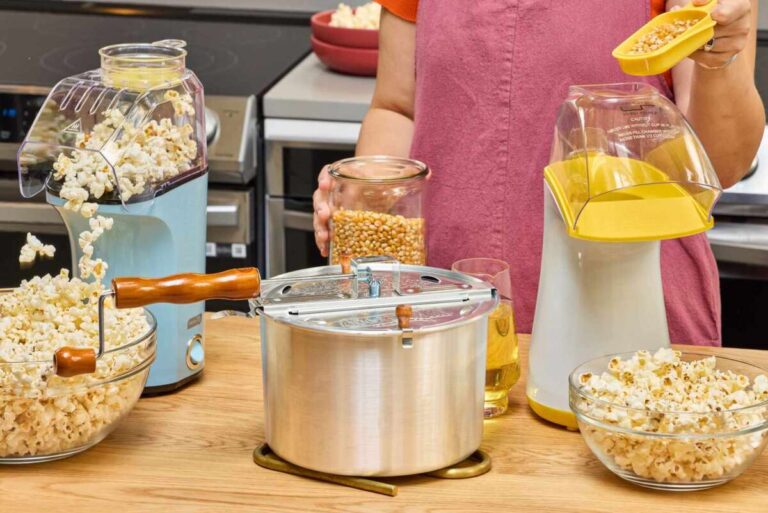
Use a large, heavy-bottomed pot with a lid. The pot should hold at least 4 quarts because popcorn expands several times as it cooks.
A thin pot can create hot spots. These spots may burn the sugar before all the kernels pop. A heavy Dutch oven spreads heat more evenly and gives you better control.
Step 2: Test the oil
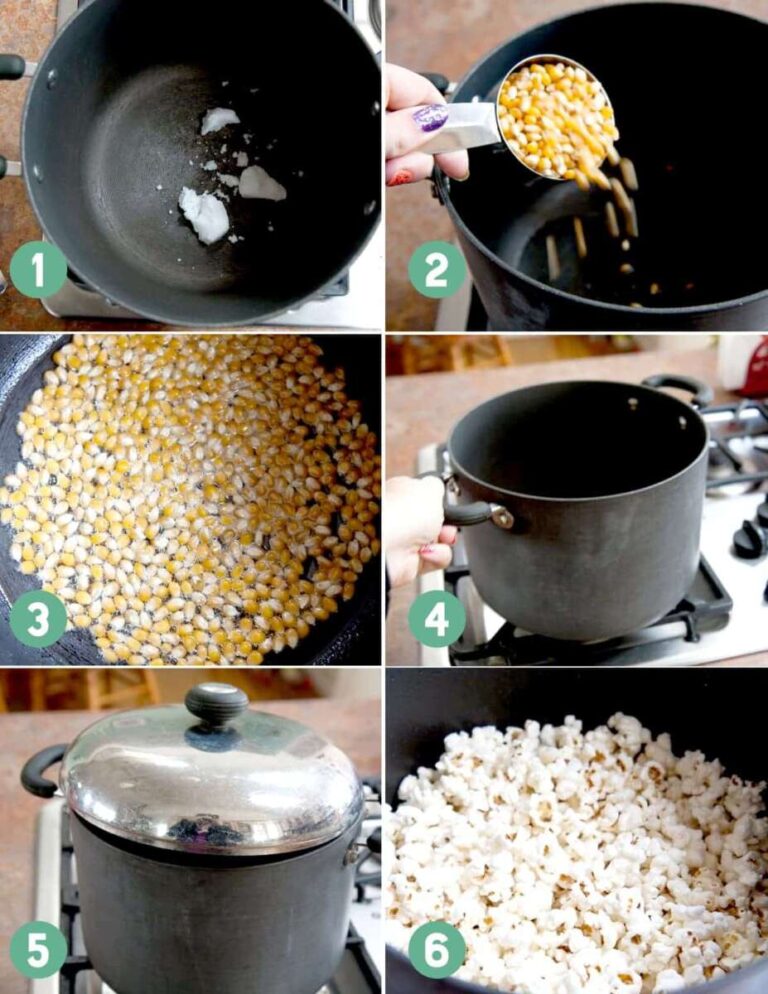
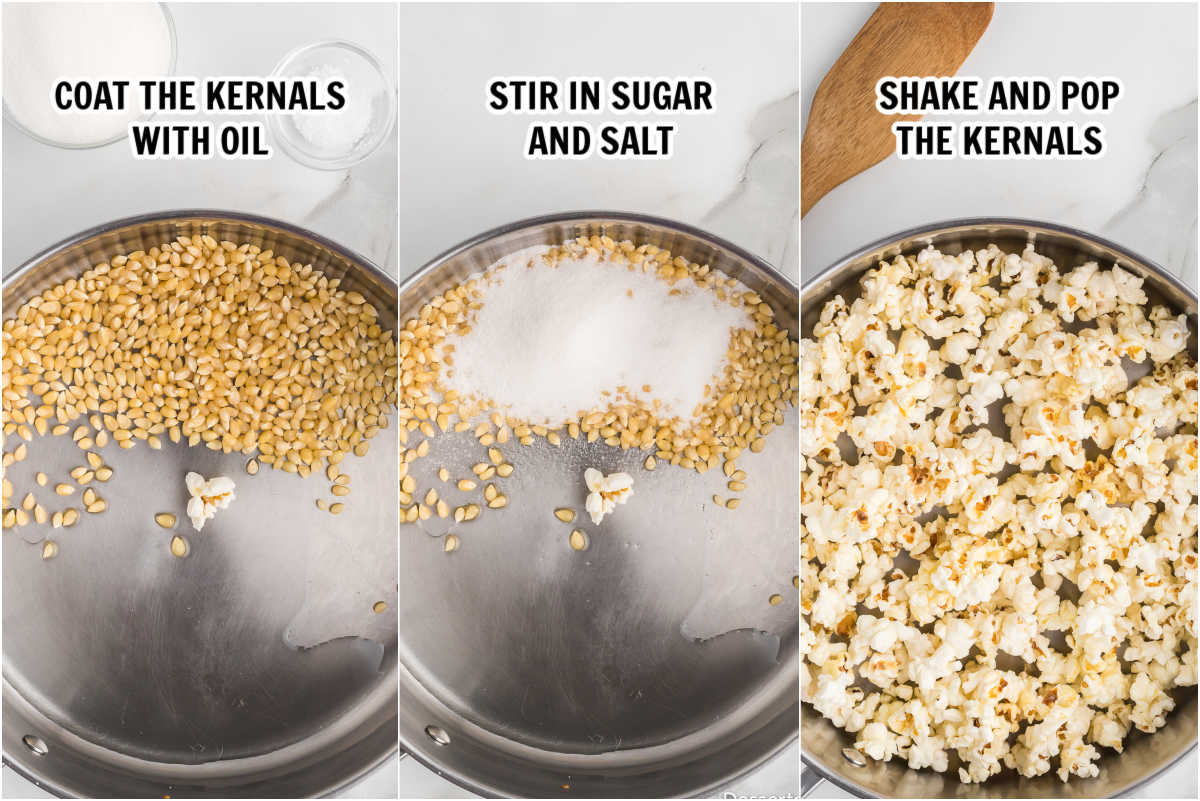
pour the oil into the pot and add three popcorn kernels. Cover the pot and place it over medium heat.
Wait until the test kernels pop. This shows that the oil is hot enough for the main batch. If the oil smokes, lower the heat and wait briefly. Smoking oil is too hot for this recipe.
Step 3: Add the kernels and sugar
Remove the pot from the heat for about 30 seconds. Add the remaining kernels, sugar, and salt.
Stir quickly with a heat-safe spoon. Spread the mixture into an even layer, then cover the pot. This short pause helps the sugar warm more gradually and lowers the chance of immediate scorching.
Step 4: Cook and shake the pot
Return the pot to medium heat. Hold the lid firmly and gently shake the pot every few seconds.
Use short back-and-forth movements. The shaking keeps the sugar from sitting on one hot area and helps coat the kernels with oil.
You should hear popping within a minute or two. Keep shaking as the popping becomes active. Leave the lid slightly open if your lid design allows safe venting, but do not create an opening large enough for hot sugar or oil to escape.
Step 5: Know when to stop
When the pops slow to about two seconds apart, remove the pot from the heat. Do not wait for every kernel to pop.
The sugar continues cooking from the pot’s stored heat. Leaving the pot on the burner too long can turn a good batch into bitter, blackened popcorn within seconds.
Immediately pour the kettle corn onto a parchment-lined baking sheet or a large bowl. Spread it out so the pieces cool instead of forming one large mass.
Step 6: Cool and season
Let the kettle corn cool for about 5 minutes. Break apart any large pieces with clean hands once the coating is safe to touch.
Taste the popcorn and add a little more fine salt if needed. If you want a lighter, less sticky coating, dust the popcorn with salt while it is still warm.
This careful process is the heart of how to make kettle corn popcorn without burning the sugar.
Tips for Better Kettle Corn Every Time
Small changes can make a major difference. These practical tips are useful when you are learning how to make kettle corn popcorn for the first time.
• Keep the heat at medium or medium-low. High heat cooks the sugar too fast.
• Use fresh popcorn kernels. Older kernels may contain less moisture and pop poorly.
• Shake the pot often. This spreads heat and helps prevent burnt sugar.
• Do not overfill the pot. The kernels need room to expand.
• Use fine salt. It sticks better than coarse salt.
• Pour the popcorn out right away. Residual heat can continue browning the sugar.
• Watch your hands. The pot, lid, oil, and sugar become very hot.
• Never taste the coating directly from the pot. Melted sugar can cause serious burns.
In my own kitchen tests, the most common mistake is waiting for every kernel to pop. That extra time usually burns the sugar. I get better results when I stop the batch while a few kernels still remain unpopped.
Another useful lesson is to prepare the cooling surface before you start. Once the popcorn begins popping, you have little time to search for parchment paper or a large bowl.
Common Kettle Corn Mistakes
Even a simple recipe can fail if the heat or timing is off. Here are the problems people see most often.
The sugar burns
Burnt sugar usually means the heat is too high, the pot is not shaken enough, or the popcorn stays on the burner too long.
Use medium heat and remove the pot when the popping slows. Dark brown sugar coating often tastes bitter, so it is better to stop early than late.
The popcorn turns chewy
Steam trapped under the lid can make the coating soft. Let the popcorn cool in a single layer so moisture can escape.
If your lid has a steam vent, use it. You can also leave the lid slightly open during the final stage, but only if hot kernels and sugar cannot escape.
The sugar does not coat the popcorn
The oil may not have been hot enough, or the mixture may not have been shaken well. Sugar needs even heat and movement to melt around the kernels.
Use a large pot and shake it from the start of the popping process. Avoid stirring with a spoon while the kernels are popping because the lid must stay in place.
Too many kernels remain unpopped
Old kernels may have lost moisture. Low heat can also prevent the kernels from reaching the pressure needed to pop.
Buy fresh kernels and store them in an airtight container at room temperature. Do not store popcorn kernels in the refrigerator, where changing moisture levels can affect their texture.
The popcorn tastes greasy
Too much oil is the usual cause. Measure the oil rather than pouring it freely.
If the finished popcorn still feels oily, spread it on paper towels for a minute. For the next batch, reduce the oil by one tablespoon.
Flavor Variations for Kettle Corn
Once you know how to make kettle corn popcorn, you can add flavors without changing the main method.
Cinnamon sugar kettle corn
Mix ½ teaspoon cinnamon with the sugar before cooking. Add a small pinch of nutmeg for a warm holiday flavor.
Do not add large amounts of dry spice to the pot because it can scorch. For a stronger taste, sprinkle extra cinnamon over the warm popcorn after cooking.
Spicy kettle corn
Add a pinch of cayenne pepper or chili powder to the sugar. Smoked paprika also works well and gives the popcorn a savory depth.
Start with a small amount. Heat becomes stronger as the seasoning spreads across the warm coating.
Maple-style kettle corn
Add a little maple sugar to the granulated sugar, or drizzle a small amount of maple syrup over the finished popcorn. Syrup adds moisture, so the popcorn will be softer and stickier.
For crisp results, use maple sugar instead of liquid syrup.
Chocolate kettle corn
Let the popcorn cool fully, then drizzle it with melted dark or semisweet chocolate. Allow the chocolate to set before serving.
Do not add chocolate to the cooking pot. It can scorch quickly and may make the popcorn difficult to clean from the pan.
Savory-sweet kettle corn
Add a pinch of garlic powder, smoked paprika, or nutritional yeast after cooking. These flavors pair well with the sugar and salt.
Keep savory seasonings dry. Wet sauces can soften the crisp coating.