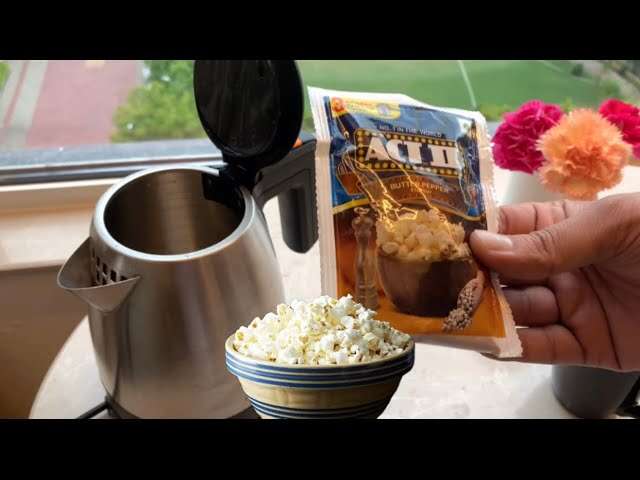
How To Make Popcorn In Kettle: Easy Guide
Make popcorn in a lidded kettle by heating oil, adding kernels, and shaking until the popping slows.
Learning how to make popcorn in kettle is simple, fast, and far better than many microwave options. The key is steady heat, enough room for the kernels, and a lid that lets steam escape without letting popcorn fly across the kitchen. This guide explains the safest method, the best oil and kernels to use, common mistakes, seasoning ideas, and ways to get crisp, fluffy results every time.
What You Need to Make Popcorn in a Kettle
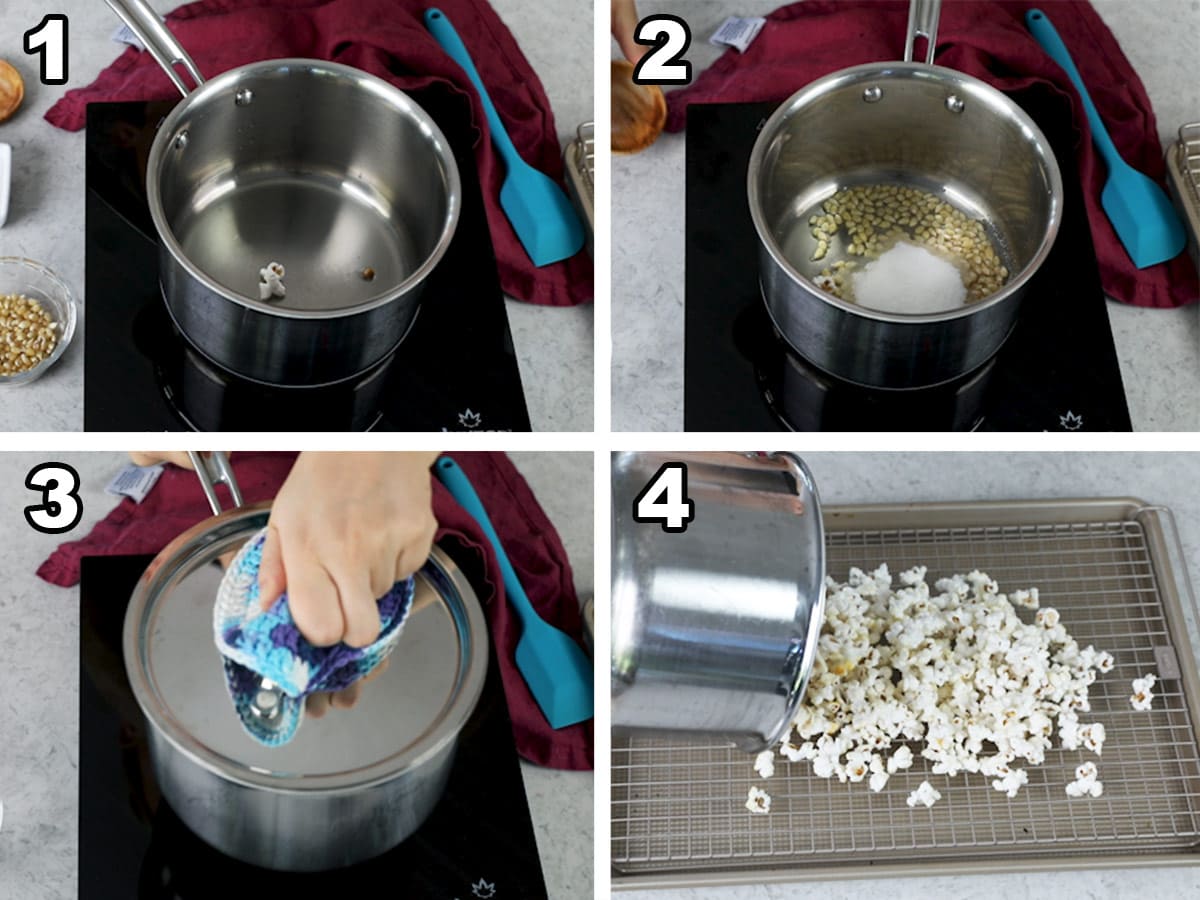
Before you start, gather your ingredients and tools. A wide, heavy-bottomed kettle works best because it spreads heat evenly and gives the kernels room to pop.
You will need:
- ½ cup popcorn kernels
- 2 to 3 tablespoons cooking oil
- ½ teaspoon fine salt, plus more to taste
- A kettle or deep pot with a lid
- A heat-safe spoon or oven mitt
- A large serving bowl
A neutral oil is the easiest choice. Canola, vegetable, avocado, peanut, and refined coconut oil all work well. Avoid butter at the start because milk solids can burn before the kernels pop.
When learning how to make popcorn in kettle, choose a kettle with a thick base. Thin cookware can create hot spots, which may burn some kernels while others remain unpopped.
How to Make Popcorn in Kettle Step by Step
The method below works on a standard stovetop. It produces fresh popcorn in about five minutes.
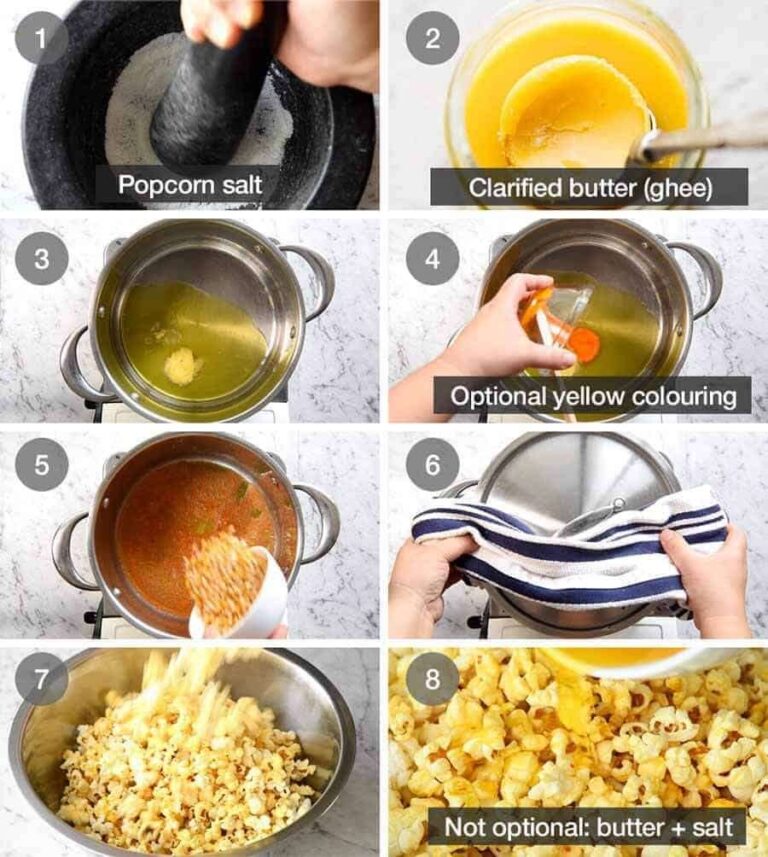
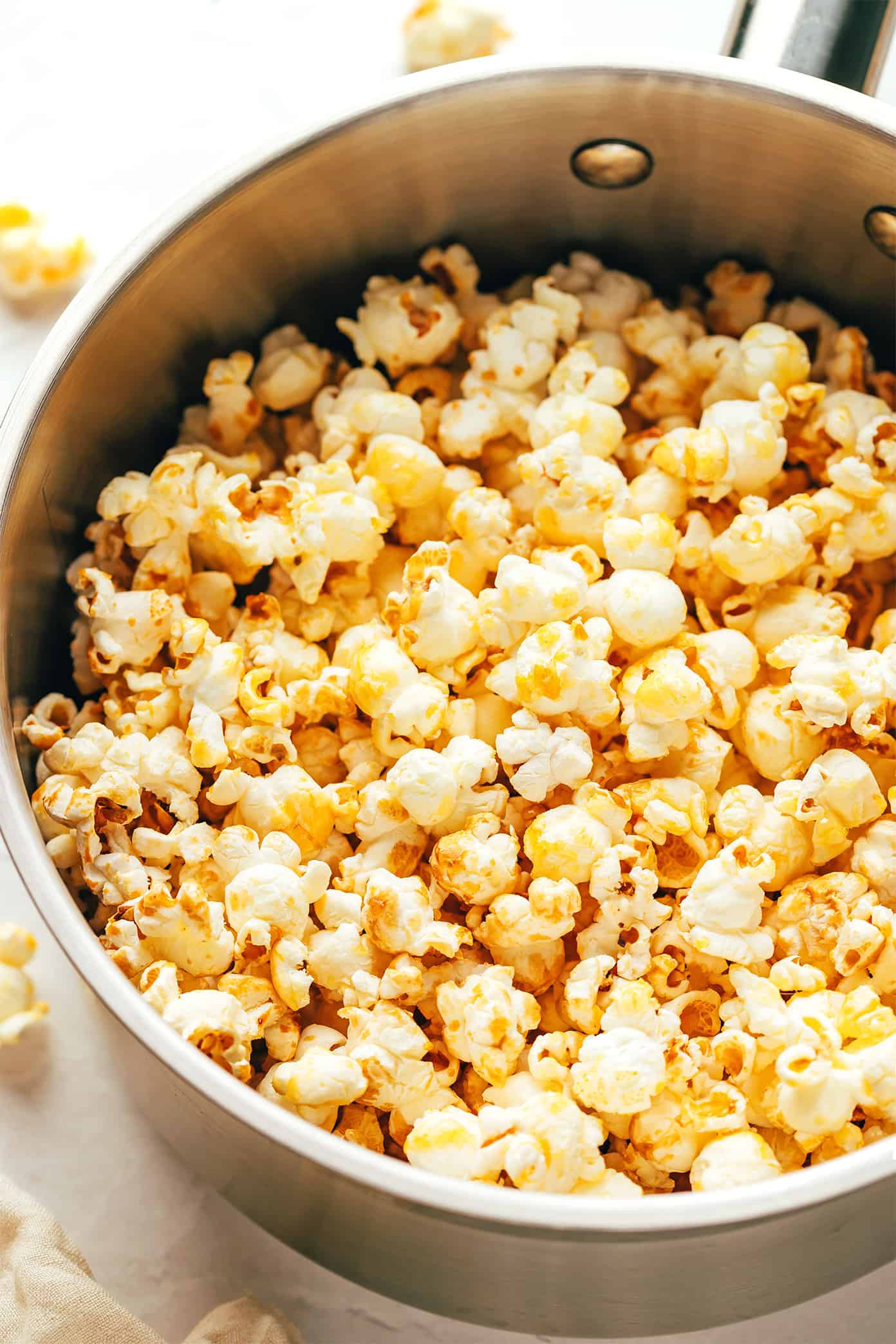
1. Add the oil and test kernels
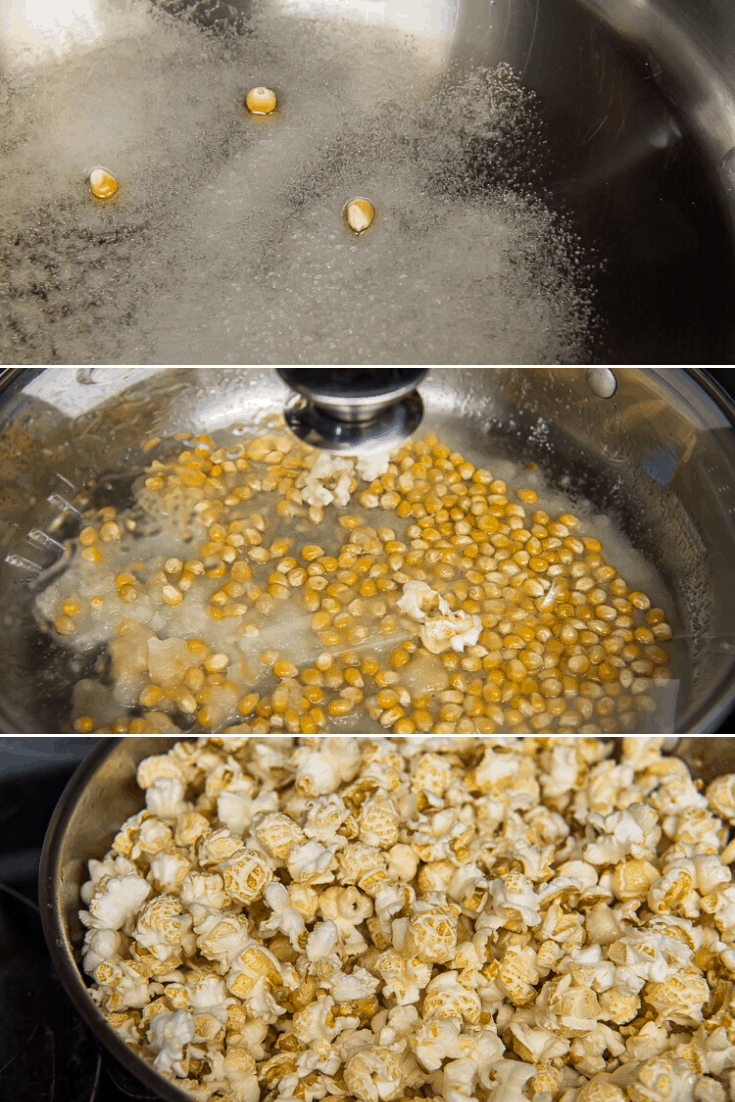
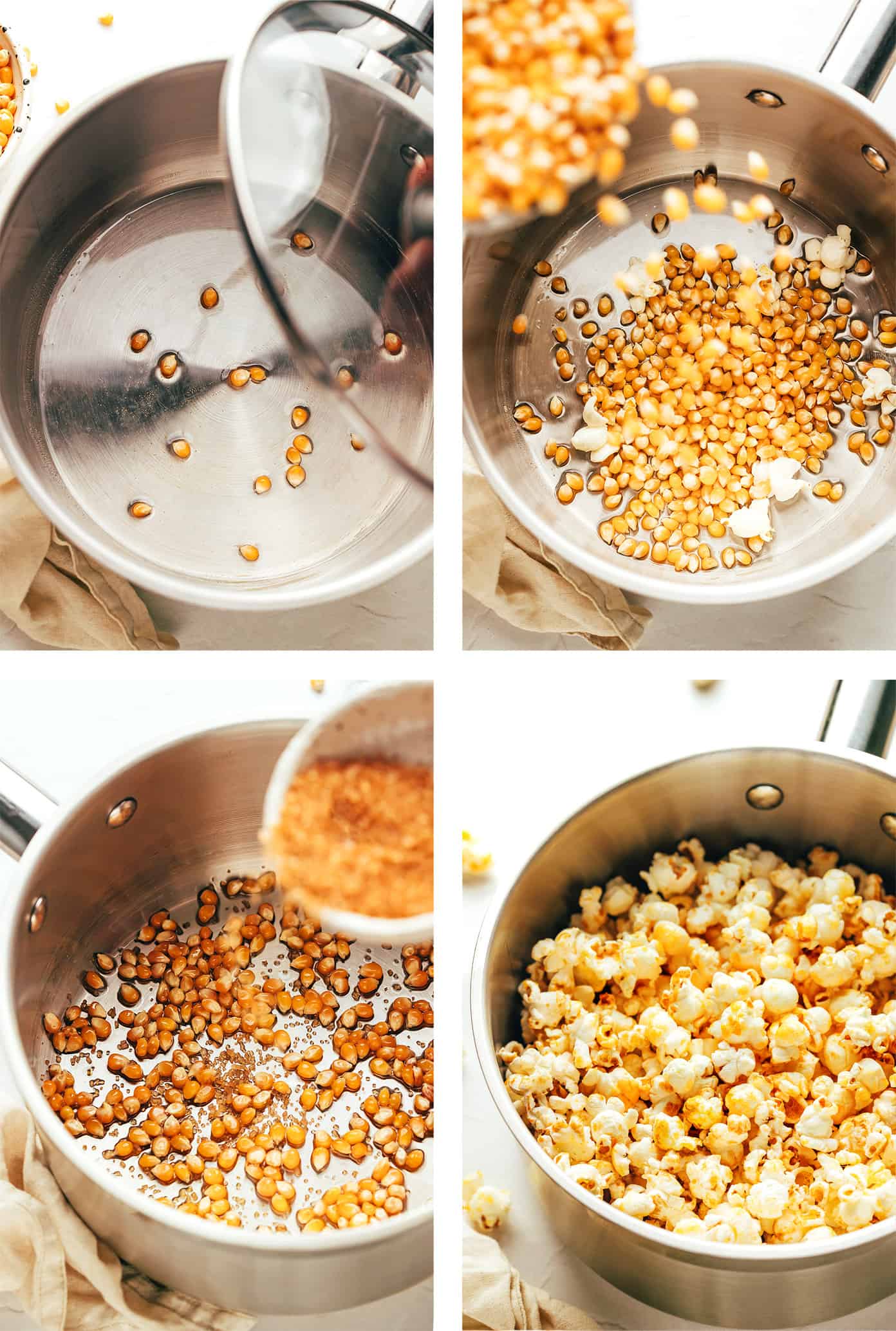
Place the empty kettle on the stove. Add the oil and three popcorn kernels. Cover the kettle and set the burner to medium heat.
Wait until the test kernels pop. This tells you that the oil is hot enough for the rest of the batch. It also helps prevent the first kernels from sitting in warm oil for too long.
2. Add the remaining kernels
Remove the kettle from the heat for about 30 seconds. Carefully add the remaining kernels, then gently shake the kettle so the oil coats them.
This short pause helps the kernels heat more evenly. It is one of the most useful steps when learning how to make popcorn in kettle because it reduces the chance of burnt oil and uneven popping.
3. Return the kettle to the stove
Place the covered kettle back over medium heat. Leave the lid slightly tilted if it is safe to do so. This small opening allows steam to escape, which helps keep the popcorn crisp.
Do not remove the lid completely. Popping kernels can jump several inches, and hot oil can cause burns.
4. Shake the kettle often
Once the popping begins, hold the handle with an oven mitt and gently shake the kettle every few seconds. Lift it slightly above the burner if needed.
Shaking keeps the kernels moving across the hot base. It also lowers the chance of burning the popcorn at the bottom.
5. Turn off the heat at the right time
Listen closely as the popping slows. Turn off the burner when there is about a two-second pause between pops.
Do not wait for every kernel to pop. A few unpopped kernels are normal, while waiting too long can turn the finished popcorn bitter and smoky.
6. Season and serve
Move the kettle away from the heat. Wait a few seconds, then carefully remove the lid away from your face.
Pour the popcorn into a large bowl. Add salt while the popcorn is still warm, then toss well. Warm popcorn holds seasoning better than popcorn that has cooled.
The Best Heat and Timing for Kettle Popcorn
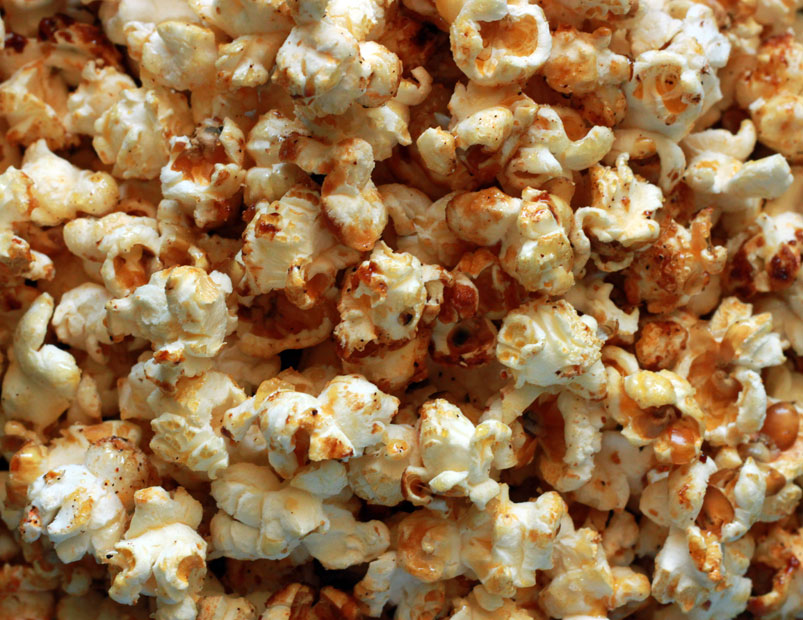
Medium heat is usually the safest starting point. High heat may pop the kernels quickly, but it can also burn the oil and create dark, bitter popcorn.
The exact cooking time depends on your stove, kettle, oil, and kernel freshness. Most batches take three to five minutes after the oil begins heating.
Use these signs to judge the heat:
- No popping after several minutes means the heat may be too low.
- Smoke before popping means the heat is too high or the oil has a low smoke point.
- Fast popping with a burnt smell means you should lower the heat and shake more often.
- Long pauses between pops mean the batch is nearly ready.
When you make popcorn in kettle, sound is more useful than a timer. The popping rhythm tells you when to stop.

How Much Oil and Popcorn Should You Use?
A simple ratio is one part oil to four parts popcorn by volume. For ½ cup of kernels, use 2 to 3 tablespoons of oil.
The oil should lightly coat the bottom of the kettle. Too little oil can cause sticking and scorching. Too much oil can make the popcorn greasy.
Do not fill the kettle more than halfway with unpopped kernels. Popcorn expands greatly, often reaching many times its original volume. A crowded kettle traps steam and makes it harder to shake the kernels.
For a smaller batch, use:
- ¼ cup kernels
- 1 to 1½ tablespoons oil
- A pinch of salt
For a larger batch, use a wider kettle or cook in two rounds. Overcrowding is one of the most common reasons people struggle with how to make popcorn in kettle.
Why Some Kernels Do Not Pop
Each popcorn kernel contains a small amount of water inside its starchy center. When heated, that water turns into steam. Pressure builds until the hard outer shell breaks open and turns the starch into fluffy popcorn.
Kernels may remain unpopped for several reasons:
- The kernels are old and have lost moisture.
- The oil or kettle never became hot enough.
- The heat was too high and the outside burned first.
- The kettle was too crowded.
- The lid allowed too much heat or steam to escape.
- The kernels were not moved during cooking.
Fresh kernels usually give better results. Store them in a sealed container at room temperature. Do not refrigerate or freeze them unless the package instructions recommend it, since changing moisture levels can affect popping.
How to Keep Popcorn Crisp and Fluffy
Crisp popcorn depends on controlling moisture. Steam from the kernels must escape instead of condensing under the lid.
Use these practical tips:
- Keep the lid slightly open if your kettle design allows it.
- Avoid adding wet sauces until just before serving.
- Spread popcorn in a wide bowl instead of packing it into a small container.
- Use fine salt so it sticks to the surface.
- Serve the popcorn soon after cooking.
- Let heavily coated popcorn cool on a baking sheet.
A common mistake is covering hot popcorn tightly. The trapped steam softens the pieces. If you need to store leftovers, cool them completely first and use an airtight container.

Flavor Ideas for Homemade Kettle Popcorn
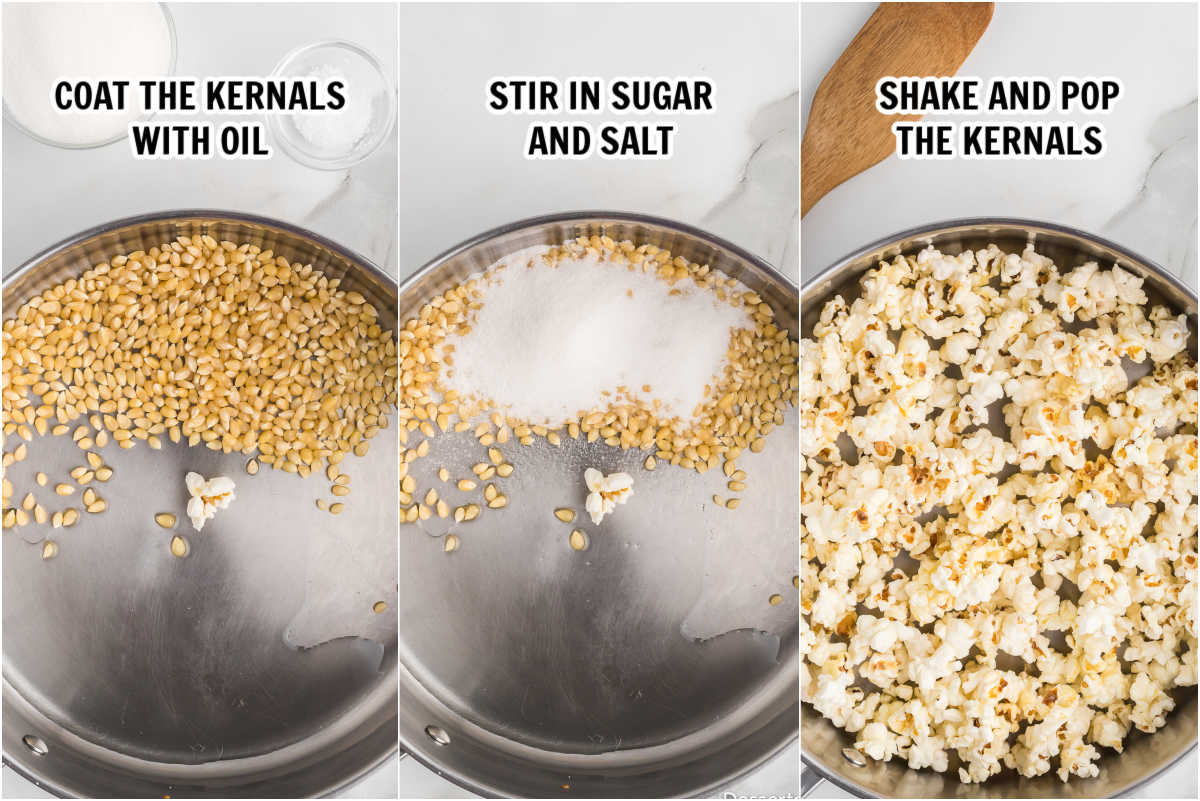
Plain salted popcorn is a great base, but you can create many flavors with simple ingredients. Add seasonings while the popcorn is warm so they cling to the oil.
Try these combinations:
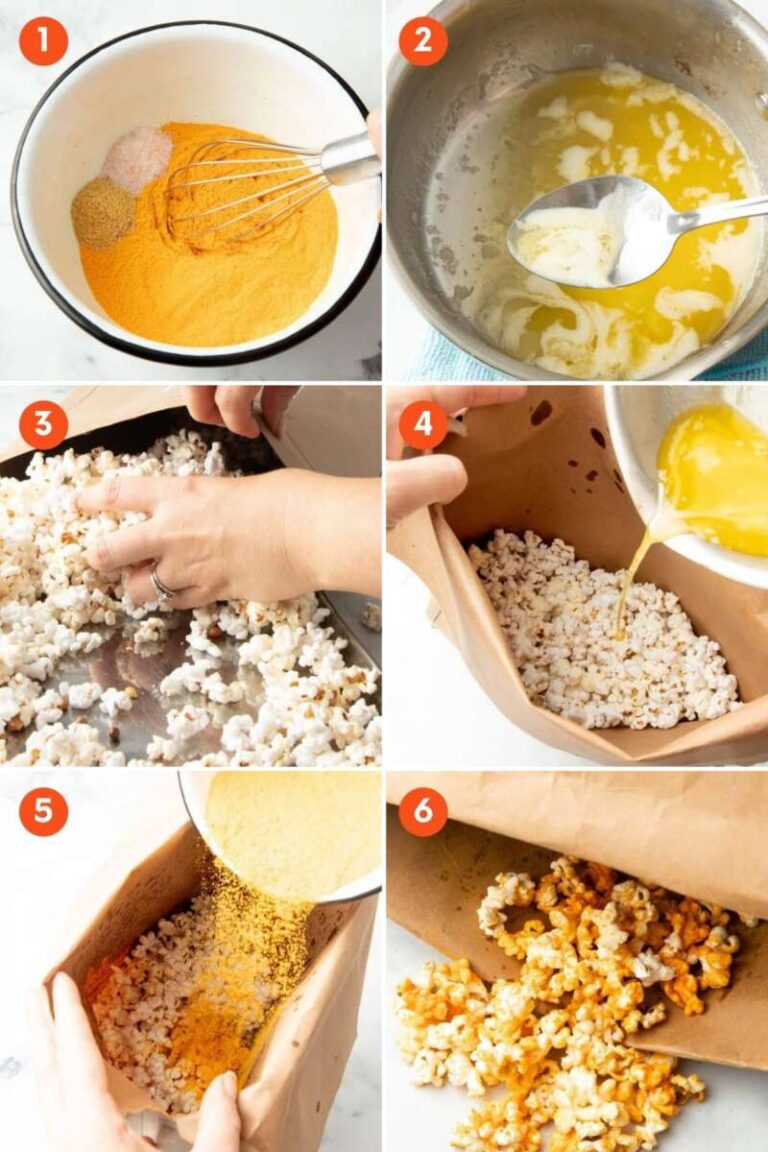
Classic butter popcorn
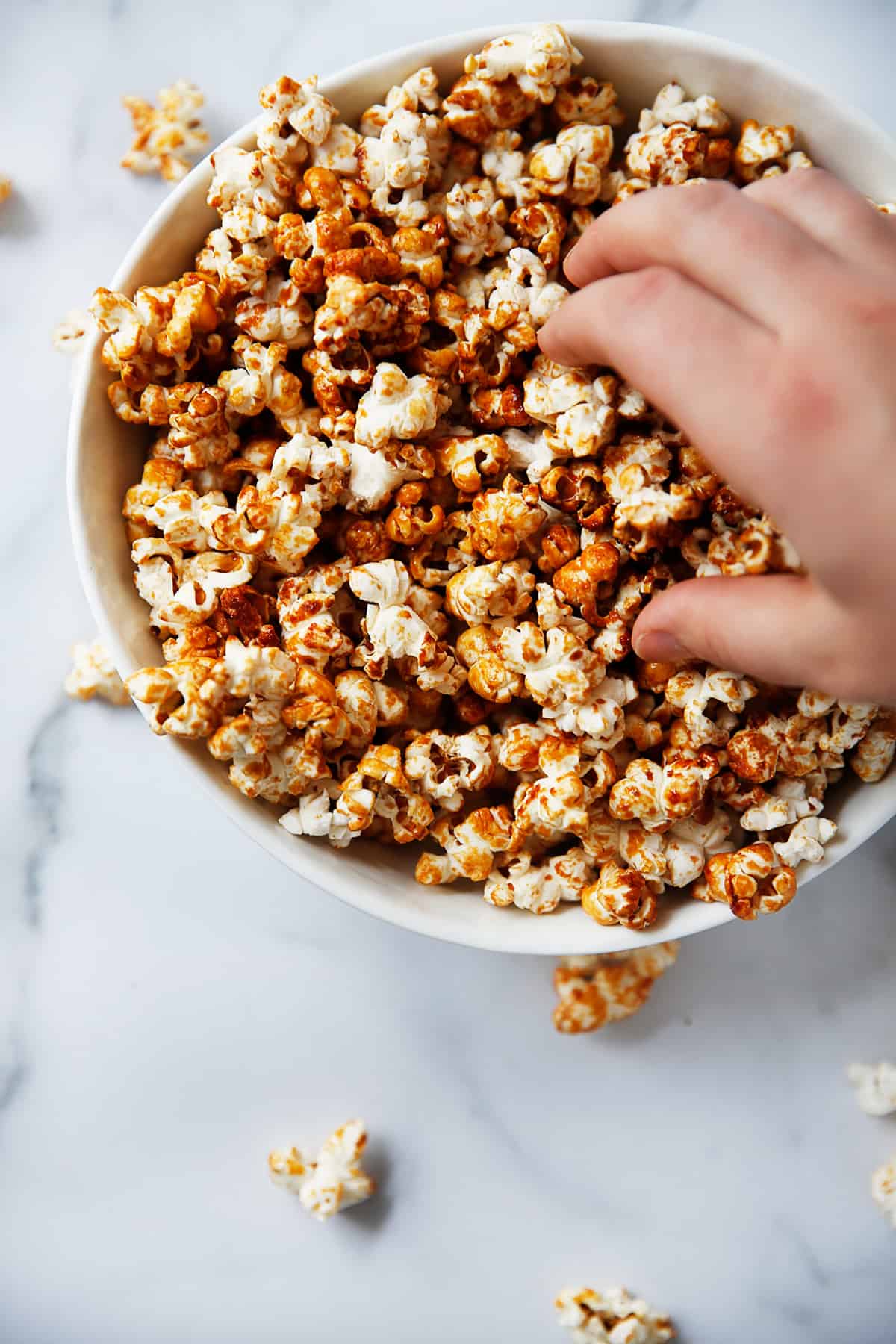
Melt 2 tablespoons of butter separately. Pour it over the popcorn in a thin stream while tossing. Add fine salt a little at a time.
For a less soggy texture, use clarified butter or ghee. These contain less water than regular butter.
Garlic herb popcorn
Mix fine salt with a small amount of garlic powder, dried parsley, and black pepper. Add the blend gradually so the flavor stays balanced.
Sweet cinnamon popcorn
Toss warm popcorn with melted butter, cinnamon, and a little sugar. For a crisp coating, spread it on a baking sheet and warm it briefly in a low oven.
Spicy popcorn
Use chili powder, smoked paprika, cayenne, or a small amount of hot sauce. Add spicy ingredients slowly because heat can build as you eat.
Nutritional yeast popcorn
Nutritional yeast gives popcorn a savory, cheese-like taste. It is useful when you want a dairy-free topping.
When testing how to make popcorn in kettle with new flavors, season a small bowl first. This prevents wasting an entire batch with too much salt or spice.
Common Mistakes to Avoid
Even a simple recipe can go wrong if the heat and timing are off. The most frequent problem is using high heat from start to finish.
Avoid these mistakes:
- Do not use an electric water kettle. It is not designed for oil or dry kernels and may be dangerous.
- Do not leave the kettle unattended.
- Do not use a sealed container that cannot release steam.
- Do not pour oil into a very hot empty kettle and walk away.
- Do not wait for every kernel to pop.
- Do not add butter before the kernels unless you are using clarified butter.
- Do not shake so hard that the kettle loses contact with the burner.
- Do not touch the lid or handle with bare hands during cooking.
If oil begins to smoke, turn off the heat and move the kettle away from the burner if it is safe. Never pour water onto hot oil.
Stovetop Kettle Versus Microwave Popcorn
Making popcorn in a kettle gives you more control over the oil, salt, and flavor. You can also adjust the batch size and avoid the flavoring packets used in some packaged products.
Microwave popcorn is convenient, but it can be less flexible. Some products contain added oils, salt, or flavor compounds that may not suit every diet.
Kettle popcorn also creates less packaging waste when you buy kernels in a larger bag. However, it requires attention, cookware, and cleanup.
The best method depends on your needs. If you want control and fresh flavor, learning how to make popcorn in kettle is worth the few extra minutes.
Cleaning the Kettle After Making Popcorn
Let the kettle cool before cleaning it. Pour out any loose kernels and wipe away excess oil with a paper towel.
If oil remains, wash the kettle with warm water and dish soap. A soft sponge is usually enough. Avoid abrasive pads on coated cookware because they can damage the surface.
For stuck pieces, soak the kettle in warm, soapy water for several minutes. Never place a hot kettle under cold water, since a sudden temperature change can warp some cookware.
Clean the lid as well. Oil and steam can leave a thin film that becomes sticky over time.
A Simple Kettle Popcorn Recipe
Use this basic recipe when you want a reliable starting point.
Ingredients
- ½ cup popcorn kernels
- 2 tablespoons neutral oil
- ½ teaspoon fine salt
- Optional butter or other toppings
Directions
- Add the oil and three kernels to a covered kettle.
- Heat over medium heat until the test kernels pop.
- Remove the kettle from the burner for 30 seconds.
- Add the remaining kernels and shake gently.
- Return the kettle to medium heat.
- Shake every few seconds while the kernels pop.
- Turn off the heat when popping slows to about one pop every two seconds.
- Pour into a bowl and season while warm.
This method is easy to adjust. Use less oil for a lighter batch, or add more seasoning after tasting.
Frequently Asked Questions About How to Make Popcorn in Kettle
Can I make popcorn in an electric kettle?
No. A standard electric water kettle is not designed for cooking oil or popcorn kernels. Use a stovetop kettle, deep saucepan, or purpose-built popcorn popper instead.
What is the best oil for making popcorn in a kettle?
Canola, vegetable, avocado, peanut, and refined coconut oil are good choices. Select an oil that can handle medium to medium-high heat without smoking.
Should I keep the lid on while making popcorn?
Yes, keep the lid on to contain the kernels and hot oil. If possible, leave a small vent for steam so the popcorn stays crisp.
Why does my kettle popcorn burn?
Burning usually comes from high heat, too little oil, or not shaking the kettle. Use medium heat and turn off the burner when the popping slows instead of waiting for every kernel.
How much popcorn does ½ cup of kernels make?
Half a cup of kernels usually makes about 12 to 16 cups of popped popcorn, depending on the kernel type and how many kernels pop. Use a large bowl so the popcorn does not overflow.
Can I use butter instead of oil?
Regular butter can burn because it contains water and milk solids. Use oil for popping, then add melted butter afterward, or use clarified butter from the beginning.
How do I store leftover kettle popcorn?
Allow the popcorn to cool fully, then place it in an airtight container at room temperature. It is usually best within one to two days, although its texture may soften over time.