Does A Carpet Cleaner Work As A Vacuum: Key Differences
A carpet cleaner can pick up some debris, but it cannot replace a regular vacuum for daily cleaning.
If you are asking, “does a carpet cleaner work as a vacuum,” the accurate answer depends on the machine type, its suction system, and the cleaning task. Carpet cleaners are made to wash fibers, remove stains, and extract dirty water. Vacuums are built to collect dry dust, crumbs, hair, and loose debris. Understanding this difference helps you protect your carpet, avoid clogs, and choose the right tool for each job.

Does a Carpet Cleaner Work as a Vacuum?
A carpet cleaner does not work exactly like a regular vacuum. Some models have strong suction and can collect loose dirt during a cleaning cycle, but their main job is to spray water or cleaning solution into carpet fibers and pull the liquid back out.
A standard vacuum uses a dry air path. It lifts dirt from the carpet and stores it in a bag or dust container. A carpet cleaner uses a wet extraction path, which includes a clean-water tank, solution tank, dirty-water tank, spray jets, and moisture-recovery nozzle.
So, does a carpet cleaner work as a vacuum? It can remove a small amount of dry debris, but it is not designed for everyday vacuuming.
Think of the two machines as kitchen tools. A vacuum is like a broom and dustpan for dry messes. A carpet cleaner is more like a mop that also rinses and extracts water. Both clean, but they solve different problems.

How a Carpet Cleaner Differs From a Vacuum
The biggest difference is the type of dirt each machine handles.
What a vacuum cleaner does
A vacuum is designed to remove dry particles, such as:
• Dust and soil
• Pet hair
• Human hair
• Crumbs
• Sand
• Lint
• Small bits of paper
• Loose fibers
Its brush roll or floor head agitates the carpet. Airflow then carries the debris into the dust cup or bag.
What a carpet cleaner does
A carpet cleaner is designed to:
• Apply water and cleaning solution
• Loosen stains and oily soil
• Agitate carpet fibers
• Extract dirty water
• Reduce odors trapped in the carpet
• Refresh heavily soiled areas
Most carpet cleaners work best when the carpet has already been vacuumed. Removing dry debris first allows the cleaning solution to reach the fibers more evenly.
When people ask, “does a carpet cleaner work as a vacuum,” they often notice that the machine picks up hair and crumbs. That can happen, but it does not mean the cleaner has the same filtration, brush design, or dust capacity as a vacuum.

Can You Vacuum With a Carpet Cleaner Before Washing?
Some carpet cleaners can pick up loose dirt before spraying water. This feature is useful, but it should not be treated as a full vacuuming mode unless the manufacturer clearly says so.
Many upright carpet cleaners have a nozzle that pulls up water and debris. If the carpet has a few crumbs or light surface particles, the cleaner may collect them. However, thick pet hair, sand, and packed dirt can reduce airflow or clog the nozzle.
For the best results, vacuum the carpet first. Follow these steps:
- Remove toys, cords, and small objects from the floor.
- Vacuum slowly in two directions.
- Use the vacuum’s attachments along baseboards and edges.
- Move light furniture if safe to do so.
- Treat visible stains before using the carpet cleaner.
- Run the carpet cleaner after most dry debris is gone.
In my experience testing carpet-cleaning routines, skipping the first vacuum pass often creates a muddy mess. Hair mixes with water and becomes harder to remove. Sand can also settle deep in the carpet and make the recovery tank fill with gritty water.
Why You Should Vacuum Before Using a Carpet Cleaner
Vacuuming first improves cleaning performance and protects the machine.
It removes dry soil
A large part of carpet dirt is dry soil brought indoors on shoes and paws. If you wet that soil before removing it, it can turn into a paste. This may spread across the carpet instead of lifting cleanly.
It protects the carpet cleaner
Loose hair and large particles can block:
• Spray nozzles
• Suction channels
• Brush rolls
• Recovery tanks
• Internal filters
A clogged carpet cleaner may leave more water behind. That can increase drying time and create a musty smell.
It improves stain removal
Cleaning solution works better when it can reach the carpet fibers. Dust, hair, and surface grit act like a blanket over the stain. Removing them first gives the solution a clearer path.
It reduces wear on carpet fibers
Sand and small grit can act like tiny blades. Walking on them grinds them against the carpet. Regular vacuuming helps reduce this abrasive action and can support a cleaner appearance over time.
This is one reason the answer to “does a carpet cleaner work as a vacuum” should not lead you to replace routine vacuuming. A carpet cleaner is usually an occasional deep-cleaning tool, not a daily floor-care tool.
When Can a Carpet Cleaner Pick Up Dry Dirt?
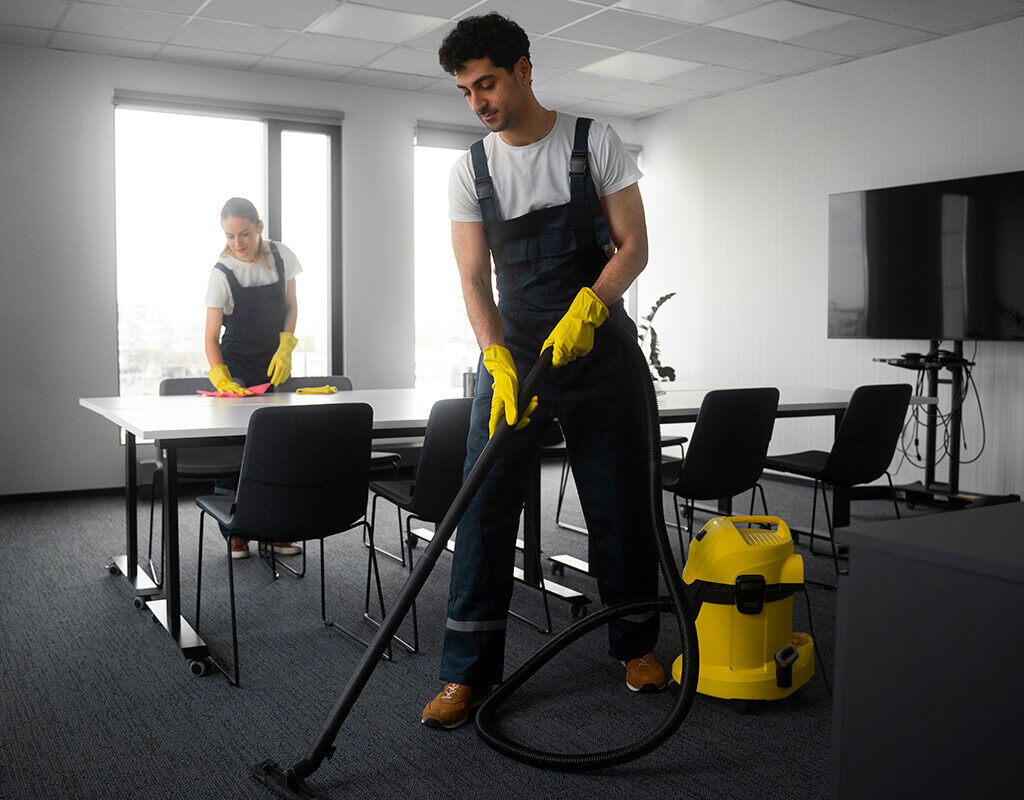
A carpet cleaner may pick up dry dirt in a few situations. For example, a machine may collect crumbs while you make a slow pass over a lightly soiled rug. Some models also include a separate dry vacuum mode or a detachable vacuum unit.
Always check the owner’s manual before using this feature. Instructions differ by brand and model. Some machines allow limited dry pickup, while others warn users not to operate the unit without water in the tank.
A carpet cleaner may handle small amounts of:
• Fine dust
• Light crumbs
• Loose hair
• Surface lint
• Small particles left after vacuuming
It usually should not be used for:
• Large food pieces
• Glass
• Nails or screws
• Wet food
• Excessive pet hair
• Ash
• Fine construction dust
• Liquid spills unless the model supports wet pickup
Never assume that strong suction makes a carpet cleaner suitable for every type of debris. Suction power is only one part of cleaning. Filtration, airflow design, brush action, tank capacity, and moisture control matter too.

Can You Use a Carpet Cleaner on Dry Carpet?
Yes, a carpet cleaner can often be moved over dry carpet, but the machine may not perform a useful cleaning cycle without water and solution. If the machine is designed for wet extraction, using it dry may place unnecessary strain on the motor or brush system.
Some carpet cleaners include a dry-pass setting. This setting usually means the machine is extracting extra moisture from a recently washed carpet. It does not always mean the machine can replace a vacuum.
A dry pass can help remove leftover water. It may also lift a small amount of loose debris. However, it cannot match a vacuum’s ability to separate dry dust from air and store it safely.
If you need to remove a fresh liquid spill, check the machine instructions first. A carpet cleaner designed for wet pickup may help. A regular vacuum usually should not be used on liquid because water can reach electrical parts and damage the motor.

Carpet Cleaner Versus Vacuum for Common Cleaning Jobs
The right tool depends on the mess.
| Cleaning job | Best choice | Why |
|---|---|---|
| Daily dust and crumbs | Vacuum | Built for dry debris |
| Pet hair | Vacuum | Brush rolls and attachments lift hair |
| Deep carpet soil | Carpet cleaner | Water and solution loosen embedded dirt |
| Coffee stain | Carpet cleaner or spot extractor | Moisture helps dissolve the stain |
| Fresh water spill | Wet-capable extractor | Designed to collect liquid safely |
| Fine drywall dust | Specialized vacuum | Ordinary carpet cleaners may clog |
| Odor in carpet | Carpet cleaner after vacuuming | Washing can remove trapped residue |
| Light surface dirt during washing | Carpet cleaner | Suction may collect some debris |
This comparison shows why does a carpet cleaner work as a vacuum is not a simple yes-or-no question. It may perform limited vacuum-like work, but the results depend on the machine and the type of dirt.
Do Carpet Cleaners Have Stronger Suction Than Vacuums?
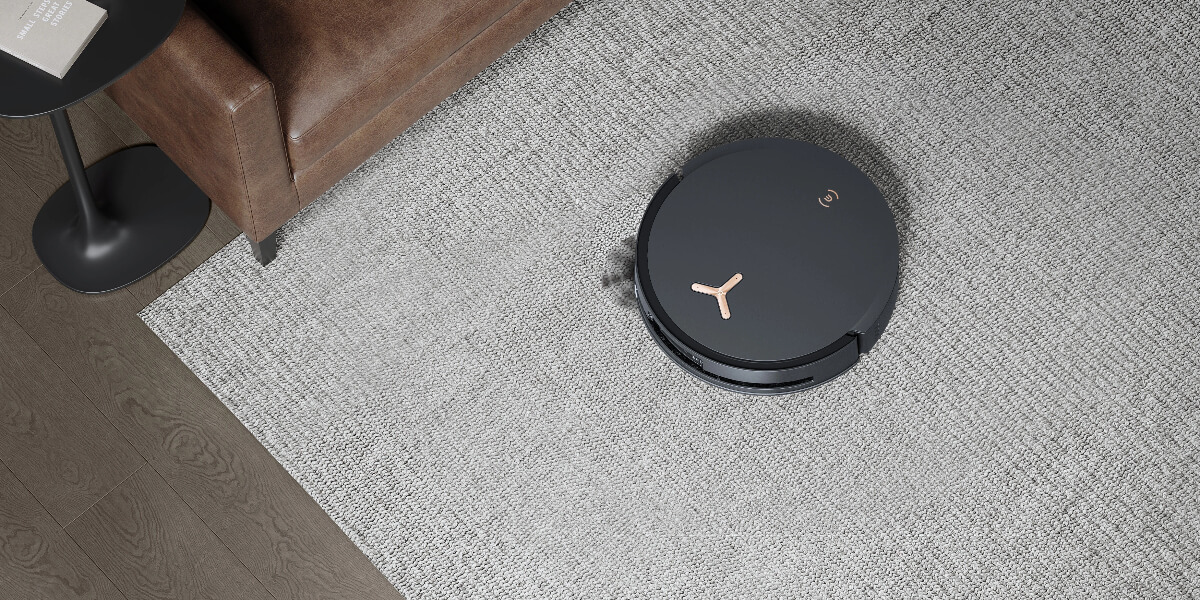
Not necessarily. Carpet cleaners often have strong water-recovery suction, but this does not mean they are better at dry vacuuming.
A carpet cleaner needs to pull water from the carpet without leaving it soaked. Its nozzle is shaped to create a seal against the floor. A vacuum, by contrast, is designed to move air through a brush head, hose, filter, and dust container while lifting dry particles.
A machine can have strong suction but poor dry debris pickup. The brush design may be wrong for hair. The filter may not capture fine dust well. The intake opening may be too narrow for larger particles.
Drying time is a useful clue. After using a carpet cleaner, the carpet should feel damp, not saturated. If the machine leaves too much water behind, check the following:
• Move the machine more slowly
• Make extra extraction passes without spraying
• Empty a full dirty-water tank
• Clean the recovery nozzle
• Wash or replace the filter as directed
• Avoid over-wetting the carpet
Professional carpet-care guidance commonly stresses controlled moisture and thorough extraction. Too much water can damage some carpet backings and may encourage odor or microbial growth if drying is poor.

Can a Carpet Cleaner Replace a Vacuum?
For most homes, no. A carpet cleaner should not replace a vacuum.
A vacuum is better for frequent cleaning because it is faster, lighter, and easier to use. It can reach stairs, furniture, corners, and hard floors with the right attachments. Regular vacuuming also prevents loose dirt from being pushed deeper into carpet fibers.
A carpet cleaner is better for occasional deep cleaning. Many households use one every few months, after a spill, or when carpets look dull. Homes with pets, children, allergies, or heavy foot traffic may need deep cleaning more often.
The best routine is simple:
- Vacuum carpets regularly.
- Clean spills as soon as possible.
- Use a carpet cleaner when soil or stains build up.
- Allow carpets to dry fully.
- Vacuum again after the carpet is completely dry if needed.
If you only have space or money for one machine, choose based on your main need. For daily floor care, buy a vacuum first. For a home with mostly clean floors but frequent stains, a carpet cleaner may be a useful second tool.
Common Mistakes to Avoid
Many carpet-cleaning problems come from using the machine like a regular vacuum.
Skipping the pre-vacuum
This can turn dry soil into wet mud. It also increases the chance of clogs.
Using too much cleaning solution
More solution does not always mean cleaner carpet. Excess soap can leave a sticky film that attracts new dirt. Follow the product label and machine instructions.
Moving too quickly
Fast passes may not give the machine enough time to spray, agitate, and extract. Use slow, steady strokes.
Leaving the carpet too wet
Repeated spray passes can soak carpet backing. Use dry extraction passes to remove extra moisture.
Ignoring the recovery tank
A full tank can reduce suction and cause dirty water to spread. Empty and rinse it as the instructions recommend.
Using the wrong product
Dish soap, laundry detergent, or homemade mixtures may create too much foam. They can also leave residue or damage the machine.
Cleaning without checking the carpet type
Wool, natural fibers, delicate rugs, and certain carpet backings need special care. Check the carpet maker’s cleaning guidance before using water or heat.
These mistakes also explain why some users feel disappointed after asking, “does a carpet cleaner work as a vacuum.” The machine may be fine, but it is being asked to perform a job outside its design.
How to Get Better Results From a Carpet Cleaner
Use this practical process for safer and deeper cleaning:
• Read the machine manual before the first use.
• Test the solution on a hidden area.
• Vacuum slowly before wet cleaning.
• Use the recommended formula and water level.
• Treat stains without scrubbing too hard.
• Clean one small area at a time.
• Make slow forward and backward passes.
• Make extra passes without spraying.
• Open windows or use fans to improve airflow.
• Keep people and pets off the carpet until it is dry.
• Rinse the tanks and clean the nozzle after use.
Drying time varies with humidity, carpet thickness, airflow, and how much water the machine leaves behind. A thin carpet in a ventilated room may dry in a few hours. Thick carpet may need longer.
Avoid placing furniture back too soon. Furniture legs can trap moisture and may transfer stains or rust to the carpet. Use protective tabs or foil if the manufacturer recommends them.