How Does A Cordless Vacuum Cleaner Work: Simple Guide
A cordless vacuum uses battery power to spin a motor, create suction, and collect dirt.
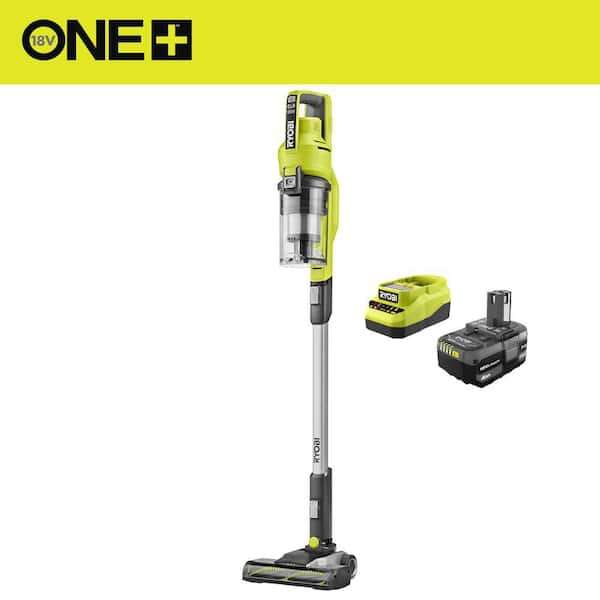
Understanding how does a cordless vacuum cleaner work helps you choose the right model and use it well. These machines combine a rechargeable battery, electric motor, fan, filters, brush roll, and dust bin in one compact system. This guide explains each part, what affects cleaning power, and how to avoid common mistakes.

How does a cordless vacuum cleaner work?
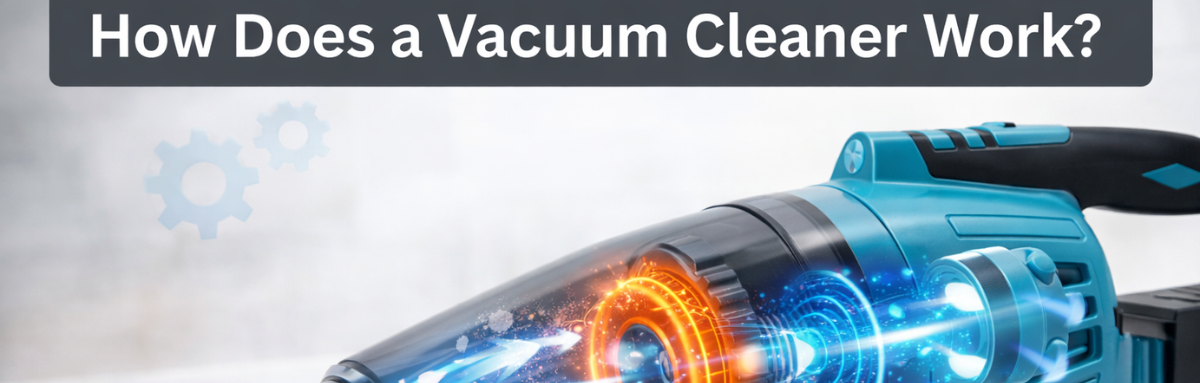
A cordless vacuum cleaner works by turning electrical energy from a battery into airflow. The battery sends power to a motor. The motor spins a fan at high speed, and the fan lowers the air pressure inside the vacuum.
Air then rushes into the cleaner through the floor head or nozzle. This moving air carries dust, crumbs, hair, and other debris into the dust bin. Filters trap fine particles before the air leaves the machine.
The basic process looks like this:
- The battery supplies electric power.
- The motor spins the internal fan.
- The fan creates suction through pressure differences.
- Air pulls dirt through the cleaning head.
- The dust bin holds larger debris.
- Filters capture fine dust and allergens.
- Cleaner air exits through the exhaust vent.
So, how does a cordless vacuum cleaner work without a wall outlet? It stores energy in a rechargeable lithium-ion battery. This battery replaces the direct electrical supply used by a traditional corded vacuum.
The main parts of a cordless vacuum cleaner
Knowing the main parts makes it easier to understand how does a cordless vacuum cleaner work in real life. Each part has a clear role, much like the organs in a living system.
Rechargeable battery
Most modern cordless vacuums use lithium-ion batteries. They are light, hold a useful amount of energy, and can deliver strong power during cleaning.
Some models have removable batteries. This lets you keep a spare battery charged or replace an aging pack without buying a whole new vacuum.
Electric motor
The motor is the heart of the vacuum. It changes battery power into fast rotation.
Many premium models use a brushless motor. This design can reduce wear and improve energy use. A stronger motor does not always mean better cleaning, though. Airflow, brush design, seals, and filters also matter.
Fan or impeller
The motor spins a fan, also called an impeller. The fan moves air through the vacuum and creates the pressure difference that produces suction.
A vacuum does not “pull” dirt like a hand. Instead, outside air pressure pushes air and debris toward the lower-pressure area inside the machine.
Cleaning head and brush roll
The cleaning head touches the floor. Many heads include a powered brush roll with bristles or rubber fins.
The brush roll loosens dirt from carpet fibers. It also helps guide hair and crumbs into the suction path. On hard floors, some brush rolls use soft rollers to reduce scratching and improve dust pickup.
Dust bin
The dust bin replaces the disposable bag found in many older vacuums. It stores dirt and debris until you empty it.
A full bin can reduce airflow. That is why emptying the bin before it reaches the maximum line is a simple way to support good performance.
Filters
Filters catch fine dust, pollen, and other small particles. Some cordless vacuums use washable filters. Others use replaceable filters.
A sealed system matters, too. If air leaks around the bin or filter, some dust may escape before the air reaches the final filter.
How suction and airflow pick up dirt
Many people ask how does a cordless vacuum cleaner work when its suction feels weaker than a corded model. The answer lies in the balance between airflow, pressure, and energy use.
Suction refers to the pressure difference created inside the machine. Airflow refers to the amount of air moving through the system. Good cleaning usually needs both.
A vacuum may show high suction at the motor but perform poorly at the floor if the nozzle is poorly designed. A narrow opening, blocked tube, or dirty filter can also reduce useful airflow.
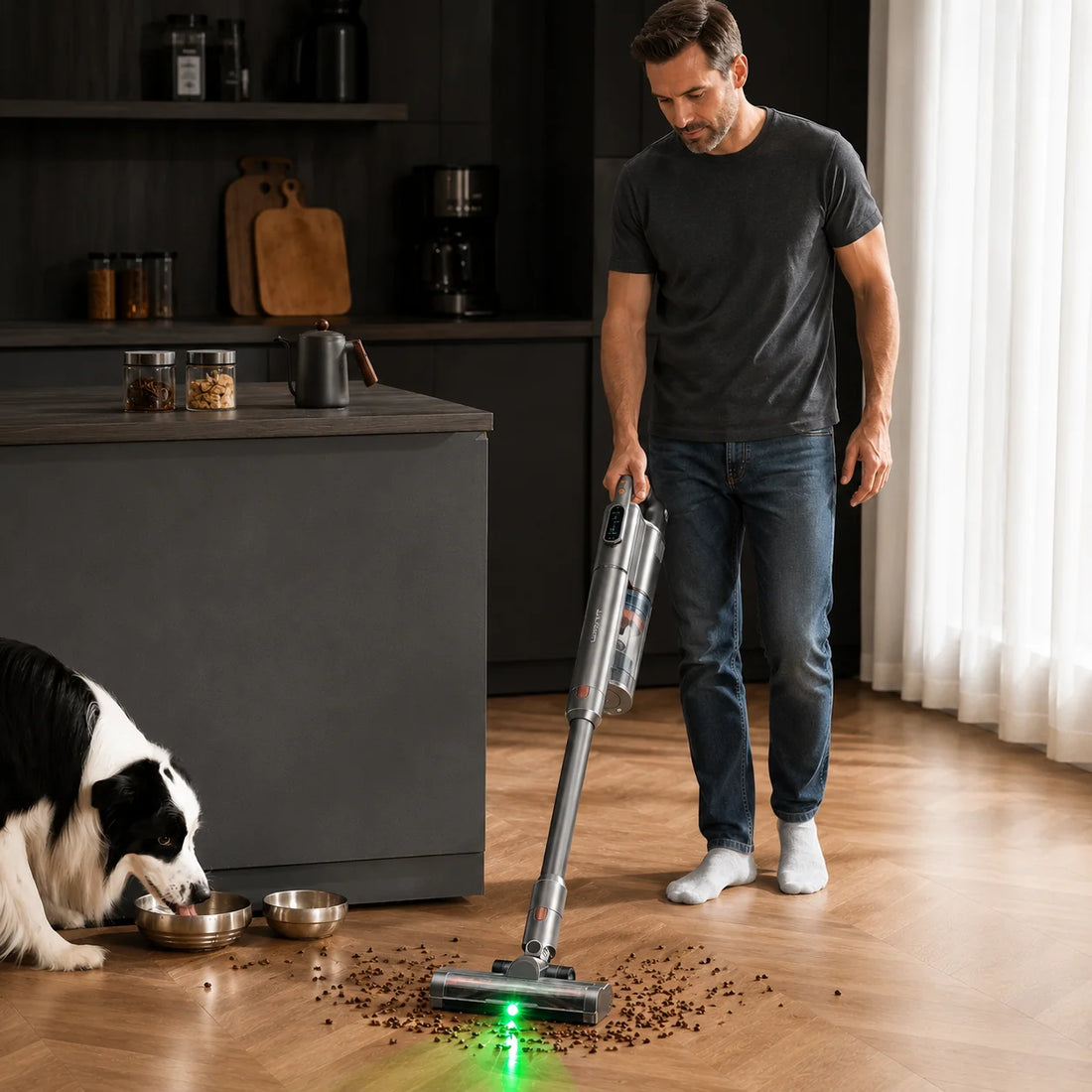
The cleaning head plays a major role. It must sit close enough to the floor to direct air through dirt, but not so tightly that airflow stops. On carpet, the brush roll lifts debris from between fibers. On hard floors, the head guides loose debris toward the intake.
Think of the system as a small river. The motor creates the current, the nozzle shapes the flow, and the brush roll stirs up material that would otherwise stay behind.

What happens during a cleaning cycle?
To see how does a cordless vacuum cleaner work step by step, imagine cleaning a living room rug.
First, you press the power button. The battery sends current to the motor. The motor spins the fan and, if selected, powers the brush roll.
Next, air enters through the floor head. The brush roll loosens dust, hair, and crumbs. The airflow carries that material through the tube and into the dust bin.
Inside the bin, larger particles often lose speed and fall into the container. Fine dust continues toward the filter. The filter traps much of this material while allowing air to pass.
Finally, filtered air leaves through the exhaust system. Some advanced models use several filters and a sealed air path to limit the release of fine particles.
In hands-on testing, I have found that the floor head often affects results more than users expect. A vacuum with moderate motor power can clean well when its brush roll and nozzle are designed properly.
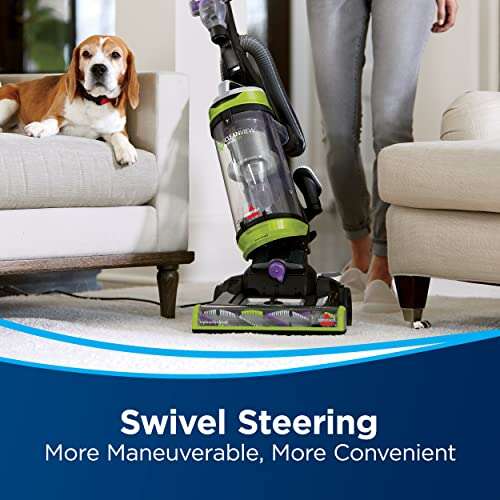
src="https://m.media-amazon.com/images/I/61ALAP1rfVL._AC_UF894,1000_QL80_.jpg"
alt="How the battery affects cleaning performance”
style=”max-width: 100%; height: auto; border: 2px solid black; border-radius: 10px; display: block; margin: 0 auto;”
loading=”lazy”
/>
How the battery affects cleaning performance
Battery power explains another part of how does a cordless vacuum cleaner work. A battery has a limited energy supply, so the vacuum must balance cleaning power with run time.
Most models offer several power modes:
• Eco mode uses less energy and provides longer run time.
• Standard mode offers a balance for daily cleaning.
• Max or boost mode increases motor speed and suction for thick carpet or heavy debris.
Boost mode can drain the battery quickly. On some machines, the highest setting may last only a few minutes. Actual run time depends on the floor head, battery age, temperature, and selected mode.
Lithium-ion batteries also lose capacity over time. Heat, deep discharges, and long periods at full charge can affect battery life. Follow the manufacturer’s charging advice, and keep the battery away from extreme heat.
A useful habit is to use standard power for daily dust and save boost mode for stubborn dirt. This gives you more cleaning time and reduces unnecessary battery strain.

How filters protect air quality
Filters are central to how does a cordless vacuum cleaner work because they separate dust from the moving air. Without filters, much of the collected dirt would return to the room through the exhaust.
Many models advertise HEPA filtration. In general, a true HEPA filter is designed to capture at least 99.97% of particles at 0.3 microns under specific test conditions. Real-world performance also depends on the filter seal and the entire vacuum design.
A filter cannot work well when it is packed with dust. Reduced airflow can make the motor work harder and may cause the vacuum to shut down for protection.
Clean washable filters only as directed. A common mistake is reinstalling a filter while it is still damp. Moisture can damage parts, cause odors, and encourage mold growth.
Replace filters when they remain dirty, damaged, or smelly after cleaning. The right schedule depends on the model and how often you vacuum.

Benefits and limits of cordless vacuums
The practical answer to how does a cordless vacuum cleaner work also includes what the design can and cannot do. Cordless models are convenient, but they involve trade-offs.
Benefits
• Easy movement: You can clean stairs, cars, furniture, and tight spaces without finding an outlet.
• Fast daily cleaning: A cordless vacuum is quick to grab for crumbs and pet hair.
• Compact storage: Stick models often fit in a closet or wall mount.
• Flexible tools: Many include crevice tools, dusting brushes, and upholstery heads.
• No cord management: You do not need to unplug and reconnect as you move between rooms.
Limitations
• Limited run time: Heavy use can drain the battery quickly.
• Charging time: The vacuum may need several hours before it is ready again.
• Smaller dust bins: You may need to empty the bin more often.
• Reduced boost time: Maximum power is usually not designed for long sessions.
• Battery aging: Capacity can decline after years of use.
• Maintenance needs: Filters, brush rolls, and air paths must stay clean.
For a small apartment or quick daily cleanup, a cordless model can be an excellent primary vacuum. For a large home with thick carpet, a corded upright or canister vacuum may provide longer continuous cleaning.
Common mistakes that reduce performance
Even when you understand how does a cordless vacuum cleaner work, small maintenance mistakes can reduce its cleaning power.
Letting the bin overfill
An overfilled bin can block airflow and make emptying messy. Empty it when it reaches the marked line, not when the vacuum stops working.
Ignoring tangled hair
Hair can wrap around the brush roll and increase resistance. Over time, this may reduce rotation speed or place extra stress on the motor.
Turn off the vacuum before removing hair. Use the cleaning tool supplied with the machine, or carefully cut along the brush roll if the instructions allow it.
Washing filters too often or incorrectly
Some filters are washable, while others are not. Check the manual before using water. Let washable filters dry fully, often for at least 24 hours, before reinstalling them.
Using boost mode for every task
Maximum power feels effective, but it can shorten run time and increase wear. Use it only when standard mode cannot handle the surface.
Blocking the air path
Small objects can lodge in the tube or floor head. If suction drops suddenly, check the nozzle, wand, bin inlet, and filters before assuming the battery has failed.
In my experience, a clogged brush roll is one of the most common causes of poor cleaning. A quick inspection after each heavy cleaning session can prevent bigger problems.

How to maintain a cordless vacuum cleaner
Good care keeps the system efficient and helps explain how does a cordless vacuum cleaner work over many years.
Use this simple routine:
- Empty the dust bin after major cleaning sessions.
- Check the brush roll every week if you have pets.
- Remove hair and thread from the brush roll.
- Inspect the tube and floor head for blockages.
- Wash approved filters according to the manual.
- Dry filters completely before use.
- Keep charging contacts clean and dry.
- Store the vacuum in a cool, dry place.
- Charge the battery as directed by the manufacturer.
- Replace worn filters, rollers, or batteries when needed.
Do not vacuum liquids unless the machine is specifically designed for wet cleaning. Water can damage the motor, filters, and electrical parts.
Also avoid collecting hot ash, sharp glass, wet food, or large hard objects. These materials may damage the bin, seal, brush roll, or air path.
How to choose the right cordless vacuum
When comparing how does a cordless vacuum cleaner work across different models, look beyond the advertised suction number. Real cleaning depends on the complete system.
Consider these features:
• Battery design: A removable battery is useful for larger homes or long cleaning sessions.
• Run time: Check the stated time for the floor head you will use. Handheld mode may last longer than powered carpet cleaning.
• Floor compatibility: Look for adjustable suction and brush settings if you have both rugs and hard floors.
• Filtration: A sealed system and high-quality filter can help reduce fine dust in the exhaust.
• Dust bin size: Larger bins suit homes with pets or many rooms.
• Weight: A heavy handheld unit can become tiring during stairs and overhead cleaning.
• Noise: Motor speed, airflow, and brush design all affect sound levels.
• Replacement parts: Check whether batteries, filters, rollers, and chargers are available.
• Warranty: A clear warranty can protect you against early motor or battery problems.
Do not choose only by the highest power setting. A well-designed floor head, reliable battery, and easy maintenance often matter more for daily results.
How does a cordless vacuum cleaner work on different floors?
On hard floors, the vacuum mainly removes loose dust, crumbs, and hair. A soft roller or gentle brush can collect debris while reducing the chance of scratches.
On carpet, the brush roll must disturb the fibers and lift embedded dirt. Thick carpet may require stronger suction or a dedicated carpet setting.
For tile and grout, a narrow cleaning head can help direct airflow into uneven areas. For upholstery, use a small tool and lower power when possible.
Pet hair can be more demanding. A motorized mini brush often works better than a plain suction tool because it agitates hair from fabric and rugs.
How does a cordless vacuum cleaner work safely?
A cordless vacuum cleaner is generally safe when used as directed, but it contains a motor, battery, and moving brush. Keep fingers, hair, loose clothing, and cords away from the powered roller.
Stop the machine before clearing a blockage. Do not open or puncture the battery pack. If the battery swells, becomes unusually hot, smells strange, or shows damage, stop using it and contact the manufacturer.
Use the supplied charger or an approved replacement. Poor-quality chargers may create electrical and battery risks.
People with asthma or allergies should remember that vacuuming can disturb settled dust. A sealed vacuum, suitable filter, and slow cleaning technique may help, but no household vacuum removes every airborne particle.
Frequently Asked Questions About How Does a Cordless Vacuum Cleaner Work
Does a cordless vacuum have less suction than a corded vacuum?
Not always. A cordless vacuum may clean very well, but its run time and maximum power are limited by battery capacity. Floor-head design, airflow, filtration, and seals are just as important as motor power.
How long does a cordless vacuum battery last?
Run time often ranges from about 15 to 60 minutes, depending on the model, power setting, and cleaning head. Boost mode usually provides the shortest run time.
Can I leave my cordless vacuum charging?
Many modern models are designed to remain on their charging dock. Still, follow the manufacturer’s instructions and keep the charger in a cool, dry place.
Why does my cordless vacuum lose suction?
A full dust bin, blocked tube, tangled brush roll, dirty filter, or weak battery can reduce suction. Check these parts in that order before seeking repair.
Are cordless vacuums good for pet hair?
Yes, many are effective for pet hair when they include a powered brush roll or motorized pet tool. Regular brush-roll cleaning is important because long hair can quickly cause blockages.
Can a cordless vacuum clean liquids?
Most cordless dry vacuums cannot safely collect liquids. Only use a machine for wet debris when its instructions clearly identify it as a wet and dry model.
How does a cordless vacuum cleaner work with a HEPA filter?
The motor moves air through the vacuum, while the HEPA filter traps very small particles before the air exits. The filter works best when it is clean and the vacuum has a well-sealed air path.
Conclusion
A cordless vacuum cleaner uses battery power, a motor, fan, brush roll, dust bin, and filters to turn moving air into cleaning power. The battery drives the motor, the fan creates pressure, the floor head loosens dirt, and the filtration system captures fine particles.
The best results come from using the right power mode, emptying the bin, cleaning the brush roll, and caring for the filters. Choose a model based on your floors, home size, pets, battery needs, and access to replacement parts.
Now that you understand how does a cordless vacuum cleaner work, you can compare models with confidence and get more from the one you already own. Explore more home-care guides, share your cleaning experience, or leave a comment with your cordless vacuum questions.

Liora Pennings is a seasoned chef and kitchen enthusiast with a passion for turning everyday cooking into an effortless experience. With years of hands-on culinary expertise, she specializes in practical techniques, ingredient know-how, and smart kitchen solutions that help home cooks elevate their meals. At KitchFlair.com, Liora shares her best tips, time-saving tricks, and honest product reviews to guide readers toward a more efficient, enjoyable, and inspired cooking routine. Whether you’re a beginner or a seasoned home chef, Liora’s friendly, knowledge-packed insights make every visit to the kitchen a little easier—and a lot more delicious.