How To Fix Vacuum Cleaner Not Turning On After Overheating:
Reset the thermal cutoff, clear clogs, let the motor cool, and check filters and fuse before restarting.
I’ve fixed dozens of vacuums that died after overheating, so I’ll walk you through safe, clear steps on how to fix vacuum cleaner not turning on after overheating. You’ll learn why it happens, how to diagnose it fast, how to fix common faults at home, and when to call a pro. Read on for simple, practical answers you can use today.
Why vacuums overheat and then refuse to start
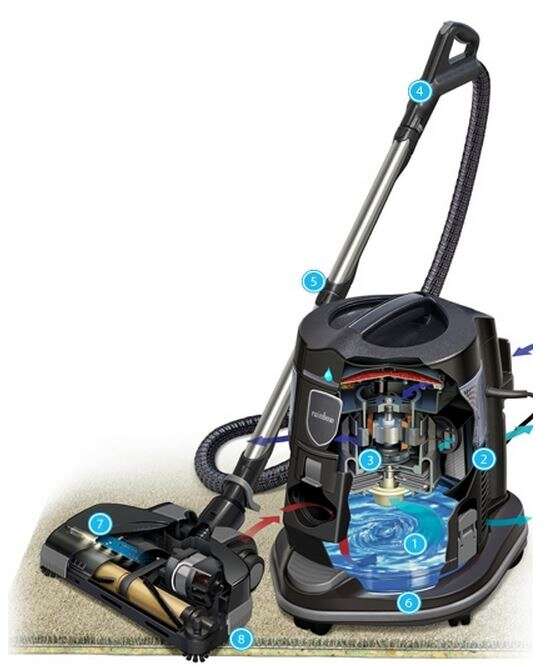
Most vacuums overheat from restricted airflow, a dirty filter, or a blocked hose. When the motor runs hot, a thermal cutout or fuse often trips to protect the motor. That safety device prevents the vacuum from turning on until the motor cools or the cutout is reset.
Knowing the exact cause helps you fix it faster. If you want to know how to fix vacuum cleaner not turning on after overheating, start by checking bag or bin fullness, filters, hoses, and the brush roll. Small issues often stop the entire machine.
Safety first: what to do immediately
Unplug the vacuum right away if it overheats. Allow it to cool fully for at least 30 to 60 minutes before you touch internal parts. Heat can harm you and damage the motor if you rush repairs.
Use gloves before you handle the motor area and avoid water near electrical components. These simple safety steps make all later fixes safer and more reliable when you try to fix vacuum cleaner not turning on after overheating.
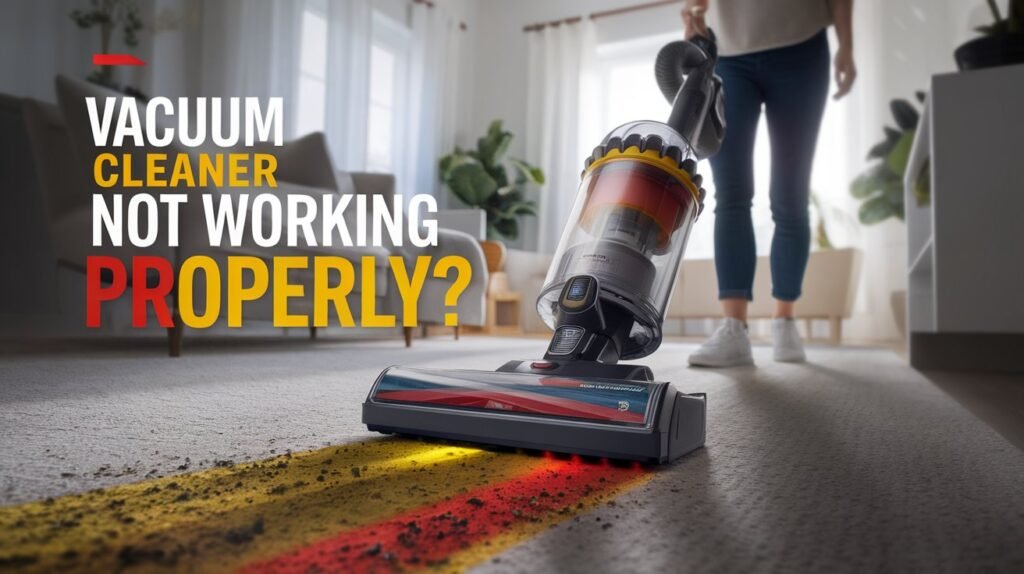
Step-by-step troubleshooting to fix vacuum cleaner not turning on after overheating
- Check the power source
- Plug the vacuum into a known-good outlet. Try another appliance in the same outlet.
- Inspect the plug and cord for cuts or burn marks.
- Let it cool and try the reset
- Wait 30 to 60 minutes for the motor and thermal reset to cool.
- Press the vacuum’s reset button if it has one. Many models require this after overheating.
- Clear obstructions
- Empty the dust bin or replace the bag.
- Remove clogs from the hose, wand, or brush head by pulling debris out gently.
- Clean or replace filters
- Wash foam and HEPA filters per the manual and let them dry fully.
- Replace non-washable filters if they are old or heavily soiled.
- Inspect the brush roll and belt
- Remove tangled hair and fibers from the brush roll.
- Check the belt for cracks and proper tension; replace if worn.
- Test the motor and thermal cutout
- If the vacuum still won’t start, the thermal fuse or motor windings may be bad.
- These parts often need testing with a multimeter or a pro’s help.
- Check internal fuses and switches
- Look for a blown inline fuse or tripped breaker inside the unit.
- Door switches and power switches can fail; test or replace as needed.
Follow this sequence to narrow the cause and fix the vacuum safely. When you systematically check these areas, you’ll know how to fix vacuum cleaner not turning on after overheating without guessing.
PAA-style mini-questions
How long does a vacuum need to cool before trying again?
Wait at least 30 to 60 minutes for the motor and thermal cutout to cool. Some models need longer if they were heavily loaded.
Will cleaning the filter fix the problem?
Often yes. Dirty filters restrict airflow and cause overheating. Clean or replace filters and then test the vacuum.
Common causes and specific fixes
Clogged intake or hose
- Cause: Large debris or packed dust prevents airflow.
- Fix: Remove the blockage with a long brush or flexible cleaning rod.
Dirty or blocked filters
- Cause: Filters trap dust and reduce cooling air.
- Fix: Wash or replace filters. Dry washable filters completely before reuse.
Worn belt or jammed brush roll
- Cause: A stopped brush increases motor load.
- Fix: Remove hair from the brush and replace cracked belts.
Tripped thermal cutout or blown thermal fuse
- Cause: Motor overheats and safety device opens circuit.
- Fix: Let motor cool. Replace thermal fuse if it’s a one-time thermal fuse. Some cutouts are resettable.
Motor damage or burned windings
- Cause: Prolonged overheating or insufficient lubrication.
- Fix: Motor repair or replacement by a service center.
Control switch or wiring fault
- Cause: Age, heat, or a short can damage switches and wiring.
- Fix: Inspect wiring, test switches, and replace faulty parts.
These fixes cover most cases of how to fix vacuum cleaner not turning on after overheating. Start with airflow checks before moving to electrical repairs.
When to replace parts or call a professional
Call a pro if:
- You suspect motor windings are burned.
- The thermal fuse needs replacement and you have no experience with wiring.
- The issue persists after basic troubleshooting.
Replace parts when:
- The belt or filters are visibly worn.
- The thermal fuse is confirmed blown.
- Replacement parts cost less than repair labor.
I’ve replaced a motor and paid more than the vacuum was worth. If the unit is old, compare repair cost versus a new vacuum. Knowing when to stop saves money and stress. This helps you decide the best route to fix vacuum cleaner not turning on after overheating.

Tools, parts, and estimated costs
Tools you may need
- Screwdrivers and pliers
- Multimeter for continuity checks
- Long flexible brush to clear hoses
- Replacement belts and filters
Common part costs
- Filter: $10–$40
- Belt: $5–$20
- Thermal fuse or cutout: $10–$50
- Motor: $80–$300 (varies by model)
Simple fixes like clearing clogs or replacing filters are cheap and often fix the issue. When shopping, match part numbers to your model to ensure correct fit. These small investments often restore a vacuum and show how to fix vacuum cleaner not turning on after overheating affordably.

Preventative maintenance to avoid future overheating
Clean filters regularly every 1 to 3 months depending on use. Empty the dust bin or change the bag before it gets full. Check the hose, wand, and brush roll for hair and debris monthly.
Keep vents and cooling paths clear. Use the vacuum on the right floor setting and avoid large objects that can jam the brush. These habits reduce strain and lower the chance you need to fix vacuum cleaner not turning on after overheating again.

Personal experience, tips, and mistakes to avoid
I once tried to speed-dry a washed filter with a hair dryer. The filter warped and I had to replace it. Lesson learned: always air-dry filters fully. Another time I replaced a belt but forgot to clear the brush; the motor still strained until I removed old hair.
Tips I trust:
- Always unplug before you open the case.
- Use the right replacement part for your model.
- Start with the simplest fix: cooling and clearing clogs.
These small habits cut down visits to the repair shop and help you confidently fix vacuum cleaner not turning on after overheating.
Frequently Asked Questions of how to fix vacuum cleaner not turning on after overheating
Why did my vacuum stop working right after it got hot?
A thermal cutout or fuse likely tripped to protect the motor. Let the vacuum cool and check filters and hoses for blockages before testing again.
Can I reset a thermal fuse myself?
Some vacuums have a reset button for thermal cutouts. One-time thermal fuses must be replaced. If unsure, have a technician check it.
How long should I wait before trying to restart an overheated vacuum?
Wait 30 to 60 minutes for the motor and cutout to cool. Heavily loaded motors may need longer cooling time.
Will replacing the filter stop the overheating permanently?
Replacing clogged filters often fixes overheating when the cause is restricted airflow. If the motor was damaged, filter replacement alone won’t fix it.
Is it safe to keep using a vacuum that overheats occasionally?
No. Repeated overheating can damage the motor and start an electrical fire. Fix the root cause or stop using the vacuum until it’s repaired.
How much does it cost to have a vacuum diagnosed professionally?
Diagnostics often cost $40–$80. Final repair cost depends on parts and labor. Get an estimate before you authorize major repairs.
Conclusion
You can often restore a vacuum that won’t turn on after overheating by cooling it, clearing clogs, and replacing filters or belts. Follow safe steps, test the simple fixes first, and call a pro when electrical or motor issues appear. Take small, regular maintenance steps to prevent overheating in the future. Try the troubleshooting steps above, and if you found this helpful, leave a comment, subscribe for more guides, or share your repair story.

Liora Pennings is a seasoned chef and kitchen enthusiast with a passion for turning everyday cooking into an effortless experience. With years of hands-on culinary expertise, she specializes in practical techniques, ingredient know-how, and smart kitchen solutions that help home cooks elevate their meals. At KitchFlair.com, Liora shares her best tips, time-saving tricks, and honest product reviews to guide readers toward a more efficient, enjoyable, and inspired cooking routine. Whether you’re a beginner or a seasoned home chef, Liora’s friendly, knowledge-packed insights make every visit to the kitchen a little easier—and a lot more delicious.