Does A Coffee Maker Boil Water: The Real Answer
A coffee maker heats water to brew coffee, but most models do not fully boil it.
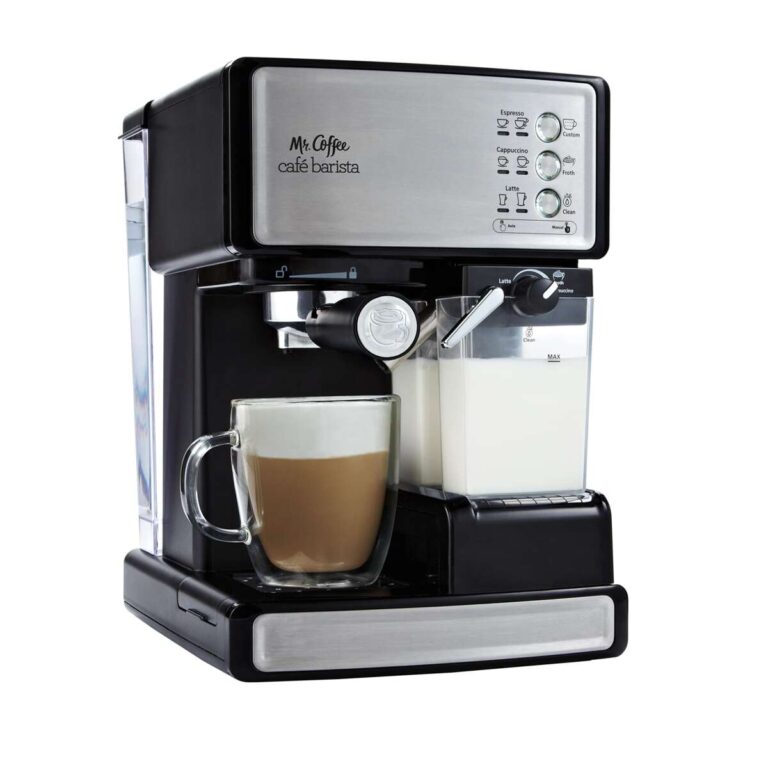
The answer to “does a coffee maker boil water” depends on the machine type, altitude, and brewing design. A standard drip coffee maker usually heats water to about 195°F to 205°F, which is hot enough for proper extraction but below the 212°F boiling point at sea level. Understanding this difference helps you brew better coffee, avoid burns, and use your machine safely.
Does a Coffee Maker Boil Water?
Most coffee makers do not boil water in the same way a kettle or saucepan does. They heat water to a high temperature and move it through coffee grounds before it reaches a full rolling boil.
The ideal coffee brewing temperature is usually between 195°F and 205°F. This range is close to boiling, but it is still lower than 212°F, the boiling point of water at sea level.
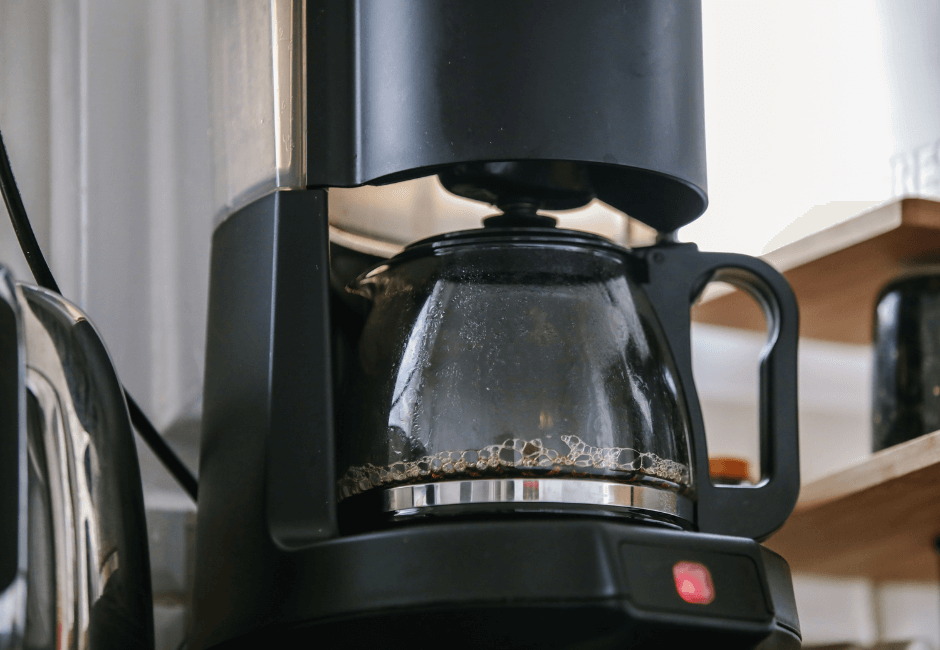
A coffee maker may make water look as if it is boiling. You may see steam, hear popping sounds, or notice small bubbles in the filter basket. These signs do not always mean the water has reached a full boil.
The answer also changes by machine type:
- A drip coffee maker usually heats water below boiling.
- A single-serve brewer heats water to a similar range.
- An espresso machine may heat water near the boiling point but usually controls it carefully.
- A steam-based espresso machine can create water and steam at very high temperatures.
- A moka pot can bring water close to boiling, but it is not the same as a standard coffee maker.
How a Coffee Maker Heats Water
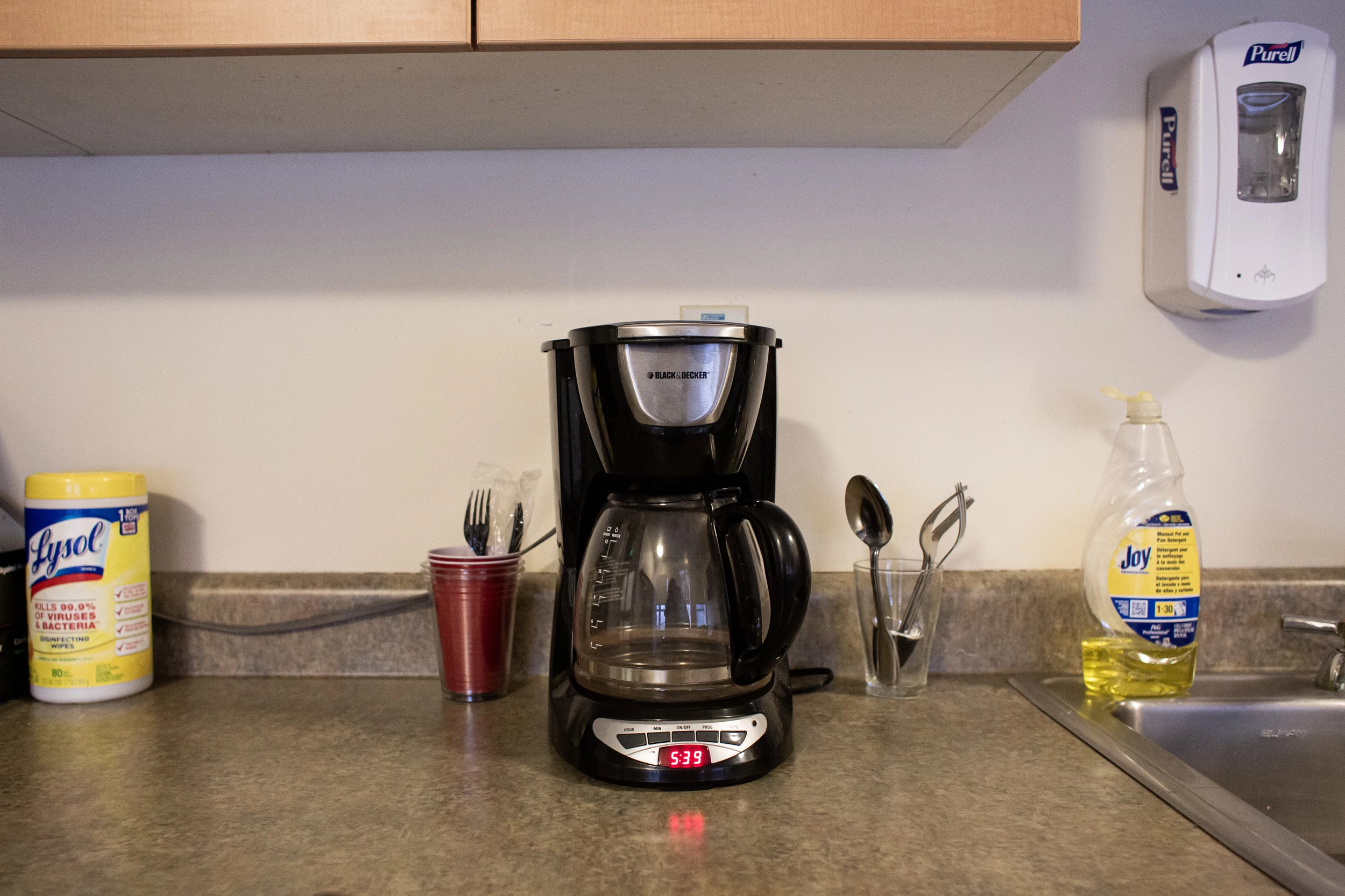
A typical coffee maker uses a small electric heating element. This element sits near an aluminum tube or another heat-conductive part inside the machine.
Here is the basic process:
- You pour cold water into the reservoir.
- The water flows into a narrow tube.
- The heating element warms the tube.
- Heated water rises through the tube.
- The water drips over the coffee grounds.
- The brewed coffee collects in the carafe.
This process works through heat and pressure changes. As water warms inside the tube, small bubbles push water upward. The result is a steady movement of hot water toward the filter basket.
A coffee maker does not need to boil every drop to brew coffee. In fact, water that is too hot can extract bitter flavors from the grounds. Controlled heat gives the coffee maker a better balance between flavor, strength, and brewing time.
In simple terms, a coffee maker acts more like a controlled hot-water pump than a kitchen kettle. It heats the water enough to extract flavor, then sends it through the grounds at a measured rate.
Why Coffee Makers Usually Do Not Boil Water
Coffee makers are designed for extraction, not for producing boiling water. Full boiling can make coffee taste harsh, increase evaporation, and create safety concerns.
The Specialty Coffee Association recommends a brewing temperature around 195°F to 205°F. This range helps dissolve desirable flavor compounds without pulling too many bitter compounds from the coffee.
Boiling water can also damage delicate coffee flavors. Fresh coffee contains acids, sugars, oils, and aroma compounds. Heat changes how quickly these compounds dissolve. If the water is too cool, the coffee may taste weak or sour. If it is too hot, the coffee may taste bitter or burnt.
There is also a practical reason. Most coffee makers use a thermostat to limit the heating temperature. When the water reaches the machine’s target range, the thermostat cycles the heating element on and off.
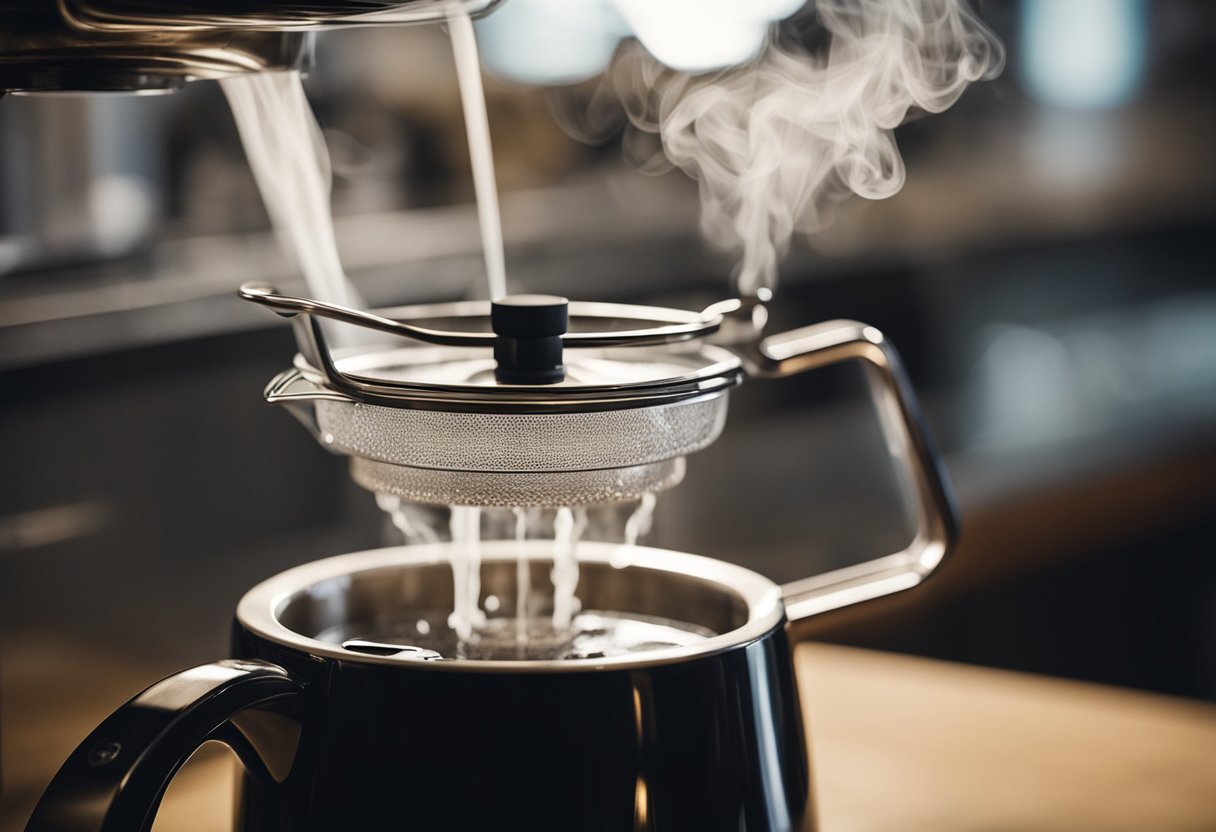
A few bubbles or a little steam are normal. A continuous rolling boil is not typical for a standard drip coffee machine. If your coffee maker produces strong steam, loud hissing, or boiling water in the reservoir, unplug it and check the manual.
What Temperature Does a Coffee Maker Reach?
Most automatic drip coffee makers heat water to about 180°F to 205°F at the spray head. The exact temperature depends on the model, water level, room temperature, mineral buildup, and brewing cycle.
The temperature may also change during brewing. Water at the heating element can be hotter than water that reaches the coffee grounds. Heat is lost as water travels through tubes and spreads across the filter basket.
Here is a simple comparison:
| Appliance or method | Typical temperature |
|---|---|
| Standard drip coffee maker | About 195°F to 205°F |
| Single-serve brewer | About 180°F to 205°F |
| Electric kettle before boiling | About 180°F to 210°F |
| Boiling water at sea level | About 212°F |
| French press water | Commonly 195°F to 205°F |
These numbers are general ranges, not guarantees. A low-cost or poorly maintained coffee maker may brew at a lower temperature. A commercial brewer may maintain heat more accurately.
Altitude also matters. Water boils at a lower temperature in places with lower air pressure. For example, water may boil below 212°F in a high mountain town. Even there, a coffee maker may still heat water below its local boiling point.

Does a Coffee Maker Boil Water for Tea?
A coffee maker can produce hot water for tea, but it may not boil the water. It can work well for some teas, instant drinks, oatmeal, and other simple uses.
However, using a coffee maker for tea has drawbacks. Coffee oils and residue can remain inside the reservoir, tubes, and filter basket. These residues may give your tea a stale or bitter taste.
For cleaner results, run two or three brewing cycles with fresh water before making tea. Do not add tea leaves directly to the coffee filter unless the machine instructions allow it.
Different teas also need different water temperatures:
- Green tea often tastes better with water around 160°F to 180°F.
- White tea often uses water around 170°F to 185°F.
- Black tea usually works well with water around 195°F to 212°F.
- Herbal tea often benefits from water at or near boiling.
A coffee maker may be too hot for some delicate green teas and not hot enough for herbal tea that needs a true boil. An electric kettle gives you better control.

Can You Use a Coffee Maker to Boil Water?
You should not use a standard coffee maker when you need genuinely boiling water. The machine may heat water close to boiling, but it is not designed to confirm or maintain a full boil.
Avoid placing loose objects, metal containers, or unusual liquids in the reservoir. Coffee makers are designed for clean water only. Milk, soup, oils, and flavored drinks can damage internal parts and create a sanitation problem.
If you need boiling water, use:
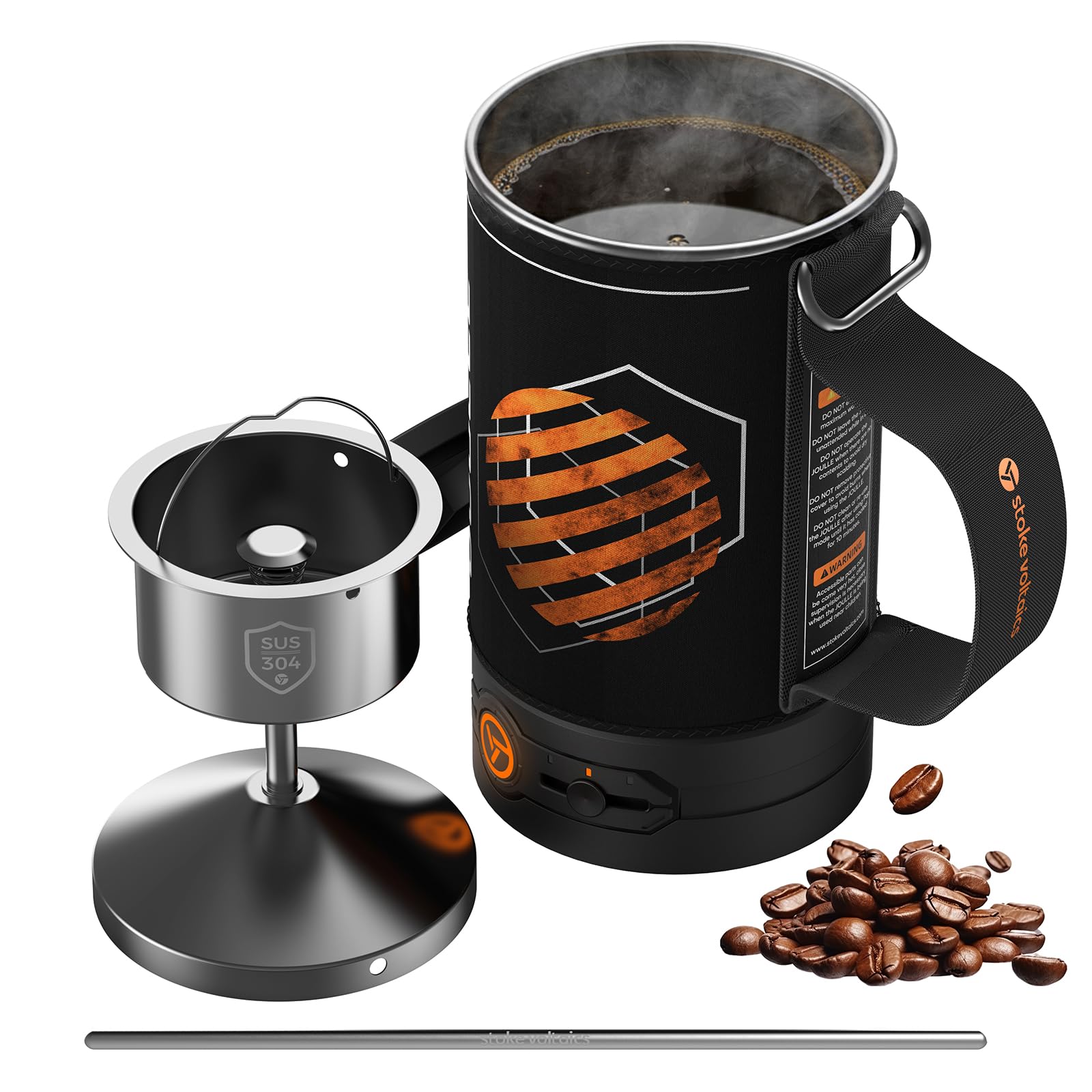
- An electric kettle
- A saucepan on a stove
- A microwave-safe container
- A purpose-built hot-water dispenser
An electric kettle is usually the fastest option. It also has a clear shutoff point and is made to bring water to a true boil.
One practical lesson is easy to remember: a coffee maker can make very hot water, but “very hot” is not the same as “boiling.” Treat the water as a burn risk even when it is below 212°F.
Is Coffee Maker Water Safe to Drink?
Water from a clean coffee maker is generally safe to drink, but the machine does not automatically sterilize the water. Reaching a warm brewing temperature is not the same as holding water at a full boil long enough to kill harmful organisms.
Use fresh, safe drinking water in the reservoir. If your tap water is not safe, use properly treated or bottled water instead. Do not rely on a coffee maker to make unsafe water safe.
Clean the machine on a regular schedule. A dirty coffee maker can collect mineral scale, coffee oils, mold, and bacteria in damp areas. The carafe, lid, filter basket, and reservoir need attention too.
A basic cleaning routine includes:
- Empty the filter basket after each use.
- Rinse the carafe and filter basket daily.
- Wipe the reservoir with a clean cloth.
- Run a manufacturer-approved cleaning cycle.
- Rinse with two or three cycles of fresh water.
- Let removable parts dry fully.
Follow the manufacturer’s instructions for descaling. Vinegar is used by many households, but some manufacturers recommend a specific cleaner instead.
Does a Coffee Maker Boil Water at High Altitude?
At high altitude, water boils at a lower temperature because air pressure is lower. This can affect both coffee brewing and the way your coffee maker operates.
For example, water may boil at roughly 203°F in some elevated areas rather than 212°F. A coffee maker that heats water to 200°F may be much closer to boiling in that location.
Still, most coffee makers use internal controls rather than simply heating water until it boils. The machine may continue to brew normally, or it may produce weaker coffee if its heating system cannot maintain the right temperature.
High-altitude users may notice:
- Longer brewing times
- More steam
- Different coffee flavor
- A weaker brew
- More mineral buildup if the water is hard
Check the user manual for altitude guidance. Some advanced machines allow temperature adjustments, while basic models do not.
Why a Coffee Maker May Seem to Boil Water
Several normal actions can make a coffee maker appear to boil water. The heating element may create small bubbles inside the tube. Hot water may also release steam as it sprays over the grounds.
- Small bubbles inside the heating tube
- Steam escaping from the spray head
- Water dripping onto hot surfaces
- Mineral scale around the heating element
- A clogged spray head
- A malfunctioning thermostat
Mineral scale is a common problem. Hard water leaves calcium deposits inside the machine. These deposits can restrict water flow, increase noise, and make heating less even.
If the machine produces a violent boil, strong steam, or a burnt smell, stop using it. Unplug it after it is safe to do so, then inspect the manual or contact the manufacturer. Do not open the electrical housing unless you are trained to repair appliances.

How to Test Whether a Coffee Maker Boils Water
You can measure the brewing temperature with a kitchen thermometer. This gives you a better answer than judging by sound or steam.
Use this simple method:
- Place a clean cup under the brew outlet.
- Start a normal brewing cycle with plain water.
- Stir the water gently as it collects.
- Measure the temperature right away.
- Repeat the test during another cycle for a clearer result.
Take care. The water may be hot enough to cause serious burns. Keep your hands away from the spray head and use a heat-safe cup.
Do not test by touching the water or placing your face near the steam. Also, do not assume that one reading represents the entire brewing cycle. The first water may be cooler, while later water may be hotter.
A thermometer reading below 212°F confirms that the water did not reach the boiling point at sea level. The result may differ based on altitude, machine type, and measurement method.
Does a Coffee Maker Boil Water Better Than a Kettle?
A kettle is better when your goal is to boil water. A coffee maker is better when your goal is to brew coffee automatically.
Coffee makers spread hot water over grounds at a controlled pace. Kettles heat water in one container and often shut off when the water reaches a boil.
Choose a coffee maker when you want:
- Automatic coffee brewing
- Consistent contact between water and grounds
- A timed brew cycle
- A warm carafe
- Coffee for several people
Choose a kettle when you want:
- True boiling water
- Faster heating
- Temperature control for tea
- Hot water for cooking
- Better control over water volume
Neither appliance is always better. They serve different jobs. The mistake is expecting a coffee maker to perform like a kettle when its heating system was built for coffee extraction.
Common Mistakes to Avoid
Many problems happen because people treat a coffee maker like a general-purpose boiling appliance. A few simple habits can protect the machine and improve the drink.
Avoid these mistakes:
- Do not put milk in the water reservoir.
- Do not use the coffee maker to boil soup or sauces.
- Do not leave old water sitting in the reservoir for days.
- Do not ignore loud hissing or heavy steam.
- Do not use a cracked glass carafe.
- Do not descale only after the machine stops working.
- Do not assume hot water has been sterilized.
- Do not rinse electrical parts under running water.
Use the right amount of water and coffee. Overfilling the basket can cause overflow, while too little water can expose the heating system to unnecessary stress.
Regular cleaning is one of the best ways to keep the brewing temperature stable. A clean machine can move water more freely and transfer heat more efficiently.
Frequently Asked Questions About Does a Coffee Maker Boil Water
Does a coffee maker reach 212°F?
Most standard coffee makers do not reach 212°F at sea level. They usually heat water to about 195°F to 205°F for better coffee extraction.
Can a coffee maker kill bacteria in water?
A coffee maker is not a reliable water sterilizer. Its water may become very hot, but the machine does not usually boil and hold the water long enough to make unsafe water safe.
Is coffee maker water hot enough for tea?
Coffee maker water is hot enough for many black teas and some herbal teas. It may be too hot for delicate green tea and not consistently boiling for teas that require full boiling water.
Why is my coffee maker steaming?
Some steam is normal during brewing. Heavy steam, loud hissing, slow dripping, or a burnt smell may indicate mineral buildup, a blockage, or a faulty thermostat.