How To Clean Carpet With Vacuum Cleaner: Easy Tips
Vacuuming slowly and often removes dirt, dust, hair, and allergens before they damage carpet fibers.
Knowing how to clean carpet with vacuum cleaner can make your rooms look fresher and help your carpet last longer. The best results come from more than pushing the machine back and forth. You need the right settings, steady passes, good timing, and a few simple habits that many people miss. This guide explains the process in a clear, practical way, including how to handle pet hair, stains, edges, and different carpet types.
Why Regular Vacuuming Matters
Carpet acts like a filter. It traps dust, soil, pollen, crumbs, and hair that fall from daily life. When this grit stays in the fibers, foot traffic pushes it deeper, almost like sandpaper rubbing against the carpet.
Learning how to clean carpet with vacuum cleaner helps remove this loose soil before it becomes a larger problem. Regular vacuuming can also improve the room’s smell and reduce the amount of dust that becomes airborne.
The best schedule depends on how much use the room gets:
• Low traffic rooms: Vacuum once each week.
• Busy family rooms: Vacuum two or three times each week.
• Homes with pets, children, or allergies: Vacuum high-use areas daily or every other day.
• Entryways: Vacuum as often as needed because they collect outdoor grit.
Vacuuming does not replace professional carpet cleaning. It removes dry, loose soil, but it cannot fully remove deep stains, sticky residue, or heavily embedded grime. Still, it is the most important daily care step for most carpets.
Prepare the Carpet Before Vacuuming
Good preparation makes how to clean carpet with vacuum cleaner faster and more effective. Start by removing toys, shoes, small objects, and loose cords from the floor. These items can block the vacuum or damage the brush roll.
Check the carpet care label if you are unsure about the material. Most household carpets are made from nylon, polyester, or olefin, but wool and other natural fibers may need gentler care.
Before you begin, inspect the vacuum cleaner:
• Empty the dust cup or replace the bag if it is nearly full.
• Clean or replace the air filter according to the manual.
• Remove hair and thread from the brush roll.
• Check the hose for clogs.
• Make sure the floor head is clean.
A full bag or clogged filter can weaken suction. It can also make the vacuum blow fine dust back into the room. If the machine smells hot, sounds unusual, or loses suction, stop and inspect it before continuing.
One mistake I often see is vacuuming around clutter instead of moving it. That leaves small “islands” of dirt under tables and chairs. A two-minute floor reset can make a major difference.
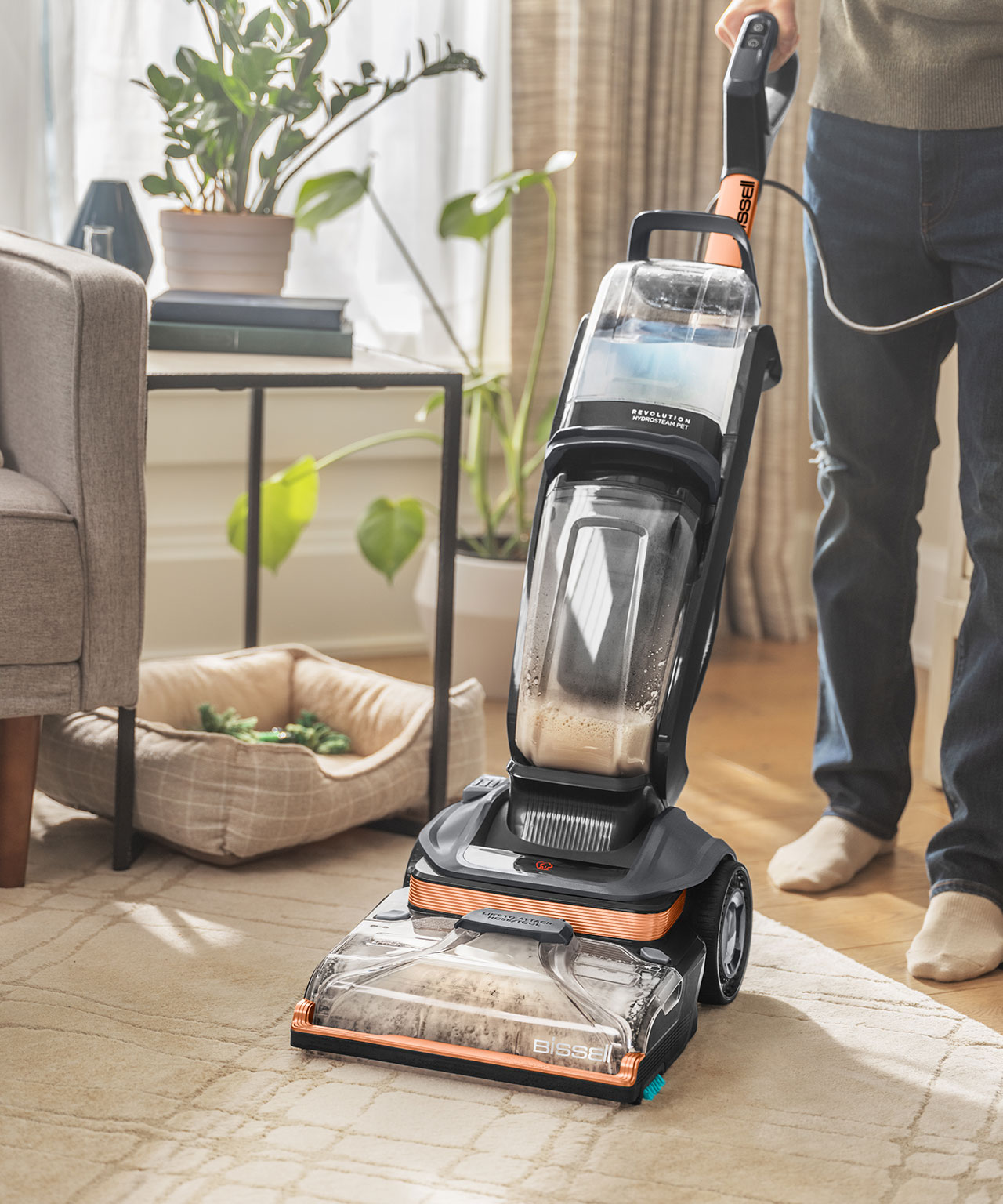
Choose the Right Vacuum Settings
The correct setting depends on the carpet’s height and density. A vacuum that sits too low may be hard to move and can strain the belt or motor. A setting that is too high may leave dirt behind.
For adjustable vacuums, begin with the highest setting that still gives steady contact with the carpet. Lower it one step at a time until the cleaner moves with mild resistance, not force.
Use these general guidelines:
• Low-pile carpet: Use a low or medium height setting.
• Medium-pile carpet: Use a medium setting and test the movement.
• High-pile or plush carpet: Use a higher setting to prevent the head from sealing to the fibers.
• Berber or loop carpet: Follow the manufacturer’s advice and avoid aggressive brush action if recommended.
• Wool carpet: Use a suction-only or wool-safe setting when possible.
• Area rugs: Check the rug label and secure the rug before vacuuming.
The beater bar or brush roll helps loosen soil, but it is not safe for every surface. Turn it off when cleaning delicate rugs, fringed edges, or carpet that may snag. Always follow the vacuum and carpet manufacturer’s instructions when they conflict with general advice.

How to Clean Carpet With Vacuum Cleaner Step by Step
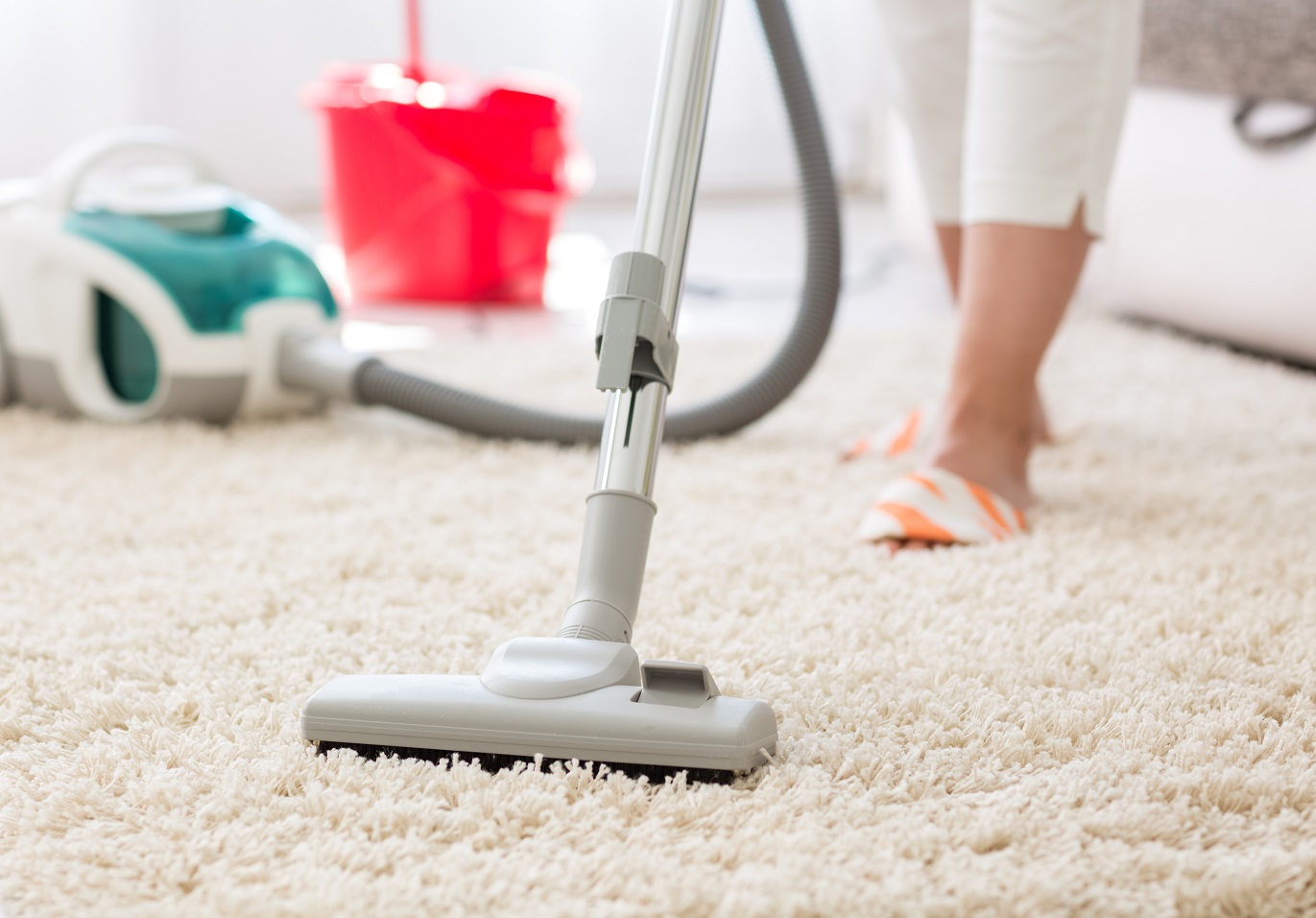
The most effective method uses slow, overlapping passes. Rushing leaves dirt behind because the vacuum needs time to lift particles from the pile.
Follow these steps:
-
Open a window if weather and outdoor air quality allow it. This can help freshen the room, but do not rely on fragrance sprays to cover odors.
-
Start at the farthest corner of the room. Work toward the doorway so you do not walk over freshly cleaned areas.
-
Vacuum the edges first with the crevice tool or edge-cleaning feature. Dust often collects where the carpet meets the wall.
-
Push the vacuum forward slowly. Pull it back at the same speed.
-
Overlap each pass by about one-third of the vacuum head. This prevents narrow strips of carpet from being missed.
-
Vacuum in one direction across the room.
-
Turn and vacuum the same area in the opposite direction. Cross-vacuuming helps lift soil from different sides of the carpet pile.
-
Make extra passes over entrances, hallways, and places where people sit.
-
Use the hose and upholstery tool around baseboards, under furniture, and on stairs.
-
Empty the dust cup outdoors if possible, then store the machine with the cord and tools safely arranged.
A slow pass is far more useful than several quick passes. Think of the vacuum head as a small broom with suction. It needs time to disturb and collect the dirt.
When explaining how to clean carpet with vacuum cleaner, I always stress the pull-back motion. Many people push the machine quickly but pull it back too fast. The backward pass often removes more soil, so give it equal attention.
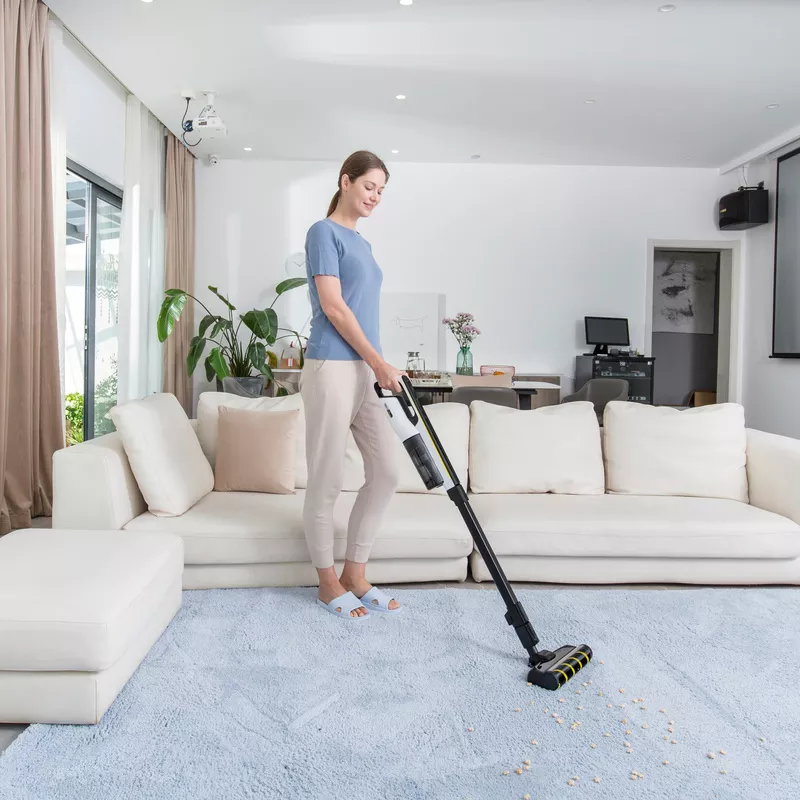
How to Vacuum High-Traffic Areas
High-traffic carpet needs a different approach because dirt enters these areas again and again. Entryways, stairs, hallways, and spots near sofas usually need more frequent care than spare bedrooms.
Place strong doormats outside and inside every main entrance. Clean the mats often because a dirty mat cannot trap much soil. Removing shoes indoors also reduces the amount of grit that reaches the carpet.
For busy areas:
• Vacuum slowly each day when possible.
• Make two or three passes from different directions.
• Focus on the first few feet inside each entrance.
• Move light furniture from time to time.
• Treat spills as soon as they happen.
Do not use extra pressure to force the vacuum into the carpet. Pressing down can reduce airflow and flatten the pile. Let the machine’s weight and brush system do the work.
If the carpet looks dull after vacuuming, the issue may be crushed fibers rather than dirt. A clean, dry carpet rake can gently lift some piles, but test it in a hidden area first.

How to Remove Pet Hair With a Vacuum
Pet hair can cling to carpet through static and tangled fibers. Standard vacuuming may remove loose hair, but it may not collect hair that has worked deep into the pile.
For better results:
• Use a vacuum with a sealed system and a motorized brush designed for pet hair.
• Empty the dust cup often because hair fills it quickly.
• Vacuum in several directions.
• Use a rubber broom or squeegee on stubborn areas before vacuuming.
• Groom pets regularly to reduce loose hair.
• Clean the brush roll after each heavy pet-hair session.
Avoid spraying large amounts of water on pet hair before vacuuming. Damp hair can mat into the carpet and may encourage odor if the area dries slowly. For urine or vomit, remove solids first, blot moisture, and use a carpet-safe enzymatic cleaner made for the specific problem.
Vacuuming can remove dander and loose hair, but it may not remove every allergen. A vacuum with a sealed body and a high-efficiency filter may help reduce fine particles, although no vacuum removes all allergens from a home.
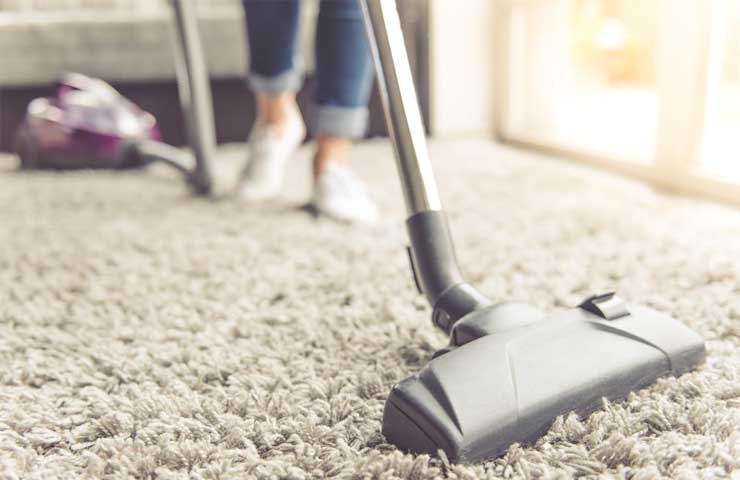
How to Clean Carpet Stains With a Vacuum Cleaner
A vacuum cleaner is mainly for dry soil. It does not replace a spot cleaner, but it plays an important role before and after stain treatment.
For a fresh spill:
-
Pick up solid material with a spoon or dull edge.
-
Blot liquid with a clean white cloth.
-
Apply a small amount of carpet-safe cleaning solution.
-
Blot from the outside of the stain toward the center.
-
Rinse lightly if the product instructions call for it.
-
Blot until the area is only slightly damp.
-
Let the carpet dry fully.
-
Vacuum the dry area to lift the pile and remove loosened residue.
Never scrub hard. Scrubbing can spread the stain and damage carpet fibers. Avoid mixing cleaning products, especially products containing bleach, ammonia, or strong acids.
Test any cleaner on a hidden section first. Color loss, fiber damage, and unwanted texture changes can happen even when a product seems mild. If a stain covers a large area or returns after drying, professional cleaning may be the safer choice.
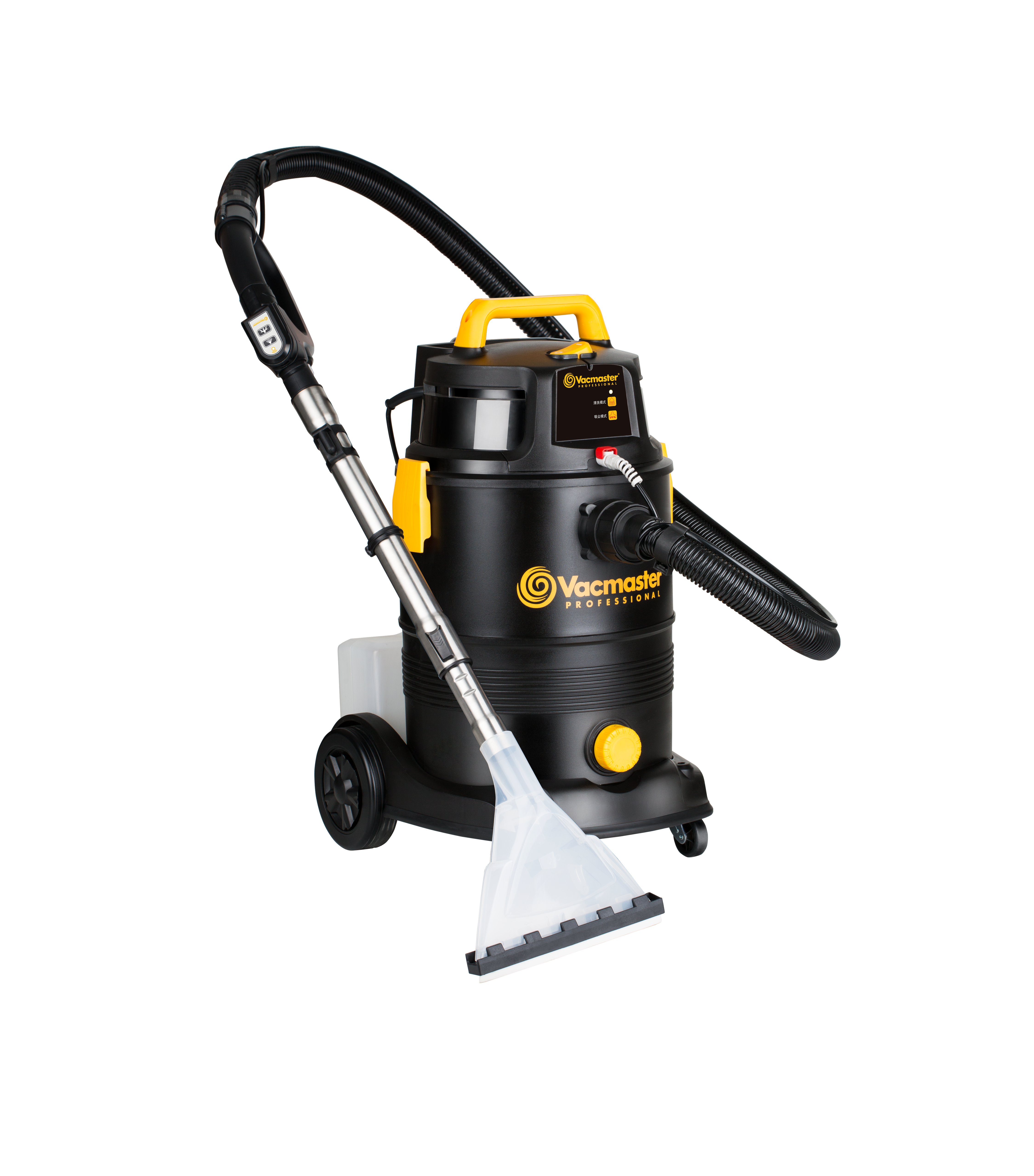
Vacuuming Stairs, Corners, and Under Furniture
A regular upright vacuum may not reach every part of a room. Dirt often gathers along edges, beneath furniture, and on stair treads.
Use the hose, crevice tool, or a small powered attachment for these areas. On stairs, start at the top and work down only if the vacuum can be placed safely. Otherwise, use a lightweight canister or handheld model that you can control without stretching the cord.
For safe stair cleaning:
• Keep the vacuum stable on a step or landing.
• Do not pull a heavy machine by its hose.
• Use the correct stair attachment.
• Keep the cord away from your feet.