Can You Grate Ginger Without Peeling It: Easy Kitchen Guide
Yes, you can grate ginger without peeling it when the skin is clean, thin, and free from damage.
Many cooks peel ginger out of habit, but peeling is not always needed. I have tested both methods in sauces, tea, stir-fries, and baked dishes, and the best choice depends on the ginger’s age, texture, and cleanliness. This guide explains when you can grate ginger without peeling it, how to do it safely, and when peeling gives better results.
Can You Grate Ginger Without Peeling It?
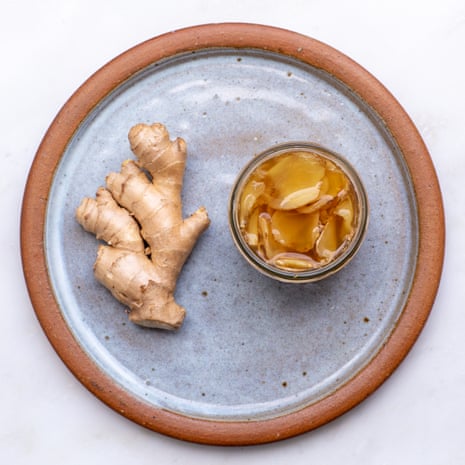
Yes, you can grate ginger without peeling it. Fresh ginger has a thin outer skin that is safe to eat when the root is washed well. A fine grater breaks the skin into tiny pieces, so you may not notice it in most dishes.
The skin has a mild, earthy taste. It usually blends into soups, sauces, marinades, curries, and baked foods. For a smooth drink or delicate dessert, peeled ginger may give a cleaner texture.
You can grate ginger without peeling it if:
• The ginger is fresh and firm
• The skin is thin and smooth
• You wash away all soil and residue
• There is no mold, soft decay, or deep damage
• You use a fine grater or microplane
Young ginger often has such delicate skin that peeling it feels like removing paper from an apple. Older ginger has tougher skin, more wrinkles, and a drier center, so peeling becomes more useful.

Is Ginger Skin Safe to Eat?
Ginger skin is generally safe to eat after proper washing. The skin is not toxic, and it contains some natural plant compounds found in the rest of the root. Still, safe use depends on cleanliness and quality.
Fresh ginger grows in soil, so dirt may collect around its bumps and grooves. Rinsing alone may not remove everything. Scrub the root under cool running water with a clean produce brush or your fingers.
Follow these simple safety steps:
- Rinse the ginger under cool running water.
- Rub the whole root to loosen dirt.
- Scrub deep grooves with a clean produce brush.
- Pat it dry with a clean towel.
- Cut away bruises, mold, or soft spots.
- Grate only the firm, clean part.
Do not use ginger with fuzzy mold. Cutting off one small spot may not make moldy produce safe because mold can spread below the surface. If the root smells sour, feels slimy, or has large dark areas, discard it.
Food safety guidance also recommends washing produce before cutting or grating it. Washing after grating is not practical because the ginger has already spread across the grater and work surface.

When Should You Peel Ginger Before Grating?
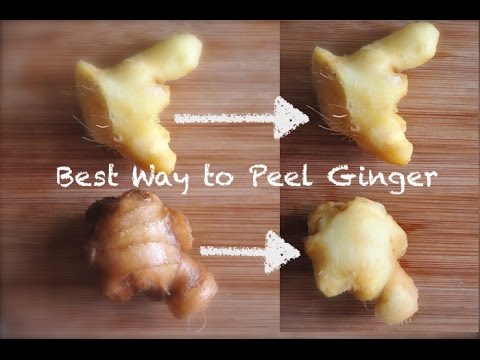
You should peel ginger when the skin is thick, dry, rough, or heavily wrinkled. Older ginger can have a fibrous outer layer that feels unpleasant in smooth foods.
Peeling also helps when you want a bright, clean ginger flavor. This matters in recipes such as:
• Ginger tea
• Fresh ginger juice
• Smoothies
• Custards
• Frostings
• Light salad dressings
• Clear broths
If you can grate ginger without peeling it, the result may still contain tiny bits of skin. These bits are not usually a problem in a curry or stir-fry. However, they may stand out in a strained drink or silky dessert.
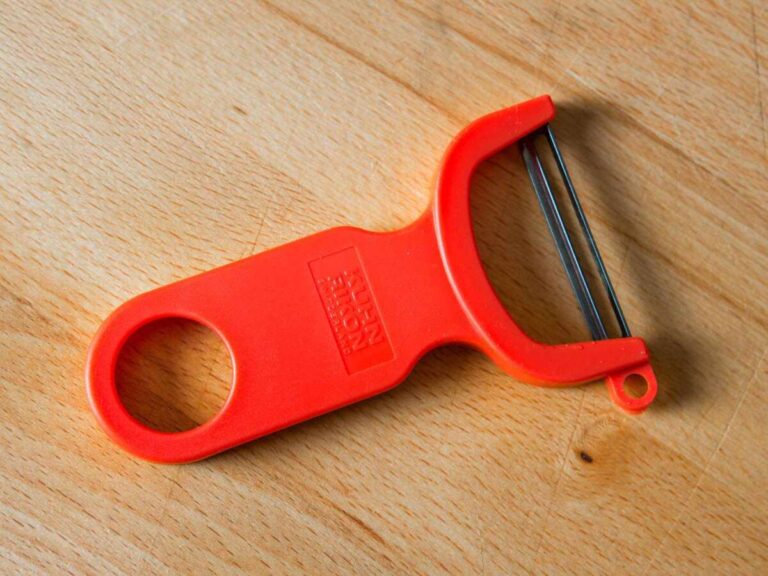
A spoon works well for peeling ginger. Hold the spoon in one hand and scrape its edge over the root with the other hand. The spoon follows the bumps better than a vegetable peeler and removes less flesh.
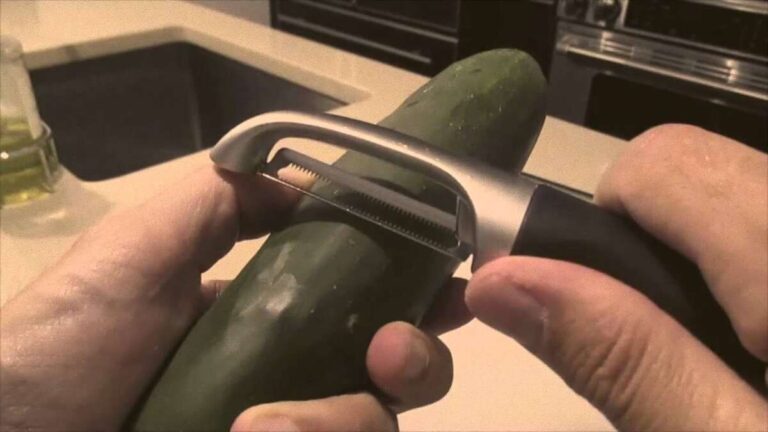
In my kitchen tests, a spoon was most helpful on older ginger with deep grooves. A vegetable peeler often removed too much of the root, especially around the knobs.

How to Grate Ginger Without Peeling It
The easiest method uses a fine grater, such as a microplane. Its sharp surface catches the ginger flesh and turns it into a soft paste. The thin skin usually stays on the outside or breaks into very small pieces.
Use this method:
- Choose a firm piece of ginger.
- Wash and dry it well.
- Trim off the ends.
- Hold the grater at a slight angle over a bowl.
- Move the ginger across the grater with short strokes.
- Turn the root as you work.
- Stop when only a small piece remains.
- Use a spoon to scrape the ginger from the underside.
Keep your fingers away from the grating surface. The final small piece can be difficult to hold. Some cooks use a fork or protective cut-resistant glove for extra control.
If you can grate ginger without peeling it, the grater may collect a thin layer of skin. This is normal. You can mix it into the recipe or remove it from the grater with a spoon.
Do not press too hard. Gentle strokes produce a moist pulp and reduce the chance of scraping your fingers. A sharp microplane also works better than a dull box grater.
The Best Graters for Unpeeled Ginger
A fine microplane is usually the best tool for unpeeled ginger. It creates a smooth pulp and handles the thin skin well. It also releases ginger juice directly into the bowl.
A ceramic ginger grater is another good choice. Many ceramic graters have small teeth that create a soft paste. They are useful for small amounts of ginger, but they may take longer to clean.
A standard box grater works when you need a larger amount. Use the smallest holes for the best texture. The larger holes may produce stringy pieces and leave more skin in the mixture.
Here is a simple guide:
• Microplane: Best for sauces, tea, dressings, and small amounts
• Ceramic grater: Best for a soft paste and gentle grating
• Box grater: Best for larger amounts
• Food processor: Best for many roots at once
• Fork: Useful for crushing cooked ginger, not raw ginger
If you can grate ginger without peeling it, tool choice matters more than peeling. A fine grater makes the skin almost unnoticeable.
Does Unpeeled Ginger Taste Different?
Unpeeled ginger may taste slightly earthier than peeled ginger. The difference is small when you use a little ginger in a strongly flavored dish. It can be more noticeable in tea, juice, or a delicate sauce.
The skin does not usually make ginger bitter by itself. Bitterness often comes from old ginger, excessive grating, or using too much of the root. Fresh ginger should smell sharp, warm, and citrusy.
The part of the root you use also affects flavor. Ginger near the center may be juicy and mild. Ginger near older, woody areas may be stronger and more fibrous.
When you can grate ginger without peeling it, taste the first small amount before adding more. Ginger becomes stronger as it sits, especially in hot liquids. Start with less, then adjust.
For a balanced flavor, combine ginger with ingredients such as:
• Garlic
• Lime juice
• Soy sauce
• Honey
• Rice vinegar
• Sesame oil
• Coconut milk
Benefits of Grating Ginger With the Skin On
Grating unpeeled ginger can save time and reduce food waste. Peeling a knobby root takes longer than many people expect. It can also remove a thin layer of useful ginger flesh.
Other benefits include:
• Faster meal preparation
• Less food waste
• Fewer tools to wash
• More natural texture
• Easy preparation for small amounts
• Better use of young ginger
You can grate ginger without peeling it when you need only a teaspoon for a quick meal. There is no reason to spend extra time peeling a small piece that will disappear into a sauce.
That said, keeping the skin on is not always better. Cleanliness, texture, and the recipe still matter. The goal is not to avoid peeling at all costs. The goal is to choose the method that gives the best result with the least effort.

Common Mistakes to Avoid
One common mistake is grating ginger straight from the produce bag. Even ginger that looks clean may have soil in its grooves. Always rinse and scrub it first.
Another mistake is using soft or moldy ginger. A small dry patch is not always serious, but slimy areas and fuzzy growth are warning signs. When in doubt, throw it out.
Avoid these errors:
• Skipping the wash
• Using a dull grater
• Pressing too hard
• Grating toward your fingers
• Using old, woody ginger in a smooth recipe
• Leaving wet ginger uncovered in the refrigerator
• Washing a grater carelessly after use
Clean the grater soon after use. Ginger fibers can dry in the tiny holes and become hard to remove. A stiff brush or the rough side of a sponge can help.
My most useful lesson was to dry the ginger before grating. Wet ginger slips more easily, while dry ginger gives better control. It also produces a thicker paste instead of a watery mess.

How to Store Ginger Before and After Grating
Store fresh ginger in the refrigerator to help it stay firm. Keep it dry and place it in a breathable bag or container. Excess moisture can encourage mold.
If you grate more ginger than you need, place it in a clean, sealed container and refrigerate it. Use it soon for the best flavor and texture. Fresh ginger loses its bright aroma after it is grated.
You can also freeze ginger. A frozen root becomes firm and easy to grate. Many cooks grate it directly from the freezer without peeling it. This method works well because the skin becomes less noticeable and the root is easier to handle.
For frozen ginger:
- Wash the root.
- Dry it completely.
- Place it in a freezer-safe bag.
- Freeze it whole.
- Grate only what you need.
- Return the rest to the freezer.
Do not leave grated ginger at room temperature for long periods. Treat it like other fresh produce and refrigerate leftovers promptly.
Can You Grate Ginger Without Peeling It for Tea?
Yes, you can grate ginger without peeling it for tea if you scrub the root well first. The tea can have a slightly earthy note, but straining removes most bits of skin.
For a simple cup, grate about 1 teaspoon of fresh ginger into hot water. Let it steep for five to ten minutes, then strain it. Add lemon or honey if you like.
Peel the ginger if you want a very clear drink or if the skin looks tough. Young ginger is usually fine to use unpeeled in tea.
Can You Grate Ginger Without Peeling It for Baking?
Yes, you can grate ginger without peeling it for many baked recipes. Cakes, muffins, cookies, and quick breads can hide tiny pieces of skin well.
Use fresh ginger and a fine grater. If the recipe calls for a smooth ginger paste, peeling may improve the final texture.
Can You Grate Ginger Without Peeling It After Freezing?
Yes, frozen ginger can be grated with the skin on. In fact, freezing makes the root firm and easier to grate.
Wash and dry the ginger before freezing it. Grate only the amount you need, then return the remaining root to the freezer.
Frequently Asked Questions
Can you grate ginger without peeling it?
Yes, you can grate ginger without peeling it when the skin is thin and clean. Wash and scrub the root first, then use a fine grater for the smoothest result.
Is ginger skin bitter?
Ginger skin is not usually bitter, but it can taste earthy. Older ginger may have tougher skin and a stronger flavor than young ginger.
Should you wash ginger before grating it?
Yes, always wash ginger before grating it. Soil and residue can collect in the root’s grooves, so scrub the surface under cool running water.
Can you eat raw ginger skin?
Yes, raw ginger skin is generally edible when the ginger is fresh and well washed. Remove the skin if it is thick, dry, damaged, or unpleasant in texture.
Is it better to peel ginger with a spoon?
A spoon is often the easiest tool for peeling ginger. Its edge follows the root’s curves and removes less flesh than many vegetable peelers.
Can you grate frozen ginger with the skin on?
Yes, frozen ginger grates well without peeling. Wash and dry it before freezing, then grate it while frozen for easy handling.
Conclusion
You can grate ginger without peeling it when the root is fresh, firm, and thoroughly clean. A fine microplane makes the skin almost invisible, saves time, and reduces waste. Peel ginger when the skin is thick, rough, damaged, or likely to affect a smooth recipe.
Wash the root, use a sharp grater, protect your fingers, and trust the texture of the ginger in front of you. Try the unpeeled method in your next stir-fry, tea, or sauce, and share your favorite ginger tips in the comments.

Liora Pennings is a seasoned chef and kitchen enthusiast with a passion for turning everyday cooking into an effortless experience. With years of hands-on culinary expertise, she specializes in practical techniques, ingredient know-how, and smart kitchen solutions that help home cooks elevate their meals. At KitchFlair.com, Liora shares her best tips, time-saving tricks, and honest product reviews to guide readers toward a more efficient, enjoyable, and inspired cooking routine. Whether you’re a beginner or a seasoned home chef, Liora’s friendly, knowledge-packed insights make every visit to the kitchen a little easier—and a lot more delicious.