Can Vacuum Cleaner Clean Water: Safe Wet-Dry Cleaning Guide
A vacuum cleaner can clean water only when it is designed for wet pickup.
The answer depends on the vacuum type, the amount of water, and the manufacturer’s instructions. A wet/dry vacuum can safely collect spills, while a standard household vacuum may suffer motor damage, electric shock, mold growth, or permanent loss of suction. This guide explains how to identify the right machine, clean water safely, and avoid costly mistakes.
Can a Vacuum Cleaner Clean Water?
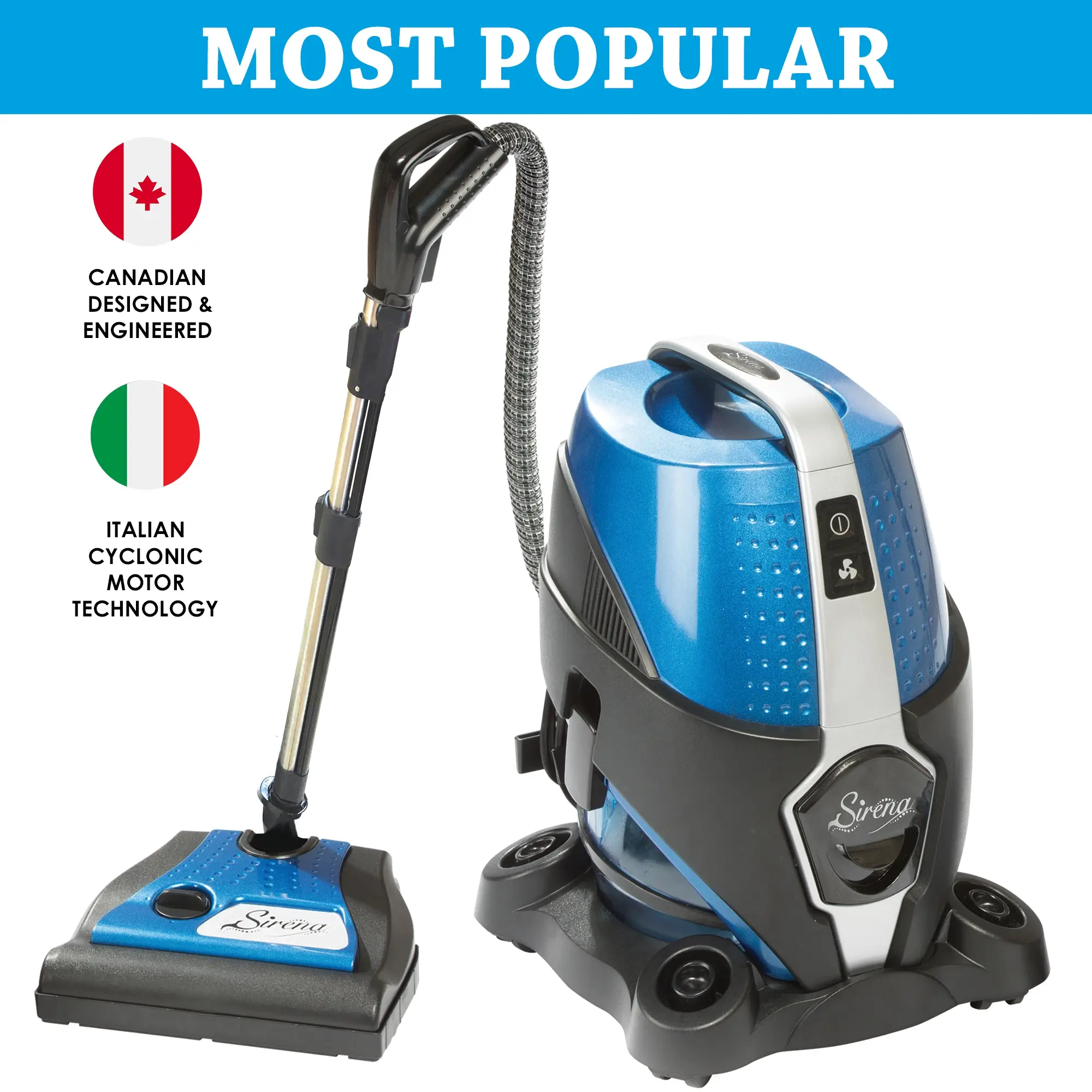
Yes, some vacuum cleaners can clean water, but not all models are built for it. Wet/dry vacuums, shop vacs, and carpet cleaners often support liquid pickup. Standard upright, canister, stick, and robot vacuums usually do not.
The key difference is how the machine handles liquid. A wet-capable vacuum has parts that can manage water without sending it into the motor or electrical system. It may also have a float shutoff that stops suction when the tank reaches its safe limit.
If you are asking, “can vacuum cleaner clean water?” check the product label first. Look for terms such as:
• Wet/dry vacuum
• Wet pickup
• Liquid recovery
• Shop vacuum
• Carpet cleaner
• Extractor
Never assume that a powerful vacuum can collect water. Suction strength does not make a machine waterproof.

Which Vacuum Cleaners Can Pick Up Water?
Different vacuum types handle water in different ways. Knowing the difference can protect your machine and your home.
Wet/dry vacuum
A wet/dry vacuum is the safest choice for water spills. It can often collect water from hard floors, garages, basements, workshops, and vehicles.
Most wet/dry models use a large tank instead of a disposable dust bag. Many also include a float valve or automatic shutoff. This feature helps prevent water from reaching the motor.
Still, you must follow the manual. Some models need a foam sleeve or a special filter for wet pickup. Others require you to remove the dry filter before collecting liquid.
Shop vacuum
A shop vacuum is another name for many wet/dry vacuums. It is made for heavy work, such as sawdust, dirt, mud, and small amounts of standing water.
Shop vacuums are useful after a sink overflow, appliance leak, or small basement spill. They are not a replacement for a professional water extraction system after major flooding.
Carpet cleaner
A carpet cleaner can spray water and cleaning solution onto carpet, then remove the dirty liquid. It is designed for controlled water extraction.
A carpet cleaner is useful for:
• Carpet stains
• Pet accidents
• Upholstery cleaning
• Small rug spills
It may not work well on deep standing water. Too much water can fill the recovery tank quickly or leave the carpet too wet.
Standard household vacuum
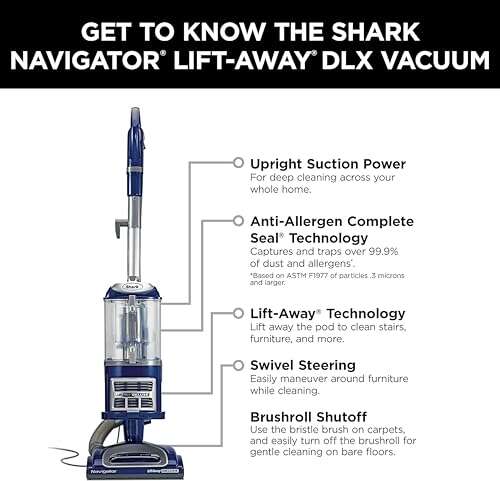
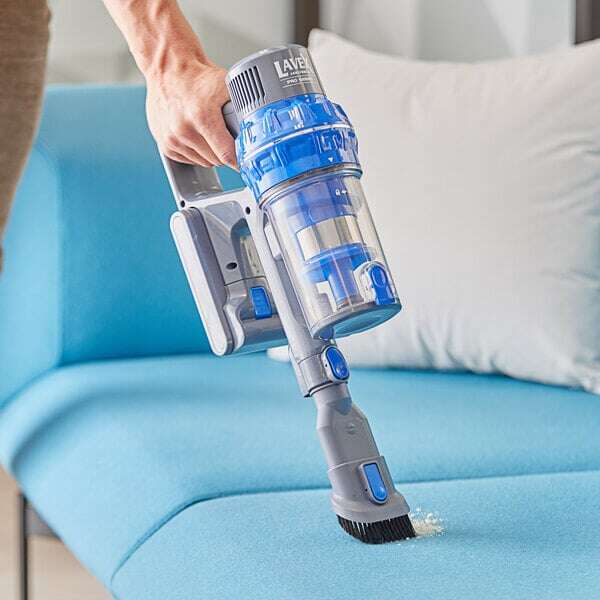
Most standard vacuums are designed for dry dust and debris only. Their filters, bags, seals, and motors are not made to handle liquid.
Using a regular vacuum on water can cause:
• Motor failure
• Electric shock
• Clogged filters
• Wet dust buildup
• Bad odors
• Mold inside the vacuum
Robot vacuum
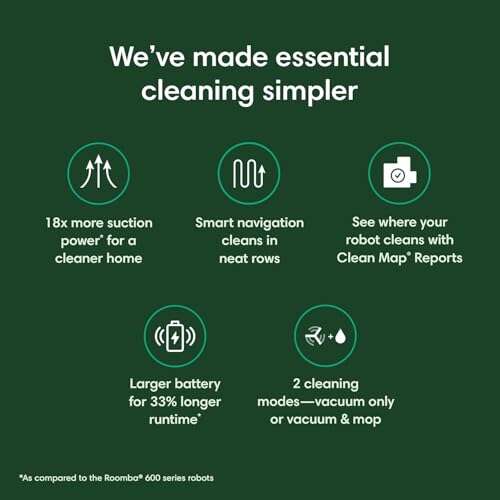
Most robot vacuums cannot collect standing water. A few newer models may mop with a controlled amount of water, but mopping is not the same as water pickup.
If water spills in the path of a robot vacuum, stop the machine at once. Dry the floor by hand and inspect the robot before charging it.

Why Regular Vacuums Should Not Pick Up Water
A regular vacuum pulls air through a filter, bag, and motor. Water can block airflow and damage these parts within seconds.
When liquid reaches a dry filter, the filter may swell or become clogged. Airflow drops, and the motor can work harder. In some cases, water travels past the filter and reaches the motor.
Electricity and water are a dangerous mix. Even a small spill can create a shock risk if water reaches a plug, cord, power strip, or internal circuit.
There is also a hygiene problem. Moisture trapped inside a vacuum creates a warm, dark place for mold and bacteria. The machine may continue to smell bad long after the spill appears to be gone.
A common mistake is using a regular vacuum to collect a small spill “just this once.” That single use can still damage the machine. A towel, mop, squeegee, or wet/dry vacuum is a safer choice.
How to Use a Wet/Dry Vacuum to Clean Water
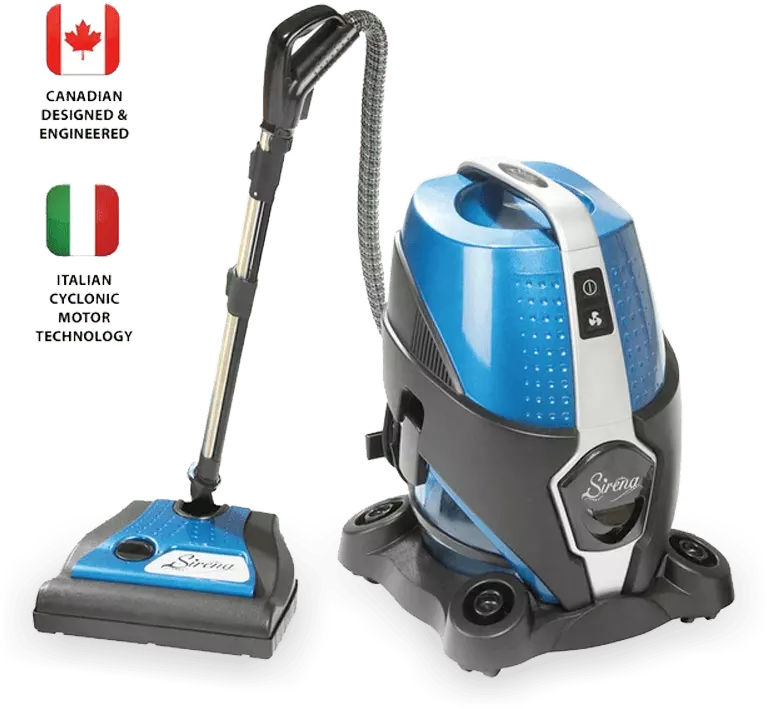
If your vacuum is approved for liquid pickup, use it carefully. These steps apply to many wet/dry models, but the owner’s manual always takes priority.
1. Check the vacuum and the area
Inspect the power cord, plug, tank, hose, and body. Do not use the vacuum if the cord is cracked or the housing is damaged.
Keep children and pets away from the wet area. If the water may contain sewage, chemicals, fuel, or sharp debris, stop and use professional help.
2. Disconnect the dry filter or bag if required
Many wet/dry vacuums require the paper dust bag and standard dry filter to be removed before liquid pickup. Some models use a special foam filter instead.
Do not guess. Using the wrong filter can damage the machine or spread dirty water through the exhaust.
3. Attach the correct hose and nozzle
Use a wide floor nozzle for large spills. A narrow nozzle can help collect water from corners and cracks.
Make sure the hose is firmly connected. A loose hose reduces suction and may cause water to leak from the connection.
4. Plug into a safe outlet
Use a grounded outlet whenever possible. Keep the plug, extension connection, and power strip away from the wet area.
Do not handle the plug with wet hands. If water has reached electrical outlets or wiring, turn off power from a safe location and contact an electrician.
5. Collect the water slowly
Move the nozzle in steady passes. Do not force it into deep water if the vacuum is not rated for standing liquid.
Watch the tank level. Many wet/dry vacuums stop automatically when full, but you should not rely only on that feature.
6. Empty the tank often
Turn off and unplug the vacuum before emptying it. Drain the tank in an approved location, especially if the water is dirty or contains chemicals.
A full tank is heavy and difficult to carry. Emptying it often also reduces the chance of spills.
7. Clean and dry the vacuum
Rinse the tank if needed. Wash reusable parts according to the manual, then allow them to dry fully.
Leave the lid open in a dry, well-ventilated place. Never store a wet vacuum while moisture remains inside.

How Much Water Can a Wet/Dry Vacuum Remove?
The answer depends on the tank size, suction power, hose design, and water depth. A small household wet/dry vacuum may hold a few gallons. Larger commercial models can hold much more.
Tank capacity is not the same as cleaning speed. A large tank may reduce emptying time, but a narrow hose or clogged filter can still slow the job.
For a small kitchen spill, a compact wet/dry vacuum is often enough. For a flooded basement, burst pipe, or appliance failure, you may need pumps and professional extraction equipment.
Use extra care with contaminated water. Water from a toilet overflow, sewer backup, flood, or chemical spill can pose serious health risks. Wear suitable gloves and protective gear, and seek professional advice when needed.
Can a Vacuum Cleaner Clean Water From Carpet?
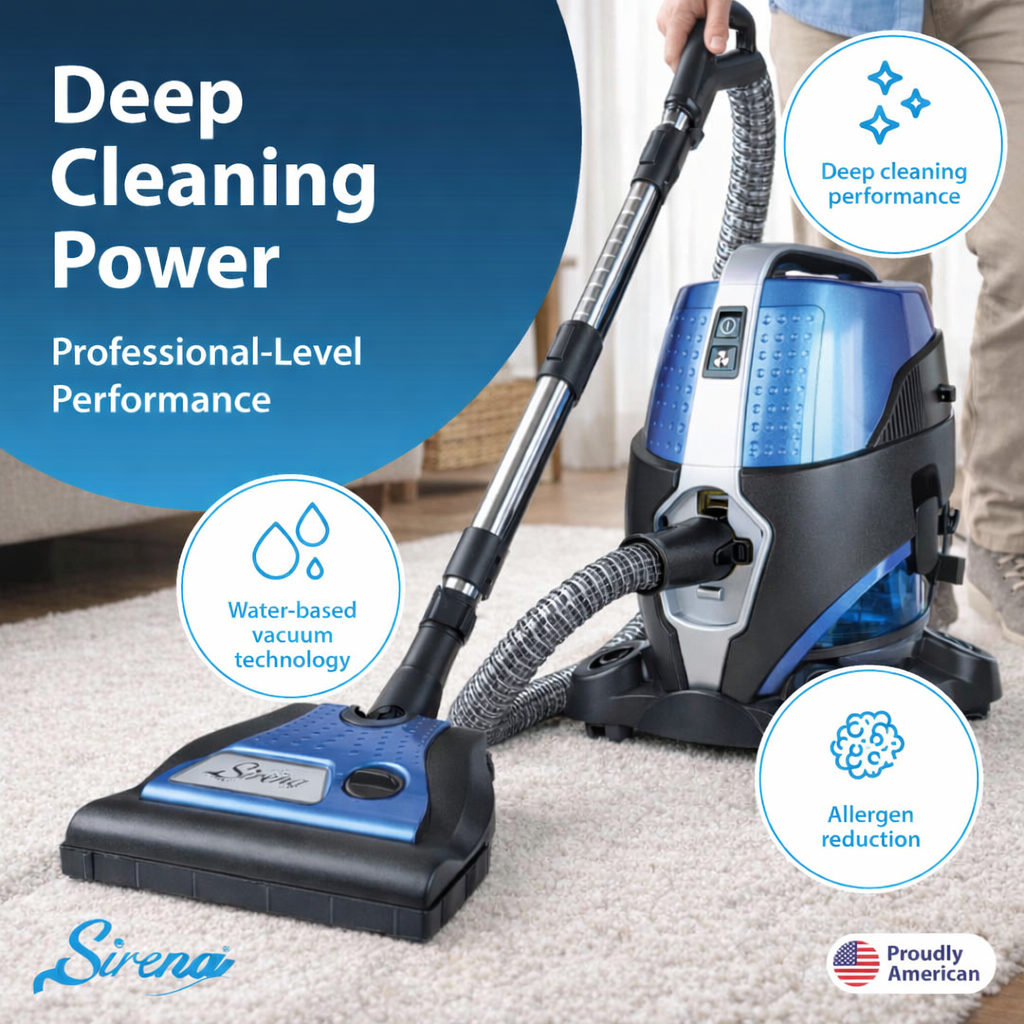
A carpet cleaner or extractor can remove water from carpet. A wet/dry vacuum may also remove standing water, but it may not extract moisture deep in the carpet pad.
Start by removing the surface water. Then lift the carpet edge if it is safe to do so and check the pad below. Wet padding can hold moisture for days and may develop odor or mold.
Use fans and a dehumidifier to improve airflow. Open windows only when outdoor humidity is lower than indoor humidity.
Call a water damage professional when:
• Water covers a large area
• The carpet has been wet for more than 24 to 48 hours
• The water came from sewage or a flood
• The pad is soaked
• Walls, cabinets, or flooring are also wet
• You notice mold, a strong odor, or visible damage
Do not keep soaking carpet with a carpet cleaner. More water does not always mean better cleaning. The goal is to remove moisture, not spread it.

What Happens if You Use a Regular Vacuum on Water?
Using a regular vacuum on water can cause immediate or delayed damage. The motor may short out, the filter may become blocked, and the bag may tear when wet.
Some vacuums may continue to run after a small spill. That does not mean they are safe. Moisture can remain inside and cause corrosion or mold later.
If you accidentally vacuum water:
-
Turn off the vacuum immediately.
-
Unplug it without touching wet areas.
-
Remove the bag or dust container.
-
Remove the filter if the manual allows it.
-
Empty the machine.
-
Let every part dry completely.
-
Check the vacuum before using it again.
Do not open or repair a powered vacuum near water. If water reached the motor or circuit board, have the machine inspected by a qualified repair professional.
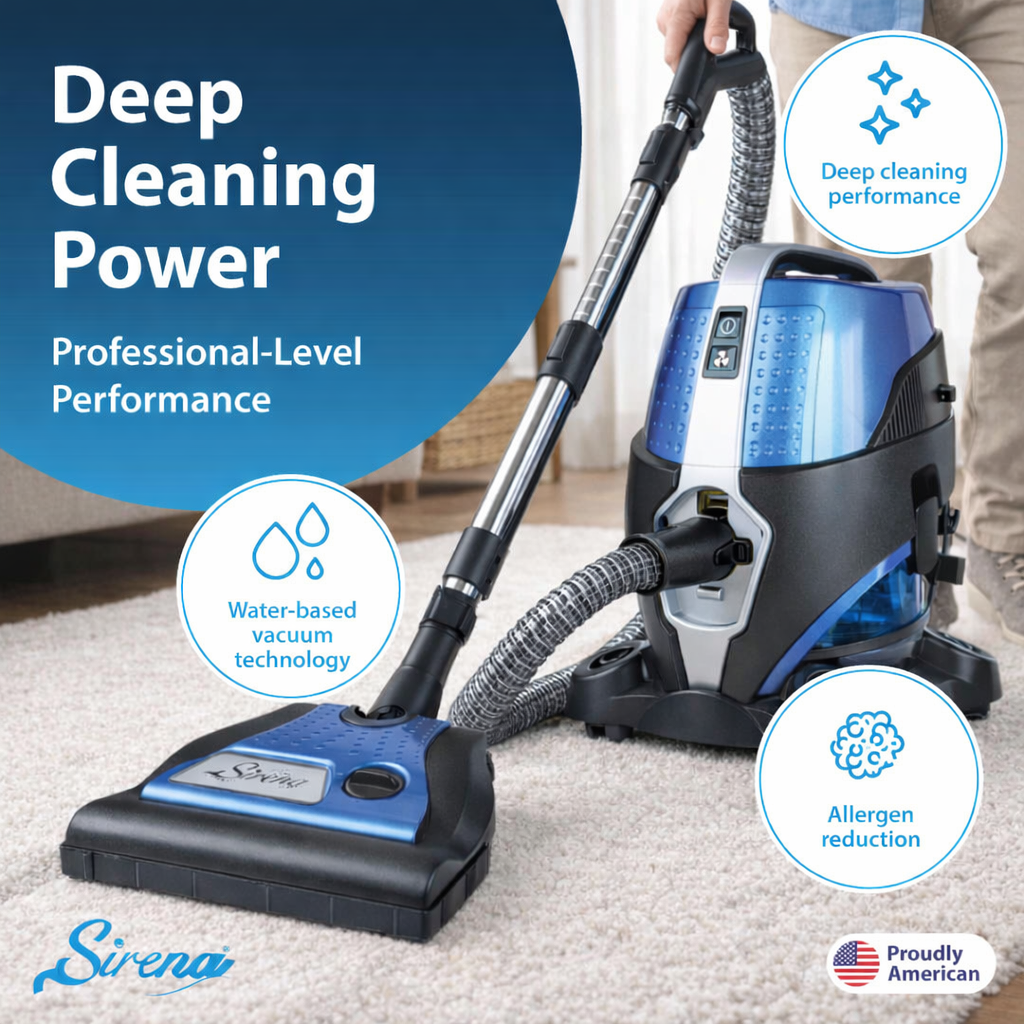
Can a Vacuum Cleaner Clean Water and Dry Debris?
Many wet/dry vacuums can handle both water and dry debris, but you may need to change the filter or attachment. A dry filter that becomes wet can lose airflow and collect dirt poorly.