Can Bugs Survive In Vacuum Cleaner: What Really Happens
Most bugs can survive in a vacuum cleaner, especially when suction does not crush or injure them.
The answer to “can bugs survive in vacuum cleaner” depends on the insect, the vacuum type, and how long it stays inside. A vacuum can remove pests fast, but it is not a reliable bug killer. This guide explains what happens after suction, which bugs are most likely to live, and how to dispose of them safely.
Can bugs survive in a vacuum cleaner?
Yes, bugs can survive in a vacuum cleaner. Suction pulls an insect through a narrow hose, but the air pressure inside most household vacuums is not strong enough to kill every pest. Some bugs hit the hose or dust bin and die, while others remain alive in the dust, hair, and debris.
A vacuum cleaner is not a true vacuum chamber. It creates strong airflow and low pressure near the nozzle, but the insect still ends up in a normal air-filled space inside the bag or canister. This is why the question “can bugs survive in vacuum cleaner” has a more complex answer than a simple yes or no.
Small, soft insects may suffer serious damage during vacuuming. Larger insects with hard bodies, such as cockroaches and beetles, may survive the trip. Eggs can also remain unharmed because they are often protected by a shell or egg case.

What happens to bugs inside a vacuum cleaner?
When you vacuum a bug, several forces act on it at once. Airflow drags the insect through the hose, and the bug may collide with the hose wall, filter, or other debris. These impacts can kill it, but they do not happen with the same force every time.
After the bug reaches the vacuum bag or dust cup, the danger may drop. The space can contain air, food crumbs, pet hair, and moisture. In some cases, the insect can hide and recover from the suction.
The main risks to a bug inside a vacuum include:
• Physical impact from the hose and dust bin
• Dry conditions that cause water loss
• Lack of food
• Heat from the motor
• Trapping in a filter or bag
• Injury from spinning brush parts
A vacuum cleaner may kill some bugs quickly, but it does not guarantee that every insect will die. That is the key lesson when asking, “can bugs survive in vacuum cleaner?”

Which bugs are most likely to survive?
Different insects respond to vacuuming in different ways. A fragile fly may die from impact or become trapped in the filter. A hardy cockroach may survive if it lands safely inside the dust cup.
Cockroaches are among the bugs most likely to survive a vacuum cleaner. They have tough bodies and can remain alive for a while without food. However, survival depends on the length of time in the vacuum, the amount of injury, and the conditions inside the machine.
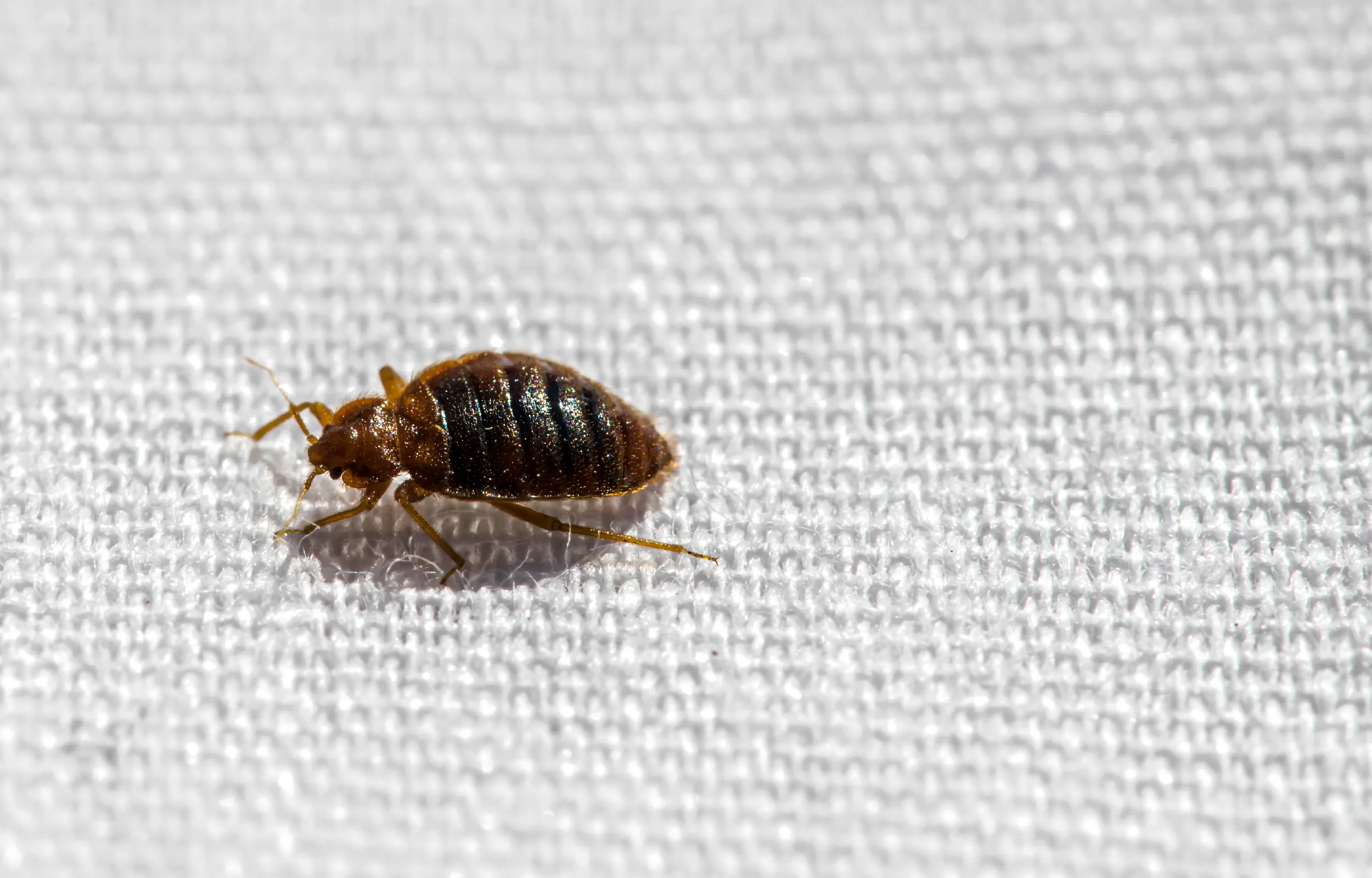
Bed bugs may also survive vacuuming. Their flat bodies can help them avoid some impacts, and their eggs are firmly attached to surfaces. Vacuuming can remove bed bugs from cracks, mattresses, and furniture, but it should not be the only treatment.
Other bugs may survive as well:
• Spiders can survive if they avoid severe impact, although many are injured by the airflow.
• Ants may live inside a vacuum if they are not crushed or exposed to heat.
• Fleas can be removed by vacuuming, but some may survive in the bag or dust cup.
• Beetles often have hard shells that protect them from light impacts.
• Earwigs and silverfish may survive for a short time in a damp dust cup.
The answer to “can bugs survive in vacuum cleaner” is especially important for pests with strong bodies, protective shells, or low food needs.

How long can bugs live in a vacuum cleaner?
There is no single survival time for every bug. Some insects die within minutes because of injury, heat, or drying. Others may live for several hours or even days if the vacuum has a bag, moisture, and enough debris.
Cockroaches can survive longer than many insects. Bed bugs may also remain alive in a vacuum bag for several days. Eggs are a special concern because they may stay viable even when adult bugs die.
A bagless vacuum may expose bugs to more movement and airflow. Yet a bug can still hide beneath dust or hair. A bagged vacuum can provide a dark shelter, which may allow a strong insect to survive longer.
Survival also depends on:
• The insect’s age and species
• The vacuum’s suction strength
• The length and shape of the hose
• Whether the bug enters the brush head
• The temperature inside the machine
• The amount of dust and moisture present
For this reason, never assume that vacuuming alone has solved an infestation. If you wonder, “can bugs survive in vacuum cleaner,” the safest assumption is yes unless you have destroyed or removed the vacuum contents.

Does vacuuming kill bed bugs?
Vacuuming can kill some bed bugs, but it may not kill all of them. The vacuum can remove adult bed bugs, young nymphs, shed skins, and loose eggs from reachable areas. It is most useful as one part of a wider bed bug control plan.
Move the nozzle slowly over seams, cracks, mattress edges, bed frames, and furniture joints. A slow pass gives the nozzle more time to pull out hidden pests. A fast pass may leave bugs behind.
After vacuuming bed bugs:
-
Remove the vacuum bag outside if the machine uses one.
-
Seal the bag in a plastic bag.
-
Place the sealed bag in an outdoor trash container.
-
Empty a bagless dust cup outdoors.
-
Wash the dust cup if the manufacturer allows it.
-
Clean the filter according to the user manual.
Do not rely on the vacuum to destroy bed bug eggs. Eggs can remain attached to wood, fabric, and other surfaces. Heat treatment, encasements, steam, and professional pest control may be needed for a serious infestation.
Does vacuuming kill cockroaches?
Vacuuming may kill some cockroaches, but it may not kill every one. Large roaches can survive the trip through the hose, especially if the suction is weak or the insect lands on soft debris.
Vacuuming is still useful because it removes roaches, egg cases, droppings, shed skins, and food particles. It can reduce hiding places and help you find where roaches are active.
For better results:
• Use a crevice tool around wall gaps and cabinet joints.
• Vacuum behind appliances and under furniture.
• Empty the dust cup outside right away.
• Seal vacuum contents before disposal.
• Clean food crumbs and grease from nearby surfaces.
• Use bait stations or professional treatment when needed.
Never put insecticide into a vacuum cleaner unless the manufacturer and product label clearly allow it. Chemicals can damage the machine, create harmful fumes, or increase fire risk.

Why vacuuming is useful but not a complete pest treatment
Vacuuming has several benefits. It removes visible bugs without spraying chemicals, reduces allergens and pest debris, and helps clean hard-to-reach areas. It is also a good first step when you need immediate control.
Still, vacuuming has limits. It cannot reach every wall void, floor gap, ceiling space, or hidden nest. It may also fail to remove eggs that are glued to a surface.
The biggest limitations are:
• It may not kill bugs inside the machine.
• It may miss insects hidden deep in cracks.
• It does not prevent new bugs from entering.
• It does not remove the cause of an infestation.
• It may spread pests if the machine is emptied indoors.
Think of a vacuum as a broom with suction. It can gather the problem, but it may not destroy the source. That simple comparison explains why bugs can survive in a vacuum cleaner and why follow-up action matters.

How to vacuum bugs safely and effectively
The safest method depends on the pest, but careful handling reduces the chance of escape. Wear gloves if you are cleaning droppings, dead insects, or a suspected infestation.
Follow these steps:
-
Use the narrowest nozzle that fits the area.
-
Vacuum slowly along cracks, edges, seams, and corners.
-
Keep the vacuum moving over the bug until it disappears.
-
Continue for a few seconds around the area.
-
Turn off the machine only after moving away from the infestation.
-
Empty the bag or dust cup outdoors.
-
Seal the contents in a sturdy plastic bag.
-
Clean the filter and dust cup as directed.
For a bagless machine, avoid opening the container inside your home. A live bug can crawl out before you notice it. If the vacuum has a disposable bag, replace it rather than trying to inspect it indoors.
In my own home cleaning tests, the most common mistake was turning off the vacuum beside the insect and walking away. A pest that survived the hose could crawl back out through the nozzle. Emptying the machine at once is a simple habit that prevents this problem.

Can bugs crawl back out of a vacuum?
Yes, bugs can crawl back out of a vacuum cleaner if they survive the suction and remain near an opening. This is more likely with bagless vacuums, wide hose openings, and machines that are left unused for a long time.
The risk is higher when the vacuum is stored in a warm garage, closet, or basement. A living bug may find its way through the hose or dust cup opening.
To reduce this risk:
• Store the vacuum with the hose attached or sealed.
• Empty the dust cup outdoors after use.