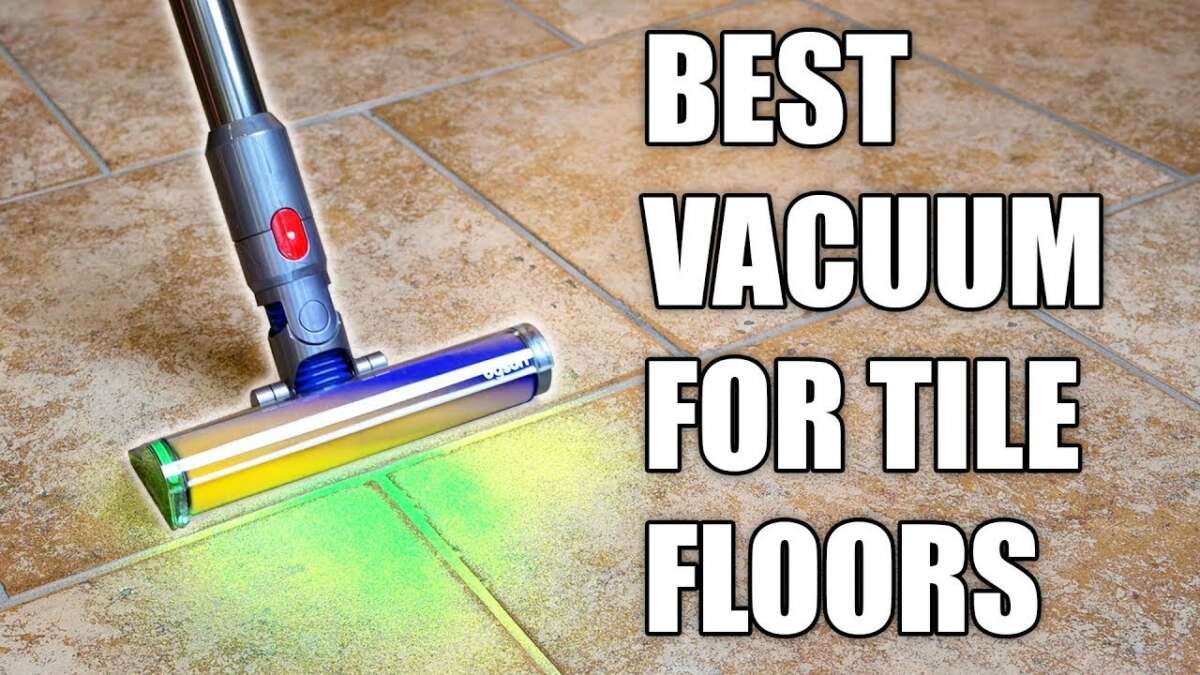
Can I Use Vacuum Cleaner On Tiles: Safe Cleaning Tips
Yes, you can use a vacuum cleaner on tile floors, provided you choose the right settings and attachments.
If you are wondering, “can I use vacuum cleaner on tiles?” the answer is simple: vacuuming is safe and often one of the best ways to remove dust, crumbs, hair, and grit. The key is to protect the tile surface, grout lines, and your vacuum by using a soft floor head, low suction when needed, and the right cleaning method.
Can I Use a Vacuum Cleaner on Tiles?
Yes, you can use a vacuum cleaner on ceramic, porcelain, stone, and many other tile floors. A vacuum removes loose dirt before it can scratch the surface or become trapped in grout.
Tile floors are hard, but they are not impossible to damage. Small stones, sand, and rough debris can act like tiny pieces of sandpaper when dragged across the floor. Vacuuming lifts this debris away instead of pushing it around with a broom.
When people ask, “can I use vacuum cleaner on tiles?” they often worry about cracks, scratches, or suction marks. In normal use, a vacuum will not harm tile when the floor head is clean and the brush setting is suitable.

Why Vacuuming Tile Floors Works So Well
Vacuuming is useful because tile floors collect more than visible dirt. Fine dust can settle into grout, while hair and crumbs often collect along walls, under cabinets, and around furniture legs.
A vacuum can reach these spots better than a standard broom. It can also remove allergens and fine particles without sending them back into the air.
The main benefits include:
• Removes sand and grit that may scratch glossy tile
• Picks up pet hair from textured tile
• Cleans grout lines more effectively than a flat dust mop
• Reaches corners, edges, and spaces under furniture
• Reduces the need for frequent sweeping
• Makes mopping more effective by removing dry debris first
A vacuum is especially helpful in kitchens, entryways, bathrooms, and homes with pets. These areas often have a mix of dust, food particles, hair, and outdoor grit.
In my experience testing floor-cleaning methods, vacuuming before mopping gives a much cleaner result. If you mop first, loose dirt can turn into a muddy film that spreads across the tile.

Which Types of Vacuums Are Safe for Tile?
Most modern vacuums can clean tile floors safely. Still, some models work better than others.
Canister vacuums
Canister vacuums are often excellent for tile. They usually have strong suction and come with a soft floor attachment. Their flexible hose also makes it easy to clean baseboards, corners, and grout edges.
Upright vacuums
An upright vacuum can work well if it has a hard-floor setting. Turn off the rotating brush if the manufacturer recommends doing so. A stiff spinning brush may scatter debris or create light marks on delicate surfaces.
Stick vacuums
Stick vacuums are convenient for daily cleaning. They are light, quick, and easy to store. Choose one with a soft roller or a setting designed for hard floors.
Robot vacuums
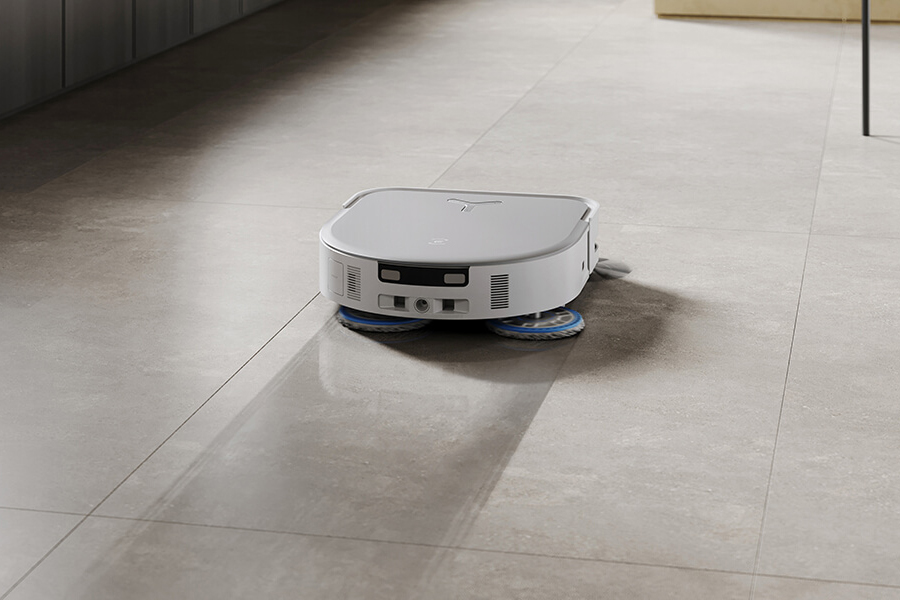
Robot vacuums are generally safe on tile. They are helpful for regular dust and hair removal. However, they may not clean deep grout or remove sticky spills.
Wet-dry vacuums
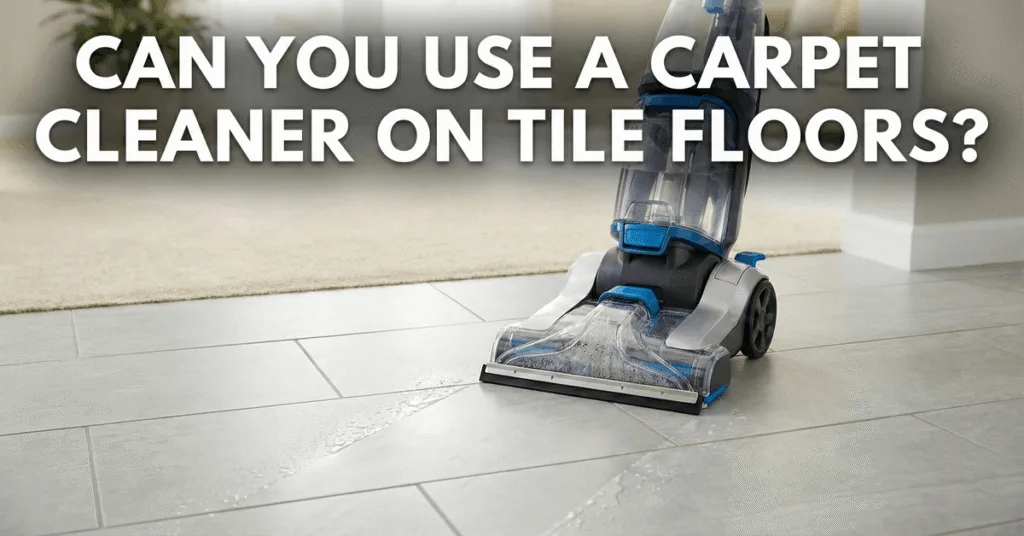
A wet-dry vacuum can clean tile after a spill, but check the instructions first. Some models are designed for liquids, while others are not. Using a standard dry vacuum on water can damage the motor and create an electrical hazard.
The Best Vacuum Settings for Tile Floors
The correct setting depends on the type of tile and the vacuum head.
Use these general guidelines:
• Select the hard-floor or bare-floor mode
• Turn off the beater bar if the manual advises it
• Use a soft brush or felt floor head
• Keep suction moderate on loose or lightweight tiles
• Use a crevice tool around baseboards and grout edges
• Avoid attachments with exposed metal parts
Hard-floor settings usually stop the brush roll or raise it away from the surface. This helps prevent the brush from scattering dirt.
Some vacuums use a soft roller made for hardwood and tile. This type of roller can collect fine dust while remaining gentle on smooth surfaces.
Before cleaning the whole room, test the vacuum in a hidden corner. This simple step can reveal whether the wheels, brush, or attachment leave marks.
How to Vacuum Tile Floors Correctly
Learning how to vacuum tile floors is easy. The goal is to lift dirt, not drag it across the surface.
Follow these steps:
-
Remove small objects from the floor. Coins, screws, and small stones can damage the vacuum or tile.
-
Check the vacuum head. Make sure no gravel, hair, or hard debris is stuck in the brush.
-
Choose the hard-floor setting. Turn off the rotating brush when appropriate.
-
Start at the far side of the room. Work toward the doorway so you do not walk over cleaned areas.
-
Move slowly in straight lines. Slow passes give the vacuum more time to collect fine dust.
-
Vacuum along grout lines and room edges. Dirt often gathers in these areas.
-
Use a crevice tool for corners. Do not force the tool into weak or cracked grout.
-
Empty the dust bin or replace the bag when needed. A full vacuum often loses suction.
-
Mop only after dry dirt is gone. This prevents wet grit from spreading.
Do not press the vacuum head down with excessive force. Let the machine create suction while you guide it gently.
One mistake I often see is rushing through entryways. These areas hold sand from shoes, and fast vacuum passes may leave grit behind. Two slow passes near the door usually work better than one quick pass.
Can Vacuuming Scratch Tile Floors?
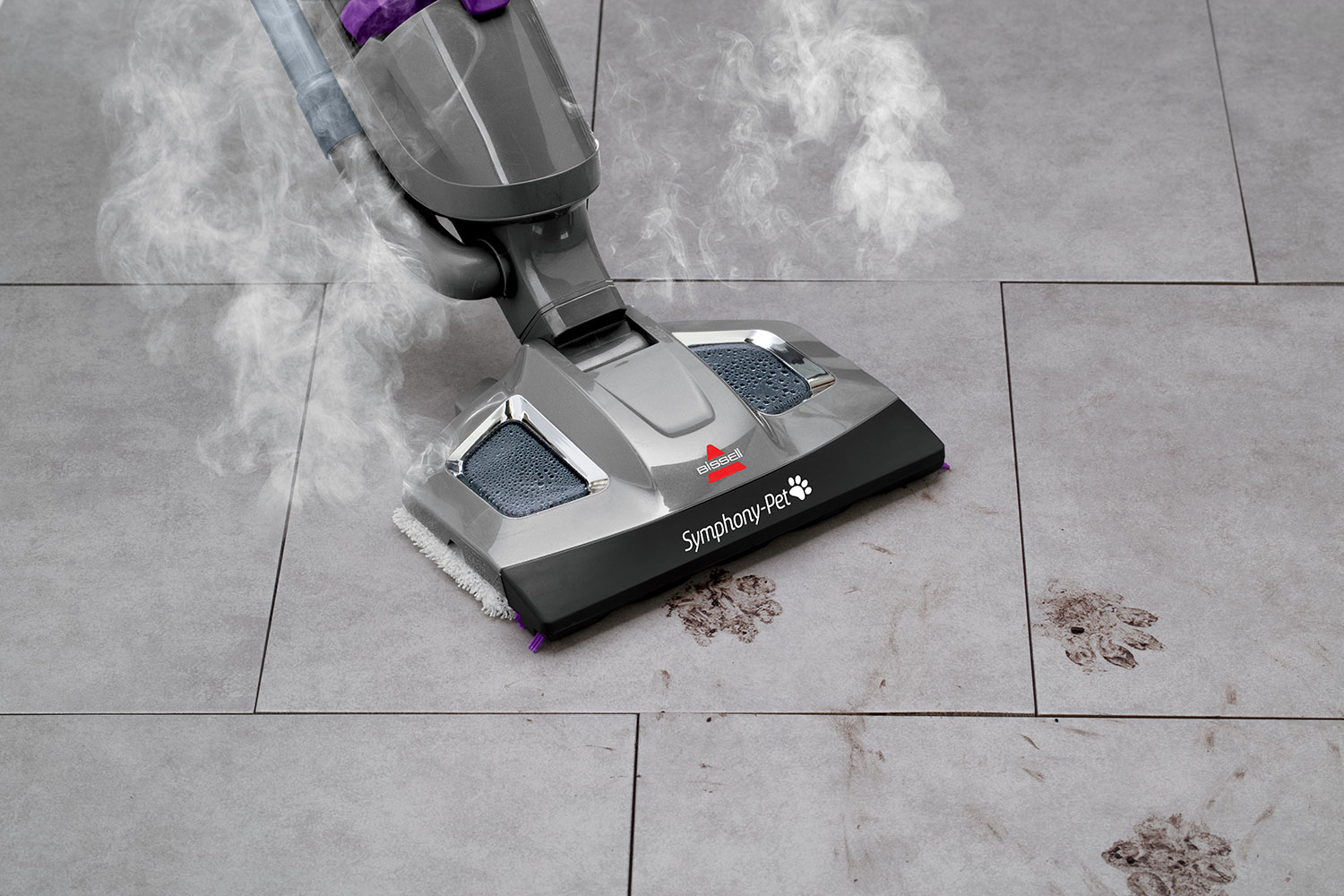
Vacuuming usually will not scratch tile, but the vacuum itself is not always the problem. Hard debris caught under the wheels or floor head can cause scratches.
Glazed ceramic and porcelain tile are fairly resistant to everyday wear. However, polished stone, glass tile, handmade tile, and some soft natural stones need extra care.
To reduce the risk:
• Inspect wheels for trapped grit
• Keep the floor head clean
• Replace worn brush strips
• Avoid dragging the vacuum at an angle
• Do not use a bare metal attachment on tile
• Lift the vacuum over raised thresholds
• Test unfamiliar tools in a hidden area
Grout can also suffer from aggressive brushing. A stiff brush may loosen weak grout or remove surface material over time. For regular tile cleaning, a soft attachment is usually the safer choice.
If a scratch appears, stop using the vacuum until you find the cause. Check the wheels, brush roll, and underside of the cleaning head.
Should You Vacuum or Sweep Tile Floors?
Both methods can work, but vacuuming often provides better control. A broom may push fine dust into grout or send particles into the air. A vacuum collects that dirt in a sealed bag or bin.
Sweeping still has a place. It can be useful for large pieces of debris, outdoor areas, or situations where your vacuum is not nearby.
For most indoor tile floors, this routine works well:
• Vacuum once or twice each week
• Vacuum high-traffic areas more often
• Sweep up large debris before vacuuming
• Mop after removing dry dirt
• Clean spills as soon as possible
Homes with pets, children, or nearby construction may need more frequent vacuuming. There is no single schedule for every home. Watch how quickly dirt returns and adjust your routine.
The best approach is not about choosing only a vacuum or broom. It is about using the right tool for the type of mess.

Can You Vacuum Grout Lines?
Yes, you can vacuum grout lines. In fact, vacuuming helps remove dust, sand, hair, and crumbs that settle in the narrow spaces between tiles.
Use a crevice tool or soft brush attachment. Keep the tool close to the grout without scraping it. Move slowly, especially if the grout is old, cracked, or missing in places.
Vacuuming will not remove stains, grease, mold, or mineral deposits from grout. Those problems need a suitable tile and grout cleaner. Never assume that strong suction alone will deep-clean stained grout.
For delicate grout, avoid using a stiff rotating brush. A gentle vacuum pass followed by careful mopping is less likely to cause damage.
When You Should Not Use a Vacuum on Tile
A vacuum is not the right tool for every tile-floor mess. Avoid using a standard dry vacuum on wet spills, standing water, or soaked cleaning solution.
You should also use caution when the floor contains:
• Large pieces of glass
• Nails, screws, or sharp metal
• Hot ash or burning material
• Thick mud
• Sticky substances that may clog the head
• Water near electrical cords or outlets
Pick up large sharp objects by hand, using gloves when needed. For liquid spills, use a towel or a wet-dry vacuum designed for water.
Do not vacuum loose tile pieces without checking the machine’s instructions. Broken ceramic and porcelain can have sharp edges that damage the hose or dust bin.