How Do Vacuum Cleaner Bags Work: Simple Guide
Vacuum cleaner bags trap dirt in a porous filter while clean air flows through to the motor and exhaust.
Understanding how do vacuum cleaner bags work helps you choose the right bag, prevent suction loss, and keep indoor air cleaner. A vacuum bag is more than a simple dust pouch. It works as part of the machine’s airflow system, using layers of material, air pressure, and a sealed collar to capture dust and debris. This guide explains the process in simple terms, including bag types, filtration, common problems, safety tips, and practical ways to get better cleaning results.
What Is a Vacuum Cleaner Bag?
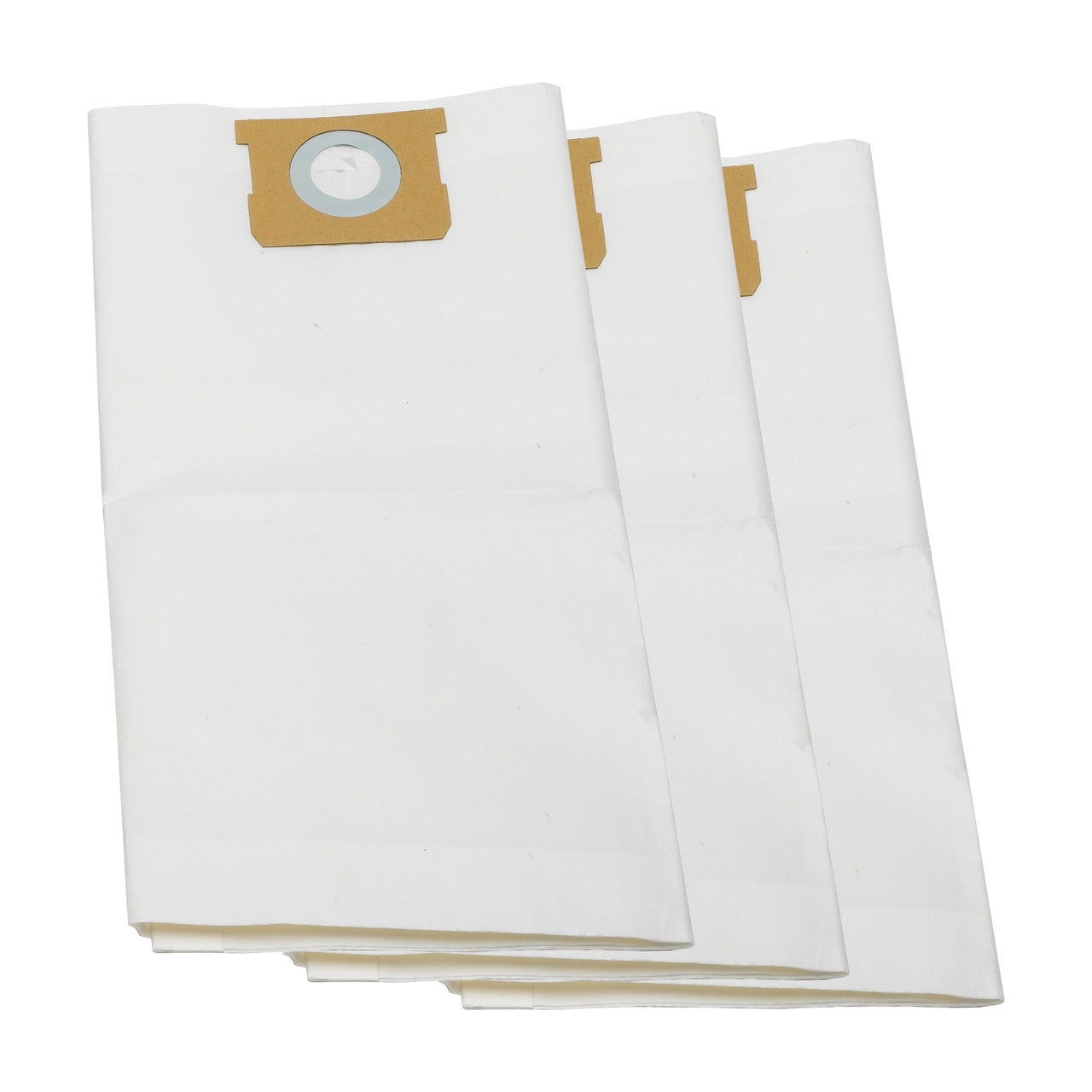
A vacuum cleaner bag is a removable filter chamber inside a bagged vacuum. It collects dust, hair, crumbs, pollen, and other particles pulled from floors and furniture. The bag holds the debris while allowing air to pass through.
Most vacuum bags contain several layers. The inner layer holds large debris, while finer outer layers trap smaller particles. Many modern bags also use synthetic fibers that filter better than older paper bags.
The bag connects to the vacuum through a cardboard or plastic collar. This collar fits over the intake tube and helps create an airtight path. If the collar does not fit well, dirt can escape into the vacuum body.
A vacuum bag has three main jobs:
• Collect dirt and debris.
• Filter particles from the moving air.
• Protect the vacuum motor from dust and large debris.
A useful way to picture the bag is as a tiny, flexible air filter. It does not block all air. Instead, it slows and redirects the air so particles stay inside while cleaner air continues through the machine.
How Do Vacuum Cleaner Bags Work?
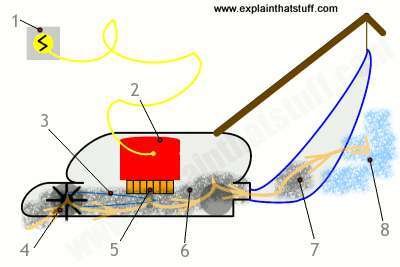
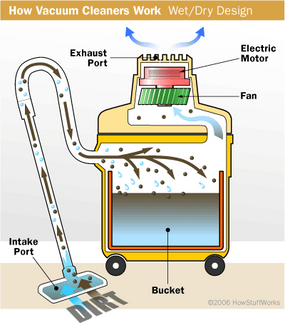
So, how do vacuum cleaner bags work during normal cleaning? The vacuum motor spins a fan that removes air from inside the machine. This creates lower air pressure inside the vacuum than in the room.
Air then rushes through the hose, floor head, and intake tube. That moving air carries dirt into the bag. Once inside, the air spreads across the bag’s surface.
The bag material acts as a filter. Dust and debris stay trapped because they are too large to pass through the material. Air molecules are much smaller, so they continue through the bag and move toward the motor and exhaust.
The basic process looks like this:
-
The motor turns a fan.
-
The fan lowers air pressure inside the vacuum.
-
Room air moves through the cleaning head and hose.
-
Dirt travels with the airflow into the bag.
-
The bag traps particles.
-
Filtered air moves toward the motor.
-
Exhaust air leaves the vacuum through a final filter.
This system is similar to pouring water through a fine kitchen strainer. The water passes through, but larger pieces remain behind. A vacuum bag uses airflow rather than water, but the basic filtering idea is similar.
How do vacuum cleaner bags work when they begin to fill? As dust covers more of the bag’s surface, air has fewer open paths. Airflow drops, and suction may become weaker. This is why replacing a bag before it is completely full often improves cleaning performance.

The Role of Airflow and Suction
Airflow and suction are related, but they are not the same thing. Suction refers to the pressure difference created by the motor. Airflow refers to how much air moves through the vacuum over time.
A vacuum needs both. Strong pressure without enough airflow may not lift dirt well. Good airflow without enough pressure may not pull debris from carpets or cracks.
The bag affects both factors. A clean bag lets air pass with less resistance. A full or clogged bag creates resistance, much like a clogged air filter in a heating system.
Several parts work together:
• The motor creates the pressure difference.
• The fan moves air.
• The hose and floor head direct the airflow.
• The bag captures dirt.
• The post motor filter protects the exhaust.
• Seals prevent air from escaping around the bag.
A practical lesson from testing and using bagged vacuums is that many “weak motor” complaints are really airflow problems. A full bag, blocked hose, dirty brush roll, or clogged filter can reduce performance even when the motor is working normally.
Never judge a vacuum only by its advertised motor power. Design, seals, airflow, bag material, and floor head shape all affect real world cleaning results.

How Vacuum Bags Filter Dust
Vacuum bags capture dirt through several filtration methods. These methods often work together.
Mechanical filtration
Mechanical filtration traps particles that are larger than the spaces in the bag material. Hair, sand, crumbs, and larger dust particles remain inside the bag.
Inertial filtration
Some particles change direction more slowly than the air around them. When airflow bends through the bag fibers, these particles collide with the material and become trapped.
Diffusion
Very small particles move in less predictable ways. They can bump into fibers as they travel through the material. This helps the bag capture fine dust.
Electrostatic capture
Some synthetic fibers attract tiny particles through static charge. This can improve filtration, though performance varies by bag design and manufacturer.
Bag efficiency depends on more than the material alone. It also depends on:
• The number of layers.
• Fiber size and spacing.
• Air pressure.
• The quality of the bag seal.
• How full the bag is.
• The condition of the vacuum’s other filters.
Some bags are labeled HEPA, but the complete vacuum must meet the relevant performance standard for the system to offer HEPA level filtration. A HEPA style bag alone does not guarantee that the whole vacuum is sealed or certified as a HEPA vacuum.
For allergy concerns, look for clear manufacturer claims about filtration efficiency and sealed construction. The U.S. Environmental Protection Agency notes that filtration performance depends on the vacuum design and how well particles are contained, not just on one filter label.
What Happens Inside a Bagged Vacuum?
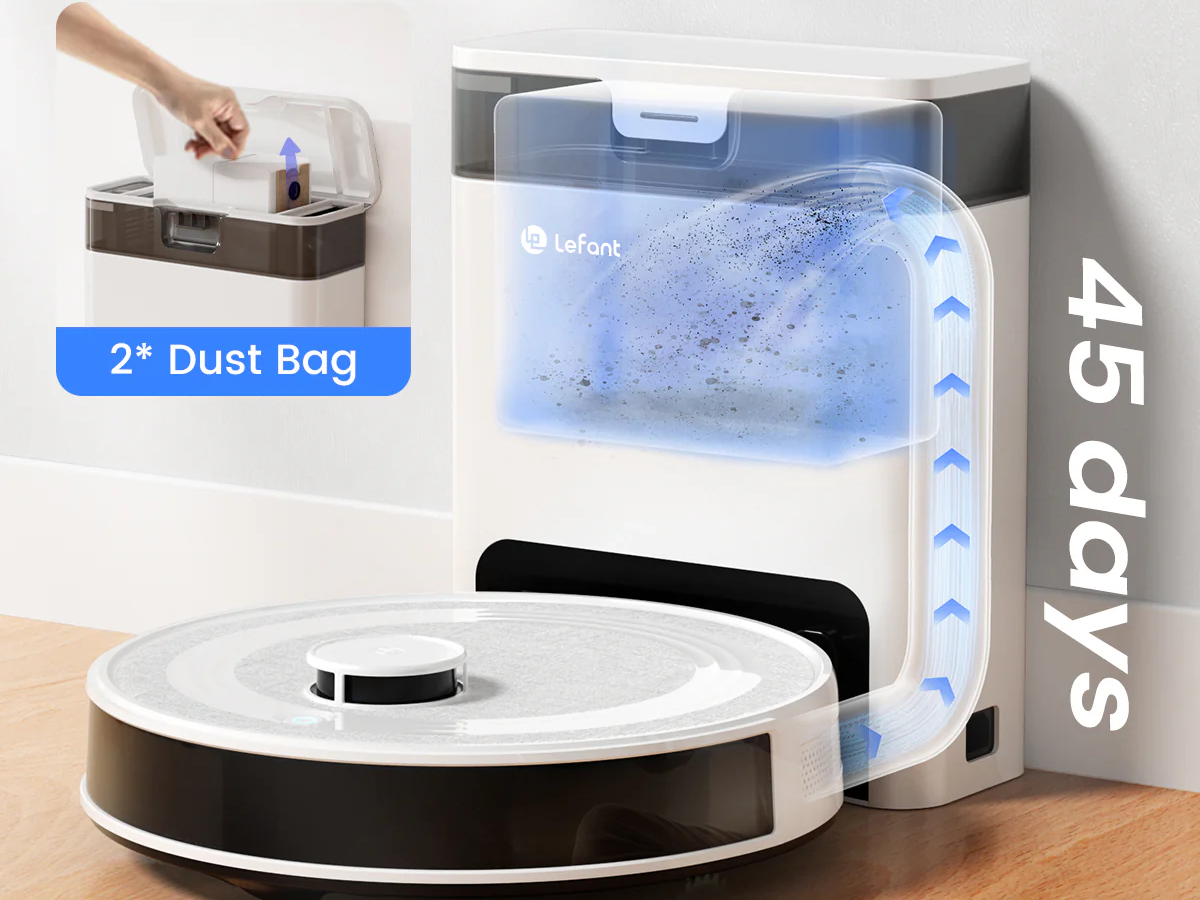
Inside a bagged vacuum, the motor and fan create the airflow that pulls debris from the floor. The dirty air enters the bag through the collar. It then spreads into the larger interior space.
As the air slows, heavier debris drops or settles inside the bag. Fine dust moves with the air toward the bag walls. The layered material traps much of this dust before the air reaches the motor.
Many vacuums also include a filter between the bag and motor. This filter catches particles that escape the bag. A final exhaust filter may capture even smaller particles before air returns to the room.
This arrangement protects both the vacuum and the user:
• The bag holds most of the debris.
• The motor filter catches stray dust.
• The exhaust filter improves air quality.
• The sealed housing limits leaks.
If a bag tears, is installed backward, or has the wrong collar shape, dust may bypass the normal filtration path. That can coat the motor and send particles back into the room.
Types of Vacuum Cleaner Bags
Different vacuum bags use different materials and designs. The right choice depends on the vacuum model, cleaning needs, and sensitivity to dust.
Paper vacuum bags
Paper bags are usually affordable and widely available. They can collect common household dirt, but they may tear if exposed to moisture or sharp objects.
Paper bags often have fewer layers than premium synthetic bags. Their filtration and strength can vary by brand.
Synthetic vacuum bags
Synthetic bags use materials such as polypropylene or other nonwoven fibers. They are often stronger, hold more dust, and maintain airflow better as they fill.
Many synthetic bags also offer improved filtration. They are a common choice for homes with pets or people who are sensitive to dust.
HEPA vacuum bags
HEPA bags are designed to capture very small particles. They may help reduce airborne dust, pollen, and other fine debris when used in a compatible sealed vacuum.
The term “HEPA” should be checked carefully. Some products use “HEPA type” or “high filtration” language that does not mean the same thing as certified HEPA performance.
Disposable vacuum bags
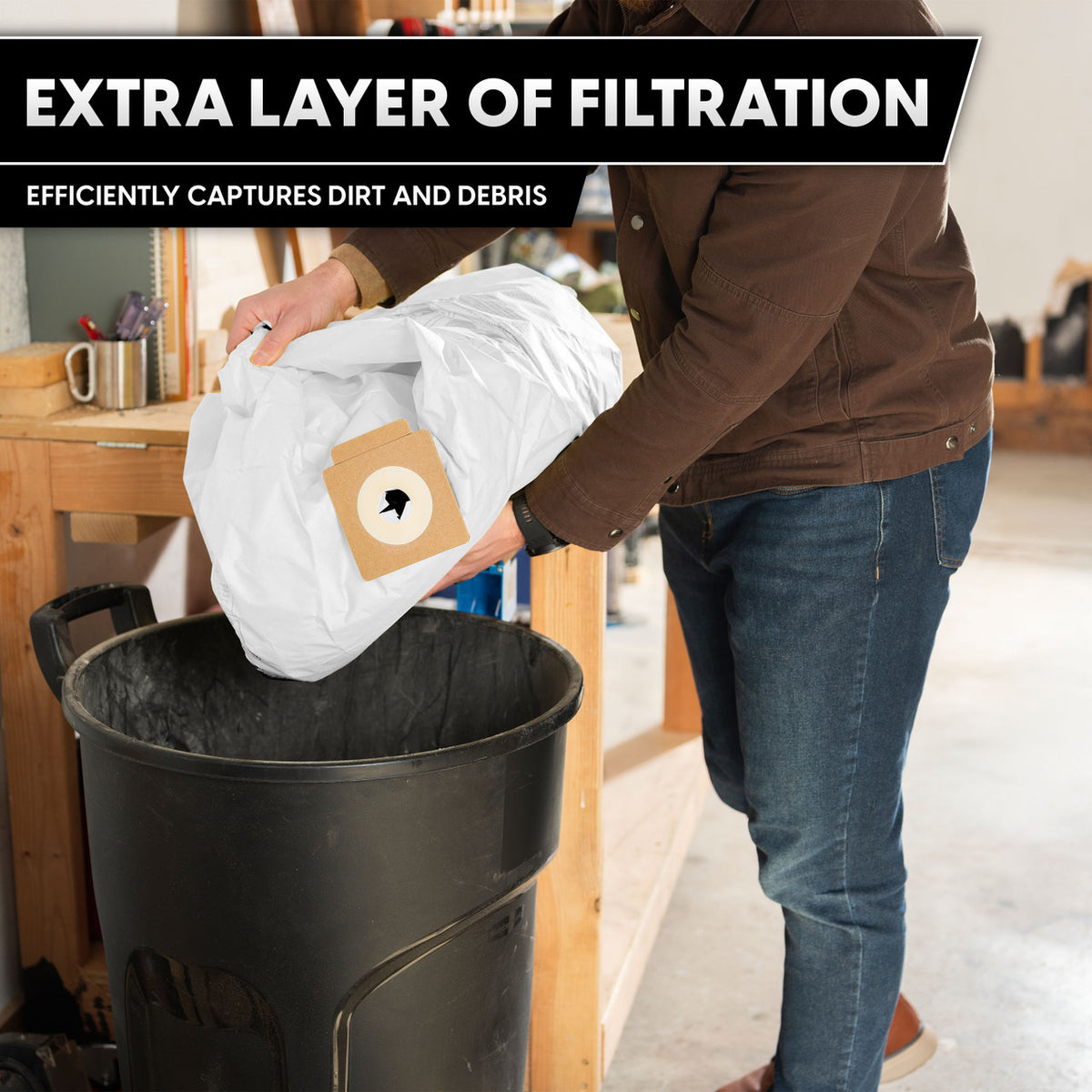
Most household bagged vacuums use disposable bags. You remove the full bag, close its flap or seal, and throw it away.
Disposable bags reduce direct contact with dust. This is useful for allergy sufferers and anyone who dislikes emptying a dusty container.
Reusable vacuum bags
Reusable bags can be emptied and washed, depending on the design. They may reduce waste, but emptying them can release dust into the air.
A reusable bag must be compatible with the vacuum and completely dry before use. Damp material can encourage odors or microbial growth.