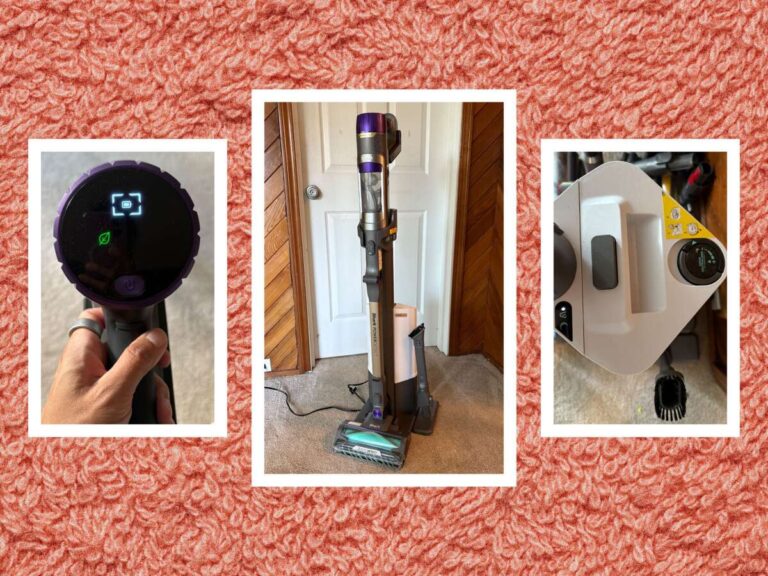
Does Vacuum Cleaner Remove Hair: Best Cleaning Guide
Yes, a vacuum cleaner can remove hair, but the right brush and settings make all the difference.
If you are tired of seeing human or pet hair on carpets, couches, and floors, you are asking the right question. Does vacuum cleaner remove hair well? Yes, but results depend on the vacuum type, brush roll, suction power, and how often you clean the machine. This guide explains what works, what fails, and how to remove stubborn hair without damaging your floors or vacuum.
Does vacuum cleaner remove hair effectively?
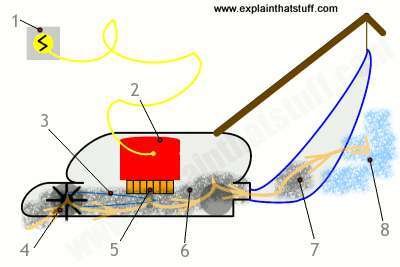
A vacuum cleaner can remove loose hair from many surfaces. It pulls hair into the machine through suction, while the floor head or brush roll lifts hair from carpet fibers and fabric.
However, not every vacuum handles hair well. A basic suction-only vacuum may work on hardwood floors but struggle with hair pressed into carpet. A vacuum with a motorized brush roll usually performs better because the bristles loosen hair before suction carries it away.
Does vacuum cleaner remove hair from every surface? Not always. Hair can stick to fabric through static, moisture, oils, or friction. Long hair may also wrap around the brush roll instead of entering the dust bin.
The best results come from matching the vacuum to the surface:
• Hardwood and tile: Use strong suction with a soft floor head.
• Low-pile carpet: Use a rotating brush roll with moderate suction.
• Thick carpet: Choose an adjustable brush roll and strong airflow.
• Upholstery: Use a small powered tool or fabric nozzle.
• Pet beds: Use a motorized handheld attachment when available.
In practical cleaning tests, the biggest difference often comes from the tool head rather than the motor alone. A powerful vacuum with a poor floor head may leave more hair behind than a midrange vacuum with a well-designed brush.
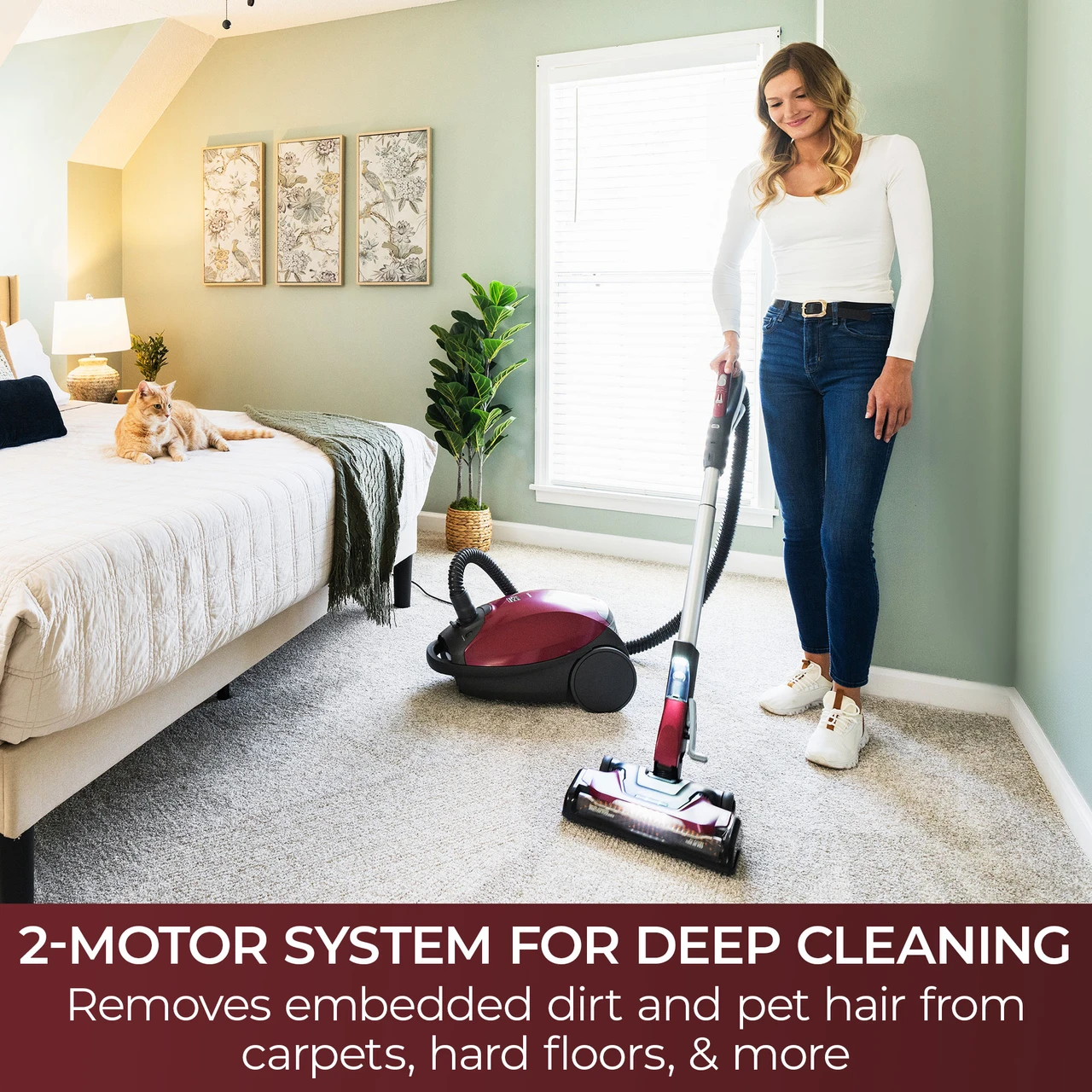
How vacuum cleaners pick up hair
Hair removal depends on three basic actions: loosening, lifting, and collecting.
First, the brush or airflow loosens hair from the surface. Then, suction lifts the hair into the vacuum path. Finally, the filter and dust container hold the hair until you empty or clean the machine.
Short hair may move through the vacuum with little trouble. Long hair behaves differently. It can form loops, wrap around the roller, and create a dense ball inside the hose or nozzle.
Pet hair can be harder to remove because it often has a fine texture. Short cat hair, for example, may work into upholstery and carpet like tiny needles. Dog hair may be easier to see but can gather in thick clumps.
Several factors affect performance:
• Suction strength: Strong airflow helps lift hair from floors and fabrics.
• Brush design: Stiff bristles can loosen embedded hair.
• Air path: A wide, clear path reduces clogs.
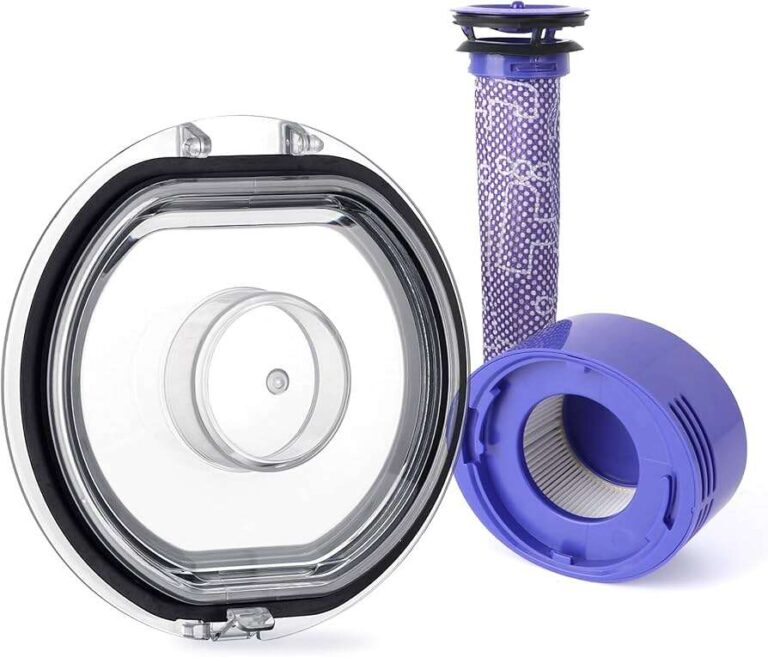
• Filter condition: A blocked filter lowers airflow.
• Dust cup level: An overfilled bin can reduce performance.
• Hair length: Long strands are more likely to wrap around the brush.
This explains why does vacuum cleaner remove hair is not a simple yes-or-no question. The machine can collect hair, but its design and condition decide how much hair it removes in one pass.

Which type of vacuum is best for hair?
Different vacuum styles handle hair in different ways. The best choice depends on your floor type, home size, and whether you clean human hair, pet hair, or both.
Upright vacuums
Upright vacuums often work well on carpet because they use a wide motorized brush roll. Many models also offer height adjustment, which helps the brush contact thick or thin carpet correctly.
Look for an upright vacuum with:
• A tangle-resistant brush roll
• Adjustable floor height
• Strong edge cleaning
• A sealed air system
• A large dust cup or bag
Uprights can feel heavy, but they are useful for homes with large carpeted areas.
Canister vacuums
Canister vacuums are flexible and often perform well on hard floors, stairs, and furniture. Their separate hose makes it easier to reach corners and use specialized tools.
A canister vacuum is a good option if your home has mixed flooring. Choose one with a powered floor head if you need to remove hair from carpet.
Stick vacuums
Stick vacuums are light and convenient for quick daily cleaning. Many cordless models include a motorized roller that works well on surface hair.
Their limits include smaller dust bins, shorter run time, and less power on thick carpet. A stick vacuum is often best for frequent touch-ups rather than deep cleaning an entire home.
Robot vacuums
Robot vacuums can collect hair every day, which helps stop buildup. They are useful for open floors and homes with pets.
Still, robot vacuums may struggle with thick rugs, corners, stairs, and large clumps of long hair. Their brush rolls also need regular cleaning.
Handheld vacuums
A handheld vacuum is useful for couches, car seats, pet beds, and stairs. A rubberized nozzle or powered mini brush can lift hair better than a smooth plastic nozzle.
For many homes, the most useful setup is a full-size vacuum for deep cleaning and a handheld or stick vacuum for daily hair removal.
How to remove human and pet hair from carpet
Carpet traps hair between its fibers. Vacuuming alone may not remove every strand, especially when hair has been pressed down by walking or furniture.
Use this simple process:
-
Pick up large clumps by hand. Wear gloves if needed, especially when cleaning pet bedding or areas with heavy shedding.
-
Move light furniture. Hair often gathers along walls, under beds, and beneath sofas.
-
Set the vacuum height correctly. A brush that is too high may not reach the carpet. A brush that is too low may stop airflow.
-
Vacuum slowly. Move at a steady pace so the brush has time to loosen hair.
-
Make two passes. Go in one direction, then cross the same area from another direction.
-
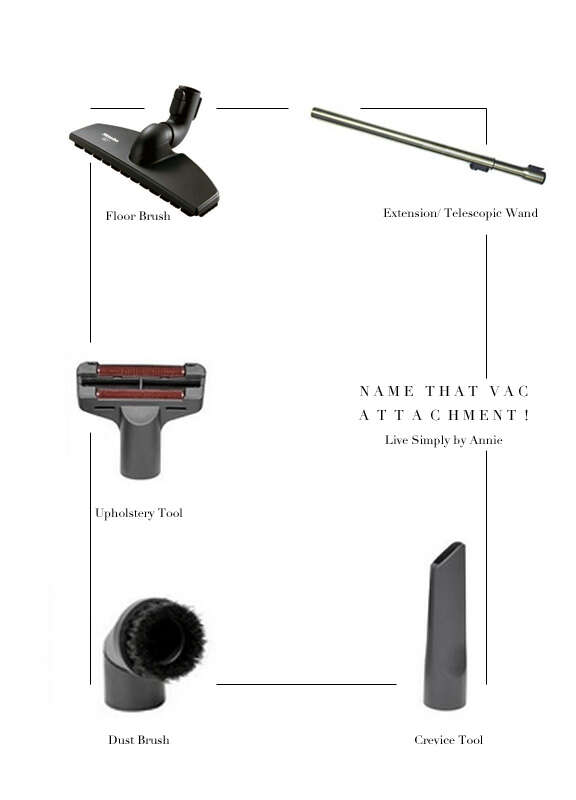
Use a crevice tool along edges. Hair often collects where the floor head cannot reach.
-
Empty the dust cup before it becomes full. A full container can reduce airflow.
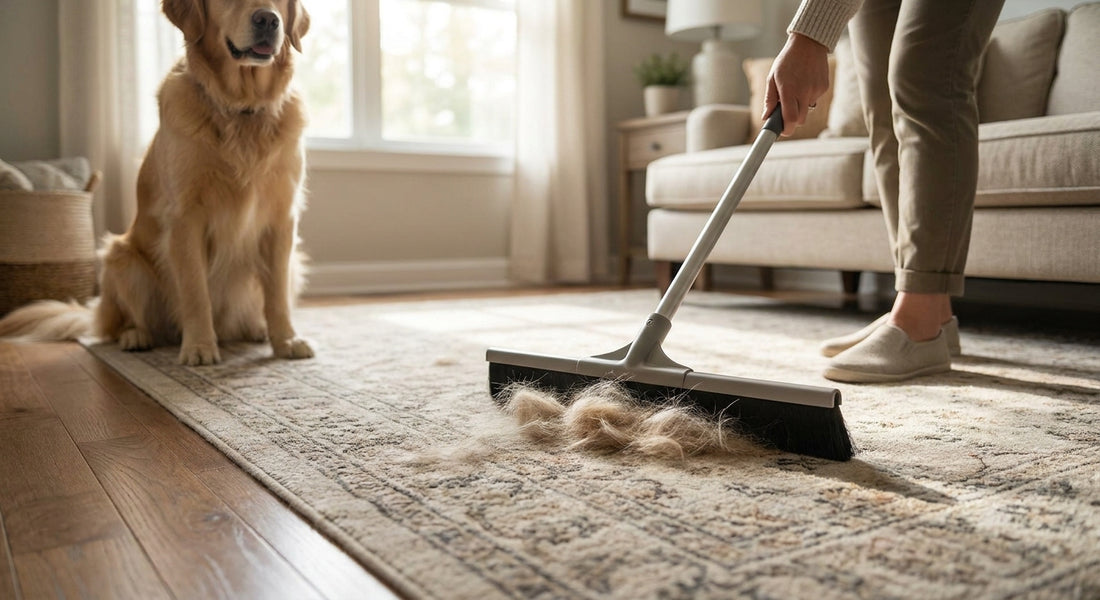
For deeply embedded hair, use a rubber broom, carpet rake, or rubber glove before vacuuming. Rubber creates friction and gathers hair into visible balls. This method is especially useful on stairs and thick rugs.
Does vacuum cleaner remove hair from carpet better when the carpet is dry? Usually, yes. Damp hair tends to cling to fibers and can form sticky clumps. Let wet areas dry first, unless the vacuum is specifically designed for wet cleaning.

How to remove hair from hardwood floors and tile
Hard floors are usually easier to clean because hair sits on top rather than inside deep fibers. Yet hair can still collect in corners, along baseboards, and under cabinets.
Use a soft floor head or a vacuum setting designed for hard surfaces. A stiff rotating brush may scatter hair across smooth flooring. If your vacuum has a brush-roll shutoff, turn the roll off when cleaning delicate hard floors.
For the best result:
• Start at the room edges.
• Vacuum toward the center.
• Use slow, overlapping passes.
• Clean under furniture when possible.
• Use a narrow tool for corners and baseboards.
Static can make hair cling to some floors, especially in dry weather. A microfiber dust mop can gather the last strands after vacuuming. Avoid sweeping too quickly because it may push hair into the air or under nearby furniture.
Does vacuum cleaner remove hair from tile grout? It can remove loose hair near grout lines, but it may not lift hair stuck in damp dirt. A narrow nozzle and gentle scrubbing may be needed for those areas.

How to remove hair from couches, beds, and upholstery
Upholstery creates a special challenge. Hair can stick to woven fabric, seams, cushions, and decorative piping.
Start with a vacuum upholstery tool. Move it slowly across the surface and pay close attention to seams. For stubborn hair, use a rubber pet-hair tool or slightly damp rubber glove before vacuuming.
Avoid soaking upholstery. Too much moisture can create odors, stains, or mildew inside cushions. Always follow the furniture care label before using water or cleaning products.
A practical routine works well:
-
Remove cushions if possible.
-
Vacuum the top, sides, and underside of each cushion.
-
Clean seams with a crevice tool.
-
Use a rubber tool on stubborn hair.