How Many Watts Is Good For A Vacuum Cleaner: Power Guide
For most homes, a vacuum cleaner rated between 600 and 1,200 watts offers a strong balance of power and efficiency.
Knowing how many watts is good for a vacuum cleaner can help you shop with confidence, but wattage is only part of the story. Motor design, suction power, airflow, filtration, brush action, and floor type all affect cleaning results. This guide explains the numbers in simple terms so you can choose a vacuum that cleans well without wasting energy.
What Does Wattage Mean on a Vacuum Cleaner?
Wattage measures how much electrical power a vacuum motor uses while running. A vacuum with a 1,000-watt motor uses more electricity than one with a 600-watt motor, assuming both run for the same amount of time.
However, wattage does not directly measure suction. It mainly shows the power going into the motor. A well-designed 700-watt vacuum may clean better than a poorly designed 1,200-watt model.
Think of wattage as the size of a car’s engine. A larger engine may have more power, but the car’s design, weight, tires, and transmission also affect performance. Vacuum cleaners work in much the same way.
When asking how many watts is good for a vacuum cleaner, consider these related features:
• Airflow, which shows how much air moves through the machine
• Suction pressure, which shows how strongly the vacuum pulls air and dirt
• Air watts, which combine suction and airflow in one performance measure
• Brush roll design, which helps remove hair and dirt from carpet
• Filter quality, which affects airflow and indoor air quality
• Sealed-system design, which prevents suction loss from air leaks
How Many Watts Is Good for a Vacuum Cleaner?
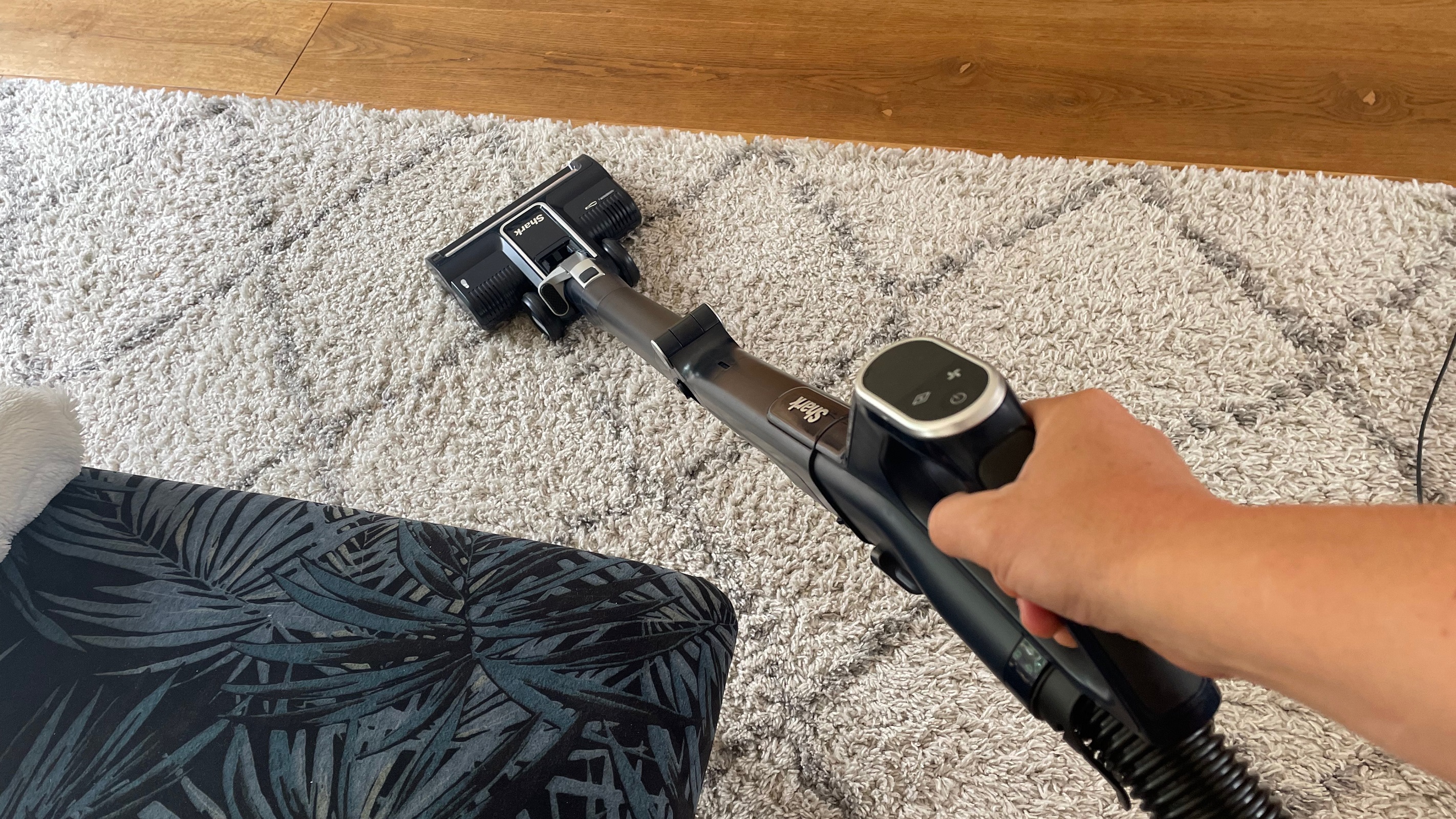
For most homes, 600 to 1,200 watts is a practical range for a corded vacuum cleaner. This range usually provides enough motor power for carpets, rugs, hard floors, dust, crumbs, and pet hair.
The best wattage depends on the vacuum type and your cleaning needs. A small handheld vacuum does not need the same motor as a full-size upright vacuum.
Here is a useful guide:
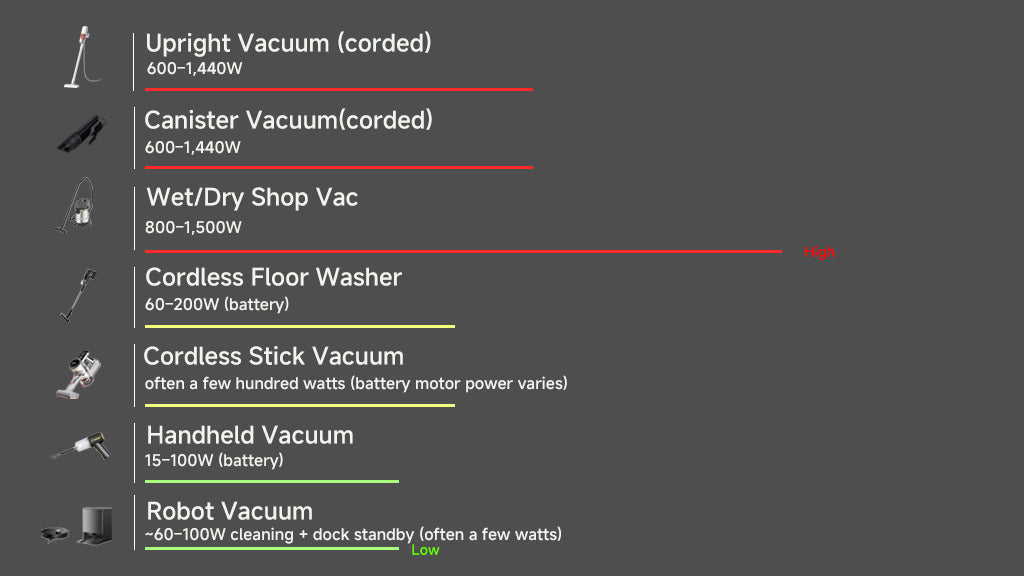
| Vacuum type | Typical wattage | Best use |
|---|---|---|
| Robot vacuum | 20–100 watts | Daily light cleaning |
| Cordless stick vacuum | 100–400 watts | Quick cleaning and small homes |
| Handheld vacuum | 100–300 watts | Cars, furniture, and small spills |
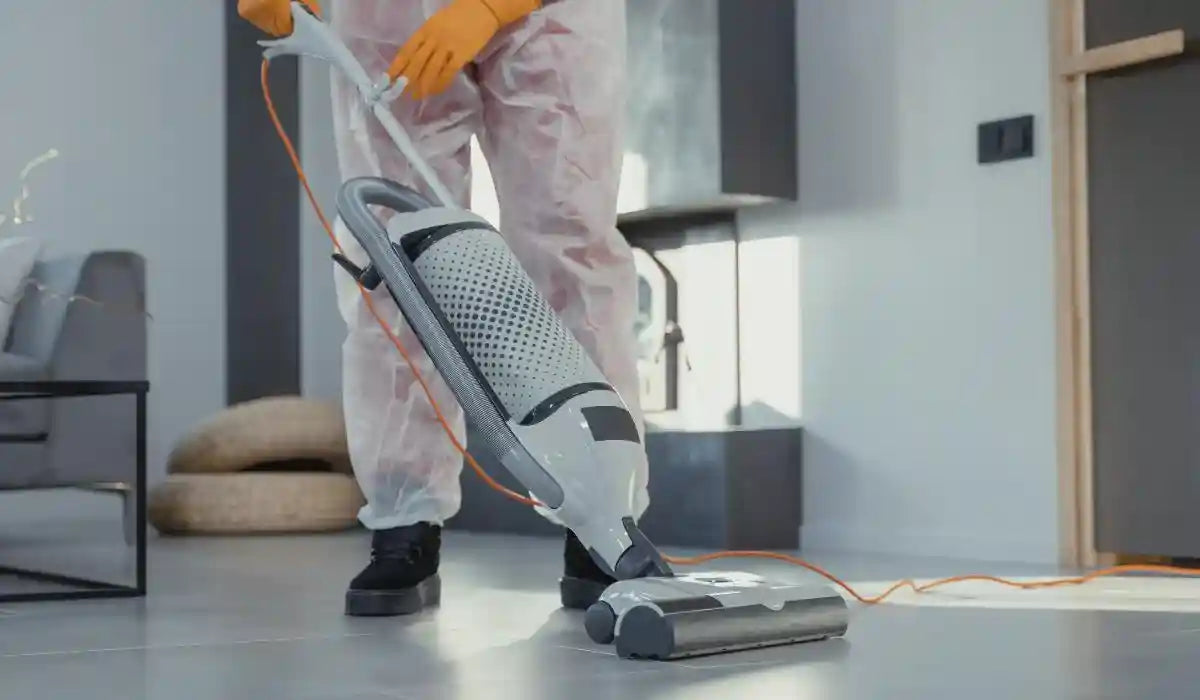
| Canister vacuum | 700–1,200 watts | Whole-home cleaning |
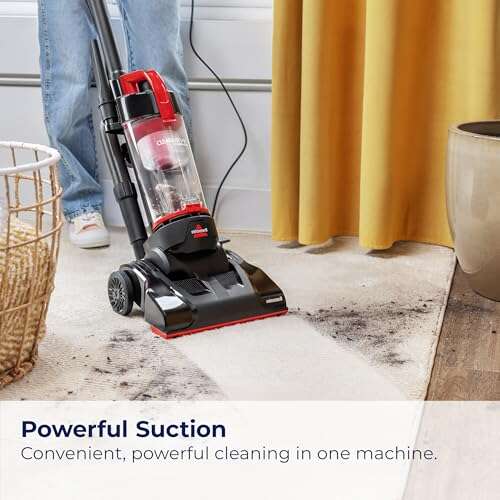
| Upright vacuum | 800–1,400 watts | Carpet and larger areas |
| Commercial vacuum | 1,000–1,500 watts or more | Frequent heavy-duty use |
These figures are general ranges, not strict rules. Some efficient vacuums clean very well with less power, while some high-wattage models perform poorly because of weak airflow or poor seals.
So, how many watts is good for a vacuum cleaner? For a standard corded home vacuum, around 800 to 1,200 watts is often a sensible target. For a cordless model, compare battery voltage, air watts, suction modes, and runtime instead of focusing only on watts.

Wattage vs. Suction Power
Wattage and suction power are related, but they are not the same thing. Wattage measures electrical input. Suction power measures the vacuum’s ability to pull air, dust, and debris into the cleaner.
Manufacturers may list suction in several ways:
• Air watts, often shown as AW
• Pascals, often shown as Pa
• Inches of water lift
• Cubic feet per minute, or CFM
Air watts are especially useful because they consider both airflow and suction pressure. Still, brands may test air watts under different conditions, so comparisons are not always perfect.
A vacuum with high wattage but low airflow may struggle to move dirt through the hose. A vacuum with moderate wattage and strong airflow may pick up debris more effectively.
When comparing models, look for a balance of:
• Strong airflow at the floor head
• High-quality seals
• A powered brush roll for carpet
• A washable or replaceable filter
• A dust bin that does not restrict airflow
• Clear performance ratings from the manufacturer
This is why asking how many watts is good for a vacuum cleaner should be the start of your research, not the end.

Recommended Wattage for Different Floors
Your floor type has a major effect on the wattage and vacuum design you need. Smooth floors usually need less power than thick carpet.
Hardwood and tile floors
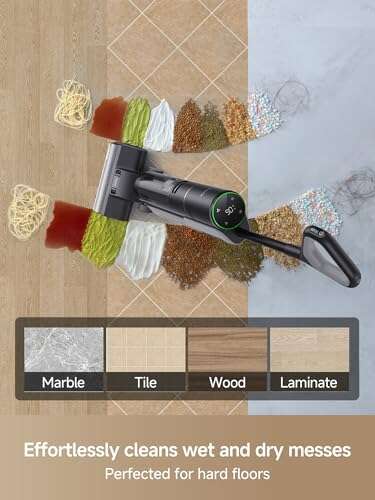
A vacuum between 400 and 800 watts can handle most hardwood, tile, vinyl, and laminate floors. These surfaces do not trap dirt as deeply as carpet.
More important features include:
• Soft roller or hard-floor cleaning head
• Adjustable suction
• Rubber wheels that will not scratch the floor
• Good edge cleaning
• A brush roll that can be turned off
Too much suction can sometimes make a floor head hard to move. It can also scatter large debris if the head is not designed for hard floors.
Low-pile carpet
For low-pile carpet, 600 to 1,000 watts is often enough. A motorized brush roll can lift dirt from the carpet fibers more effectively than suction alone.
Choose a vacuum with height adjustment if possible. The correct height helps maintain airflow without making the vacuum difficult to push.
Thick or high-pile carpet
High-pile carpet may benefit from 800 to 1,200 watts, along with a strong powered brush roll. The brush must reach dirt buried between long fibers.
A vacuum that is too powerful without height adjustment may seal tightly to the carpet. This can make it hard to move and may strain the motor.
Homes with pets
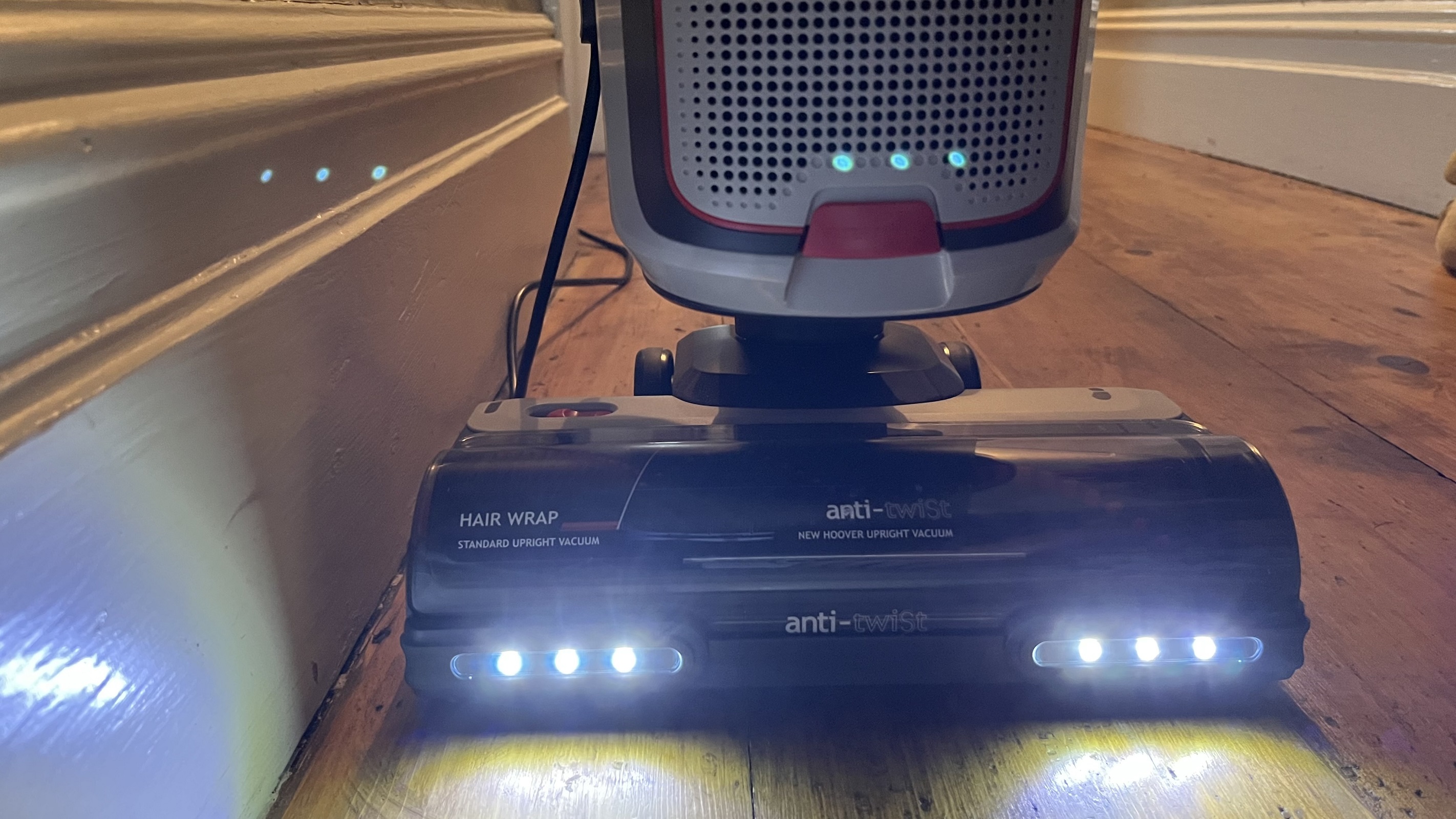
Pet hair requires more than a high-wattage motor. Look for a tangle-resistant brush, strong airflow, and a sealed filtration system.
For homes with pets, a well-designed 700-watt vacuum may outperform a basic 1,200-watt model. The brush roll and nozzle often make the biggest difference.
Is a Higher-Watt Vacuum Always Better?
No. Higher wattage does not guarantee better cleaning. It can mean a stronger motor, but it can also mean more heat, more noise, and higher electricity use.
A high-wattage vacuum may still perform poorly if it has:
• A narrow or blocked hose
• Weak seals around the dust bin
• A poor floor head
• A clogged filter
• A brush roll that does not contact the floor correctly
• A dust bin that fills quickly
The best vacuum uses its motor power efficiently. This is similar to a well-insulated home. The heating system does not need to work as hard because less energy escapes.
In real-world comparisons, airflow at the cleaning head often tells you more than the motor’s wattage. This is one of the most important lessons for anyone researching how many watts is good for a vacuum cleaner.
How Many Watts Does a Cordless Vacuum Need?
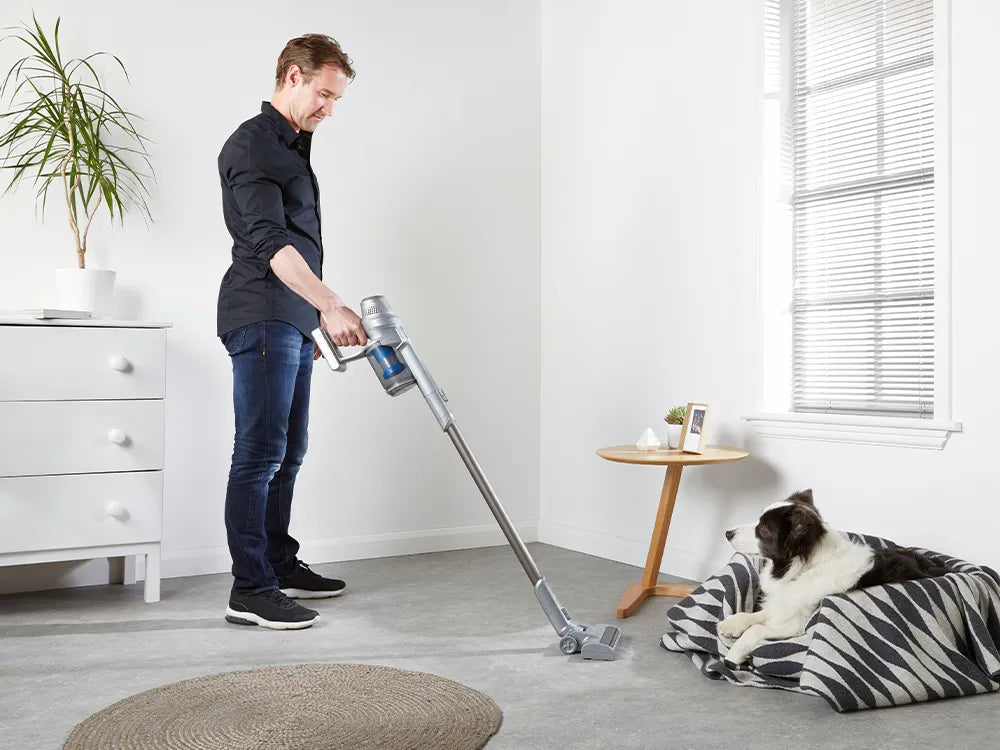
Cordless vacuums often use less electrical power than corded models. Many cordless stick vacuums use motors rated from 100 to 400 watts, depending on the cleaning mode.
Their performance depends on:
• Battery voltage
• Motor efficiency
• Air watts
• Battery capacity
• Cleaning head design
• Runtime at each power setting
A cordless vacuum may offer strong suction for 10 to 15 minutes in maximum mode but last 30 to 60 minutes in a lower setting. Always check the stated runtime carefully because the highest-power mode usually drains the battery much faster.
For a cordless model, do not judge how many watts is good for a vacuum cleaner by comparing its wattage directly with a corded vacuum. The electrical systems are different, and manufacturers may describe motor power in different ways.
A good cordless vacuum for daily cleaning should have enough battery life to clean your main areas in one session. If you have thick carpet, pets, or a large home, choose a model with a removable battery or a spare battery option.

How Many Watts Does a Robot Vacuum Need?
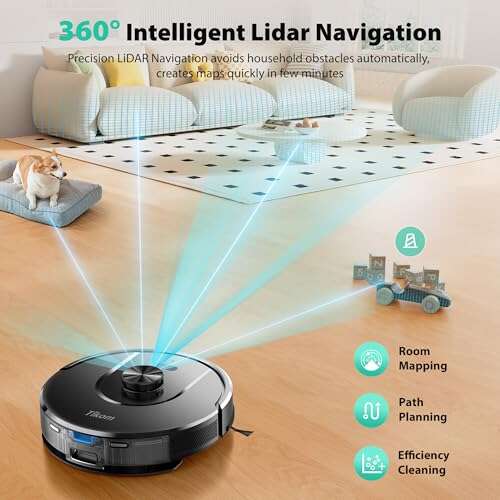
Robot vacuums generally use around 20 to 100 watts, although the exact number varies by model and operating mode. They are designed for frequent, light cleaning rather than deep carpet cleaning in one pass.
Robot vacuum performance depends heavily on:
• Navigation
• Brush design
• Suction mode
• Dust intake size
• Floor coverage
• Battery management
A robot vacuum can keep dust and crumbs under control with modest wattage because it runs often. It acts more like a daily sweeper than a powerful deep-cleaning upright.
For thick carpets or large amounts of pet hair, a traditional upright or canister vacuum may still be necessary. The robot can maintain the floor, while the larger vacuum handles deeper cleaning.

What Are Air Watts, Amps, and Volts?
Vacuum specifications can feel confusing because brands use several electrical terms.
Air watts
Air watts combine airflow and suction pressure. A higher air-watt rating often suggests stronger cleaning power, but only when tested under comparable conditions.
Amps
Amps measure the electrical current drawn by a corded vacuum. A vacuum rated at 12 amps may use more electricity than one rated at 8 amps, but amp ratings still do not prove better cleaning.
Volts
Volts measure electrical potential. Cordless vacuum batteries often use ratings such as 18, 20, 24, or 36 volts. A higher voltage can support a powerful motor, but battery design and motor efficiency matter too.
Watts
Watts can be calculated by multiplying volts by amps. In simple terms, watts show electrical power use. They do not tell the full story about how much dirt the vacuum can remove.
When deciding how many watts is good for a vacuum cleaner, use these figures as clues. Then check independent tests, customer feedback, warranty terms, and the actual floor head design.
Energy Use and Operating Cost
A higher-wattage vacuum usually uses more electricity per hour. You can estimate energy use with this basic formula:
-
Convert watts to kilowatts by dividing by 1,000.
-
Multiply the result by the number of hours used.
-
Multiply that figure by your local electricity rate.
For example, a 1,000-watt vacuum uses 1 kilowatt-hour when it runs for one hour. If your electricity rate is 16 cents per kilowatt-hour, one hour of use costs about 16 cents.
Most people use a vacuum for only a short time, so the total cost is usually modest. Still, an efficient vacuum can reduce energy use over many years.
You can save power by:
• Emptying the dust bin before it becomes full
• Washing or replacing filters as directed
• Removing hair from the brush roll
• Using the lowest setting that cleans the floor well
• Avoiding repeated passes over the same area
Efficiency matters more than chasing the lowest or highest wattage. The right vacuum removes dirt in fewer passes.
How to Choose the Right Vacuum Cleaner
Use this step-by-step process before buying.
1. Identify your floor type
List the amount of hardwood, tile, low-pile carpet, and thick carpet in your home. A mixed-floor home needs adjustable suction and a versatile floor head.
2. Consider pets and allergies
Pet owners should look for a powered brush, anti-tangle features, and a sealed filtration system. People with allergies may prefer a vacuum with a high-efficiency filter and low dust leakage.
3. Choose the right vacuum style
An upright vacuum works well for carpet and larger homes. A canister model offers flexibility on stairs and hard floors. A stick vacuum is light and convenient. A robot vacuum is useful for daily maintenance.
4. Compare useful performance details
Check airflow, air watts, suction settings, brush design, filter type, and dust bin capacity. Do not rely on the wattage number alone.
5. Think about comfort
A powerful vacuum is not helpful if it is too heavy or difficult to push. Check the handle, hose length, cord length, noise level, and storage needs.
6. Check maintenance needs
A vacuum needs regular care to keep its rated performance. Confirm that filters, belts, batteries, and brush rolls are easy to clean or replace.
7. Review independent testing
Look for tests that measure dirt pickup on both hard floors and carpet. Manufacturer claims can be useful, but controlled testing gives a fairer comparison.
This process gives you a better answer to how many watts is good for a vacuum cleaner than simply choosing the largest number on the box.
Common Mistakes to Avoid
Many buyers make the same mistakes when comparing vacuum cleaners.
• Choosing the highest wattage without checking airflow
• Ignoring the brush roll when buying for carpet
• Buying a cordless model without checking maximum-mode runtime
• Forgetting to check replacement filter and battery costs
• Using a carpet-only vacuum on delicate hard floors
• Assuming a larger motor means better filtration
• Ignoring weight and maneuverability
• Failing to clean the filter on schedule
One practical lesson is especially important: a clogged filter can make a powerful vacuum feel weak. Before replacing a vacuum, check the filter, hose, brush roll, and dust bin. A simple cleaning may restore much of the lost suction.
Another mistake is using maximum power all the time. The highest setting can be useful for thick carpet, but a lower setting may work better on rugs, curtains, and hard floors.
How to Maintain Vacuum Power
Good maintenance helps a vacuum keep its cleaning performance for years.
Follow these simple steps:
-
Empty the dust bin before it reaches the fill line.
-
Check the hose for clogs.
-
Remove hair and thread from the brush roll.
-
Wash washable filters only as the manual allows.
-
Replace disposable filters on schedule.
-
Inspect the belt on older upright vacuums.
-
Keep the floor head free from packed dirt.
-
Charge cordless batteries according to the manufacturer’s instructions.
Do not run a vacuum with a wet filter unless the manual specifically permits it. Moisture can damage the motor and create an unpleasant smell.
Regular maintenance also improves indoor air quality. A dirty filter may allow fine dust to pass back into the room, even if the motor still sounds strong.
Frequently Asked Questions About How Many Watts Is Good for a Vacuum Cleaner
Is 600 watts enough for a vacuum cleaner?
Yes, 600 watts can be enough for hard floors, light rugs, and small homes. For thick carpet or heavy pet hair, choose a model with strong airflow and a powered brush instead of judging wattage alone.
Is 1,000 watts good for a vacuum cleaner?
Yes, 1,000 watts is a useful range for many corded household vacuums. It offers solid motor power for mixed floors, but the floor head, filtration, and airflow still determine actual cleaning results.
Does higher wattage mean stronger suction?
No, higher wattage does not always mean stronger suction. Wattage measures electrical input, while suction depends on airflow, seals, filters, motor design, and the cleaning head.
How many watts should a cordless vacuum have?
Many cordless vacuums work well between 100 and 400 motor watts. Compare air watts, battery life, suction modes, and cleaning-head performance because cordless wattage is not directly comparable with corded wattage.
How many watts is good for a vacuum cleaner for pet hair?
A corded vacuum rated around 800 to 1,200 watts can work well for pet hair when it has a motorized brush and sealed filtration. Brush design and anti-tangle features are often more important than the wattage number.
Do vacuum cleaners use a lot of electricity?
Most household vacuums use a modest amount of electricity because they run for short periods. A 1,000-watt vacuum uses about 1 kilowatt-hour during one hour of continuous operation.
What is more important than wattage in a vacuum cleaner?
Airflow, suction, brush-roll action, filtration, and sealing are often more important than wattage. A well-designed vacuum can clean better while using less electrical power.
Conclusion
For most homes, 600 to 1,200 watts is a sensible range for a corded vacuum cleaner. Around 800 to 1,200 watts is often suitable for mixed floors, carpets, and pet hair, while cordless and robot vacuums need different standards.
The key lesson is that how many watts is good for a vacuum cleaner depends on the vacuum type, floor surface, cleaning task, and design quality. Compare wattage with airflow, air watts, brush action, filtration, runtime, and maintenance needs before you buy.
Use the wattage range as a helpful starting point, then choose the model that fits your home. Share this guide with someone shopping for a vacuum, and explore more cleaning tips to make your next purchase easier.

Liora Pennings is a seasoned chef and kitchen enthusiast with a passion for turning everyday cooking into an effortless experience. With years of hands-on culinary expertise, she specializes in practical techniques, ingredient know-how, and smart kitchen solutions that help home cooks elevate their meals. At KitchFlair.com, Liora shares her best tips, time-saving tricks, and honest product reviews to guide readers toward a more efficient, enjoyable, and inspired cooking routine. Whether you’re a beginner or a seasoned home chef, Liora’s friendly, knowledge-packed insights make every visit to the kitchen a little easier—and a lot more delicious.