
How To Use Coffee Maker DeLonghi: Easy Guide
To use a De’Longhi coffee maker, add water and coffee, choose a brew setting, and start the machine.
Learning how to use coffee maker DeLonghi models is simple once you understand the controls, water tank, filter, and cleaning cycle. De’Longhi makes drip coffee makers, espresso machines, and automatic bean-to-cup machines, so the exact steps can differ. This guide explains each common type, shares practical tips from real use, and helps you avoid the small mistakes that can ruin a good cup.

Understand Your De’Longhi Coffee Maker
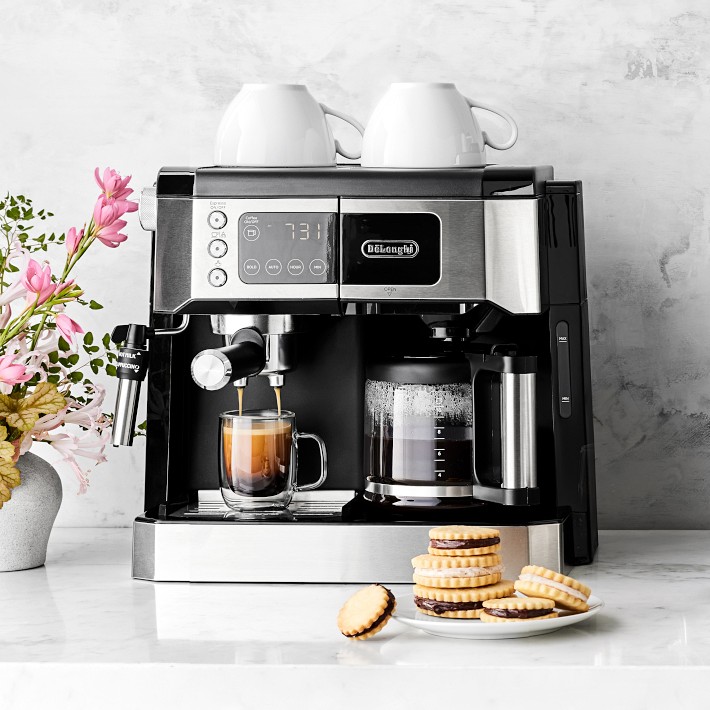
Before learning how to use coffee maker DeLonghi appliances, identify the type of machine you own. De’Longhi products may look similar, but a drip coffee maker works very differently from an espresso or automatic coffee machine.
The main types include:
• Drip coffee makers: These brew several cups of regular coffee into a carafe.
• Pump espresso machines: These use ground coffee and pressure to make espresso.
• Automatic espresso machines: These grind beans, brew coffee, and often steam milk with one touch.
• Hot and cold coffee machines: These may include settings for iced coffee, cold brew, or specialty drinks.
Look for the model number on the front, side, or bottom of the machine. The model number helps you find the correct manual, filter size, coffee basket, water level, and cleaning instructions.
Most De’Longhi coffee makers have these basic parts:
• Water reservoir
• Coffee filter or filter basket
• Coffee carafe or cup platform
• Control panel
• Brew head
• Drip tray
• Steam wand or milk system on espresso models
A key lesson is not to force a part into place. If the filter basket, water tank, or carafe does not fit smoothly, check its position. Small tabs and grooves must line up correctly.

How to Use a De’Longhi Drip Coffee Maker
A De’Longhi drip coffee maker is the easiest model to operate. It heats water and slowly passes it through ground coffee. The brewed coffee then flows into the glass or thermal carafe.
Follow these steps for a standard brew:
-
Place the machine on a flat, dry surface near an outlet.
-
Remove the water tank or open its lid.
-
Fill the tank with fresh, cold water.
-
Do not fill above the maximum water line.
-
Put a paper filter or permanent filter into the filter holder.
-
Add ground coffee to the filter.
-
Place the carafe under the brew outlet.
-
Close the filter holder and carafe lid if your model uses one.
-
Press the power or brew button.
-
Wait until the brewing cycle ends before removing the carafe.
A useful starting point is about 1 to 2 level tablespoons of ground coffee for every 6 fluid ounces of water. Adjust the amount based on taste. Use more coffee for a stronger cup, or use less for a lighter cup.
Do not use finely ground espresso coffee in a standard drip machine. Very fine coffee can slow the water flow and may cause an overly bitter taste. Medium-ground coffee usually works best for drip brewing.
Many De’Longhi drip machines include a pause-and-serve feature. This lets you pour coffee before the full cycle ends. Set the carafe back under the filter quickly, because coffee may continue dripping.
How to Use the Timer
Some De’Longhi drip models include a programmable timer. The buttons may be labeled “Hour,” “Minute,” “Program,” or “Auto.”
A common setup process is:
• Set the current time on the machine.
• Press the program button.
• Select the time you want brewing to begin.
• Confirm the setting.
• Leave water and coffee in the machine before bedtime.
• Make sure the machine is switched to the automatic setting.
Avoid leaving wet coffee grounds in the filter basket for many hours. They can develop a stale smell and may encourage mold growth.

How to Use a De’Longhi Espresso Machine
Learning how to use coffee maker DeLonghi espresso models takes more practice because espresso depends on grind size, dose, pressure, and temperature. The process is still manageable when you follow a consistent routine.
Start by filling the water tank with fresh water. Lock the tank into place and check that the drip tray is installed. If the machine has a steam wand, make sure it is clean and free from dried milk.
Next, warm the machine. Turn it on and allow the heating system to reach brewing temperature. Some models show a ready light, while others use a display or sound.
Prepare the portafilter as follows:
-
Choose a single or double filter basket.
-
Add freshly ground coffee.
-
Spread the grounds evenly.
-
Tamp the coffee with firm, level pressure.
-
Wipe loose grounds from the rim.
-
Lock the portafilter into the group head.
-
Place a cup under the coffee outlets.
-
Press the single or double espresso button.
A typical espresso shot should flow in a thin, steady stream. If the coffee runs too fast and looks pale, the grind may be too coarse, the dose may be too small, or the coffee may not be tamped evenly. If only a few drops come out, the grind may be too fine or the basket may be overfilled.
Do not press the tamper at an angle. Uneven pressure can create weak spots in the coffee puck. Water will follow the easiest path, leaving part of the coffee under-extracted.
How to Steam Milk
For a cappuccino or latte, pour cold milk into a clean metal pitcher. Fill it only about one-third full because milk expands as it heats.
Purge the steam wand for a few seconds. Place the wand tip just below the milk surface and open the steam control. Keep the pitcher moving in a small circle until the milk becomes smooth and glossy.
Aim for milk that feels hot but not painfully hot. Many coffee professionals stop around 140°F to 150°F. Overheated milk can taste flat or burnt.
After steaming:
• Close the steam control.
• Wipe the wand with a damp cloth.
• Purge the wand again.
• Rinse the pitcher immediately.
This cleaning step is essential. Dried milk can block the steam tip and create a hygiene problem.

How to Use a De’Longhi Automatic Coffee Machine
Automatic De’Longhi machines, such as bean-to-cup models, combine a grinder, brewer, and sometimes a milk system. They are convenient because the machine handles most of the work.
To make a basic coffee:
-
Fill the water tank with fresh water.
-
Add whole coffee beans to the bean container.
-
Check that the grounds container and drip tray are installed.
-
Turn on the machine.
-
Wait for the rinse or warm-up cycle to finish.
-
Place a cup under the coffee spout.
-
Choose coffee, espresso, or another drink.
-
Adjust strength or volume if needed.
-
Press the start button.
The first cup after startup may taste slightly different because the grinder and brewing system are warming. This is normal. The machine may also rinse itself when it starts or shuts down.
Use the grinder setting carefully. Change it only while the grinder is operating, and adjust it by one step at a time. A very fine setting can slow brewing and cause errors. A very coarse setting can produce weak coffee.
Do not fill the bean container with flavored, oily, or wet beans. Very oily beans may stick inside the grinder and cause inconsistent dosing. Store beans in an airtight container away from heat and sunlight.
Using the Milk System
If your machine has a milk carafe or tube, connect it firmly before selecting a milk drink. Use cold milk from the refrigerator for the best foam.
After making a milk drink, run the machine’s milk-cleaning program if available. Remove and rinse the milk container according to the instructions. Milk residue can spoil quickly, even when the outside of the system looks clean.
The Best Coffee, Water, and Settings
The coffee you use matters as much as the machine. Fresh beans or grounds usually produce more flavor than coffee that has been open for months.
Use these simple guidelines:
• Choose medium roast for a balanced cup.
• Use dark roast for bold, smoky flavor.
• Use medium-ground coffee for drip machines.
• Use fine, espresso-ground coffee for espresso machines.
• Use whole beans for automatic machines with built-in grinders.
• Use filtered water if your tap water has a strong taste or high mineral content.
Water makes up most of a cup of coffee, so poor-tasting water can affect the final result. However, distilled water is not always ideal. Some coffee machines need minerals in the water for proper operation, and extremely soft water may affect taste.
For espresso, adjust one variable at a time. Change the grind, dose, or extraction volume, but not all three at once. This makes it easier to understand what improved the drink.
A practical method is to write down your settings. Note the coffee brand, grind level, dose, and result. After a few attempts, you will create a reliable recipe instead of guessing each morning.

Cleaning and Descaling Your De’Longhi Coffee Maker
Regular cleaning is one of the most important parts of learning how to use coffee maker DeLonghi machines. Coffee oils become rancid, milk residue can become unsafe, and mineral scale can reduce water flow.
After each use:
• Empty wet grounds or the used coffee pod.
• Rinse the filter basket.
• Empty the drip tray when needed.
• Wipe coffee spills from the warming plate.
• Rinse the milk wand or milk parts.
For espresso machines, rinse the portafilter and group head after brewing. Run a short water cycle without coffee to clear loose grounds.
Descaling removes mineral buildup caused by hard water. Most De’Longhi machines display a descale warning or use a flashing light. Use the recommended descaling solution and follow the product instructions.
A typical descaling process includes:
-
Remove coffee grounds and empty the drip tray.
-
Add the descaling solution and the required amount of water.
-
Start the descale program.
-
Let the solution pass through the machine.
-
Empty and rinse the tank.
-
Run one or more fresh-water rinse cycles.
Never use vinegar unless the specific manual allows it. Vinegar may leave an odor, and some manufacturers warn that it can affect seals or internal parts. The correct descaler is usually the safer choice.
Cleaning tablets are different from descaling liquid. Tablets remove coffee oils, while descaler targets mineral deposits. One cannot fully replace the other.

Common Problems and Simple Fixes
Even when you know how to use coffee maker DeLonghi products, small problems can happen. Most are caused by water, coffee, placement, or cleaning.
Coffee Tastes Weak
Try using more coffee or a finer grind. For an automatic machine, increase the strength setting or reduce the amount of water.
Coffee Tastes Bitter
Use less coffee, a slightly coarser grind, or a shorter brew time. Very dark coffee can also taste bitter when brewed too hot or too long.
The Machine Does Not Start
Check that the power cord is connected and the outlet works. Confirm that the water tank, carafe, drip tray, and service door are properly seated.
Espresso Comes Out Too Fast
Use a finer grind, add a little more coffee, or tamp more evenly. Old coffee may also produce a thin and fast shot.
Espresso Comes Out Too Slowly
Use a coarser grind, reduce the coffee dose, or avoid pressing too hard with the tamper. Clean the filter holes and group head.
The Coffee Is Not Hot
Preheat the cup with warm water. For espresso machines, allow the machine to complete its heat-up cycle before brewing. Scale buildup can also reduce heating performance.
The Machine Leaks
Check the water tank seal, drip tray, carafe position, and portafilter lock. Do not continue using the machine if water reaches electrical parts or the power cord.
In my experience, the most common mistake is changing too many settings at once. Make one adjustment, brew again, and compare the result. Coffee responds like baking: small changes can have a large effect.

Safety Tips for Daily Use
Coffee makers use hot water, steam, and electricity. Safe habits protect both you and the machine.
• Keep the machine on a stable, heat-resistant surface.
• Keep the power cord away from hot surfaces and water.
• Never touch the steam wand during or right after use.
• Do not open pressurized parts while the machine is operating.
• Let the machine cool before deep cleaning.
• Do not immerse the electrical base in water.
• Keep children away from hot coffee and steam.
• Use only compatible filters, baskets, and accessories.
• Stop using the machine if the cord, plug, or housing is damaged.
Always follow the manual for your exact model. De’Longhi uses different heating systems, control panels, and cleaning programs, so a button sequence from one machine may not apply to another.
Frequently Asked Questions About How to Use Coffee Maker DeLonghi
How much coffee should I use in a De’Longhi coffee maker?
For drip coffee, start with 1 to 2 tablespoons of ground coffee per 6 fluid ounces of water. Adjust the amount to suit your taste and the strength setting on your model.
Can I use whole beans in a De’Longhi drip coffee maker?
No. A drip coffee maker needs ground coffee unless it has a built-in grinder. Use whole beans only in a De’Longhi automatic machine designed to grind beans.
How long does a De’Longhi coffee maker take to brew?
A drip model often takes several minutes to brew a full carafe. An espresso machine can make a shot in less than a minute after warming, while an automatic model may take longer because it grinds, rinses, and brews.
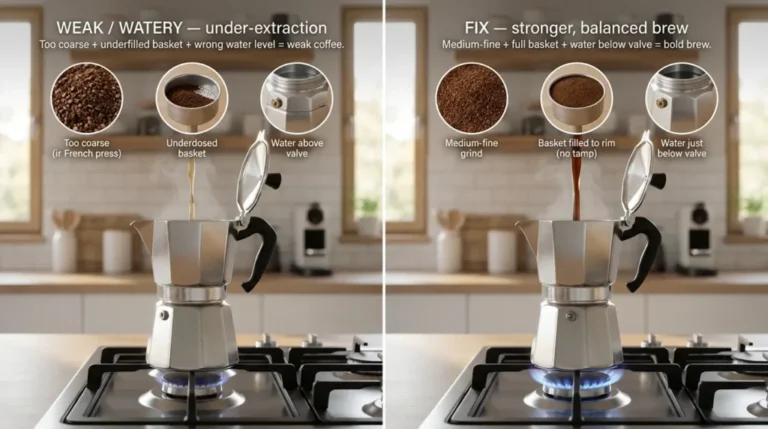
Why does my De’Longhi coffee taste watery?
The grind may be too coarse, the coffee dose may be too low, or too much water may be passing through the grounds. Try adding more coffee or changing the strength and grind settings gradually.
How often should I descale a De’Longhi coffee maker?
Descale the machine when its warning light or display requests it. The exact interval depends on water hardness and use, so homes with hard water may need more frequent descaling.
Can I leave water in my De’Longhi coffee maker?
It is better to empty the water tank when the machine will not be used for more than a day. Fresh water improves taste and reduces the chance of stale odors or buildup.
Why is my De’Longhi espresso machine making loud sounds?
Some noise is normal during pumping, grinding, and steaming. Unusual noise may point to low water, trapped air, scale, a blocked grinder, or a part that is not seated correctly.
Conclusion
Learning how to use coffee maker DeLonghi appliances comes down to a few dependable habits: use fresh water, measure coffee carefully, choose the right grind, allow the machine to warm up, and clean it after use. Drip models need simple filter and carafe steps, while espresso and automatic models require more attention to pressure, grinding, milk, and maintenance.
Start with the instructions for your exact model, then make small adjustments until the coffee tastes right. A clean machine and a steady routine will improve both flavor and reliability. Try these steps with your De’Longhi coffee maker today, and share your favorite brewing settings or drink recipe in the comments.

Liora Pennings is a seasoned chef and kitchen enthusiast with a passion for turning everyday cooking into an effortless experience. With years of hands-on culinary expertise, she specializes in practical techniques, ingredient know-how, and smart kitchen solutions that help home cooks elevate their meals. At KitchFlair.com, Liora shares her best tips, time-saving tricks, and honest product reviews to guide readers toward a more efficient, enjoyable, and inspired cooking routine. Whether you’re a beginner or a seasoned home chef, Liora’s friendly, knowledge-packed insights make every visit to the kitchen a little easier—and a lot more delicious.