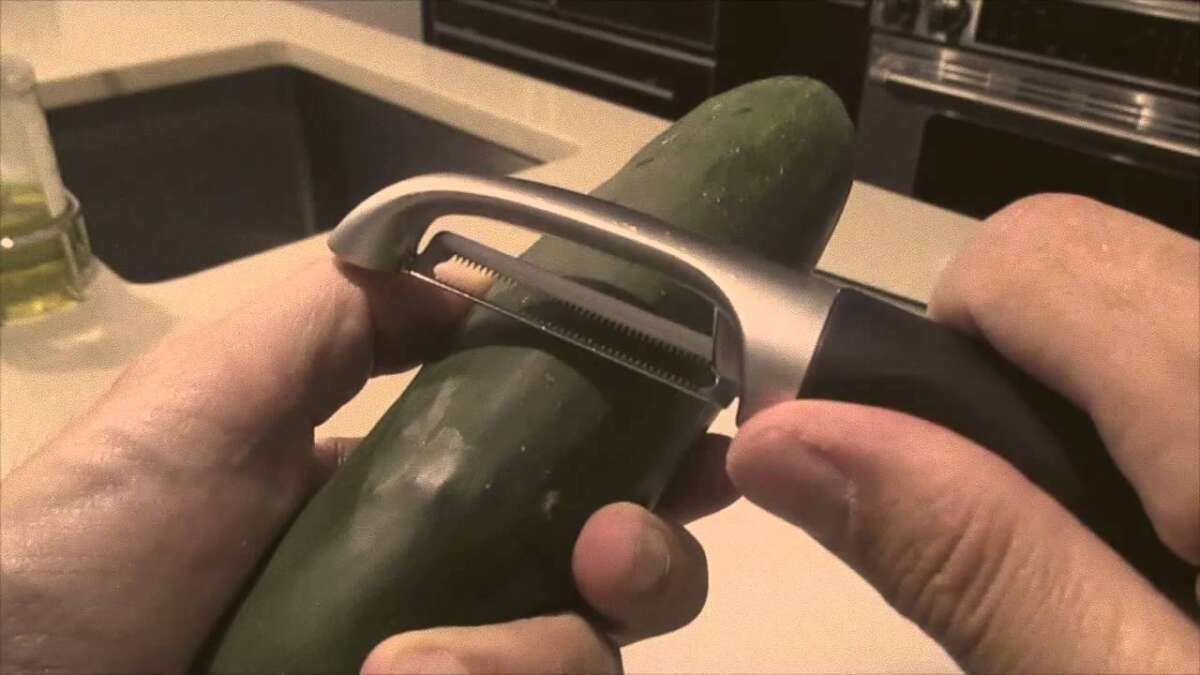
How To Use A Vegetable Peeler: Easy Step-By-Step Guide
Hold the peeler firmly, draw it down the vegetable, and keep your fingers behind the blade.
Learning how to use a vegetable peeler is simple, but good technique makes a big difference. With the right grip, light pressure, and a stable cutting surface, you can remove thin, even layers from potatoes, carrots, apples, cucumbers, and many other foods. This guide explains how to use a vegetable peeler safely, choose the right tool, avoid waste, and get smooth results every time.
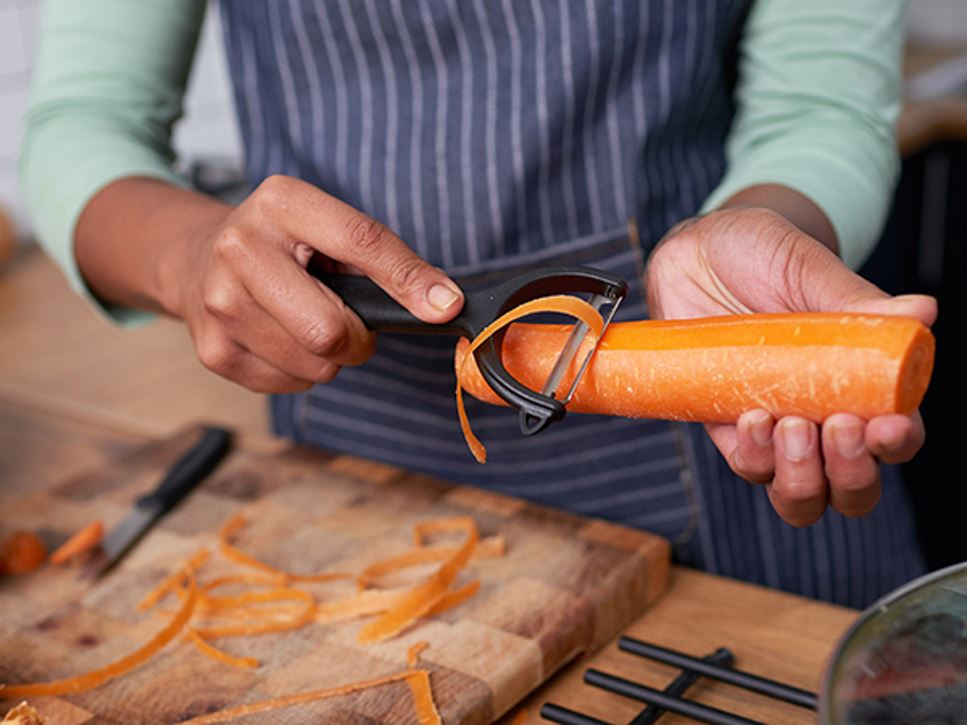
What Is a Vegetable Peeler?
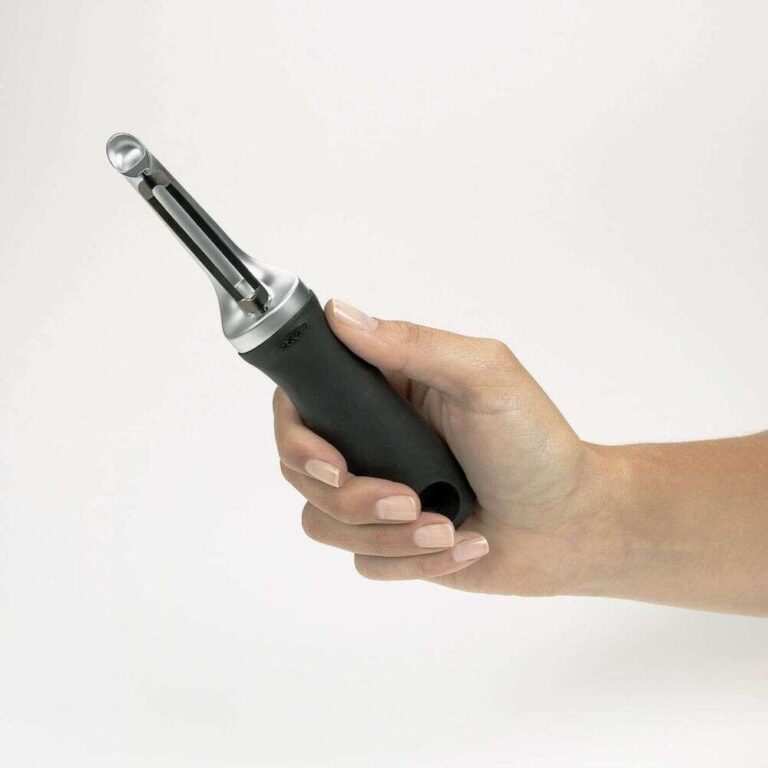
A vegetable peeler is a small kitchen tool used to remove the thin outer skin from fruits and vegetables. It usually has a handle and a sharp metal blade with a narrow slot. The slot controls how much skin the blade removes.
Most peelers fall into two main groups:
• A swivel peeler has a blade that moves from side to side. It follows the shape of round vegetables well.
• A Y peeler has a blade set across the top of the handle. It works well for long strokes on carrots, potatoes, cucumbers, and squash.
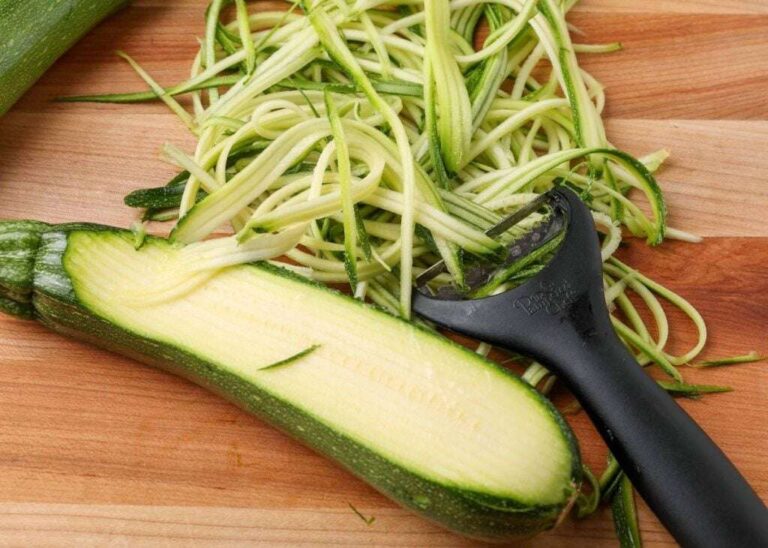
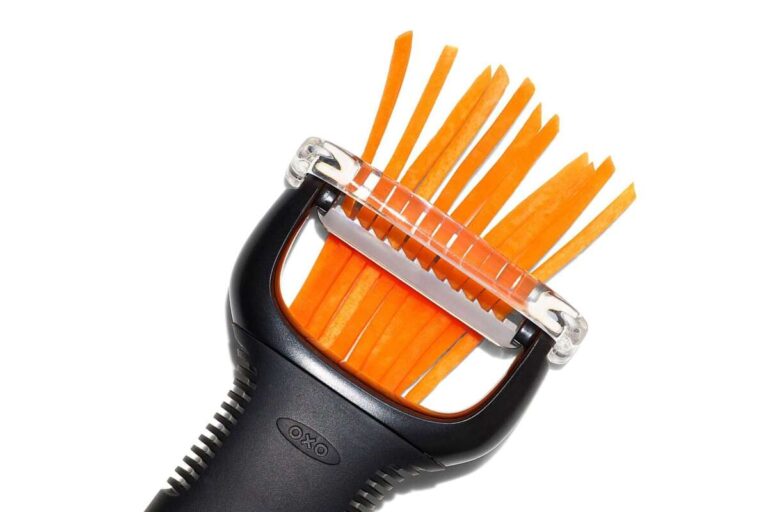
Some peelers include a pointed tip. You can use this tip to remove potato eyes, small blemishes, or tough spots. Other models have julienne blades that cut vegetables into thin strips.
A good vegetable peeler should feel secure in your hand. The blade should be sharp, clean, and free from rust. A dull blade often slips, removes uneven strips, and requires more force.

How to Use a Vegetable Peeler Step by Step
The best way to learn how to use a vegetable peeler is to follow a steady process. Start slowly until the motion feels natural.
1. Wash the produce
Rinse the vegetable or fruit under cool running water. Rub the surface with clean hands or a produce brush when needed.
Washing comes first, even if you plan to remove the skin. A peeler can move dirt and bacteria from the outside onto the flesh as it travels.
Dry the produce with a clean towel. A dry surface gives you better control and reduces slipping.
2. Set up a stable work area
Place a cutting board on a flat counter. If the board moves, put a damp kitchen towel beneath it.
Keep a bowl nearby for the peels. You can also place compostable scraps in a separate container. Clear the area of extra tools so your hands have room to work.
3. Hold the vegetable correctly
Hold the vegetable in your non-dominant hand. Keep your fingers curled away from the area you are peeling.
For a long vegetable, such as a carrot, hold one end and peel toward the other end. For a round vegetable, such as a potato, rest part of it on the board when possible.
Never hold a small piece close to the blade. Cut it into a larger, safer shape first, or peel it with the food resting on the board.
4. Grip the peeler
Hold the handle with your dominant hand. Keep your thumb and fingers wrapped around it without squeezing too hard.
Point the blade away from your body. Place the blade at a shallow angle against the skin. The blade should touch the surface, not dig deep into the food.
5. Pull the blade in a smooth stroke
draw the peeler along the vegetable with light, even pressure. Most people find it safest to peel away from the body.
Try to remove one thin strip at a time. Let the sharp blade do the work. Pressing harder does not make peeling faster. It usually creates waste and increases the chance of a slip.
Turn the vegetable after each stroke. Continue until the skin is gone or you have removed only the area needed for your recipe.
6. Inspect the surface
Look for dark spots, eyes, rough patches, or missed strips. Use the peeler tip or a small paring knife for tiny areas.
If the vegetable has a very thick or tough skin, make several light passes. Do not force the blade through one heavy layer.
This method is central to how to use a vegetable peeler well: stable food, a safe grip, light pressure, and controlled strokes.

How to Hold a Vegetable Peeler Safely
Safe hand placement matters more than speed. A vegetable peeler is small, but its blade can cause a painful cut when used carelessly.
Follow these safety habits:
• Keep the blade pointed away from your body.
• Curl the fingers of your holding hand into a claw shape.
• Keep your thumb behind the food, not in front of the blade.
• Peel large pieces before cutting them into small pieces.
• Use the cutting board for short or unstable vegetables.
• Slow down when the surface becomes wet, soft, or irregular.
• Replace a damaged peeler instead of trying to repair the blade.
A common mistake is to hold a potato in the palm and peel toward the thumb. This position leaves the thumb in the blade’s path. A safer approach is to set the potato on the cutting board and rotate it as you peel.
When teaching someone how to use a vegetable peeler, I focus on hand position before speed. Smooth, calm movements are safer and usually produce better results.

How to Peel Different Fruits and Vegetables
Each food has a different shape, texture, and skin. Adjust your technique instead of using the same pressure for everything.
Potatoes
Place the potato on a cutting board or hold it by one end if it is large. Pull the peeler in long strokes, then rotate the potato.
Potato eyes may remain after peeling. Remove them with the pointed end of the peeler or a small knife. If a potato has green areas, cut away the affected parts generously. Large green or bitter areas may be a reason to discard the potato.
Carrots
Hold the carrot near the thick end and peel from top to bottom. Rotate it after each stroke.
The narrow tip can be difficult to hold safely. Leave it attached while peeling, then trim it after most of the skin is gone.
Cucumbers
A sharp peeler can remove cucumber skin in long, clean strips. You may remove all the skin, create stripes, or leave it intact.
Striped peeling can add color to a salad. It also leaves some fiber and flavor on the cucumber.
Apples
Apples have thin skin, so use a light touch. Turn the apple slowly and follow its curve.
For a pie or applesauce, you may peel the apple before coring it. For safety, remove the stem and cut the apple into larger sections if the whole fruit feels difficult to control.
Butternut squash
A vegetable peeler can work on butternut squash, but the skin is firm. Cut off the top and bottom first, then set the squash upright on the board.
Use slow, downward strokes. If the squash is too hard to hold or the peeler does not glide, use a sturdy chef’s knife to remove the skin in sections.
Ginger
A spoon often works better than a standard peeler for ginger. Its edge can scrape away the thin skin while following the knobs and curves.
If you use a peeler, make small strokes and keep the ginger stable. The spoon method often creates less waste.

How to Choose the Best Vegetable Peeler
The best peeler depends on your hand, the foods you prepare, and the blade design. A low-cost tool can work well if it is sharp and comfortable.
Look for these features:
• A comfortable, non-slip handle
• A sharp stainless steel blade
• A blade that moves smoothly
• A design that fits your grip
• A dishwasher-safe body, if that feature matters to you
• A pointed end for removing blemishes
A Y peeler often feels fast because it removes a wide strip with each stroke. A swivel peeler may feel more natural on round foods because the blade follows the curve.
Left-handed cooks should check whether the blade works in both directions. Some peelers are designed for either hand, while others favor right-handed or left-handed use.
The best test is simple: hold the peeler in a store or read reliable product details, then consider whether your fingers feel relaxed. Comfort helps you maintain control.

How to Use a Vegetable Peeler Without Wasting Food
Peeling should remove the skin, not a thick layer of the vegetable. Excess waste often comes from a dull blade, too much pressure, or an incorrect angle.
Use these techniques:
• Keep the blade almost parallel to the surface.
• Make short strokes on curves and long strokes on straight sides.
• Stop when the colored skin is gone.
• Rotate the food instead of twisting your wrist.
• Use the peeler tip for small blemishes.
• Peel only what the recipe requires.
Some peels are edible and can remain on foods such as carrots, potatoes, apples, and cucumbers. Whether you peel them depends on texture, appearance, recipe needs, and personal taste.