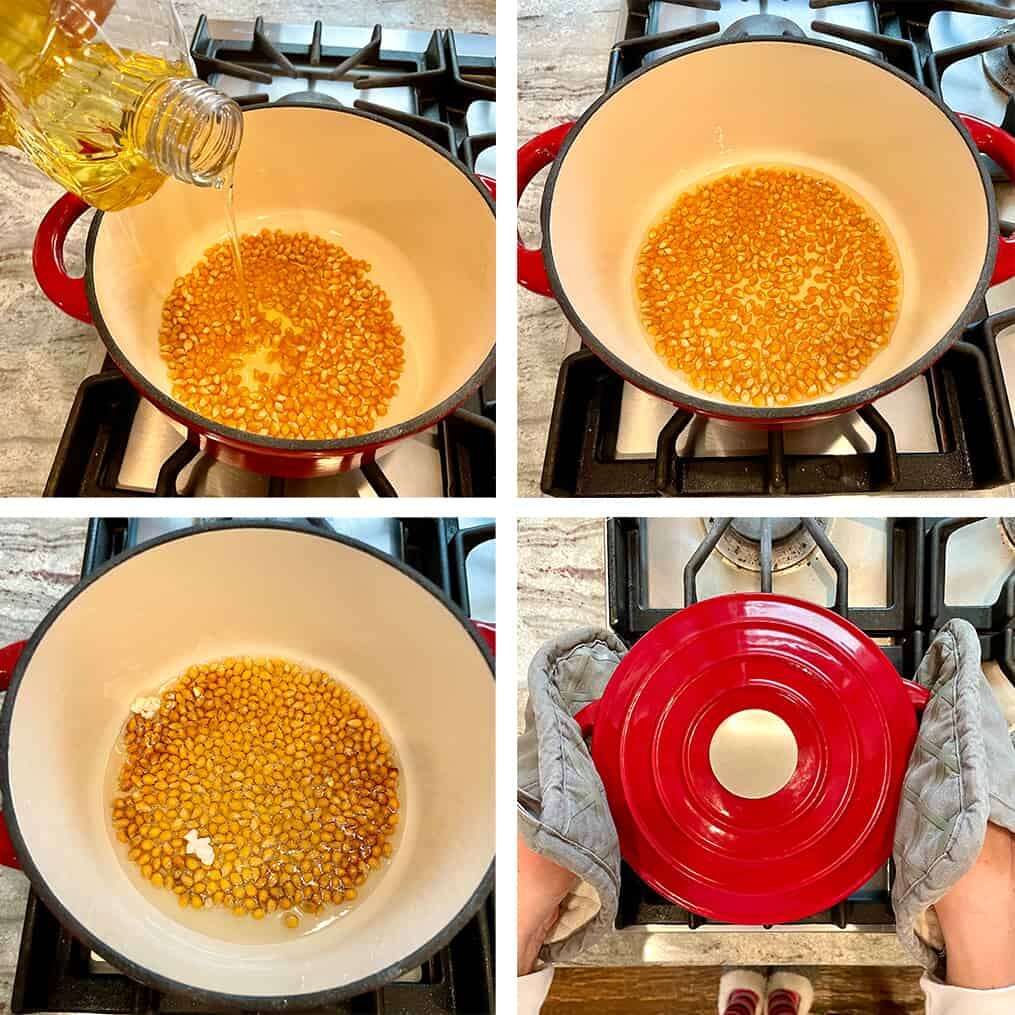
How To Make Popcorn In A Saucepan: Easy Method
Add oil, popcorn kernels, and heat to a covered saucepan, then shake gently until the popping slows.
Learning how to make popcorn in a saucepan is a simple kitchen skill that gives you fresh, crisp popcorn without a microwave. With the right heat, a little oil, and a loose-fitting lid, you can control the texture, flavor, and seasoning from start to finish.

Why Make Popcorn in a Saucepan?
Making popcorn in a saucepan is fast, affordable, and easy to customize. You need only a few basic items: popcorn kernels, cooking oil, salt, and a saucepan with a lid.
Stovetop popcorn also gives you more control than many microwave varieties. You can choose the oil, limit added salt, and avoid the flavorings found in some packaged popcorn products.
The method works because heat turns the small amount of water inside each kernel into steam. Pressure builds until the kernel bursts, turning inside out into the fluffy popcorn you know.
A saucepan is ideal because its tall sides help keep kernels contained. It also spreads heat well, which helps the kernels pop at a steady rate.
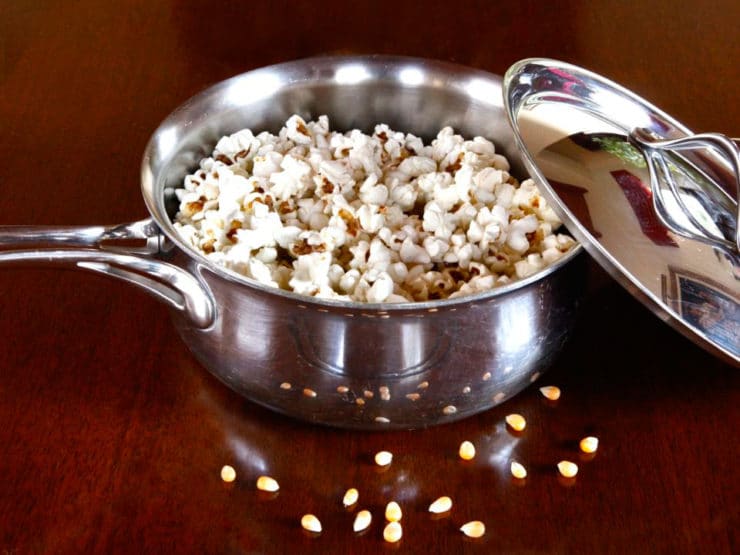
What You Need to Make Popcorn in a Saucepan
Before learning how to make popcorn in a saucepan, gather your ingredients and tools. Preparation makes the process smoother and helps prevent burned kernels.
Ingredients
For about 6 cups of popped popcorn, use:
• 2 tablespoons neutral cooking oil, such as canola, vegetable, avocado, or grapeseed oil
• ⅓ cup popcorn kernels
• ¼ to ½ teaspoon fine salt, or salt to taste
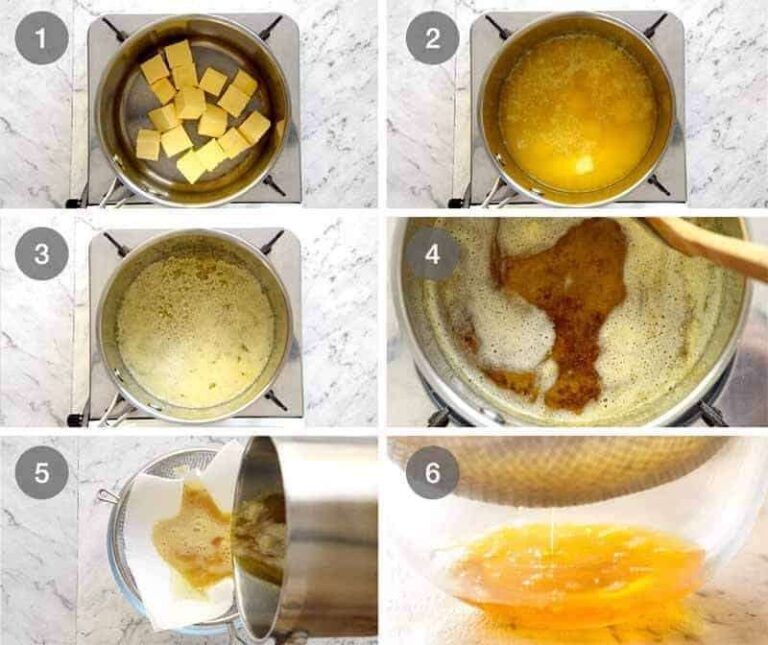
• 1 tablespoon melted butter, optional
Neutral oil works best because it does not overpower the corn. You can use coconut oil for a richer taste, but choose refined coconut oil if you want less coconut flavor.
Equipment
You will need:
• A heavy-bottomed saucepan with a lid
• A wooden spoon or heat-safe spatula
• A large bowl
• Oven mitts or a dry kitchen towel
Choose a pan that gives the kernels room to move. A two- to three-quart saucepan works well for ⅓ cup of kernels. Avoid filling the pan too high, since popped corn expands several times in volume.

How to Make Popcorn in a Saucepan Step by Step
This method provides even heating and helps reduce unpopped kernels. Keep the lid on during cooking, but allow a little steam to escape so the popcorn stays crisp.
1. Add the oil and test kernels
Pour the oil into the saucepan. Add two or three popcorn kernels, then place the pan over medium heat.
Cover the pan and wait for the test kernels to pop. This tells you that the oil has reached a useful popping temperature without requiring a thermometer.
2. Add the remaining kernels
Once the test kernels pop, remove the pan from the heat for about 30 seconds. Add the rest of the kernels and gently shake the pan to coat them with oil.
This short pause helps the kernels warm more evenly. It can reduce the chance that some kernels burn while others are still cold.
3. Return the pan to medium heat
Place the covered saucepan back on the burner. Keep the heat at medium or slightly below medium.
Soon, the kernels will begin to pop. Hold the handle with one hand and gently move the pan back and forth every few seconds. This keeps the kernels moving across the hot surface.
4. Vent the steam
Tilt the lid slightly so steam can escape, but keep it close enough to block flying popcorn. Steam makes popcorn soft, while a small vent helps it stay light and crisp.
Use caution when lifting the lid. Hot steam can burn your hand or face, so always open the lid away from you.
5. Remove the pan at the right time
When the popping slows to about one pop every two seconds, remove the saucepan from the heat. Do not wait until every kernel pops.
A few unpopped kernels are normal. Waiting for the last kernels often leads to scorched popcorn because the first pieces remain over the heat too long.
6. Season and serve
Pour the popcorn into a large bowl. Add salt while the popcorn is still warm, then drizzle with melted butter or another topping if desired.
Toss the bowl gently to spread the seasoning. Fine salt sticks better than coarse salt because it reaches more surfaces.

The Best Heat and Timing for Stovetop Popcorn
Heat control is the most important part of how to make popcorn in a saucepan. High heat may pop the kernels quickly, but it also raises the risk of burned oil and bitter popcorn.
Medium heat usually offers the best balance. The oil becomes hot enough to pop the corn, while the kernels have time to heat through.
Your exact timing may vary based on the pan, burner, oil, and amount of corn. Most batches take about three to five minutes after the kernels are added.
Watch the sound rather than the clock. Popping is your best signal because every stove behaves a little differently.
Signs the heat is too high
• The popcorn smells smoky before most kernels pop
• The oil begins to haze or smoke
• The popped pieces turn dark quickly
• Popping becomes intense but stops within a short time
If this happens, move the pan off the burner for a few seconds. Lower the heat before continuing.
Signs the heat is too low
• Several minutes pass with very few pops
• The oil remains warm but not hot
• Many kernels stay hard at the bottom
Raise the heat slightly and continue moving the pan. Avoid turning the burner all the way up.

How Much Oil and Popcorn Should You Use?
The basic ratio is about 2 tablespoons of oil for ⅓ cup of kernels. This gives the kernels enough coating to heat evenly without making the finished popcorn greasy.
You can use slightly less oil, but very dry cooking may cause uneven heating. Too much oil can make the popcorn heavy and may create more splatter under the lid.
For a smaller batch, try:
• 1 tablespoon oil
• ¼ cup kernels
For a larger batch, use:
• 3 tablespoons oil
• ½ cup kernels
Do not fill the saucepan more than one layer deep with unpopped kernels. Popcorn expands rapidly, and an overcrowded pan can trap steam and prevent even cooking.
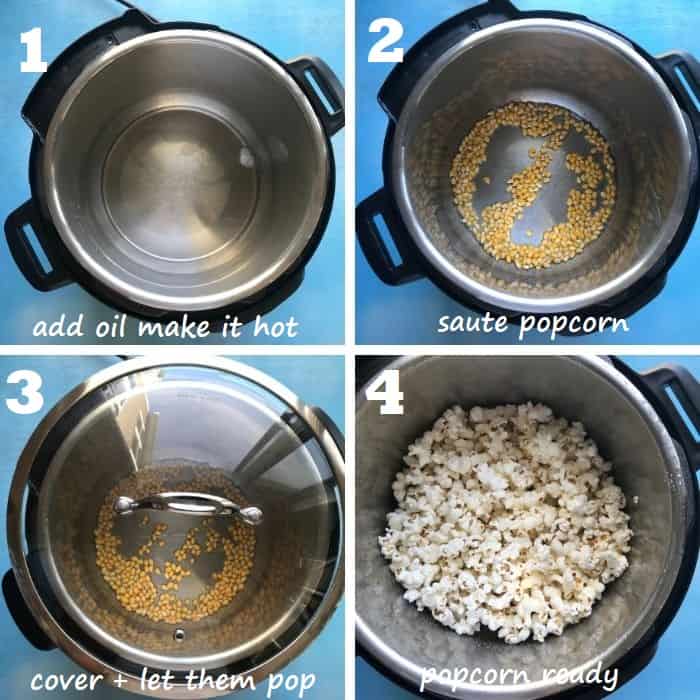
Common Mistakes When Making Popcorn in a Saucepan
The first time I tested different stovetop popcorn methods, the biggest lesson was that patience matters more than high heat. A pan that seems slow often produces better popcorn than a pan that gets hot too fast.
Using the wrong pan
A thin pan can create hot spots. Kernels over those spots may burn before the rest of the batch pops.
A heavy-bottomed saucepan spreads heat more evenly. If your pan is thin, use medium-low heat and move it often.
Adding all the kernels to cold oil
This method can work, but it may cause uneven popping on some stoves. The test-kernel method gives you a clearer signal that the oil is ready.
Keeping the lid sealed tightly
A fully sealed lid traps steam. The popcorn may become chewy instead of crisp.
Leave a small opening for steam, but never remove the lid while kernels are actively flying around the pan.
Walking away from the stove
Popcorn can change from golden to burned in less than a minute. Stay near the pan and listen to the popping rate.
Adding butter too early
Butter contains water and milk solids. If you cook it with the kernels, it can foam, burn, or make the popcorn taste bitter.
Melt butter separately and add it after popping.
Overseasoning before tossing
Salt added in one spot can create very salty bites and leave the rest bland. Sprinkle in small amounts while tossing the popcorn.
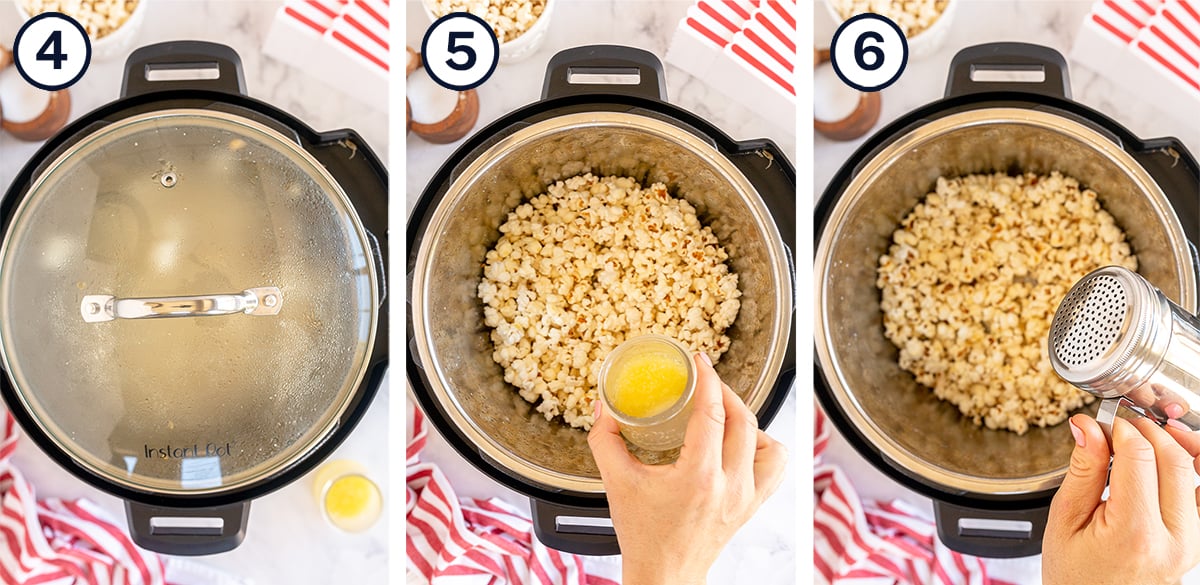
How to Keep Popcorn Crisp and Flavorful
Fresh popcorn tastes best right away, but you can protect its texture with a few simple habits.
First, allow steam to escape during cooking. Second, avoid pouring wet toppings over the entire batch unless you plan to eat it immediately.
For better seasoning, use finely ground popcorn salt or pulse regular salt in a clean spice grinder. A fine texture clings to the popcorn instead of falling to the bottom of the bowl.
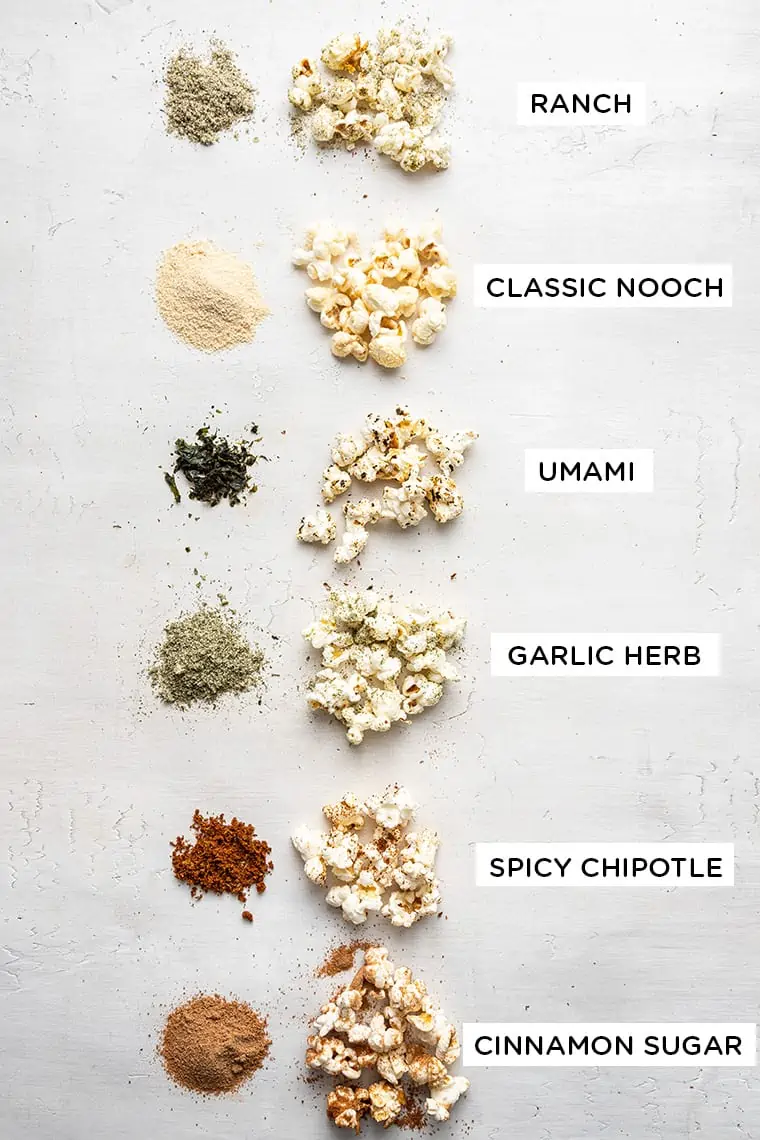
Try these flavor ideas: