Can You Eat The Peel Of A Butternut Squash: Safe Answer
Yes, you can eat the peel of a butternut squash when it is washed and cooked well.
The question “can you eat the peel of a butternut squash” has a simple answer, but texture, age, cooking method, and food safety all matter. As a kitchen guide, I’ll explain when the skin is tender, how to prepare it, and when peeling is the better choice.

Can you eat the peel of a butternut squash?
Yes, butternut squash skin is edible. It is not poisonous, and it contains fiber and plant nutrients, much like the skin of many other winter squashes.
The main issue is texture. Butternut squash peel can be firm and chewy, especially when the squash is mature or cooked for a short time. Long cooking softens it and makes it easier to eat.
The answer to “can you eat the peel of a butternut squash” also depends on the recipe. Roasting, steaming, pressure cooking, and slow cooking usually soften the peel more than quick sautéing.
You may enjoy the peel when:
• The squash is fresh and free from mold
• The skin has been scrubbed well
• The squash is cut into small pieces
• The squash cooks until the peel is tender
You may prefer to remove the peel when making a smooth soup, mash, purée, or silky sauce. Removing it can also make the dish more pleasant for young children or people with chewing problems.

Is butternut squash skin safe to eat?
Butternut squash skin is generally safe to eat after proper washing and cooking. Like other produce, the outside may carry soil, bacteria, or traces of agricultural chemicals, so cleaning is important.
Rinse the whole squash under cool running water. Rub the surface with a clean produce brush, then dry it with a clean towel. Do not use soap or household cleaners on the skin.
Cut away any damaged areas. Avoid eating the peel if the squash has:
• Mold
• Wet, slimy spots
• A strong sour or rotten smell
• Deep cuts with soft flesh underneath
• Unusual dark areas that spread into the flesh
Food safety guidance recommends washing produce before cutting it. This matters because a knife can move germs from the outside into the inside flesh. Washing first helps reduce that risk.
So, can you eat the peel of a butternut squash safely? Yes, if the squash is sound, the skin is clean, and the squash is cooked properly.

What are the benefits of eating butternut squash peel?
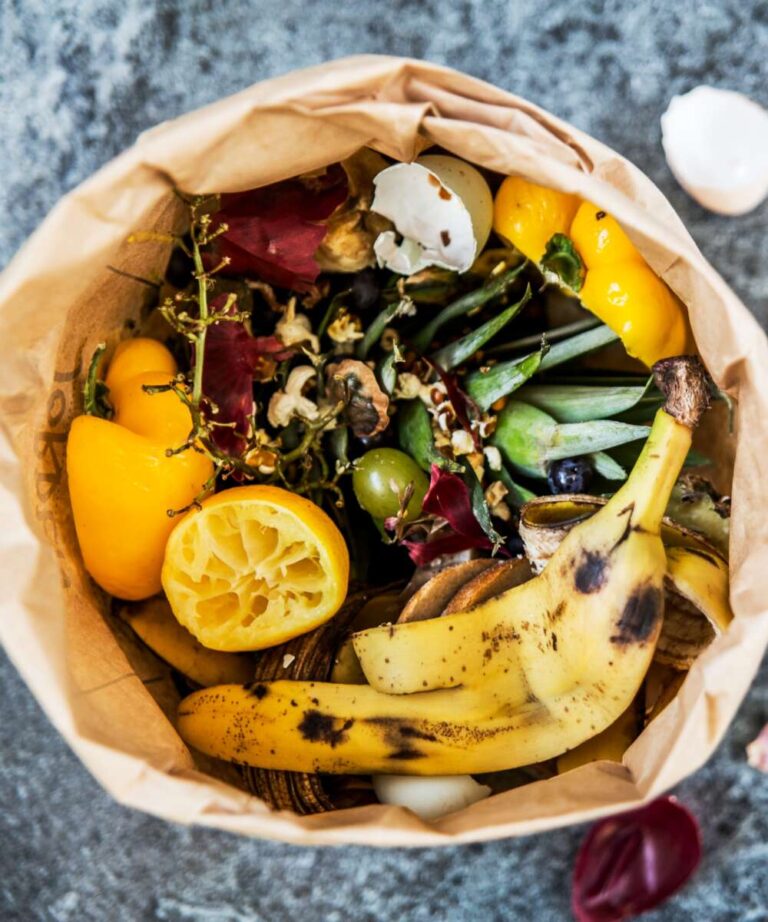
Eating the peel can help reduce food waste. Instead of throwing away a useful part of the vegetable, you can cook the whole squash and gain a slightly deeper flavor.
The peel also adds fiber. Fiber supports normal digestion and can help meals feel more filling. However, the exact amount of fiber varies based on the squash, serving size, and whether you eat the skin.
Butternut squash flesh is known for nutrients such as beta carotene, vitamin C, potassium, and other plant compounds. The peel may also contain beneficial plant chemicals, although nutrition levels differ with variety, growing conditions, and cooking.
Potential benefits include:
• Less kitchen waste
• More texture in roasted dishes
• Extra fiber
• A fuller, more rustic flavor
• Faster preparation because peeling is not needed
Still, the peel is not a miracle food. Eating it does not transform the nutritional value of the whole meal. Think of it as a small, practical upgrade rather than a cure or supplement.

Why can butternut squash peel be tough?
Butternut squash develops a hard outer layer as it matures. This natural skin protects the squash during storage, but it can make the peel less pleasant to chew.
The thickness of the skin also varies. A small, young squash may have more tender skin than a large squash that has been stored for a long time.
Cooking time makes a major difference. A few minutes in a skillet may leave the peel firm, while roasting or simmering for 30 minutes or more can soften it.
The peel may stay tough when:
• Pieces are large
• The cooking temperature is too low
• The squash is only lightly cooked
• The squash is very mature
• The recipe uses dry heat for a short time
A simple test is to pierce the skin with a fork. If the fork slides through easily, the peel is likely tender enough to eat. If it resists, cook the squash longer or remove the skin before serving.

How to prepare butternut squash with the peel
Use care when cutting butternut squash. Its shape and hard skin can make the knife slip.
Follow these steps:
-
Wash and scrub the whole squash under cool running water.
-
Dry it well so it does not slide on the cutting board.
-
Cut off the stem and bottom ends.
-
Slice the squash in half or cut it into thick sections.
-
Scoop out the seeds and stringy pulp.
-
Cut the squash into even pieces.
-
Coat the pieces with oil and seasonings if roasting.
-
Cook until both the flesh and peel are fork tender.
For extra safety, place the squash on a stable cutting board. A damp towel under the board can help prevent movement. If the squash feels too hard to cut, microwave it for two to three minutes first, let it cool slightly, and then cut it.
A useful kitchen lesson is to avoid forcing a knife through a round squash. Stabilizing the squash is more important than using extra strength. This small habit helps prevent slips and cuts.

Best cooking methods for edible butternut squash peel
The best cooking method depends on the texture you want. If you want tender peel, choose a method that gives the squash enough time and moisture.
Roasting
Cut the squash into small cubes or wedges. Toss the pieces with oil, salt, and seasonings, then roast at about 400°F until the flesh and peel are tender.
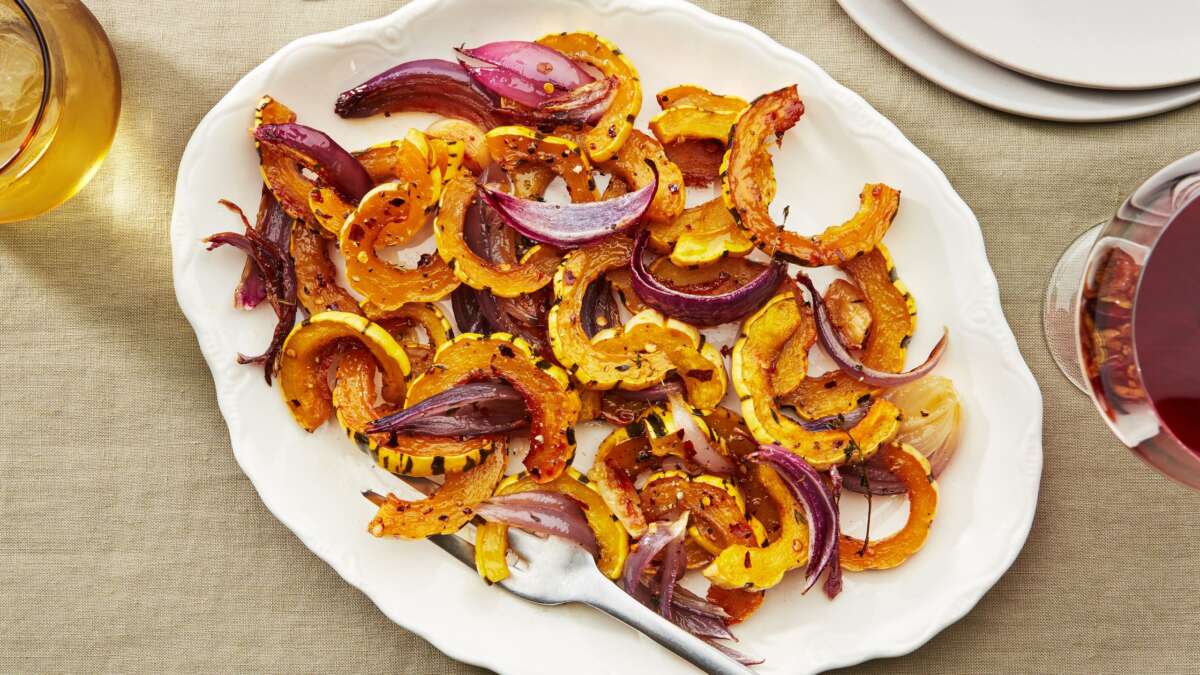
Roasting brings out a sweet, nutty taste. The peel may become slightly crisp at the edges while the inside turns soft.
Steaming
Steaming softens the peel without adding much fat. It works well for squash that will be served as a side dish or added to grain bowls.
Steam until a fork passes through the skin with little effort. If the peel remains chewy, continue cooking for a few more minutes.
Pressure cooking
Pressure cooking makes butternut squash very soft. This is useful when you want to eat the peel or blend the squash into a thick soup.
The peel may blend well after pressure cooking, but inspect the squash first and remove any rough or damaged areas.
Slow cooking
A slow cooker can soften the peel over several hours. This method works well for soups, stews, curries, and squash-based sauces.
Air frying
Air frying can produce tasty, browned squash, but the peel may remain firmer than it does with steaming or slow cooking. Use small pieces and cook them until the skin is easy to pierce.
Can you eat the peel of a butternut squash when it is air-fried? Yes, but check the texture before serving.
Should you peel butternut squash before cooking?
Peeling is optional, not required. Leave the peel on when you want less prep work, more texture, and less food waste.
Peel the squash when:
• You want an ultra-smooth soup
• The skin feels unusually thick
• The squash is old or poorly stored