What Does A Soup Bowl Look Like: Shapes, Sizes, And Uses
A soup bowl is a wide, deep dish with curved sides that holds liquid food and makes serving easy.
If you have ever wondered what does a soup bowl look like, the answer depends on the soup, culture, and table setting. Most soup bowls have a broad rim, a rounded interior, and enough depth to hold broth without making each spoonful difficult. This guide explains the common shapes, sizes, materials, and design details so you can recognize the right bowl at a glance.
What Does a Soup Bowl Look Like?
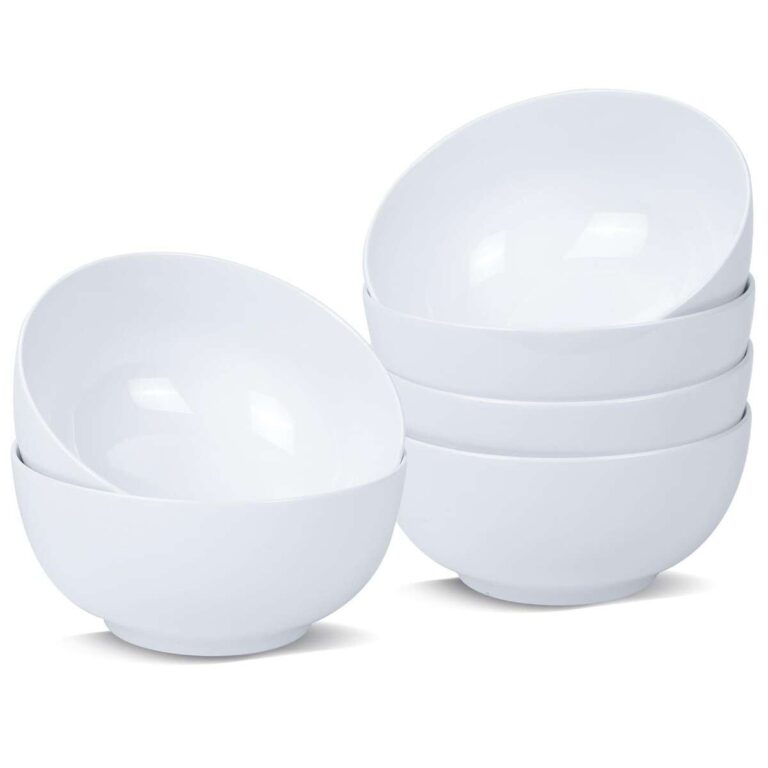
A soup bowl usually looks like a deep dish with a wide opening. Its sides curve upward from a flat or slightly rounded base. This shape holds soup, stew, chili, or pasta while leaving room for a spoon.
Most soup bowls have these features:
• A round or gently curved shape
• A deeper center than a dinner plate
• A wide rim for carrying and sipping
• Sloped sides that guide food toward the spoon
• A stable base that helps prevent tipping
• A smooth inner surface for easy cleaning
The exact design can vary. A classic soup bowl may look like a small serving basin, while a modern bowl may have straight sides and a simple, flat rim.
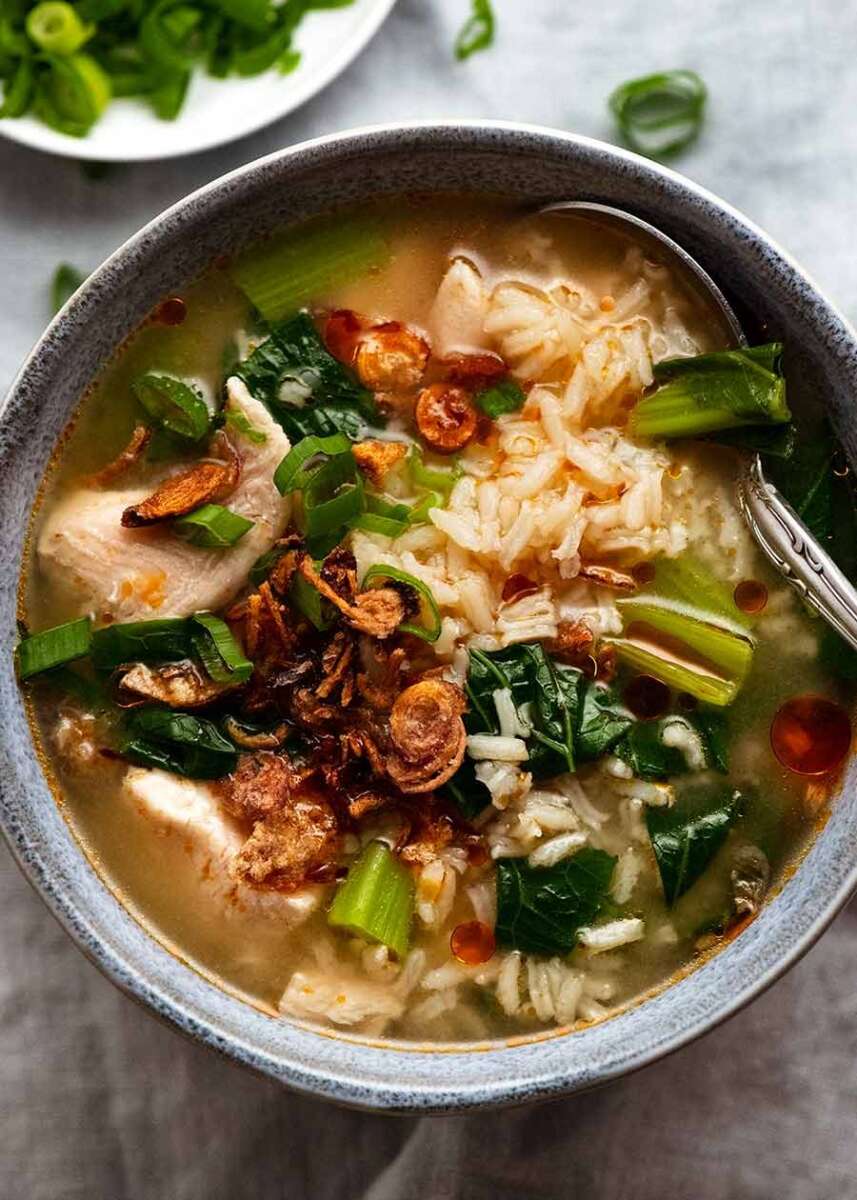
When people ask what does a soup bowl look like, they often picture a standard ceramic bowl filled with chicken noodle soup. That image is accurate, but it does not show the full range of soup bowl styles available today.

The Main Parts of a Soup Bowl
Understanding the parts of a soup bowl makes its shape easier to recognize. Each part has a practical purpose.
The bowl well
The well is the central area where the soup sits. It is deeper than the center of a plate, but it should not be so deep that reaching the bottom becomes hard.
A shallow well works well for thick soups and creamy bisques. A deeper well is more useful for broth, ramen, or soup with large pieces of meat and vegetables.
The rim
The rim is the outer edge of the bowl. It gives you a safe place to hold the bowl and helps stop liquid from spilling over the side.
A wide rim also adds space for garnish. Restaurants may use the rim to frame herbs, cream, croutons, or a drizzle of oil.
The foot or base
Some soup bowls sit on a small foot or raised base. This feature gives the bowl extra stability and can make it easier to lift from the table.
Other bowls have a flat base. A flat base often gives a casual, modern look and works well for everyday meals.
The side walls
The side walls may be gently curved, steep, or nearly straight. Curved walls create a traditional appearance. Steep walls make the bowl look more like a small vessel and may hold a larger serving.
Common Types of Soup Bowls
There is no single answer to what does a soup bowl look like because several bowl types are designed for different foods and settings.
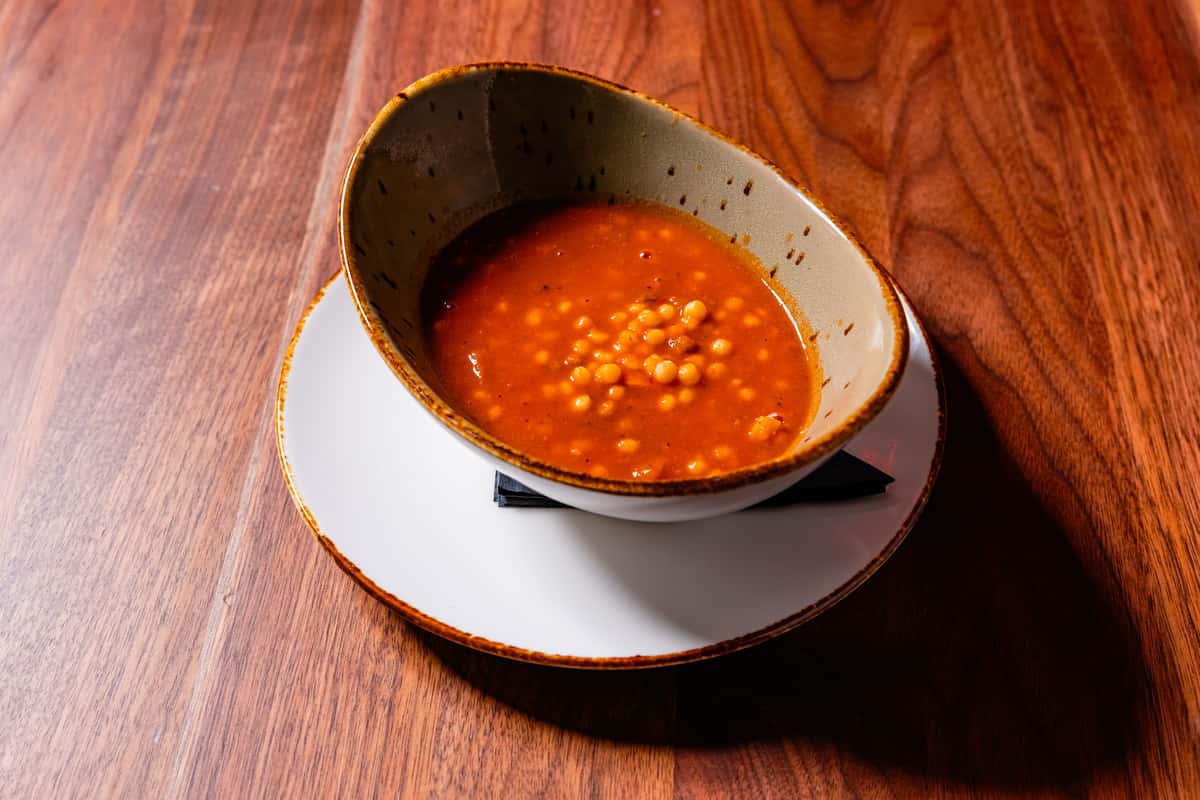
Traditional soup bowl
A traditional soup bowl is round, deep, and often made from ceramic or porcelain. It may have a wide rim and a soft curve from the base to the edge.
This style is common in home kitchens and formal dining sets. It works well for tomato soup, vegetable soup, chicken soup, and cream-based recipes.
Soup plate
A soup plate looks like a plate with a deeper center. It is wider and flatter than a standard bowl.
Soup plates are useful for thick soups, stews, and foods with large pieces. They also look elegant on a formal table because the broad surface leaves room for decoration.
Bouillon cup
A bouillon cup is a small cup made for clear broth or light soup. It often has two small handles and may be served with a saucer.
This style looks more like a teacup than a bowl. It is useful when the soup is meant to be sipped rather than eaten with a spoon.
Ramen bowl
A ramen bowl is usually large, deep, and wide. It often has tall sides to hold broth, noodles, meat, vegetables, and toppings.
Many ramen bowls have a broad opening. This gives you room to separate noodles with chopsticks and reach the ingredients below the broth.
French onion soup bowl
A French onion soup bowl is often thick, sturdy, and oven-safe. Some versions have small side handles.
The bowl must tolerate high heat because the soup may be topped with bread and melted cheese under a broiler. Always check the maker’s instructions before placing any bowl in an oven.
Bread bowl
A bread bowl is not a separate dish made from ceramic. It is a round loaf with the inside removed so soup can be served inside it.
Bread bowls are commonly used for thick soups such as clam chowder, broccoli cheddar soup, and creamy potato soup. They are fun to serve, but they can become soft and messy as the soup soaks into the bread.

What Shape Is Best for Soup?
The best shape depends on the soup and the way you plan to eat it. A wide, medium-depth bowl is the most flexible choice for everyday use.
Consider these common pairings:
• Broth-based soup: Choose a medium or deep bowl with curved sides.
• Cream soup: Use a wide bowl with a smooth rim.
• Stew: Choose a deeper bowl with strong, sturdy walls.
• Ramen: Use a large bowl with a wide opening.
• French onion soup: Use a thick, oven-safe bowl.
• Cold soup: A shallow bowl can make the dish look fresh and refined.
• Soup with toppings: Choose a wide bowl that leaves room around the ingredients.
A bowl that is too shallow may spill easily. A bowl that is too deep may make it hard to scoop the last few bites. The best design acts like a small harbor: it holds the soup safely but keeps everything within reach.
Soup Bowl Size and Capacity
Soup bowl size varies by use. A small bowl may hold a starter portion, while a large bowl may serve as a complete meal.
Common capacities include:
• 8 to 12 ounces: Small starter or bouillon serving
• 12 to 16 ounces: Standard home serving
• 16 to 24 ounces: Large meal-size serving
• 24 ounces or more: Ramen, pho, or shared dishes
Many health and food service guides treat about 1 cup as a typical serving size for some soups, but serving sizes vary by recipe and diet. A bowl may hold more than one serving even when it looks like a normal dinner dish.
When deciding what does a soup bowl look like in practical terms, compare it with your hand. A standard bowl often fits comfortably in both hands and has enough room for a ladleful or two without reaching the rim.
Do not fill a bowl to the very top. Leaving about an inch of space helps prevent spills and gives you room to stir or add toppings.
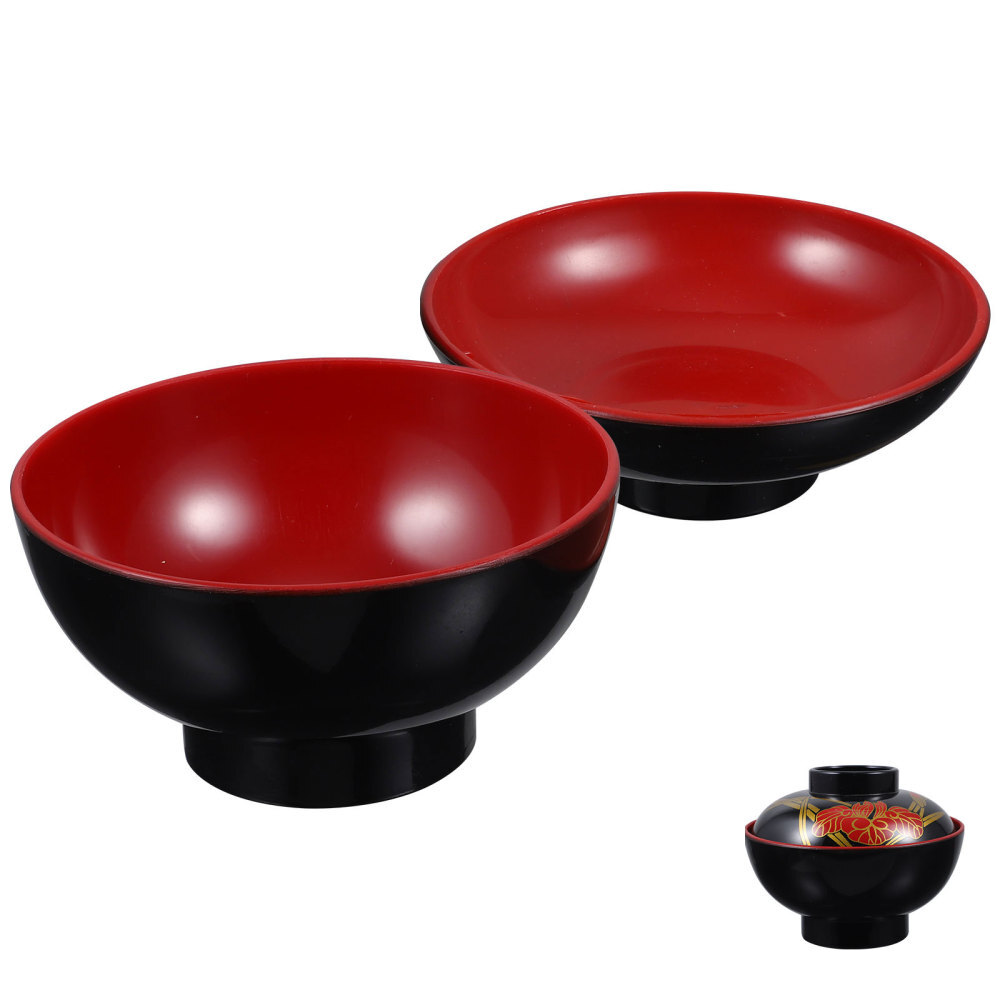
Materials Used for Soup Bowls
The material changes how a soup bowl looks, feels, and performs.
Ceramic
Ceramic bowls are common in homes. They often have a warm, handmade look and come in many colors.
They hold heat well, but some ceramic bowls can chip or crack if exposed to sudden temperature changes. Let a cold bowl warm slightly before adding very hot soup.
Porcelain
Porcelain bowls are smooth, light, and often white. They are popular in restaurants because their clean surface makes food colors stand out.
High-quality porcelain is usually strong, but it can still chip if dropped or stacked carelessly.
Stoneware
Stoneware bowls are thick and heavy. They often have earthy colors, textured glazes, and a rustic appearance.
They are useful for hearty soups and casual meals. Their weight can also make them feel more stable on the table.
Glass
Glass soup bowls show the color and texture of the food. Clear glass works well for layered soups, broths, and colorful ingredients.
Glass may not hold heat as long as thick ceramic. Some glass is oven-safe, but you should always check the label.
Stainless steel
Stainless steel bowls are durable and light. They are common in commercial kitchens, outdoor dining, and some modern table settings.
They may feel less traditional than ceramic. They can also become hot or cold quickly, so use care when serving very hot soup.
Melamine and plastic
Melamine and food-safe plastic bowls are light and resistant to breaking. They can work well for children, outdoor meals, and busy households.
Melamine should not be used in a microwave unless the manufacturer clearly says it is safe. Plastic may also absorb stains or odors over time.

How a Soup Bowl Differs From Other Dishes
Many people confuse a soup bowl with a cereal bowl, pasta bowl, or serving bowl. The differences usually involve depth, width, and purpose.
Soup bowl versus cereal bowl
A cereal bowl is often smaller and deeper. It is designed for dry cereal, milk, fruit, or oatmeal.
A soup bowl may have a wider rim and a larger capacity. It is also more likely to have a shape that supports spoon use and hot food.
Soup bowl versus pasta bowl
A pasta bowl is often wide with a shallow center. It gives long noodles and sauce plenty of room.
A soup bowl tends to have more depth because liquid must be contained. Some modern pasta bowls can also serve soup, especially when the soup is thick.
Soup bowl versus dinner plate
A dinner plate is mostly flat. It is made for foods that do not contain much liquid.
A soup bowl has raised sides and a deeper well. This is the key visual difference when identifying what does a soup bowl look like.
Soup bowl versus serving bowl
A serving bowl is usually much larger. It is designed to hold food for several people rather than one person.
A soup bowl is a personal dish. It should be easy to carry, lift, and eat from without assistance.

How to Choose the Right Soup Bowl
Choosing a soup bowl is easier when you think about your meals, kitchen space, and cleaning habits.
Use this simple checklist:
- Choose the capacity you use most often. A 12 to 16-ounce bowl suits many everyday meals.
- Check the depth. Make sure the bowl holds liquid without making the bottom hard to reach.
- Look at the rim. A comfortable rim helps with carrying and spoon control.
- Consider the weight. Heavy stoneware feels stable, while light porcelain is easier to lift.
- Check microwave and dishwasher safety. Follow the manufacturer’s instructions.
- Match the shape to your food. Wide bowls suit toppings, while deep bowls suit broth and noodles.
- Inspect the glaze. The inner surface should be smooth and free from cracks.
- Think about storage. Stackable bowls save cabinet space.
In my own kitchen testing, the most useful everyday bowl has a medium-wide opening, moderate depth, and a stable base. Very deep bowls looked attractive at first, but they made it harder to reach the last spoonful. Very wide bowls looked elegant but cooled the soup faster.
Common Mistakes to Avoid
A bowl can look beautiful and still be difficult to use. Avoid these common problems.
Choosing style over function
A tall, narrow bowl may look modern, but it can be awkward for soup. Your spoon may hit the sides, and the soup may stay hidden below the rim.
Buying a bowl with a sharp rim
A thin or sharp rim may feel uncomfortable against your lips. It can also make sipping broth less pleasant.
Ignoring heat resistance
Not every bowl is safe for hot soup, ovens, or microwaves. Check the care label before using high heat.
Filling the bowl too much
An overfilled bowl is hard to carry and easy to spill. It also leaves no room for stirring or adding toppings.
Using a cracked bowl
Small cracks can trap food and moisture. They may grow when the bowl is heated or washed. Replace bowls with deep cracks, sharp chips, or damaged glaze.
Picking a bowl that is hard to clean
Decorative grooves and rough textures can collect food. A smooth interior is usually the safest and easiest choice for daily use.
Soup Bowl Design in Different Cultures
Soup bowls reflect local food traditions. Their shape often develops around the way people cook and eat.
Japanese ramen bowls are usually wide and deep because ramen includes broth, noodles, meat, vegetables, and toppings. Some have a slightly flared rim that makes chopstick use easier.
Chinese soup bowls are often smaller and may be paired with a spoon. Shared soups may also be served in a large central bowl.
French onion soup bowls are thick and heat-resistant. Their design supports broiling and keeps the soup warm at the table.
In many American homes, a soup bowl is a medium ceramic bowl used for both soup and other comfort foods. This flexible design explains why one bowl may serve oatmeal in the morning and chili at dinner.
These examples show that what does a soup bowl look like is shaped by food, tools, serving customs, and temperature.
How to Serve Soup in a Bowl
The bowl is only one part of a good soup experience. Serving technique also matters.
• Warm the bowl for hot soup if the material allows it.
• Fill the bowl to about two-thirds or three-quarters full.
• Wipe the rim before serving.
• Add toppings after the soup is in the bowl.
• Place the bowl on a plate if it is very hot or likely to drip.
• Use a wide bowl for herbs, cheese, seeds, or croutons.
• Serve delicate soups in lighter bowls that are easy to lift.
A simple white soup bowl can make bright vegetables and fresh herbs stand out. A dark bowl can make pale soups look dramatic, but it may hide small ingredients. Think of the bowl as a frame around a painting: its job is to support the food, not compete with it.
Frequently Asked Questions About What Does a Soup Bowl Look Like
Is a soup bowl deep or shallow?
A soup bowl is usually deeper than a dinner plate but shallower than a large serving bowl. Some styles, such as soup plates, are wide and shallow, while ramen bowls are deeper.
What is the difference between a soup bowl and a cereal bowl?
A soup bowl often has a wider opening and a shape designed to hold hot liquid. A cereal bowl may be smaller and deeper because it is made for cereal, milk, fruit, or oatmeal.
What size is a normal soup bowl?
A normal soup bowl often holds about 12 to 16 ounces. Larger bowls may hold 20 ounces or more and are common for ramen, pho, stew, or meal-size servings.
Can you eat soup from a pasta bowl?
Yes, you can eat soup from a pasta bowl if it has enough depth to contain liquid. Wide pasta bowls work best for thick soups, while deeper bowls are better for broth-based soup.
What shape is best for soup?
A medium-depth bowl with curved sides is the most versatile shape. It holds liquid well, supports comfortable spoon use, and leaves room for toppings.
Should a soup bowl have a rim?
Most soup bowls have a rim because it makes the bowl easier to hold and helps reduce spills. A wide rim can also provide space for garnish and improve presentation.
Are soup bowls microwave-safe?
Some soup bowls are microwave-safe, but not all are. Check the manufacturer’s instructions, especially if the bowl has metallic paint, cracks, or an unusual glaze.
Conclusion
A soup bowl usually looks like a deep, curved dish with a broad opening, raised sides, and a stable base. Its size, depth, material, and rim can change based on whether it is made for broth, stew, ramen, French onion soup, or casual family meals.
The best soup bowl is comfortable to hold, easy to clean, safe for the intended heat level, and deep enough to prevent spills. Use these features to compare bowls before buying, and choose one that fits the foods you serve most often. Explore different styles, test the balance in your hands, and share your favorite soup bowl design with others.

Liora Pennings is a seasoned chef and kitchen enthusiast with a passion for turning everyday cooking into an effortless experience. With years of hands-on culinary expertise, she specializes in practical techniques, ingredient know-how, and smart kitchen solutions that help home cooks elevate their meals. At KitchFlair.com, Liora shares her best tips, time-saving tricks, and honest product reviews to guide readers toward a more efficient, enjoyable, and inspired cooking routine. Whether you’re a beginner or a seasoned home chef, Liora’s friendly, knowledge-packed insights make every visit to the kitchen a little easier—and a lot more delicious.