Can You Put Stainless Mixing Bowls In Dishwasher: Yes?
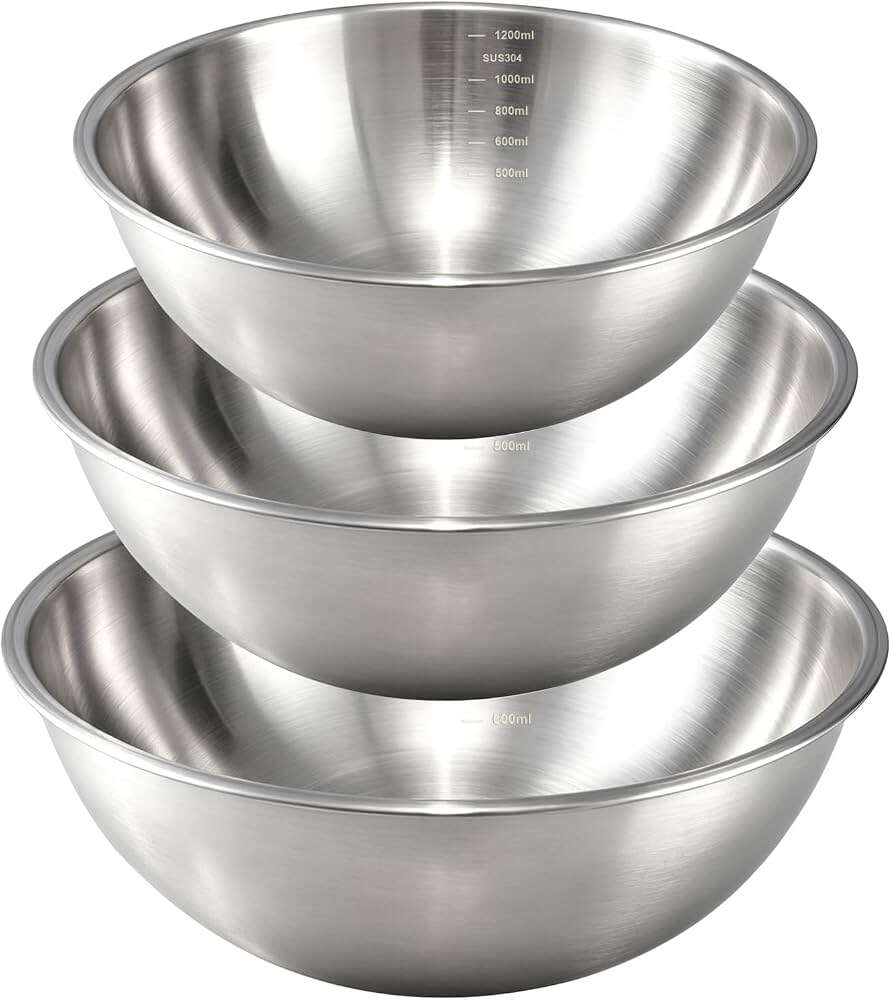
Yes, most stainless steel mixing bowls can go in the dishwasher without damage.
If you are wondering, “can you put stainless steel mixing bowls in the dishwasher,” the answer is usually yes, but a few details matter. Bowl quality, the dishwasher cycle, detergent, and contact with other metals can affect the finish over time. This guide explains how to clean stainless steel bowls safely, prevent stains, and know when hand washing is the better choice.
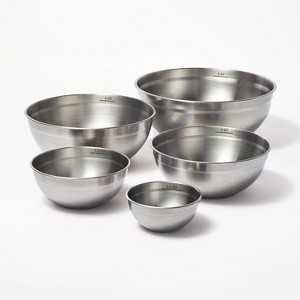
Can You Put Stainless Steel Mixing Bowls in the Dishwasher?
Yes, most stainless steel mixing bowls are dishwasher safe. Stainless steel is strong, nonporous, and resistant to heat. It does not absorb food smells or stains as easily as plastic.
The main concern is not usually the dishwasher itself. Problems often come from harsh detergent, salty food residue, high heat, or contact with dissimilar metals. These factors may cause spots, discoloration, or small rust marks.
Before loading the bowl, check the care label or the manufacturer’s instructions. Some bowls have extra parts, painted surfaces, silicone bases, or decorative coatings that may not be dishwasher safe.
In normal use, you can put stainless steel mixing bowls in the dishwasher when:
• The bowl is made from standard stainless steel
• It has no wooden, painted, or glued parts
• The care label allows dishwasher cleaning
• It is placed securely on the top or bottom rack
• It does not touch aluminum or silver items
A dishwasher will not normally harm good stainless steel. Still, proper loading makes a big difference.

Why Stainless Steel Bowls Are Usually Dishwasher Safe
Stainless steel is an alloy made mainly from iron, chromium, and often nickel. Chromium helps form a thin protective layer on the surface. This layer helps the bowl resist rust and corrosion.
That protective layer can repair itself when exposed to air. However, strong chemicals, trapped moisture, and scratches can weaken the surface for a short time. This explains why a stainless steel bowl may come out clean but show cloudy spots or tiny marks.
When asking, “can you put stainless steel mixing bowls in the dishwasher,” it helps to understand the difference between corrosion resistance and complete immunity. Stainless steel resists damage, but it is not impossible to stain or scratch.
Dishwasher detergent is designed to break down grease and baked-on food. Some formulas are alkaline and may contain salts or bleaching agents. Frequent exposure may dull a polished finish, especially on lower-grade steel.
High-quality stainless steel bowls often handle years of dishwasher use. Lower-cost bowls may show water spots sooner, but these spots are usually cosmetic rather than a food safety concern.

How to Load Stainless Steel Mixing Bowls
Good loading protects the bowl and helps water reach every surface. A bowl that sits upside down may hold dirty water. A bowl placed at an angle may block the spray arm.
Follow these simple steps:
- Scrape out leftover food before loading the bowl.
- Rinse thick sauces, dough, and salty food from the surface.
- Place the bowl upside down or at a slight angle.
- Keep it away from the rotating spray arm.
- Leave space between the bowl and other dishes.
- Avoid nesting several bowls tightly together.
- Remove the bowl soon after the cycle ends.
- Dry it with a soft towel if water spots appear.
When you ask, “can you put stainless steel mixing bowls in the dishwasher,” the answer also depends on how the bowl is loaded. A safe bowl can still become scratched if it rubs against sharp utensils during the cycle.
Large bowls may fit better on the bottom rack. Smaller bowls can often go on the top rack. The best position is the one that keeps the bowl stable and allows water to drain.

Can Stainless Steel Mixing Bowls Rust in the Dishwasher?
Stainless steel bowls can develop rust-like marks, but this does not always mean the steel itself is failing. Tiny particles from steel wool, rusty cookware, or iron-based utensils can stick to the bowl. These particles then create orange spots.
Salt is another common cause. Salt left on stainless steel for a long time can damage the protective surface. This is more likely when salty batter, brine, or sauce dries inside the bowl before washing.
Contact with other metals may also cause problems. Aluminum, cast iron, and silver should not rub against stainless steel during a hot wash. The metals can react, and the stainless steel may develop dark marks or surface discoloration.
If you notice a small orange spot, clean it promptly. Use a soft sponge and a stainless steel cleaner or a paste made from baking soda and water. Rub gently in the direction of the grain, then rinse and dry the bowl.
Do not use steel wool. It can leave behind tiny iron particles and create more rust spots later.

Dishwasher Detergent and Stainless Steel
Detergent choice can affect the appearance of stainless steel. Most standard dishwasher detergents are safe when used as directed. The problem is often using too much detergent or choosing a very aggressive formula for a lightly soiled load.
Powder, gel, and tablet detergents can all work. Tablets may contain concentrated cleaning agents, so make sure the dispenser releases them correctly. A tablet stuck against the bowl may leave a concentrated mark.
Use these detergent tips:
• Follow the amount listed on the package
• Do not add extra detergent for a small load
• Avoid products that contain chlorine bleach when possible
• Use rinse aid if your dishwasher leaves mineral spots
• Clean the dishwasher filter to improve rinsing
If you are still asking, “can you put stainless steel mixing bowls in the dishwasher,” detergent should not be a reason to avoid the dishwasher completely. Instead, use the correct amount and rinse away heavy food residue first.
Hard water can leave white or cloudy marks. These are mineral deposits, not usually permanent damage. A diluted vinegar rinse can help remove them, but never mix vinegar with chlorine bleach or other cleaners.
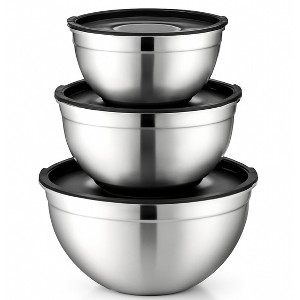
When You Should Hand Wash Stainless Steel Bowls
Dishwasher cleaning is convenient, but hand washing is safer for some bowls. Check the bowl carefully before placing it in the machine.
Hand wash the bowl when it has:
• A wooden base, handle, or rim
• A silicone ring that the care label excludes
• Painted designs or printed measurements
• A copper or aluminum layer
• A nonstick coating
• A mirror finish that you want to keep flawless
• A loose seam, dent, or damaged surface
Vintage or handmade bowls may also need special care. Their materials and finishes can differ from modern kitchen bowls.
Hand washing is also wise after mixing very salty foods, acidic marinades, or strong food color. Wash the bowl with warm water and mild dish soap. Dry it fully instead of leaving it in a damp sink.
The dishwasher saves time, but it is not always the gentlest option. Think of it as a powerful shower, not a spa treatment. It cleans well, but repeated heat and strong detergent may slowly change the finish.

How to Remove Stains and Cloudy Marks
A stainless steel bowl can look dull after repeated dishwasher cycles. Most marks can be removed with gentle cleaning.
For water spots, follow these steps:
- Mix equal parts water and white vinegar.
- Apply the mixture with a soft cloth.
- Let it sit for two to five minutes.
- Rinse the bowl well.
- Dry it with a clean towel.
For stuck-on food, soak the bowl in warm water with dish soap. Use a nylon brush or soft sponge. Avoid scraping with a knife because deep scratches can collect food and make cleaning harder.
For light discoloration, sprinkle baking soda on the damp surface. Rub gently with a soft sponge, rinse, and dry. Always test a small area first if the bowl has a special finish.
Never use:
• Steel wool
• Wire brushes
• Harsh scouring powders
• Chlorine bleach
• Oven cleaner
• Abrasive cleaning pads
These products may scratch the surface or weaken its protective layer.
Common Mistakes to Avoid
Many stainless steel bowl problems come from small habits rather than defective products. Avoiding these mistakes can keep your bowls bright for years.
One common mistake is leaving the bowl in the dishwasher overnight after the cycle ends. Warm moisture can create water spots and may encourage corrosion around scratches.
Another mistake is placing the bowl against an aluminum pan. The two metals may leave dark marks after a hot wash. Keep them separated whenever possible.
Do not stack wet stainless steel bowls tightly. Trapped water can leave cloudy rings. It can also make the bowls difficult to dry fully.
Do not assume every metal bowl is stainless steel. Some bowls look similar but have chrome plating or a thin coating. Those products may peel, discolor, or rust in the dishwasher.
A practical lesson from regular kitchen use is simple: rinse salty or acidic food soon after cooking. This small step prevents more problems than any special cleaner.

Are Dishwasher-Safe Stainless Steel Bowls Safe for Food?
A clean, undamaged stainless steel bowl is generally safe for food preparation. Stainless steel is widely used in cookware, commercial kitchens, food equipment, and medical settings because it is durable and nonporous.
The bowl should be replaced if it has deep corrosion, peeling coating, sharp edges, or cracks around a welded seam. Small surface scratches are usually not dangerous, but they can make cleaning harder.
Food safety depends on more than the bowl material. Wash the bowl after each use, especially after handling eggs, meat, dairy, or raw flour. Dishwasher cleaning can sanitize well when the machine reaches its designed temperature and completes a full cycle.
Follow the dishwasher manufacturer’s instructions. Do not treat a dishwasher as a substitute for removing visible food first. Clean dishes need proper loading, enough detergent, and a working machine.
If you are wondering, “can you put stainless steel mixing bowls in the dishwasher” from a food safety point of view, the answer is usually yes. A clean stainless steel bowl is one of the easier kitchen tools to maintain.
Frequently Asked Questions
Can you put stainless steel mixing bowls in the dishwasher every day?
Yes, most plain stainless steel mixing bowls can go in the dishwasher every day. To protect the finish, scrape off salty food, avoid contact with other metals, and remove the bowl after the cycle ends.
Should stainless steel bowls go on the top or bottom rack?
They can go on either rack if they fit securely and do not block the spray arm. Large bowls often fit better on the bottom rack, while smaller bowls may be safer on the top rack.
Why did my stainless steel bowl turn cloudy in the dishwasher?
Cloudy marks usually come from hard-water minerals, detergent residue, or heat. Vinegar and water can often remove the marks, but rinse the bowl well and dry it after cleaning.
Can dishwasher detergent damage stainless steel bowls?
Dishwasher detergent can dull or discolor stainless steel when too much is used or when residue remains on the surface. Use the recommended amount and choose a normal cycle unless the bowl is heavily soiled.
Can you put stainless steel mixing bowls with aluminum pans in the dishwasher?
It is better to keep stainless steel and aluminum items from touching during the wash. Contact between the metals can cause dark marks or discoloration, especially with heat, water, and detergent.
Should you hand wash a stainless steel bowl with a silicone base?
Check the care label first. Some silicone bases are dishwasher safe, while others may loosen, trap water, or become damaged by repeated heat.
Can rust spots on a stainless steel bowl be removed?
Small rust spots can often be removed with baking soda, a stainless steel cleaner, or a soft cloth. Avoid steel wool because it may leave iron particles that cause more rust-like marks.
Conclusion
So, can you put stainless steel mixing bowls in the dishwasher? In most cases, yes. Plain stainless steel bowls are durable and dishwasher safe, but they need sensible care.
Rinse away salt and acidic foods, keep the bowl away from dissimilar metals, use the correct detergent amount, and dry it after the cycle. Hand wash bowls with wood, coatings, decorative finishes, or delicate parts.
With these simple habits, your stainless steel mixing bowls can stay clean, safe, and useful for many years. Check your bowl’s care label today, and share your best dishwasher tips or questions in the comments.

Liora Pennings is a seasoned chef and kitchen enthusiast with a passion for turning everyday cooking into an effortless experience. With years of hands-on culinary expertise, she specializes in practical techniques, ingredient know-how, and smart kitchen solutions that help home cooks elevate their meals. At KitchFlair.com, Liora shares her best tips, time-saving tricks, and honest product reviews to guide readers toward a more efficient, enjoyable, and inspired cooking routine. Whether you’re a beginner or a seasoned home chef, Liora’s friendly, knowledge-packed insights make every visit to the kitchen a little easier—and a lot more delicious.