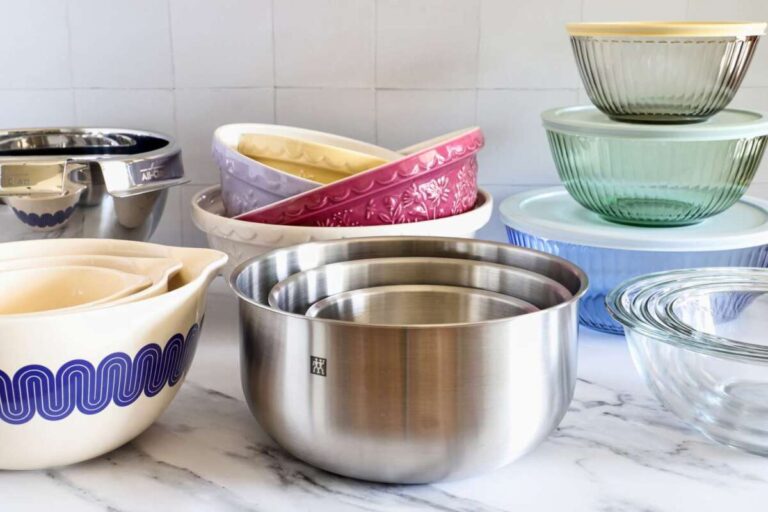
What Is A Serving Bowl: Uses, Types, And Tips
A serving bowl is a large dish used to present and share food at the table.
What is a serving bowl beyond its basic shape? It is both a useful kitchen tool and part of the dining experience. A well-chosen serving bowl keeps food easy to reach, helps control portions, and adds style to a meal. This guide explains the types, materials, sizes, uses, care tips, and buying advice you need to choose the right one.

What Is a Serving Bowl?
A serving bowl is a wide, open container used to hold food for several people. It usually sits in the center of a dining table, buffet, or kitchen island. Unlike a personal bowl, it is designed for sharing rather than for one portion.
Serving bowls come in many shapes and sizes. Some are deep and round for soup or pasta. Others are wide and shallow for salad, roasted vegetables, rice, or fruit. The best design depends on the food you plan to serve.
A serving bowl often has these features:
• A larger capacity than an individual bowl
• A wide opening for easy serving
• Strong sides that support heavier foods
• A stable base that helps prevent spills
• A design that suits casual or formal meals
The term can also describe a set of matching bowls. For example, a dinnerware set may include small cereal bowls and one large serving bowl. In this case, the serving bowl acts as the shared centerpiece.
In simple terms, a serving bowl is like a stage for food. It holds the dish, makes it easy to share, and helps create a welcoming table.

What Is the Difference Between a Serving Bowl and a Regular Bowl?
The main difference is size and purpose. A regular bowl usually holds one person’s portion, while a serving bowl holds enough food for two or more people.
A personal bowl may hold 12 to 24 ounces. A serving bowl may hold 2 to 6 quarts, depending on its design. Large bowls can hold even more for parties or holiday meals.
Here are the key differences:
| Feature | Serving bowl | Regular bowl |
|---|---|---|
| Main use | Sharing food | Eating one portion |
| Typical size | Medium to extra large | Small to medium |
| Placement | Center of the table | In front of one diner |
| Shape | Often wide or deep | Usually sized for one serving |
| Design goal | Easy access and presentation | Comfort while eating |
A serving bowl may also have a more decorative finish. Many are made to match plates, platters, and other tableware. A regular bowl often focuses more on everyday comfort and stackable storage.
A mixing bowl is different, too. It is made for preparing food, not always for presenting it. Mixing bowls may have tall sides, measurement marks, or a less polished finish. You can serve food in one, but a true serving bowl usually looks better on the table.
Common Types of Serving Bowls
There is no single style that works for every meal. The shape of a serving bowl affects how food looks, how much it holds, and how easy it is to use.
Salad serving bowls
salad bowls are often wide and deep. This shape gives you room to toss greens, dressing, vegetables, cheese, and toppings without spilling.
Wood, glass, ceramic, and stainless steel are common choices. A wide wooden bowl can feel warm and rustic, while a clear glass bowl shows off colorful ingredients.
Pasta serving bowls
Pasta bowls are usually deep with a broad rim. The depth helps hold sauce, noodles, and toppings. The wide opening makes it easier to scoop pasta without crushing it.
For family meals, choose a bowl that holds at least 3 quarts. This leaves room for stirring and serving.
Soup and stew serving bowls
Soup serving bowls are deeper than most salad bowls. Some come with matching lids to help retain heat during a meal.
A lidded serving bowl is useful for chili, stew, curry, and other foods that cool quickly. Place a heat-safe trivet beneath it to protect the table.
Vegetable serving bowls
Vegetable bowls may be medium or large. Their shape depends on the food. Roasted vegetables work well in a wide bowl, while green beans or mashed potatoes may look better in a deeper one.
Fruit bowls
Fruit bowls are often open, shallow, and decorative. Many have a footed base or a raised design that improves air movement around the fruit.
Avoid placing delicate fruit in a bowl with rough or sharp edges. Smooth surfaces help reduce bruising.
Rice and grain bowls
Rice, quinoa, couscous, and other grains are easy to serve from a medium-depth bowl. A slightly curved rim helps prevent grains from falling over the side.
Decorative serving bowls
Some bowls are made mainly for display. They may hold flowers, ornaments, or seasonal decorations rather than food.
Always check whether a decorative bowl is food safe. Paint, glaze, metal details, or unknown finishes may not be suitable for contact with food.

Serving Bowl Materials: Which One Is Best?
The best material depends on your cooking habits, table style, budget, and care needs. Each option has clear benefits and limits.
Ceramic and stoneware
Ceramic serving bowls are popular because they are attractive and durable. Stoneware is thicker and heavier than many basic ceramic bowls, which helps it stay stable on the table.
Benefits include:
• Many colors and patterns
• Good heat retention
• Suitable for casual and formal meals
• Often safe for the dishwasher
The main drawback is weight. Stoneware can also chip if it hits a hard surface. Always check the maker’s care instructions before using it in an oven or microwave.
Porcelain
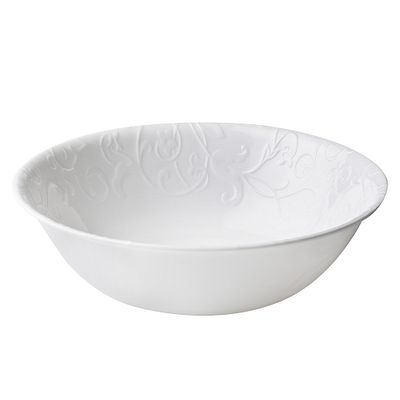
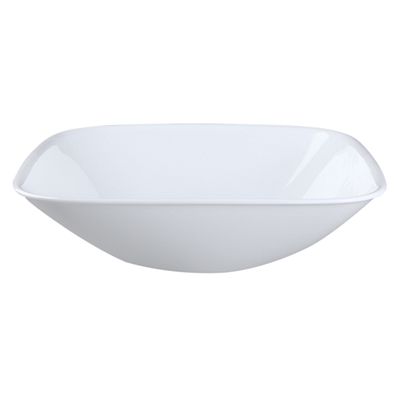
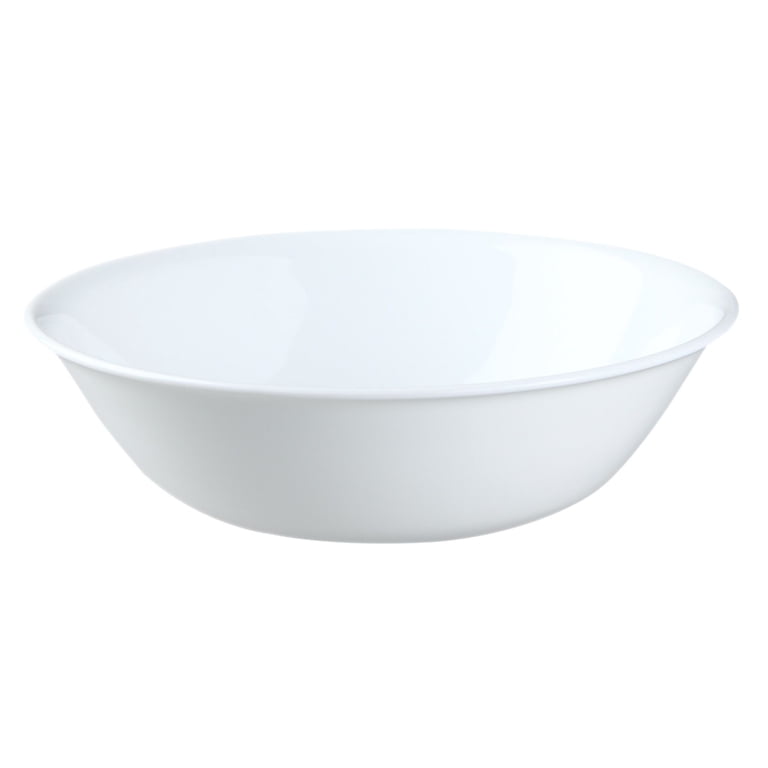
Porcelain is smooth, refined, and often lighter than stoneware. It works well for formal meals because of its clean, bright appearance.
High-quality porcelain can be strong, but thin pieces may crack if exposed to sudden temperature changes. Do not move a very cold porcelain bowl directly into a hot oven unless the manufacturer says it is safe.
Glass
Glass serving bowls show the food inside. This makes them especially useful for layered salads, fruit, pasta, and colorful desserts.
Tempered glass is a practical choice because it resists heat better than ordinary glass. Even so, glass can break if dropped or exposed to thermal shock.
Stainless steel
Stainless steel bowls are light, strong, and easy to clean. They are useful for outdoor meals, buffets, and busy kitchens.
They do not retain heat as well as ceramic. They can also look less formal, although polished stainless steel can still appear attractive.
Wood
Wood serving bowls bring a warm, natural feel to the table. They are excellent for salads, bread, fruit, and dry foods.
Wood needs more care than glass or stainless steel. Many wooden bowls should be hand-washed and dried soon after use. Do not soak them for long periods or place them in the dishwasher unless the maker allows it.
Melamine and plastic
Melamine serving bowls are light and resistant to breaking. They work well for outdoor dining, picnics, and households with young children.
Melamine should not be used in the microwave. It is best for serving, not cooking. Plastic bowls may stain or absorb odors, especially after holding tomato sauce or strongly spiced foods.

How Big Should a Serving Bowl Be?
The right size depends on the number of guests and the type of food. A bowl that is too small may overflow. One that is too large can make a small portion look lost.
Use these general size ranges as a starting point:
• 1 to 2 quarts: side dishes, berries, nuts, or small salads
• 2 to 3 quarts: vegetables, rice, pasta, or a salad for a small family
• 3 to 5 quarts: large salads, pasta dishes, or family-style meals
• 5 quarts or more: parties, holiday meals, and large gatherings
A good serving bowl should have extra space above the food. This makes serving cleaner and gives you room to toss or mix a dish.
For salad, fill the bowl to about two-thirds of its capacity. This allows you to mix the greens without pushing food over the rim. For soup or stew, leave several inches of space to reduce spills.
When I choose a bowl for a gathering, I think about serving tools as well. A bowl may hold enough food, but a narrow opening can make a large spoon difficult to use. A wider bowl often works better than a tall bowl for family-style meals.

How to Choose the Right Serving Bowl
Choosing a serving bowl is easier when you start with the meal, not the color or pattern. Think about what you serve most often and how you use your kitchen.
Consider the food
Choose a deep bowl for saucy foods, soup, and stew. Choose a wide bowl for salads, roasted vegetables, and pasta.
Consider the number of guests
A small household may need only two or three medium bowls. If you often host family dinners, add at least one large bowl for a main dish and one smaller bowl for a side.
Check the weight
A heavy bowl is stable, but it can be hard to carry when full. If you serve older adults or children, a lighter bowl may be safer and easier to manage.
Look at the rim
A smooth, broad rim helps prevent spills and makes the bowl comfortable to handle. Very thin rims can chip more easily.
Check care instructions
Look for labels that clearly state whether the bowl is:
• Dishwasher safe
• Microwave safe
• Oven safe
• Freezer safe
• Food safe
Do not assume that a bowl is safe for every use. A bowl may be dishwasher safe but not oven safe. It may be food safe but unsuitable for acidic foods if its finish is damaged.
Match your table style
White porcelain works with almost any dinnerware. Earth-tone ceramics suit rustic tables. Glass creates a light, modern look. Wood adds warmth but may need more care.
A matching set is not required. In fact, mixing textures can make a table feel more personal. Keep one element consistent, such as color, shape, or finish.
How to Use a Serving Bowl Well
A serving bowl does more than hold food. Its placement and use can affect the whole meal.
Place the bowl where everyone can reach it without leaning across another person. If the bowl is heavy, place it near the center of the table before filling it.
Use the right utensil for the food:
• Salad tongs for greens
• A large spoon for rice and vegetables
• A ladle for soup and stew
• Pasta forks or wide spoons for noodles
• Small serving spoons for sauces and toppings
Avoid using the same utensil for several dishes. Separate utensils reduce mess and help guests identify the correct tool.
For a buffet, place the serving bowl near the beginning of the food line. Add a label when a dish contains common allergens, such as nuts, dairy, eggs, or shellfish.
During a holiday meal, I learned that presentation matters less than access. A beautiful bowl placed too far away becomes a problem. Keep food attractive, but make comfort and safety the priority.
Cleaning and Caring for a Serving Bowl
Proper care helps a serving bowl last for years. Start by removing leftover food soon after the meal. Dried sauce and starch can become difficult to clean.
For most bowls, use warm water, mild dish soap, and a soft sponge. Avoid harsh scouring pads on glazed ceramic, glass, and painted surfaces.
Follow these care tips:
-
Check the manufacturer’s instructions before the first use.
-
Let a hot bowl cool before washing it with cold water.
-
Dry wood bowls soon after washing.
-
Do not microwave metal, metallic trim, or melamine.
-
Inspect bowls for cracks, chips, or damaged glaze.
-
Replace bowls that have sharp chips or deep cracks.
A damaged bowl may trap food or cut someone’s hand. Cracked ceramic can also weaken over time. If a bowl has a decorative finish that is flaking, stop using it for food.
For wooden bowls, apply a food-safe mineral oil when the surface looks dry. Do not use cooking oils such as olive oil for long-term care because they can become sticky or rancid.

Serving Bowl Safety Tips
Food safety includes more than keeping the bowl clean. The material, temperature, and condition of the bowl all matter.
Use a food-safe serving bowl from a reliable maker. Be cautious with antique, handmade, or imported bowls that have unknown glazes. Some older or poorly labeled finishes may contain unsafe levels of lead or other materials.
Keep hot and cold foods at safe temperatures. Perishable foods should not sit at room temperature for extended periods. For longer meals, use insulated dishes, ice trays, or warming equipment made for food service.
Other useful safety habits include:
• Use heat-safe pads under hot bowls.
• Do not lift a full bowl by a thin rim.
• Keep large bowls away from table edges.
• Use separate bowls for raw and cooked foods.
• Wash bowls after contact with raw meat, poultry, seafood, or eggs.
A serving bowl should support safe eating, not just attractive presentation. When in doubt, follow the care label and choose a clearly certified food-safe product.
Common Mistakes to Avoid
Many serving bowl problems come from choosing a bowl based only on appearance. A bowl may look perfect online but feel too heavy, shallow, or fragile in daily use.
Avoid these common mistakes:
• Buying a bowl that is too small for the dish
• Choosing a heavy material for a crowded buffet
• Using a decorative bowl without checking food safety
• Putting wood or melamine in the dishwasher or microwave
• Filling a bowl to the very top
• Using one small spoon for a large dish
• Ignoring cracks, chips, or damaged glaze
Another mistake is buying a complete set when you only need one or two pieces. Start with the foods you serve most often. A versatile 3-quart bowl may be more useful than a large collection of special-purpose pieces.
My practical rule is simple: if you cannot lift the empty bowl with one hand, think carefully about how difficult it will be when full. Good tableware should make a meal easier, not turn serving into a workout.
Frequently Asked Questions About What Is a Serving Bowl
What is a serving bowl used for?
A serving bowl holds food that several people will share at the table. It is commonly used for salad, pasta, rice, vegetables, soup, fruit, and desserts.
How is a serving bowl different from a salad bowl?
A salad bowl is a type of serving bowl designed for mixing and serving salad. Serving bowls have broader uses and may be shaped for pasta, soup, vegetables, fruit, or other foods.
Can you put a serving bowl in the oven?
Only if the bowl is clearly marked oven safe. Ceramic, stoneware, and some glass bowls may handle oven heat, but sudden temperature changes can cause cracking or breakage.
What size serving bowl should I buy?
A 2 to 3-quart serving bowl works well for many family side dishes. Choose a 3 to 5-quart bowl for large salads, pasta, or meals served to several guests.
Are wooden serving bowls safe for food?
Yes, a wooden serving bowl can be food safe when it has a suitable finish and comes from a reliable maker. Wash it by hand, dry it quickly, and follow the care instructions.
Can a serving bowl go in the microwave?
Only bowls labeled microwave safe should go in the microwave. Never microwave metal, metallic trim, or melamine serving bowls.
What is the best material for a serving bowl?
There is no single best material for everyone. Ceramic and porcelain suit everyday dining, glass shows off food, stainless steel is durable, wood adds warmth, and melamine works well outdoors.
Conclusion
A serving bowl is a large dish made for sharing food, presenting meals, and making table service easier. The right bowl depends on the dish, guest count, material, size, care needs, and safety label.
For most homes, a medium ceramic or porcelain serving bowl is a useful starting point. Add a wide salad bowl, a deep bowl for soup or pasta, and a lightweight option for outdoor meals as your needs grow.
Choose function first, then style. Explore food-safe options, check the care instructions, and select a serving bowl that will make your next meal simpler and more inviting.

Liora Pennings is a seasoned chef and kitchen enthusiast with a passion for turning everyday cooking into an effortless experience. With years of hands-on culinary expertise, she specializes in practical techniques, ingredient know-how, and smart kitchen solutions that help home cooks elevate their meals. At KitchFlair.com, Liora shares her best tips, time-saving tricks, and honest product reviews to guide readers toward a more efficient, enjoyable, and inspired cooking routine. Whether you’re a beginner or a seasoned home chef, Liora’s friendly, knowledge-packed insights make every visit to the kitchen a little easier—and a lot more delicious.