How Does A Vacuum Cleaner Create Suction: How It Works
A vacuum cleaner creates suction by spinning a fan that lowers air pressure inside the machine.
Understanding how does a vacuum cleaner create suction makes it easier to choose, use, and maintain the right machine. The process is simple in principle, yet it depends on several parts working together: the motor, fan, air path, filters, hose, and cleaning head. This guide explains the science in plain language and shows why suction can weaken over time.
What Does Suction Mean in a Vacuum Cleaner?
Suction is the movement of air from an area of higher pressure to an area of lower pressure. A vacuum cleaner does not create a perfect vacuum. Instead, it creates a small pressure difference between the air outside the cleaner and the air inside it.
The air outside pushes toward the lower-pressure area inside the machine. Dirt, dust, hair, and other loose particles travel with that moving air. This is the basic answer to how does a vacuum cleaner create suction.
A helpful way to picture it is to think of drinking through a straw. When you draw air out of the straw, the pressure inside drops. Air pressure around the drink then pushes the liquid upward. A vacuum cleaner uses a motor and fan to produce a similar pressure difference, but it moves air through a much larger system.
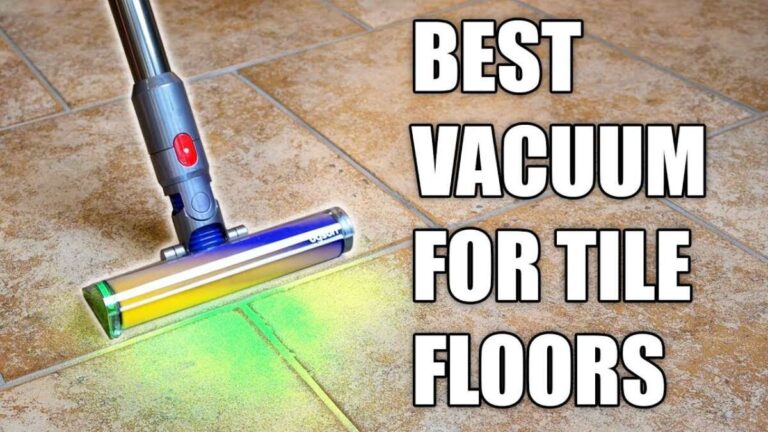
Suction alone does not remove every type of dirt. The cleaning head must also loosen particles from carpet fibers, floor cracks, or upholstery. That is why many vacuums use rotating brushes, rubber strips, or special floor nozzles.
How Does a Vacuum Cleaner Create Suction Step by Step?
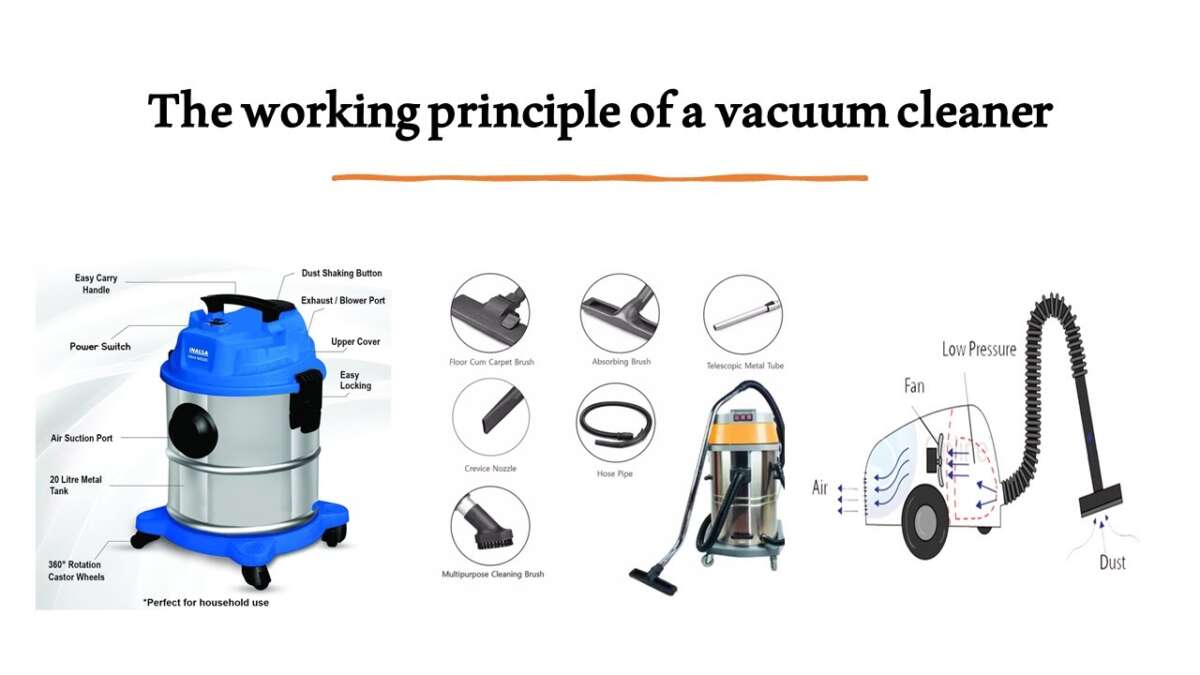
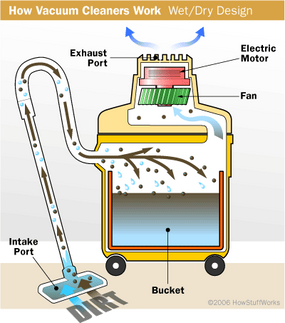
The answer to how does a vacuum cleaner create suction involves a steady flow of air through the machine. Each part has a specific job.
- Electricity powers the motor.
- The motor spins an impeller or fan at high speed.
- The fan pushes air toward the exhaust side of the vacuum.
- This movement lowers the air pressure inside the dust chamber.
- Higher outside air pressure pushes air into the floor nozzle.
- Dust and debris enter with the moving air.
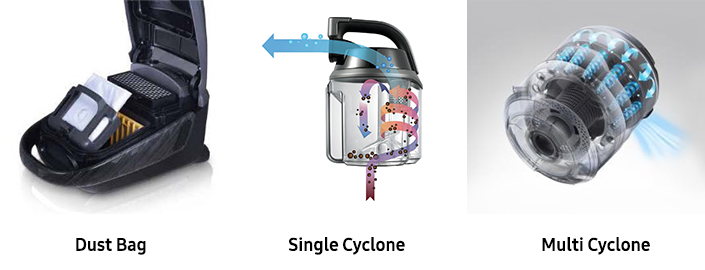
- The air passes through a bag or dust container.
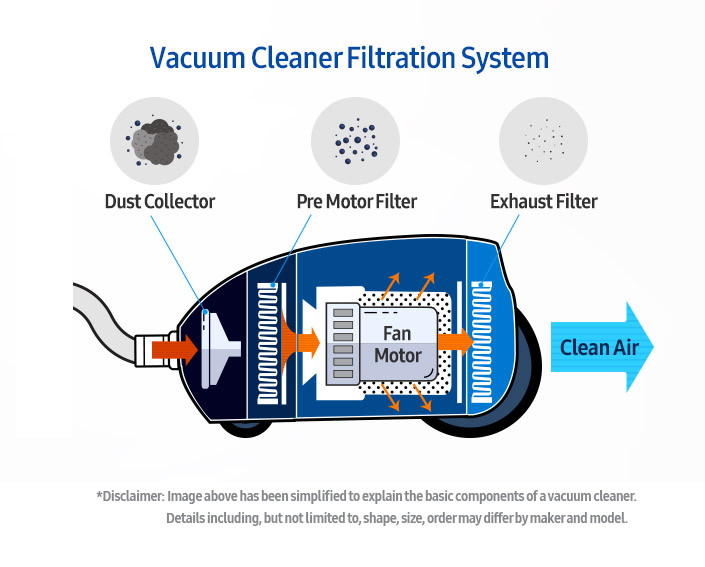
- Filters trap fine particles before the air leaves the machine.
The fan does not pull air in the same way your hand pulls a rope. It creates a low-pressure area by moving air out of the machine. The surrounding atmosphere then pushes air into that space.
This distinction helps explain why a blocked exhaust filter can harm performance. If air cannot leave properly, the fan cannot maintain the needed pressure difference. The vacuum may still sound loud, but its cleaning power can drop.
In simple terms, the motor supplies energy, the fan moves air, and the sealed air path turns that movement into useful suction.
The Main Parts That Produce Vacuum Cleaner Suction
Several parts affect how does a vacuum cleaner create suction and how well it cleans in real homes.
The motor
The motor converts electrical energy into spinning motion. A stronger motor can spin the fan faster, but motor power alone does not guarantee better cleaning.
A motor that uses more electricity may produce more heat and noise without creating useful suction. Good airflow design matters just as much as motor size.
The fan or impeller
The fan is the part that moves air. Most vacuum fans use curved blades that direct air from the intake side toward the exhaust side.
As the fan spins, it creates a pressure difference. The shape, size, speed, and position of the fan all affect air movement.
The nozzle and cleaning head
The nozzle forms the opening that meets the floor. A narrow, well-sealed opening often produces strong airflow at the surface.
However, a nozzle that is too narrow may clog easily. A nozzle that is too wide may lose air speed. Manufacturers balance opening size, brush design, and floor type to improve cleaning.
The hose and air path
The hose carries dirty air from the nozzle to the dust container or bag. A long hose, sharp bend, or narrow passage can increase resistance.
Air behaves much like traffic on a crowded road. The more obstacles it meets, the harder it becomes to maintain smooth movement.
The dust bag or dirt container
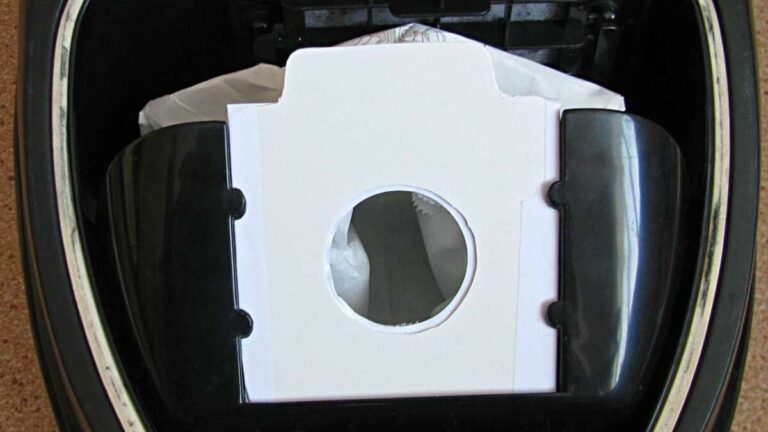
The bag or container catches debris while allowing air to pass. A full bag reduces the space available for airflow. A packed dust cup can have the same effect.
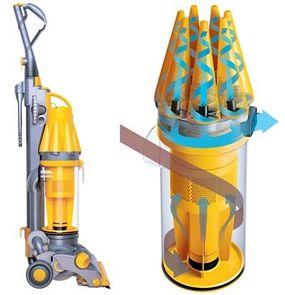
Some bagless vacuums use cyclonic chambers to separate heavier dirt from the air before it reaches the filter.
The filters
Filters protect the motor and help stop fine dust from returning to the room. As a filter fills with dust, air resistance rises.
This is one of the most common reasons a vacuum loses suction. A clean filter allows air to pass. A clogged filter acts like a blocked window screen.
How Airflow and Suction Work Together
People often use the words suction and airflow as if they mean the same thing. They are related, but they describe different parts of vacuum performance.
Suction refers to the pressure difference created by the machine. Airflow refers to the volume of air moving through the system over a period of time.
A vacuum may have strong suction at a sealed opening but poor airflow through a carpet nozzle. Another model may have excellent airflow but less pressure at a tight seal. Good cleaning usually requires a useful balance of both.
This is why laboratory ratings do not always predict how a vacuum performs in your home. Real cleaning depends on several factors:
• Floor type
• Nozzle design
• Brush movement
• Seal quality
• Hose length
• Filter condition
• Dirt type
• User technique
For example, a vacuum may lift a coin from a hard floor but struggle to remove fine sand from thick carpet. The coin is large and easy to move. Sand can settle deep between carpet fibers and needs strong airflow plus brush agitation.
When asking how does a vacuum cleaner create suction, remember that pressure starts the process, but airflow carries the dirt away.
Why Seals Matter So Much
A vacuum needs a mostly closed air path to maintain useful suction. If air enters through an unwanted gap, the pressure difference becomes weaker where the nozzle meets the floor.
Common leak points include:
• Cracked hoses
• Loose dust-bin covers
• Damaged gaskets
• Poorly fitted filters
• Broken nozzle connections
• Worn brush-roll housing
A small leak may not be easy to see. You may hear a soft whistle or notice that the motor sounds different. In many cases, replacing a worn hose or rubber seal restores more performance than buying a new motor.
This is a practical lesson worth remembering: the strongest fan cannot compensate for a badly sealed system. When I troubleshoot a weak vacuum, I check the hose, bin, and filter seals before blaming the motor.

Why a Vacuum Cleaner Loses Suction
Knowing how does a vacuum cleaner create suction also explains why suction fades. Most problems come from restricted airflow or air leaks.
A full dust bag or container
As dirt fills the bag or cup, air has less room to move. Some bagged models also become less effective as the bag material becomes coated with fine dust.
Empty the container before it reaches the maximum line. Replace disposable bags when recommended by the manufacturer.
A dirty filter
Foam, fabric, and high-efficiency filters collect fine particles. If they become blocked, the motor cannot move air freely.
Wash only filters labeled as washable. Let them dry fully before reinstalling them. A damp filter can cause odor, damage, or mold growth.
A blocked hose
Hair, paper, socks, and pet toys can become trapped in the hose. A simple way to check it is to disconnect the hose and look through it from both ends.
Do not use a sharp object that could puncture the hose. A flexible cleaning rod or a gentle stream of air may help remove a safe, loose blockage.
A clogged floor head
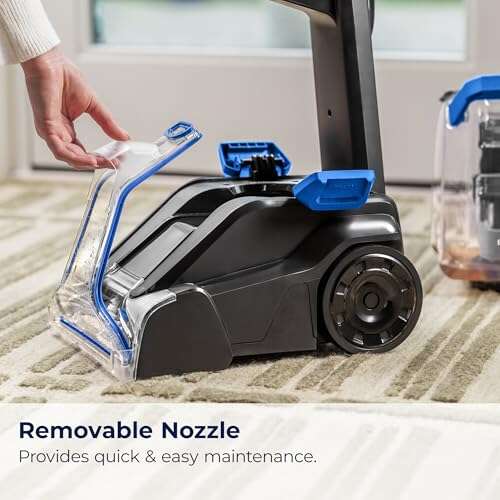
Threads and hair can wrap around the brush roll. This can slow the brush and reduce the nozzle’s ability to lift debris.
Turn off and unplug the vacuum before removing tangled material. Cut wrapped hair carefully with scissors, keeping the blade away from the brush belt.
A worn belt or brush roll
A motorized brush roll helps loosen dirt from carpet. If its belt slips or breaks, the vacuum may still produce airflow but clean less effectively.
This can feel like weak suction even when the main air system works properly.
An incorrect floor setting
Many vacuum heads have settings for hard floors and carpet. If the nozzle sits too high, it may not form a useful seal. If it sits too low, airflow may become restricted.
Choose the setting that matches the surface and follow the manufacturer’s instructions.

How Different Vacuum Types Create Suction
The basic principle of how does a vacuum cleaner create suction is similar across most models. The design around that principle can vary.
Upright vacuums
Upright vacuums often place the motor, fan, brush roll, and dirt container in one body. They are common for carpet because the powered brush can agitate fibers while the nozzle moves air.
Canister vacuums
Canister models keep the motor and dust container in a separate body. A flexible hose connects the canister to the floor head.
Their lighter cleaning head can make stairs, furniture, and hard floors easier to clean.
Stick vacuums
Stick vacuums use a compact motor and battery or power cord. Their smaller air path saves weight but may limit airflow and dust capacity.
Battery models can also lose performance as the battery charge falls, depending on the design.
Robotic vacuums
Robot vacuums use small fans and narrow air paths. They usually produce less deep-cleaning power than full-size uprights, but they work often and keep surface dust under control.
Their cleaning results depend heavily on brush design, navigation, and how regularly they run.
Shop vacuums
A shop vacuum is built for large debris and liquid pickup, depending on the model. It often moves a high volume of air and uses a larger hose.
Never assume a dry vacuum can safely collect liquid. Use a model and filter system designed for wet pickup.
Central vacuum systems
Central vacuums place the motor and collection unit in a fixed location, often in a garage or utility area. Pipes connect wall inlets to flexible hoses.
The same fan and pressure principles apply, but pipe length, bends, and installation quality affect airflow.

Suction Power: Watts, Air Watts, and Other Ratings
Vacuum labels can be confusing. Motor watts show how much electrical power the motor uses. They do not directly show how well the vacuum picks up dirt.
Some manufacturers list air watts, sealed suction, or airflow in cubic feet per minute. These measurements can be useful, but each one describes a different condition.
A higher number is not always better in every home. The best vacuum for thick carpet may not be the best choice for delicate rugs or bare floors.
When comparing models, look for:
• Independent cleaning tests
• Airflow at the nozzle
• Filtration quality
• Brush-roll design
• Noise level
• Ease of maintenance
• Performance on your floor type
A vacuum with moderate motor power and an efficient air path can outperform a louder model with a larger motor. This is another reason why how does a vacuum cleaner create suction cannot be answered by looking at watts alone.

How to Improve Vacuum Cleaner Suction
You can often restore performance without replacing the machine. Use this simple maintenance routine:
- Turn off and unplug the vacuum.
- Empty the dust cup or replace the bag.
- Check the floor head for hair and thread.
- Inspect the hose for blockages or cracks.
- Clean or replace the filters as directed.
- Check that every cover and seal fits tightly.
- Inspect the brush roll and belt.
- Test the vacuum on the correct floor setting.
Do not wash a filter unless the instructions say it is washable. Do not operate the vacuum without a required filter. Fine dust can reach the motor and cause expensive damage.
One mistake people often make is cleaning only the visible dust cup. The hidden pre-motor filter may be the real problem. Checking every stage of the air path is a better approach.
Also avoid picking up hot ash, wet debris, sharp glass, or liquids unless the vacuum is designed for that task. These materials can damage the machine or create a safety risk.
The Limits of Vacuum Cleaner Suction
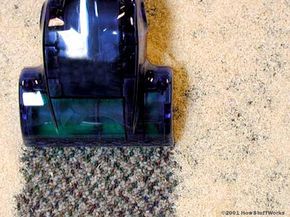
Even a well-designed vacuum has limits. Suction cannot replace manual cleaning in every situation.
A vacuum may struggle with:
• Deeply embedded stains
• Sticky spills
• Wet dirt
• Very heavy objects
• Fine powder that clogs filters
• Long cords, wires, or fabric that can wrap around the brush
Powerful suction can also damage delicate materials. It may pull loose threads from rugs, flatten soft upholstery, or make curtains difficult to clean.
Use the lowest effective setting for delicate surfaces. Move the nozzle slowly over carpet, but do not hold it in one place for too long.
Good cleaning is not about maximum power at all times. It is about matching airflow, brush action, and pressure to the material being cleaned.
Why Vacuum Filtration Is Important
A vacuum does more than collect visible dirt. It also controls where fine particles go after entering the machine.
A quality filtration system may include:
• A pre-motor filter
• A dust bag or cyclone
• A post-motor filter
• A high-efficiency exhaust filter
High-efficiency filters can capture very small particles, but their effectiveness depends on proper sealing and regular replacement. A filter that is installed poorly may allow dust to bypass it.
For allergy-sensitive homes, check the full filtration design rather than relying only on a marketing label. Keep the room ventilated when emptying a dusty container, and wash your hands afterward.
Frequently Asked Questions About How Does a Vacuum Cleaner Create Suction
Does a vacuum cleaner really create a vacuum?
No household vacuum creates a perfect vacuum. It lowers the air pressure inside the machine, and normal atmospheric pressure pushes air, dust, and debris into the cleaner.
What part of a vacuum cleaner creates suction?
The motor spins a fan or impeller. The fan moves air out of the machine and creates the pressure difference that produces useful suction at the nozzle.
Why does my vacuum sound normal but have weak suction?
A blocked hose, dirty filter, full dust container, damaged seal, or clogged brush head can restrict airflow. The motor may still sound normal even when air cannot move properly.
Does a higher watt motor mean stronger suction?
Not always. Motor watts show electrical power use, while cleaning performance also depends on fan design, airflow, seals, filters, and the floor head.
How often should I clean a vacuum filter?
Follow the manual because schedules vary by model and filter type. In general, check filters often and clean or replace them when they look dirty or airflow begins to fall.
Can a vacuum cleaner pick up water?
Only if it is designed for wet pickup. Using a regular dry vacuum on water can cause electric shock, motor damage, or other serious safety problems.
Is suction or airflow more important?
Both matter. Suction creates the pressure difference, while airflow carries dirt through the nozzle, hose, and dust container.
Conclusion
A vacuum cleaner creates suction by using a motor to spin a fan, move air, and lower pressure inside the machine. Outside air then rushes through the nozzle, carrying dirt into the bag or dust container. Filters, seals, hoses, and brush rolls all help determine how well that process works.
The best way to maintain suction is simple: empty the container, clean the filters, clear the hose, inspect the brush roll, and check for air leaks. Apply these steps regularly, and your vacuum can clean more effectively for longer. Share this guide with someone troubleshooting a weak vacuum, and explore your model’s manual for its specific care instructions.

Liora Pennings is a seasoned chef and kitchen enthusiast with a passion for turning everyday cooking into an effortless experience. With years of hands-on culinary expertise, she specializes in practical techniques, ingredient know-how, and smart kitchen solutions that help home cooks elevate their meals. At KitchFlair.com, Liora shares her best tips, time-saving tricks, and honest product reviews to guide readers toward a more efficient, enjoyable, and inspired cooking routine. Whether you’re a beginner or a seasoned home chef, Liora’s friendly, knowledge-packed insights make every visit to the kitchen a little easier—and a lot more delicious.