Can You Compost Vacuum Cleaner Dust: Safe Disposal Guide
Usually, you should not compost vacuum cleaner dust because it may contain plastics, chemicals, and harmful debris.
The answer to “can you compost vacuum cleaner dust” depends on what your vacuum collected. In most homes, the dust is a mixed waste stream that can contain synthetic fibers, pet hair, cleaning chemicals, tiny plastics, metals, and germs. This guide explains when composting may be safe, why it often is not, and how to dispose of vacuum dust with less risk to your compost and garden.
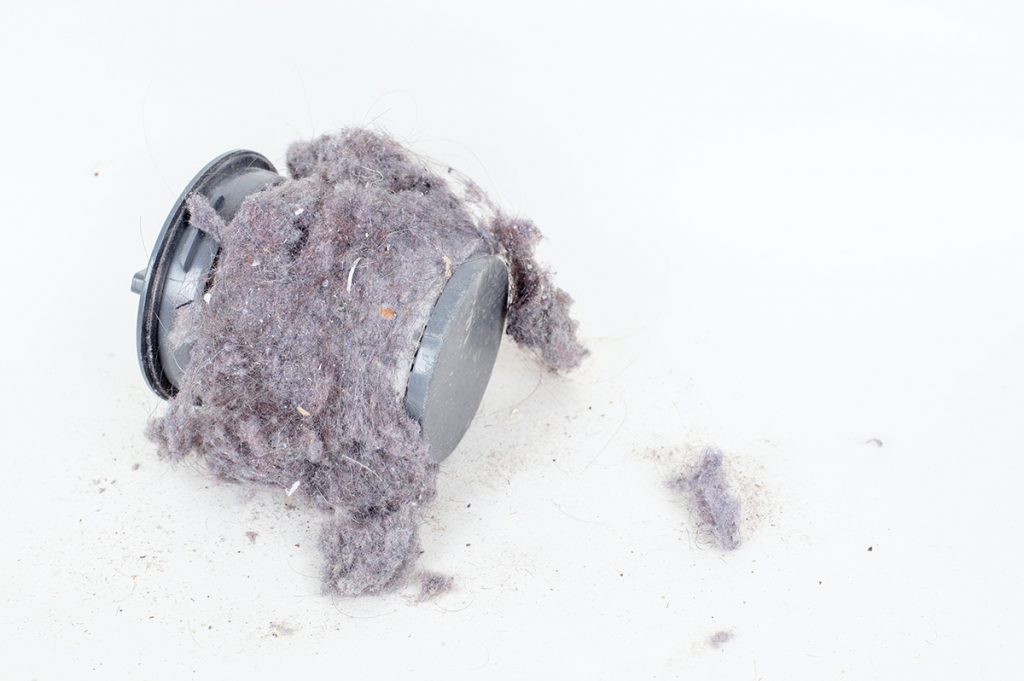
Can You Compost Vacuum Cleaner Dust?
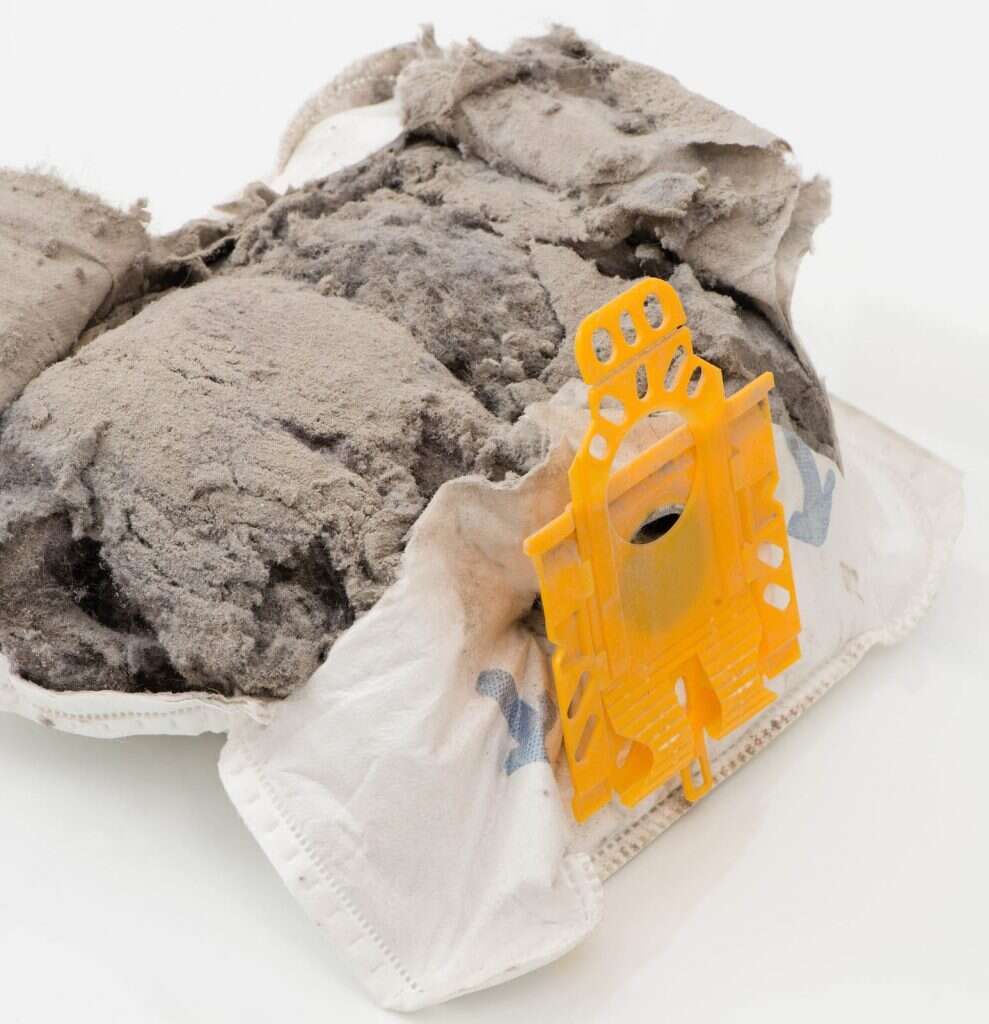
In most cases, you should not compost vacuum cleaner dust. Household vacuum dust rarely contains only clean, natural material. It usually combines carpet fibers, soil, skin flakes, hair, food crumbs, pet waste, dust mites, and particles from furniture or household products.
A compost pile is a living system. Helpful bacteria, fungi, worms, and insects break down suitable organic matter. They cannot safely remove glass, plastic, heavy metals, chemical residues, or synthetic fibers from vacuum dust.
You may be able to compost a very small amount of dust only when you know exactly what it contains. For example, dust collected from an outdoor broom made of natural plant material may be suitable. Dust from a clean, untreated wood floor may also contain organic matter, but it should still be checked for paint, finish, plastic fibers, and other contaminants.
For ordinary household vacuum cleaner dust, the safest answer is no.
Why Vacuum Cleaner Dust Is Risky for Compost
Vacuum dust looks harmless because it is fine and gray. However, its appearance tells you very little about its contents. A single handful can include many materials that do not belong in healthy compost.
Synthetic fibers and microplastics
Carpets, rugs, upholstery, clothing, and blankets often shed synthetic fibers. Common examples include polyester, nylon, acrylic, and polypropylene. A vacuum collects these fibers along with natural dust.
These materials do not break down like leaves or food scraps. Some may become tiny plastic particles in the compost. If you spread that compost on a garden, the particles may remain in the soil.
Research on household dust has also found that indoor dust can carry fibers and chemical residues from furniture, fabrics, electronics, and building materials. Composting this mixture can move unwanted pollutants into your soil.
Chemicals from the home
Vacuum dust may contain traces of many products, such as:
• Carpet treatments
• Floor polish
• Furniture sprays
• Pesticides
• Cleaning products
• Flame retardants
• Paint particles
• Wood finishes
• Fragrance products
The amount in one vacuum load may be small, but repeated additions can build up over time. Compost should improve soil, not become a storage place for unknown chemicals.
Pet waste and pathogens
If you vacuum floors where pets live, the dust may contain dried urine, feces, vomit, or particles from litter. Cat feces can carry parasites, including organisms linked to toxoplasmosis. Dog waste can also carry harmful bacteria and parasites.
A hot compost pile may kill many pathogens when it reaches and maintains a high temperature. However, home compost piles often have cool areas and uneven heating. For this reason, vacuum dust containing pet waste should go in the trash, not the compost bin.
Glass, metal, and sharp debris
Vacuum cleaners can pick up tiny pieces of glass, staples, pins, wire, and other sharp items. These materials can injure you when you turn the compost or plant in the soil.
Fine metal particles may also come from worn appliances, tools, zippers, or furniture parts. You may not see them until they cause a problem.
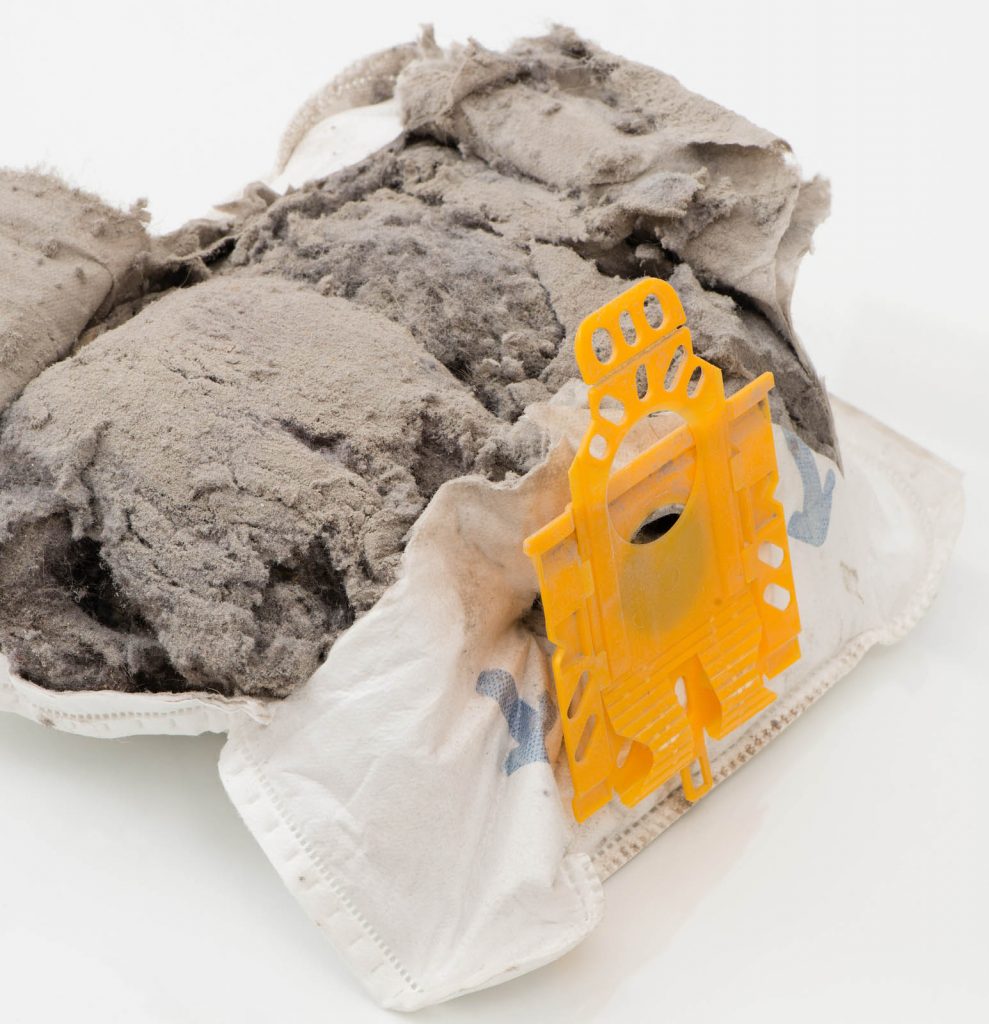
When Might Vacuum Dust Be Compostable?
The question “can you compost vacuum cleaner dust” has a narrow exception. Dust may be compostable when it comes from a controlled, clean source and contains only natural, untreated material.
For example, consider composting a small amount of dust if all these points are true:
• The vacuum collected only untreated natural fibers or dry plant matter.
• No pets, litter, chemicals, painted surfaces, or synthetic rugs were nearby.
• The dust contains no glass, metal, plastic, or electronic debris.
• You are adding only a tiny amount to a well-managed compost pile.
• You accept that the material may still contain unknown particles.
Dust from a natural-fiber rug may seem suitable, but even wool, cotton, sisal, or jute rugs can contain synthetic backing, glue, dyes, stain treatments, or rubber. Check the rug and the area before making a decision.
Dust collected from a workshop is also a poor compost choice. Wood dust may be compostable when it comes from clean, untreated wood. Yet workshop dust can include painted wood, pressure-treated lumber, plywood glue, varnish, saw blades, and metal shavings.
When in doubt, leave vacuum cleaner dust out of the compost.

What Types of Vacuum Dust Should Never Go Into Compost?
Some vacuum dust is clearly unsuitable for compost. Keep it out when it comes from any of these sources:
Carpet and upholstery
Carpet dust often contains synthetic fibers, foam, adhesives, stain protectors, and household chemicals. Upholstery dust may also contain flame-retardant chemicals and fibers from treated fabrics.
Pet areas
Do not compost dust from pet beds, litter boxes, cages, kennels, or floors contaminated with animal waste. This rule also applies to dust from areas where sick animals have stayed.
Garages and workshops
Garage dust may contain oil, grease, brake dust, paint, solvents, pesticides, and metal particles. Workshop dust may contain treated wood and fine particles that can irritate your lungs.
Construction and remodeling areas
Dust from drywall, cement, insulation, paint, old flooring, or demolition can contain harmful substances. Older buildings may also contain lead paint or asbestos materials. Never place renovation dust in compost.
Areas treated with pesticides
If you vacuum a room or surface after using insect spray, flea powder, rodent poison, or another pesticide, dispose of the dust as household waste. Do not place it near compost, garden soil, or edible crops.
How to Dispose of Vacuum Cleaner Dust Safely
For most homes, regular household trash is the simplest option. Use care when emptying the vacuum so you do not release fine dust into the air.
Follow these steps:
- Turn off and unplug the vacuum before opening it.
- Take the vacuum outside if possible.
- Wear a well-fitting mask and gloves, especially if the dust is very fine or comes from a pet area.
- Empty the dust into a sturdy bag.
- Tie the bag tightly.
- Place it in your household trash.
- Wash your hands and clean the vacuum container according to the manufacturer’s instructions.
Do not shake the dust bag indoors. Fine particles can quickly spread through the room and settle on furniture, bedding, and food surfaces.
If the dust contains chemicals, asbestos, lead, pesticides, or a large amount of construction material, contact your local waste authority. These materials may need special disposal.
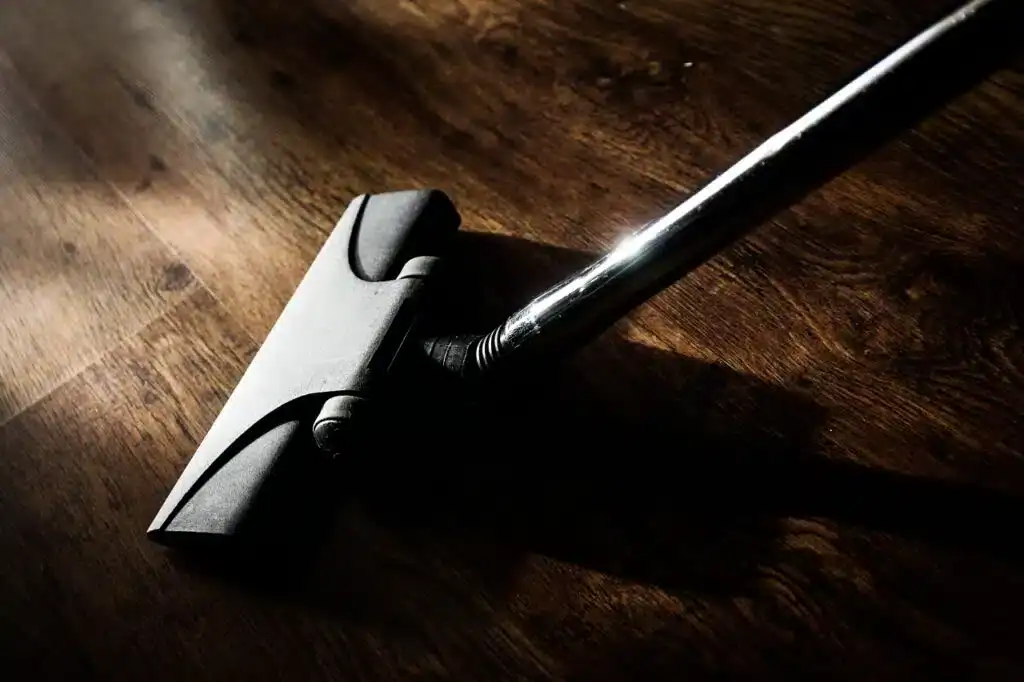
Can You Compost Hair From a Vacuum Cleaner?
Clean human hair is a natural material, and small amounts can break down in compost. However, hair collected by a vacuum is rarely clean hair alone. It is mixed with dust, fibers, skin flakes, oils, and other household debris.
If you collect hair separately from a hairbrush, you can add a small amount to compost. Avoid adding hair coated with large amounts of gel, dye, bleach, or other cosmetic products.
Pet hair is also biodegradable in small amounts. Still, pet hair from the vacuum may carry flea treatments, waste particles, dander, or synthetic fibers. Separate, clean pet hair is a better compost choice than mixed vacuum dust.
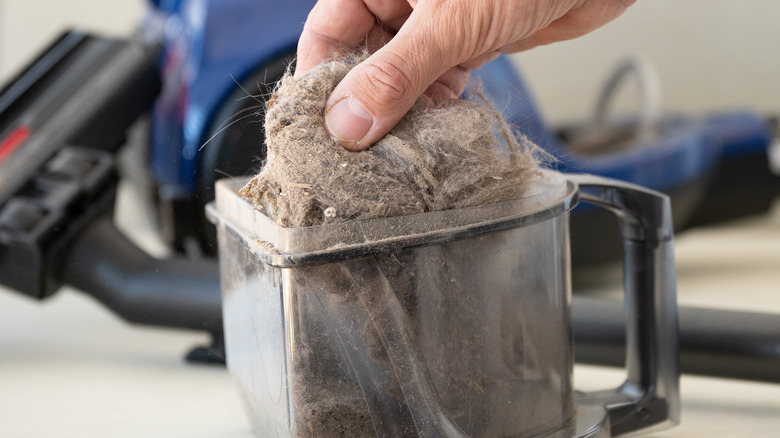
Can You Compost Dust From a Hardwood Floor?
Dust from an untreated hardwood floor may contain soil, crumbs, hair, and tiny wood particles. In theory, some of this material is biodegradable. In practice, most hardwood floors have a finish, sealant, wax, paint, or polish.
That coating can enter the dust. The floor may also be near furniture, rugs, shoes, and cleaning products that add synthetic fibers and chemicals.
If you want to compost natural floor debris, sweep clean leaves, untreated sawdust, or plain soil into a separate container before vacuuming. This gives you much better control over what enters the compost.

Can You Compost Vacuum Cleaner Dust From a Workshop?
You should usually avoid composting workshop vacuum dust. Even clean wood dust can be too fine and may form clumps that reduce airflow in a compost pile.
Clean sawdust from untreated, unpainted, and unglued wood can be used in small amounts. Mix it with nitrogen-rich material such as fresh grass, food scraps, or manure. Too much sawdust can make the pile dry and slow to decompose.
Never compost dust from:
• Pressure-treated wood
• Painted or stained wood
• Plywood or particleboard
• Medium-density fiberboard
• Wood treated with preservatives
• Materials mixed with metal or plastic
• Construction debris
If you are unsure about the wood, dispose of the dust through the proper waste service.
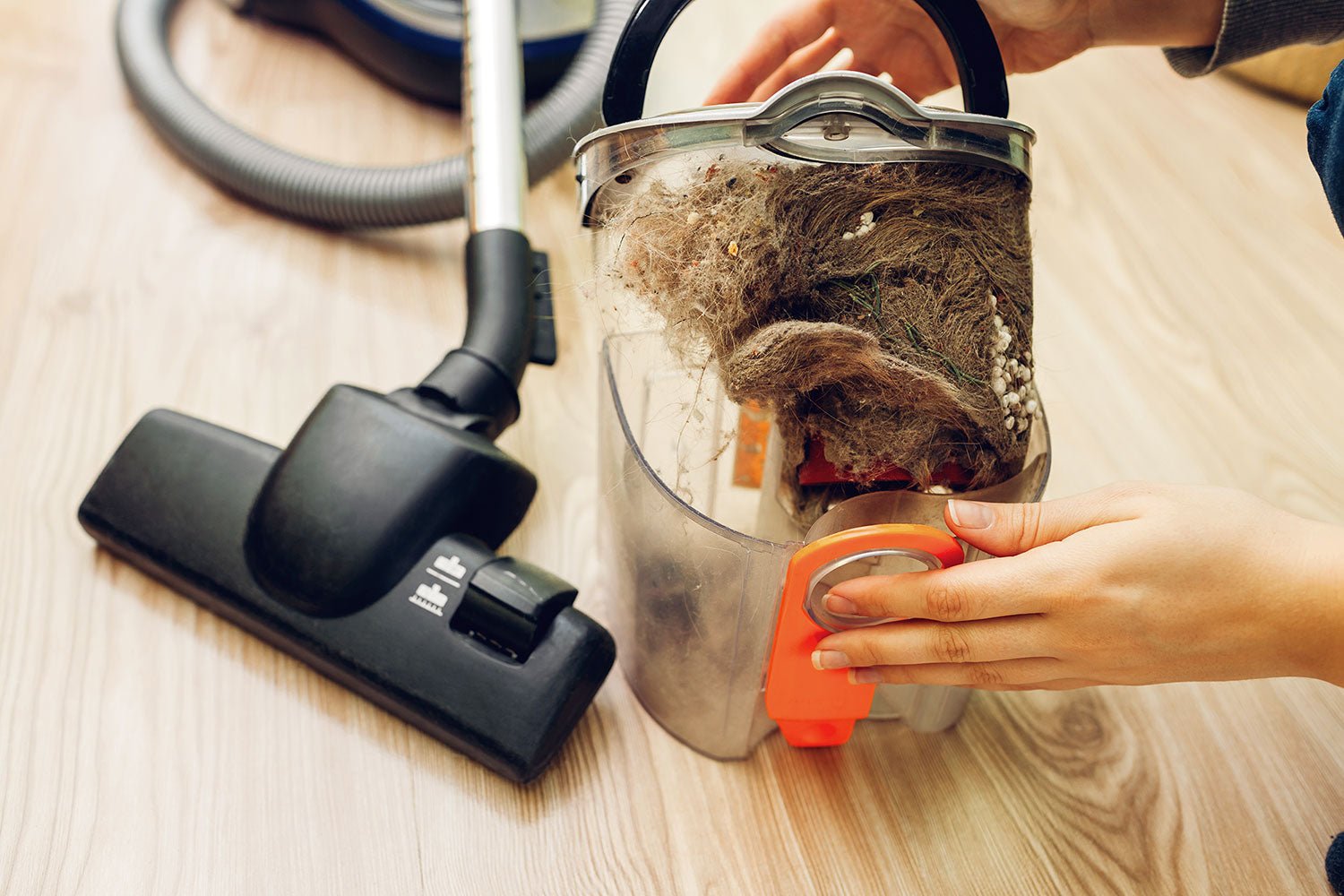
What Happens if You Already Added Vacuum Dust to Compost?
Do not panic if you added a small amount once. A single addition is unlikely to ruin an entire compost pile. The best response depends on the amount and the type of material.
If the dust came from a normal living room and contained no pet waste, chemicals, or building dust, mix it well and avoid adding more. If you added a large amount, remove the visible material if you can do so safely.
If the dust came from a litter box, workshop, renovation area, or pesticide-treated surface, do not use the finished compost on food crops. Consider removing the affected compost and placing it in the trash, if local rules allow. Contact your local extension office or waste department if you suspect lead, asbestos, or chemical contamination.
One lesson I have learned from composting projects is that prevention is much easier than cleanup. A compost pile can hide unwanted material for months, so source control matters more than trying to fix the pile later.
Better Materials for Your Compost Bin
Instead of asking whether you can compost vacuum cleaner dust, collect clean organic materials at the source. Good compost ingredients include:
• Fruit and vegetable scraps
• Coffee grounds and paper filters
• Tea leaves without plastic bags
• Dry leaves
• Grass clippings in thin layers
• Plain cardboard and uncoated paper
• Small amounts of untreated sawdust
• Fresh plant trimmings
• Straw and untreated hay
• Eggshells, crushed into small pieces
A balanced compost pile needs both carbon-rich “brown” materials and nitrogen-rich “green” materials. Dry leaves, cardboard, and plain sawdust add carbon. Food scraps and fresh grass add nitrogen.
Keep the pile moist but not soaked. Turn it from time to time to add air. A healthy pile should smell earthy rather than sour or rotten.
How to Keep Vacuum Dust Out of Compost
The easiest way to prevent mistakes is to create separate waste habits.
Use a broom or dustpan for clean leaves and natural outdoor debris. Use a dedicated container for untreated sawdust. Keep pet waste, litter, renovation dust, and household vacuum waste away from your compost tools.
You can also place a small sign near the compost bin that says “food scraps and plant matter only.” This simple reminder helps family members and guests avoid emptying a vacuum into the wrong container.
When I help people set up home compost systems, I suggest treating a compost bin like a food garden, not a general waste bin. If you would not want the material touching your vegetables, it probably does not belong in compost.
Frequently Asked Questions About Composting Vacuum Cleaner Dust
Can you compost vacuum cleaner dust from a bagless vacuum?
Usually, no. Bagless vacuum dust contains a mixture of fibers, plastics, hair, chemicals, and debris that is difficult to inspect or separate. Place it in a sealed household waste bag instead.
Can you compost vacuum cleaner dust with pet hair?
Only clean pet hair collected separately should be considered for composting. Mixed vacuum dust may contain feces, urine, flea treatments, litter, and synthetic fibers, so it should not go into compost.
Can you compost dust from a natural-fiber rug?
It is usually better not to. Natural-fiber rugs may contain dyes, glue, rubber backing, stain treatments, and synthetic threads that can enter the dust.
Is vacuum dust biodegradable?
Some parts of vacuum dust are biodegradable, such as food crumbs, natural hair, and small plant particles. The full mixture is not reliably biodegradable because it may also contain plastics, metals, glass, chemicals, and pathogens.
Can vacuum dust harm garden soil?
Yes, it can introduce unwanted fibers, chemicals, sharp debris, and pathogens. The risk depends on what the vacuum collected, but mixed household dust should not be added to soil used for plants.
What should you do with vacuum dust from a workshop?
Seal it in a bag and follow local waste rules. Never compost workshop dust if it contains treated wood, paint, glue, metal, oil, pesticides, or construction materials.
Conclusion
The safest answer to “can you compost vacuum cleaner dust” is usually no. Household vacuum dust is a mixed material that may contain synthetic fibers, chemical residues, pet waste, metals, glass, and other contaminants. Compost only clean, known organic materials, such as separately collected hair or a small amount of dust from untreated natural material.
When you cannot identify every part of the dust, seal it and place it in the correct waste stream. Protect your compost, your garden, and your health by keeping vacuum debris separate. Share your composting questions or explore more practical guides to build a cleaner, safer compost system.

Liora Pennings is a seasoned chef and kitchen enthusiast with a passion for turning everyday cooking into an effortless experience. With years of hands-on culinary expertise, she specializes in practical techniques, ingredient know-how, and smart kitchen solutions that help home cooks elevate their meals. At KitchFlair.com, Liora shares her best tips, time-saving tricks, and honest product reviews to guide readers toward a more efficient, enjoyable, and inspired cooking routine. Whether you’re a beginner or a seasoned home chef, Liora’s friendly, knowledge-packed insights make every visit to the kitchen a little easier—and a lot more delicious.