How Does A Pond Vacuum Cleaner Work: Simple Guide
A pond vacuum cleaner removes sludge and debris by drawing water through a pump, separating waste, and returning cleaner water.
Understanding how does a pond vacuum cleaner work can make pond care much easier. These machines act like wet vacuums built for outdoor water features. They collect leaves, algae, fish waste, and settled muck without forcing you to drain the pond. In this guide, you will learn how the system works, how to use it safely, and which type may suit your pond.

What Is a Pond Vacuum Cleaner?
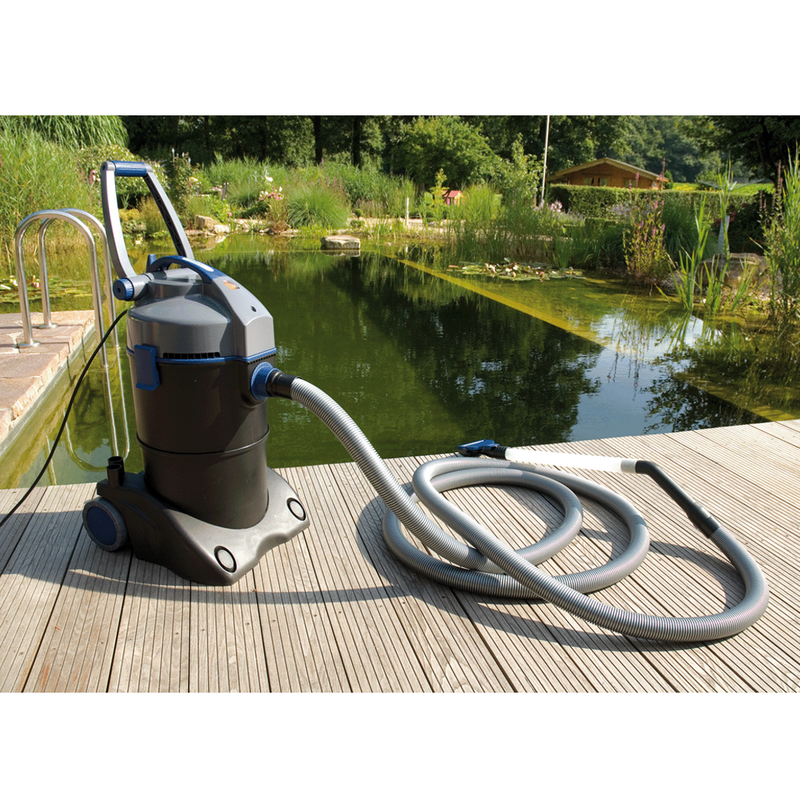
A pond vacuum cleaner is a specialized device that removes dirt from the bottom and sides of a pond. It uses suction to pull water and waste into a collection system. Depending on the model, the dirty water is stored in a container or sent through a discharge hose.
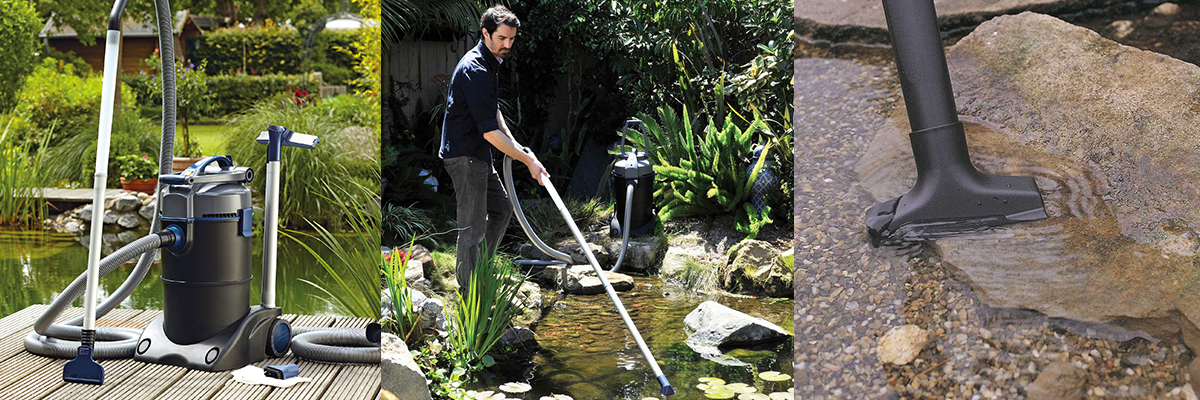
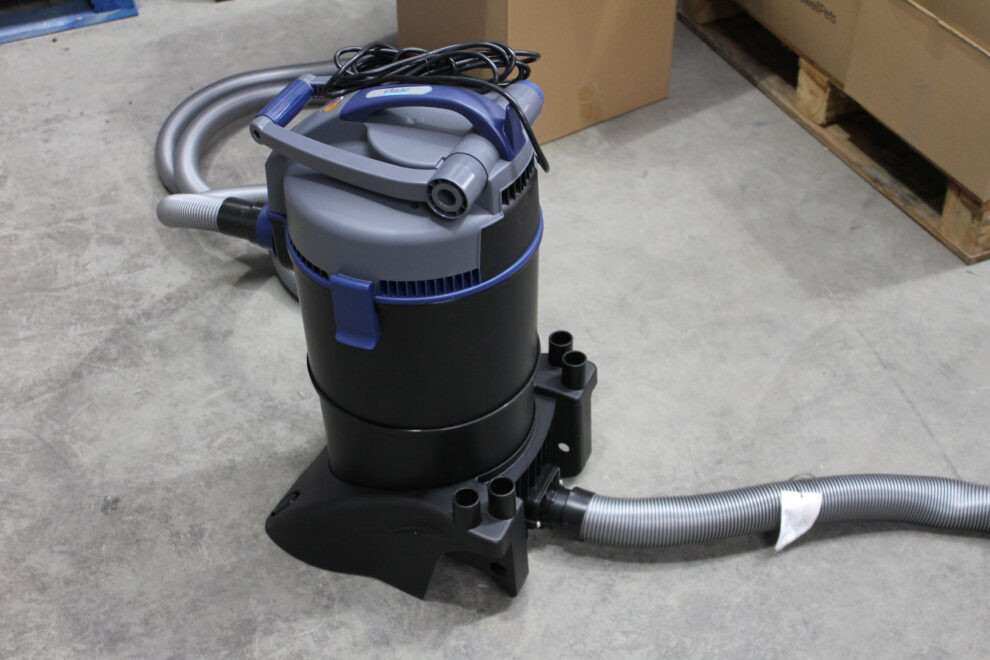
Unlike a household vacuum, a pond vacuum cleaner is designed to handle water, mud, plant matter, and small stones. Most models include a long hose, floor tools, extension tubes, and a motor-driven pump.
The main goal is simple: remove waste while leaving most of the pond water and wildlife in place. This makes the machine useful for garden ponds, koi ponds, waterfalls, and small decorative water features.
How Does a Pond Vacuum Cleaner Work?
The answer to how does a pond vacuum cleaner work starts with water flow. An electric motor powers a pump, which creates suction inside the vacuum hose. When the nozzle touches the pond floor, water and loose debris move into the hose.
The machine then separates the waste from the water in one of two common ways:
• Collection tank system: The vacuum stores dirty water and debris in an internal tank. You empty the tank when it becomes full.
• Continuous discharge system: The machine sends waste water through a discharge hose while it keeps working. This allows longer cleaning sessions with fewer stops.
Most pond vacuums use a wide nozzle. The wide opening helps collect sludge without pulling in large fish or plants. Some models include a screen or filter basket to stop leaves, stones, and other large items from reaching the pump.
A simple way to picture how does a pond vacuum cleaner work is to imagine a straw connected to a water pump. The pump pulls water through the straw, while the nozzle guides the flow across the pond floor. The key difference is that a pond vacuum is built to manage much more water and heavier waste.
The Main Parts of a Pond Vacuum
Knowing the main parts can help you understand how does a pond vacuum cleaner work and troubleshoot problems.
Motor and pump
The motor drives the pump. The pump creates the pressure difference that pulls water and debris into the hose. Stronger motors usually offer greater suction, but power alone does not guarantee better cleaning.
A good pump must balance suction, water flow, and debris handling. Excessive suction can disturb fish, uproot plants, or pull in gravel.
Suction hose
The suction hose connects the cleaning head to the vacuum body. A wider hose usually moves more water and is less likely to clog with leaves or thick sludge.
Keep the hose as straight as possible during use. Sharp bends reduce water flow and make the vacuum work harder.
Cleaning head
The cleaning head sits on the pond floor. Flat heads work well on smooth surfaces, while wider heads can cover more ground. Some models include brushes that loosen stuck algae and compacted dirt.
Use gentle movements around fish, roots, and pond liners. A slow pass often removes more waste than quick, rough movements.
Filter, screen, or separator
The filter catches larger debris before it reaches sensitive pump parts. Some systems also use a foam filter to trap fine particles.
Filters need regular cleaning. A blocked filter reduces suction and may cause the motor to overheat.
Collection tank or discharge hose
A collection tank holds dirty water until you empty it. A discharge hose sends the water to a drain, garden bed, or suitable area.
Check local rules before releasing pond water. Water with treatment chemicals, excess algae, or invasive plant fragments should not enter natural waterways.
How Does a Pond Vacuum Cleaner Remove Sludge?
Pond sludge is a mix of dead leaves, fish waste, uneaten food, algae, pollen, and fine soil. Over time, this material settles on the pond floor and breaks down without much oxygen.
When learning how does a pond vacuum cleaner work, sludge removal is one of the most important parts. The nozzle creates a local current that lifts loose sludge into the hose. The pump then carries the mixture away from the pond.
Thick sludge may not move at once. In that case, use short passes instead of forcing the nozzle into the muck. You can also loosen the top layer with a pond brush before vacuuming.
Avoid stirring the entire pond at once. A cloud of fine waste can spread through the water and stress fish. Work in small areas and pause when visibility becomes poor.
During my own pond-cleaning tests, the biggest mistake was moving the nozzle too fast. A slow, steady path collected far more material and created less clouding. Think of it like sweeping a floor: controlled strokes beat frantic ones.
Step-by-Step: How to Use a Pond Vacuum
The correct process affects cleaning results, fish safety, and equipment life. Follow these steps to see how does a pond vacuum cleaner work in real use.
1. Check the pond
Look for fish, frogs, newts, aquatic plants, stones, and loose liner sections. Remove large branches and sharp objects by hand.
If the pond contains delicate fish or small wildlife, consider moving them to a temporary container with pond water. This is not always needed, but it can reduce risk during deep cleaning.
2. Assemble the vacuum
Connect the hose, extension tubes, cleaning head, filter, and discharge line. Make sure each connection is secure before turning on the power.
Read the manual for your model. Some machines need priming, while others start pumping as soon as the hose fills with water.
3. Place the discharge hose
Direct dirty water to a safe area. A lawn, flower bed, or gravel drain may work if the water contains no harmful treatments or invasive species.
Keep the hose outlet lower than the pond when the machine uses gravity-assisted drainage.
4. Start at the shallow edge
Begin in a shallow section. This lets you test suction and observe how the pond responds.
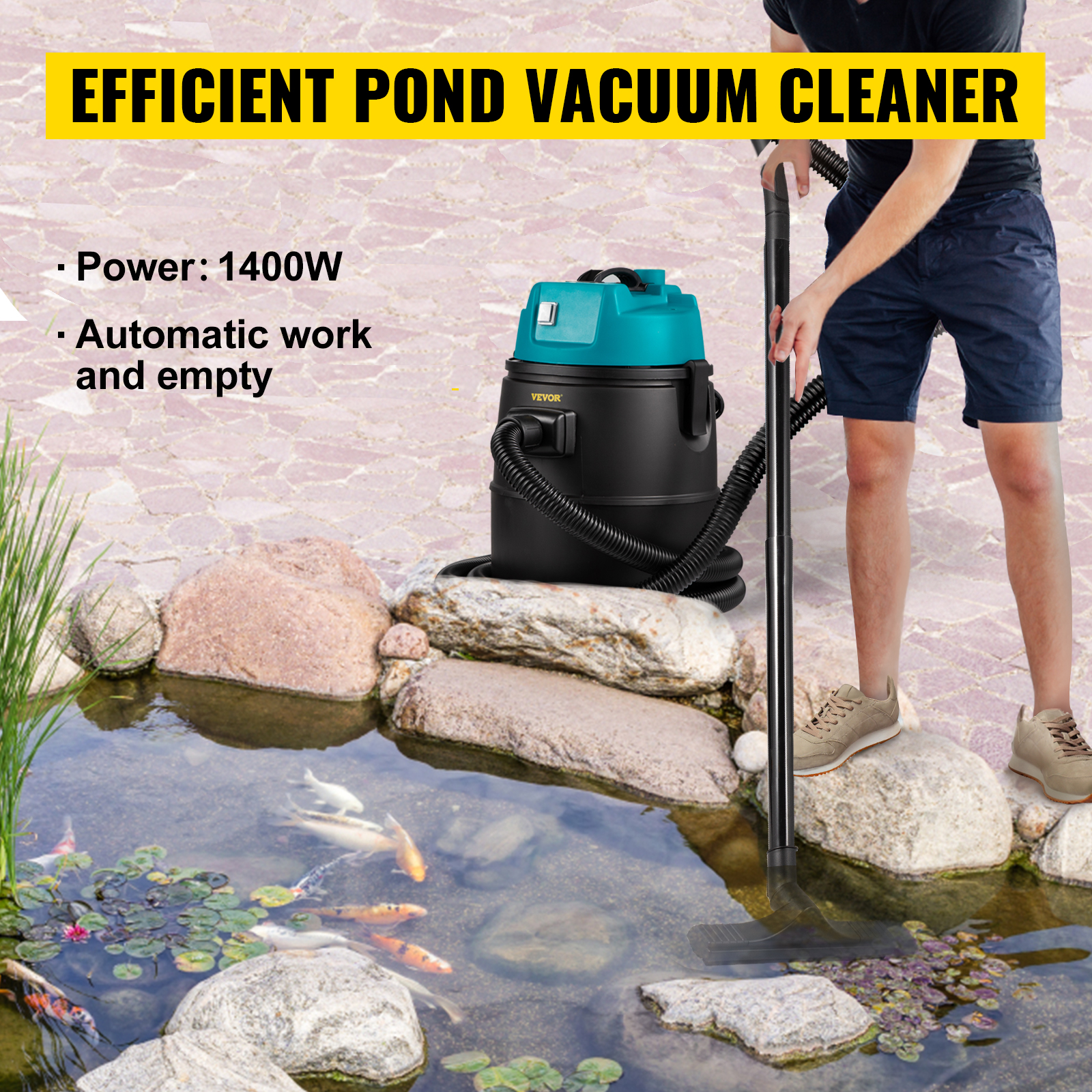
Move the head slowly across the floor. Overlap each pass so you do not leave strips of sludge behind.
5. Watch the water and wildlife
Stop if a fish approaches the nozzle. Do not vacuum directly over fish, frogs, roots, or delicate plants.
If the pond becomes very cloudy, allow particles to settle before continuing. Cleaning in stages is safer than trying to remove every bit of waste in one session.
6. Empty or clean the system
Stop the machine before opening the tank or filter area. Rinse screens and filters with clean water, and remove plant fibers from the hose.
Never reach into a running vacuum. Even a small pond machine has moving parts and electrical risks.

How Does a Pond Vacuum Cleaner Affect Fish and Plants?
A pond vacuum cleaner can be safe for fish when used with care. The greatest risks come from strong suction, sudden movement, poor water quality, and excessive disturbance of the pond floor.
Fish may hide when the vacuum starts. That reaction is normal. Give them time to move away before cleaning near their shelter.
Use these precautions:
• Keep the nozzle several inches away from fish.
• Avoid vacuuming spawning areas.
• Do not remove all bottom material from a natural pond.
• Clean only part of the pond at a time.
• Check water temperature before major cleaning.
• Return beneficial plants and stones after cleaning.
Aquatic plants can help filter water and provide shelter. Remove dead leaves, but avoid stripping away every plant stem or root. A healthy pond needs some natural habitat.
For koi ponds, do not rely on the vacuum alone. Test ammonia, nitrite, pH, and temperature when cleaning causes major water movement. Water testing helps confirm that the pond remains stable.

Benefits of Using a Pond Vacuum Cleaner
Understanding how does a pond vacuum cleaner work also shows why many pond owners use one instead of draining the entire pond.
It removes hidden waste
Pond debris often settles where you cannot see it. Vacuuming reaches the bottom and removes waste that nets cannot collect.
It reduces manual labor
A pond vacuum can save hours of scooping, lifting, and carrying dirty water. This is especially helpful for deep ponds or ponds with steep sides.
It protects the pond liner
Repeated scraping with a shovel or hard tool may damage a rubber liner. A vacuum head is gentler when used correctly.
It supports clearer water
Removing organic waste can reduce the material available for algae growth. It does not solve every algae problem, but it can improve overall pond care.
It may reduce the need for full draining
A full drain can stress fish and disturb beneficial bacteria. Spot cleaning with a vacuum is often less disruptive.
It helps maintain waterfalls and streams
Debris can collect around waterfall edges and stream beds. A suitable vacuum head can remove this buildup before it blocks water flow.

Limitations and Common Problems
A pond vacuum cleaner is useful, but it is not a magic solution. Knowing its limits will help you avoid poor results.
Low suction
Low suction may result from a blocked filter, kinked hose, loose connection, or worn seal. Turn off the machine and check these areas first.
Frequent clogging
Long leaves, string algae, and twigs can block narrow hoses. Remove large debris by hand before vacuuming.
Cloudy water
Vacuuming too quickly can disturb fine silt. Slow down, clean smaller areas, and allow the pond to settle.
Pump damage
Large stones and hard objects may damage the pump. Use the correct screen and never vacuum gravel unless the manufacturer allows it.
Limited reach
Some small units work well in shallow garden ponds but struggle with deep or large ponds. Measure the pond before buying.
Water loss
Discharge models may remove a noticeable amount of water. Keep replacement water ready, and treat tap water properly before adding it to a fish pond.
Electrical danger
Water and electricity require strict care. Use an outdoor-rated outlet, a ground-fault circuit interrupter, and dry hands when handling plugs. Stop using the machine if the cable, plug, or housing is damaged.
How Often Should You Vacuum a Pond?
The right schedule depends on pond size, fish numbers, tree cover, and the amount of organic debris.