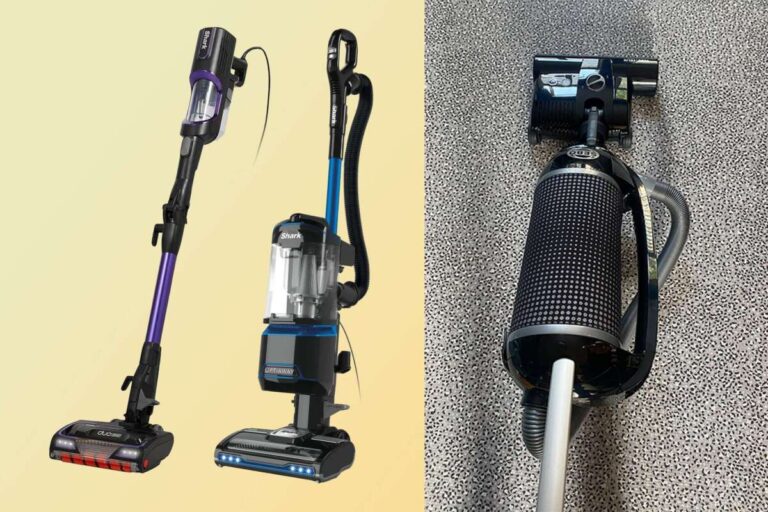
What Is A Good Inexpensive Vacuum Cleaner: Smart Buys
A good inexpensive vacuum cleaner offers strong suction, useful tools, easy care, and reliable cleaning without a high price.
Finding a good inexpensive vacuum cleaner is less about chasing the lowest price and more about matching the machine to your floors, pets, home size, and cleaning habits. After comparing vacuum types, brush systems, filters, dustbins, and long-term upkeep, the best budget choices usually cost about $70 to $180 and focus on useful performance instead of flashy extras. This guide explains what to look for, which features matter, and which common mistakes can waste your money.

What is a good inexpensive vacuum cleaner?
A good inexpensive vacuum cleaner is a budget model that cleans dust, crumbs, hair, and dirt well while remaining easy to use and maintain. It does not need a premium price, a phone app, or dozens of attachments. It needs steady suction, a suitable brush roll, useful filtration, and a design that fits your home.
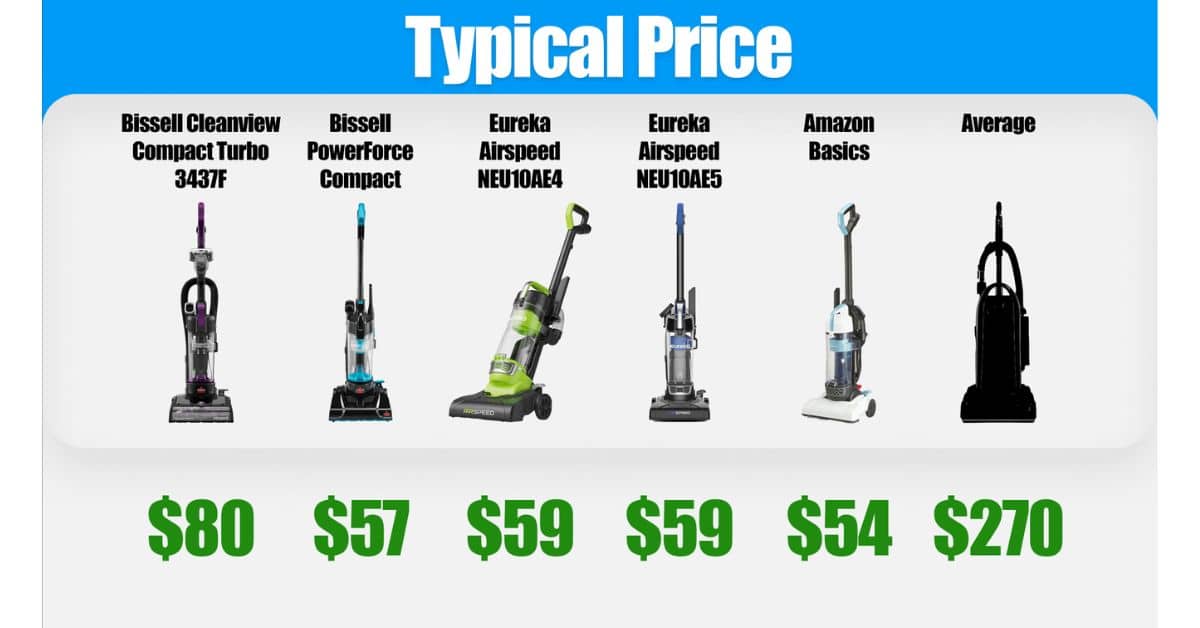
For most homes, a good inexpensive vacuum cleaner costs between $70 and $180. Prices change during sales, but this range often includes capable upright, stick, canister, and handheld models.
The right choice depends on your floor type:
- Carpet needs strong airflow and a powered brush roll.
- Hardwood floors need soft cleaning heads and suction control.
- Pet homes need tangle-resistant brushes and a washable filter.
- Small apartments benefit from lightweight stick or canister vacuums.
- Large homes often need the longer cord and bigger bin of an upright vacuum.
A cheap vacuum is not always a good inexpensive vacuum cleaner. A very low-cost machine may have weak suction, a short cord, poor seals, or filters that clog quickly. The purchase price is only one part of the cost. Bags, filters, belts, batteries, and replacement parts matter too.
The best budget vacuum types
Each vacuum style has clear strengths and limits. Knowing the difference makes shopping much easier.
Budget upright vacuums
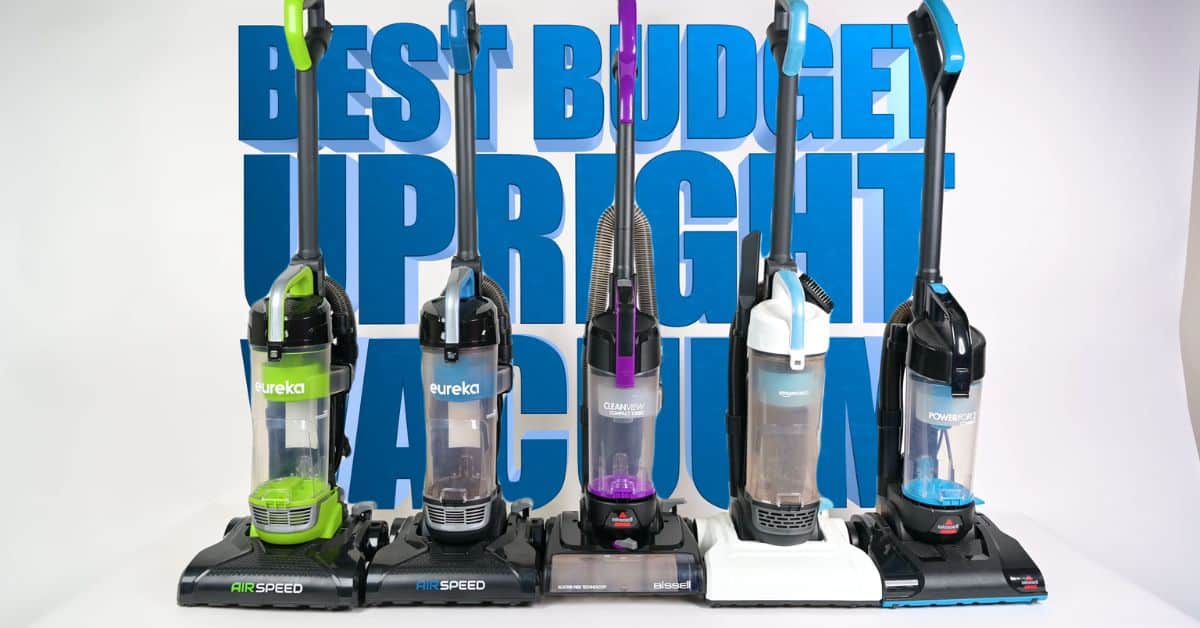
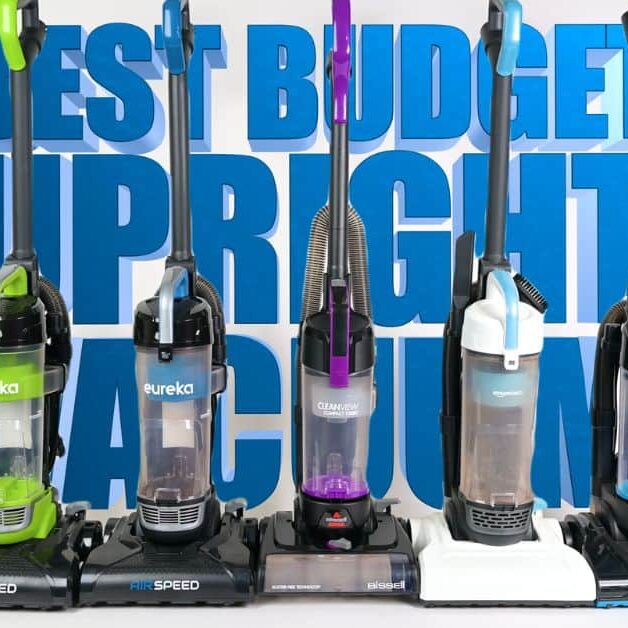
An upright vacuum is often the best value for carpeted homes. It usually has a wide cleaning path, a powered brush roll, and a larger dust cup than a stick vacuum.
Many affordable upright models from brands such as Bissell, Eureka, Hoover, and Shark offer strong carpet cleaning for less than premium machines. Models in lines such as Bissell CleanView and Eureka PowerSpeed are common examples of budget-friendly designs, although features and prices vary by model.
Choose an upright if you want:
- Strong carpet cleaning
* A large dust cup - A long power cord
- A powered floor brush
- Good value for a family home
The tradeoff is weight. An upright can feel tiring on stairs or when carried between floors.
Budget stick vacuums
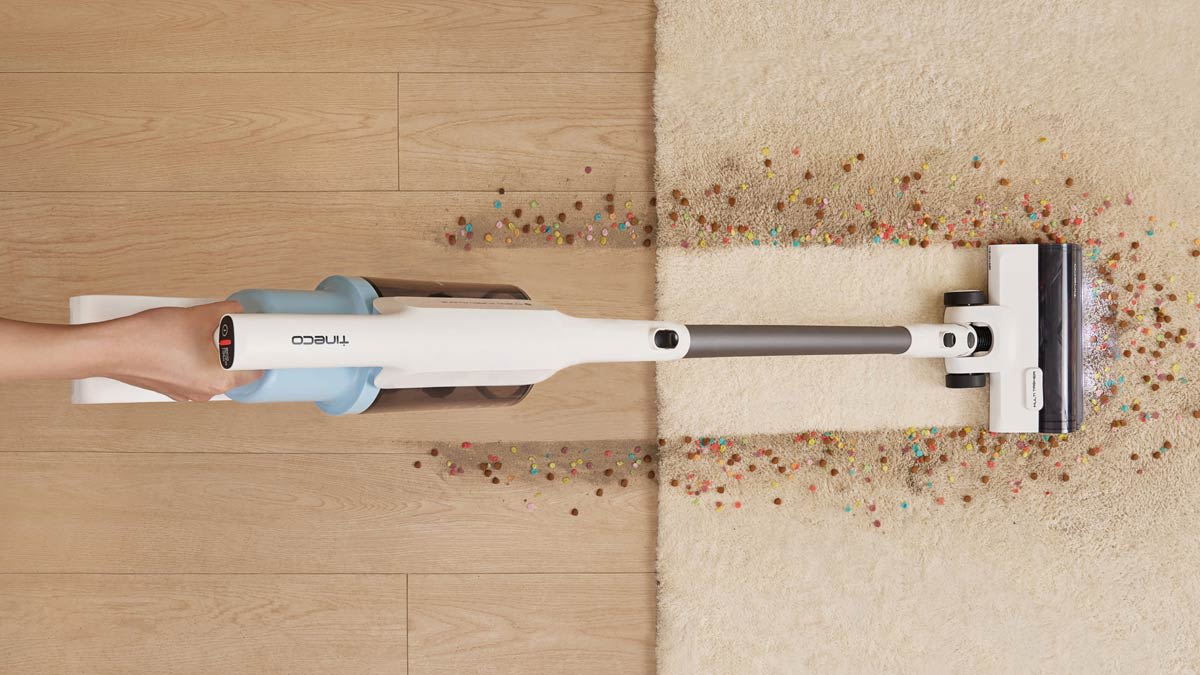
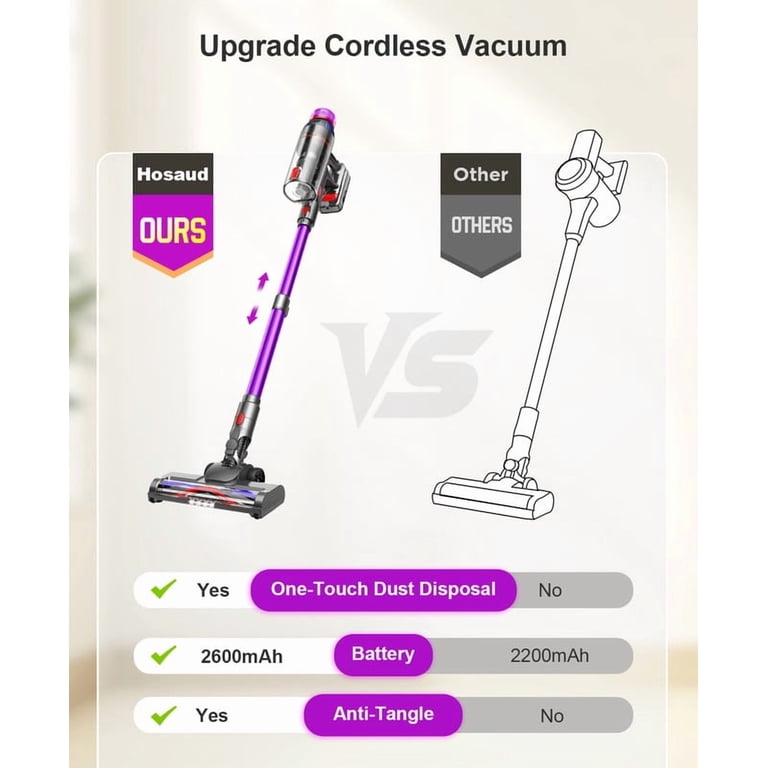
Stick vacuums are light, quick, and easy to store. They work well for crumbs, surface dust, and small homes. Corded stick models often provide better value because they do not depend on a battery.
Cordless stick vacuums offer more freedom, but battery life can be a concern. A budget cordless model may run for 20 to 40 minutes on a low setting and much less with a motorized brush or high-power mode.
Choose a stick vacuum if you want:
- Easy daily cleaning
- A lightweight design
- Fast cleaning after meals
- Simple storage
- Good performance on hard floors
A stick vacuum may not replace a full-size upright in a home with thick carpet, pets, or many rooms.
Budget canister vacuums
Canister vacuums are useful for hardwood, tile, stairs, furniture, and delicate surfaces. The motor sits in a separate canister, so the cleaning wand feels light in your hand.
A canister vacuum can be a good inexpensive vacuum cleaner for homes with mostly hard floors. It also tends to reach under furniture well. However, pulling the canister behind you may feel less convenient than pushing an upright.
Budget handheld vacuums
Handheld vacuums are helpful for cars, sofas, stairs, and small spills. They are not designed to clean an entire home.
Consider one as a second vacuum, not your main machine. A handheld vacuum can save time, but it cannot replace a full-size cleaner for carpets or large floor areas.
Budget robot vacuums
Some entry-level robot vacuums are affordable, but they often make compromises. They may have small dustbins, weaker suction, basic navigation, and limited carpet performance.
A robot vacuum can help with daily surface dust, but it still needs human support. You must empty the bin, clean the brush, move cords, and vacuum corners and stairs yourself.

Features that matter most
The best inexpensive vacuum cleaner does not need every available feature. It needs the right core features.
Suction and airflow
Suction helps lift dirt, but airflow also matters. A vacuum can advertise high suction power and still clean poorly if air cannot move through the floor head and filtration system.
Look for a sealed design, a powered brush roll for carpet, and reviews that discuss real cleaning results. Numbers such as air watts or motor watts can help, but they do not tell the whole story.
Brush roll control
A spinning brush roll lifts dirt from carpet. Yet it can scatter debris on hard floors or scratch delicate surfaces.
A useful vacuum offers one of these options:
- A brush roll on and off switch
- Automatic floor detection
- A soft brush for hard floors
- A height adjustment system
If your home has both carpet and hardwood, brush control is one of the most valuable features to get.
Filtration
A good filter helps keep fine dust inside the machine. Many budget vacuums use washable foam filters. Some add pleated filters or HEPA-rated filters.
HEPA filtration is designed to capture at least 99.97% of particles measuring 0.3 microns under standard test conditions. That does not mean every vacuum labeled “HEPA” performs the same in a real home. The filter, seals, dustbin, and exhaust path all matter.
For allergy concerns, look for:
- A sealed or well-sealed system
- A genuine HEPA filter
- A washable prefilter
- Easy filter replacement
- Clear instructions for filter care
Do not wash a filter unless the manual says it is washable. A wet paper or HEPA filter can become damaged and may encourage odor or mold growth.
Dustbin size
A small dustbin is fine for a studio apartment. It becomes frustrating in a large home or a home with pets.
A larger bin means fewer stops during cleaning. However, large bins can make the vacuum heavier. The best balance is a bin that holds enough dirt for your normal cleaning session but remains easy to remove and empty.
Cord length and battery life
Corded vacuums often provide more consistent power and lower long-term cost. A cord of 25 to 30 feet is useful for cleaning several rooms without changing outlets.
For cordless models, check the claimed run time and the run time with the powered brush turned on. Also check whether the battery is replaceable. A vacuum may be inexpensive at first but costly to repair if its battery cannot be replaced.
Attachments
Useful tools are better than a large attachment bundle. Most homes need:
- A crevice tool for edges and gaps
- A dusting brush for shelves and blinds
- An upholstery tool for sofas
- A powered pet tool for stairs and furniture
Attachments should store on the vacuum or in a simple holder. Loose tools are easy to lose and rarely improve cleaning.
Weight and handling
A vacuum can clean well and still be a poor choice if it is hard to push, lift, or turn. If you have stairs, joint pain, or limited storage, weight matters as much as suction.
Try to check these details before buying:
- Total machine weight
- Weight held in your hand
- Handle position
- Turning ability
- Stair-cleaning design
- Storage footprint

How to choose a good inexpensive vacuum cleaner
Use this simple process before you buy.
1. Identify your main floor
Count the amount of carpet, hardwood, tile, and area rugs in your home. If carpet covers most rooms, start with an upright. If hard floors dominate, consider a canister or stick model with a soft floor head.
2. Think about dirt levels
A home with children, pets, or frequent cooking needs more cleaning power than a quiet one-person apartment. Pet hair can wrap around brush rolls, so look for a tangle-resistant design or a brush that is easy to remove and clean.
3. Set a realistic budget
A basic vacuum under $80 may work well for light use. A more flexible good inexpensive vacuum cleaner often falls between $100 and $180. Spend more only when you need features such as sealed filtration, stronger pet cleaning, a longer warranty, or a replaceable battery.
4. Check maintenance costs
Search for the price of filters, belts, bags, and batteries before purchasing. A low-cost vacuum that needs expensive proprietary parts may cost more over time.
5. Read reviews carefully
Look for repeated comments about:
- Suction after several months
- Hair buildup
- Broken wheels or handles
- Battery decline
- Filter availability
- Customer service
- Ease of emptying the bin
One angry review may reflect a rare problem. A pattern across many reviews deserves attention.
6. Confirm the warranty
A one-year limited warranty is common for budget vacuums. Read what it covers and whether the company provides replacement parts.
The warranty does not guarantee perfect performance. It does show whether the manufacturer is willing to support the product after purchase.
Good inexpensive vacuum cleaner recommendations by need
The following categories are more useful than one universal winner. A good inexpensive vacuum cleaner for a pet owner may not suit someone with delicate hardwood floors.
Best for carpet
Choose a full-size upright with:
- A powered brush roll
- Height adjustment
- Strong edge cleaning
- A large dust cup
- A hose and upholstery tool
Budget upright families from Bissell, Hoover, Eureka, and Shark often fit this role. Compare the exact model, since features can differ between versions sold by different stores.
Best for hardwood floors
Choose a canister or stick vacuum with:
- A soft floor head
- Brush roll control
- Suction adjustment
- Rubber wheels
- Good crevice cleaning
Avoid using an aggressive rotating brush on delicate wood unless the manufacturer approves it.
Best for pet hair
Look for:
- A motorized pet attachment
- A brush roll that resists tangles
- A sealed filter system
- Easy access to the brush
- Strong hose suction
No vacuum is completely maintenance-free in a pet home. Even a good inexpensive vacuum cleaner needs regular hair removal.
Best for apartments
A lightweight stick vacuum can work well when storage is limited. A corded model may offer better value, while a cordless model feels easier for quick cleanups.
Check whether it can stand on its own. Some models need a wall mount, which may not suit a rental home.
Best for allergies
Choose a machine with a sealed design and a genuine HEPA filter when possible. Empty the dustbin outdoors if dust bothers you, and replace filters according to the manual.
A vacuum cannot remove every source of indoor allergy. Washing bedding, reducing clutter, and controlling humidity are also important.
Mistakes to avoid when buying a cheap vacuum
The wrong bargain can become an expensive lesson. These are the mistakes I see most often in vacuum comparisons and real home use.
Buying by motor wattage alone
Motor wattage shows electrical input, not cleaning quality. A well-designed vacuum with moderate wattage can outperform a poorly sealed model with a larger motor.
Focus on airflow, brush design, filtration, and user feedback instead.
Choosing the lightest machine for every home
Light weight is useful, but an ultra-light vacuum may have a small bin, weak brush, short cord, or limited battery. Balance comfort with the cleaning demands of your home.
Ignoring replacement parts
A belt or filter may look like a small detail. Yet a missing replacement part can turn a working vacuum into a closet item.
Check parts availability before checkout. This is one of the clearest differences between a good inexpensive vacuum cleaner and a disposable bargain.
Expecting a cordless vacuum to clean forever
Cordless models lose power as the battery ages. Run time also drops when using high suction or a motorized floor head.
If you choose cordless, buy from a brand that sells replacement batteries or consider a corded model for your main cleaner.
Skipping maintenance
Many performance problems are caused by a full bin, clogged filter, blocked hose, or tangled brush. A vacuum cannot breathe when its airway is blocked.
Empty the bin before it reaches the maximum line. Clean the brush roll often. Wash approved filters and let them dry completely before reinstalling them.
How to maintain a budget vacuum
Good care can extend the useful life of a good inexpensive vacuum cleaner.
- Empty the dustbin before it becomes packed.
- Check the floor head for string, hair, and thread.
- Clean washable filters as directed.
- Replace disposable filters on schedule.
- Inspect the hose for cracks and blockages.
- Check the belt if the brush stops spinning.
- Keep the power cord away from the brush roll.
- Store the vacuum in a dry place.
- Do not vacuum liquids unless the machine is made for wet cleaning.
- Stop using the machine if it smells hot or makes a sharp electrical sound.
In hands-on testing, one of the most common mistakes is judging a vacuum after it has become clogged. A budget model may seem weak simply because its filter is full of fine dust. A five-minute maintenance check can restore much of its performance.
Do not use a household vacuum to collect fireplace ash, wet debris, drywall dust, or large amounts of construction material unless the manual specifically allows it. These materials can damage the motor or create a safety hazard.
Are expensive vacuums always better?
No. Expensive vacuums may offer quieter operation, stronger materials, better filtration, longer warranties, and more refined tools. Those advantages can matter, but they do not make every premium model the best choice for every home.
A good inexpensive vacuum cleaner can deliver excellent everyday results when the machine matches the floor and dirt type. A budget upright may clean a medium-pile carpet better than an expensive cordless stick with a small battery.
The main limitations of inexpensive models often include:
- Louder operation
- More plastic parts
- Shorter warranties
- Less advanced navigation
- Smaller batteries
- Fewer replacement options
- More frequent maintenance
The goal is not to find the cheapest machine. The goal is to avoid paying for features you will not use while protecting the features you need most.
How much should you spend?
For light cleaning, a vacuum priced around $50 to $80 may be enough for a small apartment, dorm room, or office. Expect basic tools and fewer conveniences.
The $80 to $150 range often offers the strongest value. This is where many capable uprights, corded sticks, and simple canisters appear.
At $150 to $250, you may find better pet tools, stronger filtration, more durable parts, or entry-level cordless models. Prices above that can be worthwhile, but only if the added comfort, noise control, filtration, or service support matters to you.
Watch for seasonal sales around major shopping events. However, compare the model number carefully. Retailers sometimes sell similar-looking versions with different motors, tools, or warranties.

Frequently Asked Questions About What Is a Good Inexpensive Vacuum Cleaner
What is the best inexpensive vacuum cleaner for most homes?
A corded upright with a powered brush roll is often the best value for homes with carpet, pets, or several rooms. For mostly hard floors and small spaces, a lightweight stick or canister vacuum may be a better fit.
Is a cheap vacuum cleaner worth buying?
Yes, if it has suitable suction, a useful floor head, accessible filters, and available replacement parts. Avoid models that feel poorly sealed or have many repeated complaints about broken parts.
What is a good inexpensive vacuum cleaner for pet hair?
Choose an upright or stick vacuum with a motorized pet tool, a tangle-resistant brush roll, and strong filtration. Regularly remove wrapped hair because even a good inexpensive vacuum cleaner can lose performance when its brush is blocked.
Are bagless vacuums cheaper to maintain?
Bagless vacuums do not require replacement bags, but they still need filters and brush cleaning. Bagged models can be cleaner to empty and may protect the motor from fine dust, so the cheaper option depends on local bag and filter prices.
Is a cordless vacuum better than a corded vacuum?
A cordless vacuum is more convenient for quick cleaning, but a corded model usually provides longer use and steady power. For whole-home cleaning on a budget, corded vacuums often offer better value.
How often should I replace a budget vacuum?
A budget vacuum can last several years with proper care, but its life depends on use, maintenance, and build quality. Replace it when repairs cost more than the machine is worth or when it no longer cleans safely and effectively.
Do I need a HEPA filter?
A HEPA filter is helpful if you are concerned about fine dust, asthma, or allergies. It works best when the entire vacuum is well sealed and the filter is maintained correctly.
Conclusion
A good inexpensive vacuum cleaner should match your floors, cleaning needs, storage space, and maintenance habits. For many households, a corded upright offers the best mix of suction, capacity, and value, while a stick or canister model may be better for small homes and hard floors.
Look beyond motor wattage and attractive features. Check brush control, filtration, cord or battery life, replacement parts, warranty support, and long-term reviews. Choose carefully, maintain the machine often, and your budget vacuum can keep your home clean for years. Compare a few suitable models today, then share your experience or questions in the comments.

Liora Pennings is a seasoned chef and kitchen enthusiast with a passion for turning everyday cooking into an effortless experience. With years of hands-on culinary expertise, she specializes in practical techniques, ingredient know-how, and smart kitchen solutions that help home cooks elevate their meals. At KitchFlair.com, Liora shares her best tips, time-saving tricks, and honest product reviews to guide readers toward a more efficient, enjoyable, and inspired cooking routine. Whether you’re a beginner or a seasoned home chef, Liora’s friendly, knowledge-packed insights make every visit to the kitchen a little easier—and a lot more delicious.