How To Clean Vacuum Cleaner Attachments For Pet Hair: Tips
Use brushes, warm soapy water, and drying to remove trapped pet hair from attachments quickly.
I have spent years testing vacuums and fixing pet-hair clogs. This guide on how to clean vacuum cleaner attachments for pet hair removal explains why it matters, which tools work best, and exact step-by-step methods you can use now. Read on for practical tips, safety notes, and real-life fixes that save time and keep your vacuum performing like new.
Why cleaning vacuum cleaner attachments for pet hair removal matters
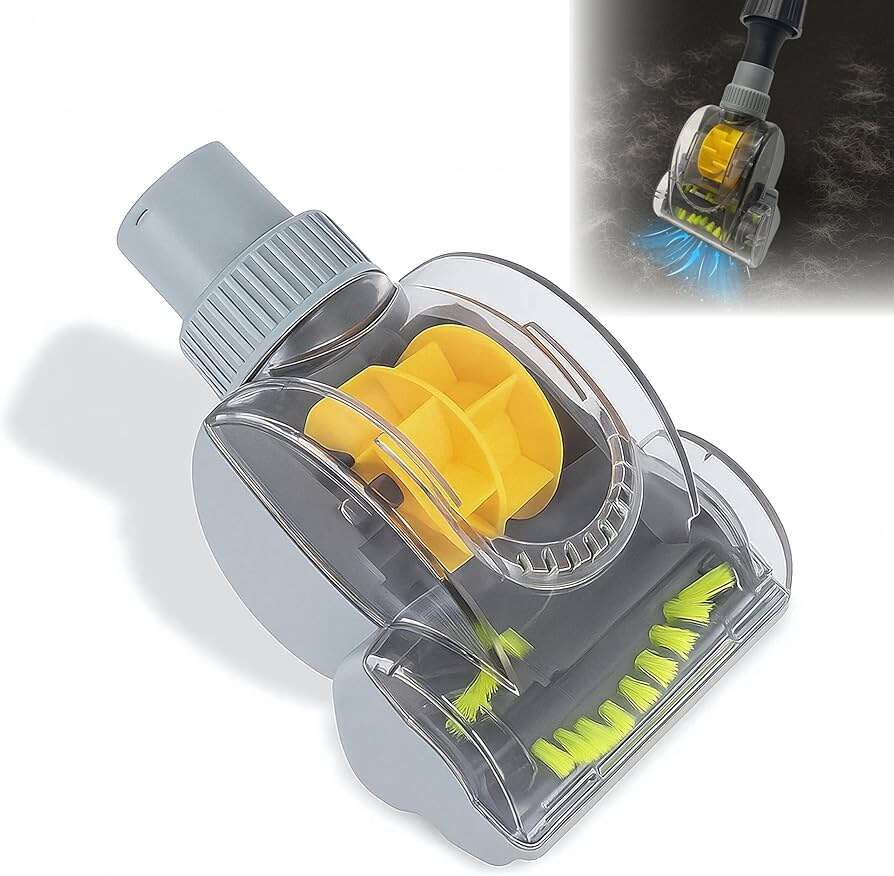
Pet hair builds up inside nozzles, brushes, and crevices. This reduces suction. It also increases strain on the motor and can make odors worse. Regular cleaning keeps airflow steady and extends the life of the vacuum. It also improves cleaning performance on furniture, stairs, and car interiors.
Key benefits of cleaning attachments
- Restores suction and cleaning power.
- Prevents clogs and motor overheating.
- Reduces odors and allergens.
- Extends attachment lifespan.
How often to clean
- Light shedding pets: clean attachments every 1–2 weeks.
- Heavy shedders or multi-pet homes: clean attachments weekly or after big grooming sessions.
Tools and materials for how to clean vacuum cleaner attachments for pet hair removal
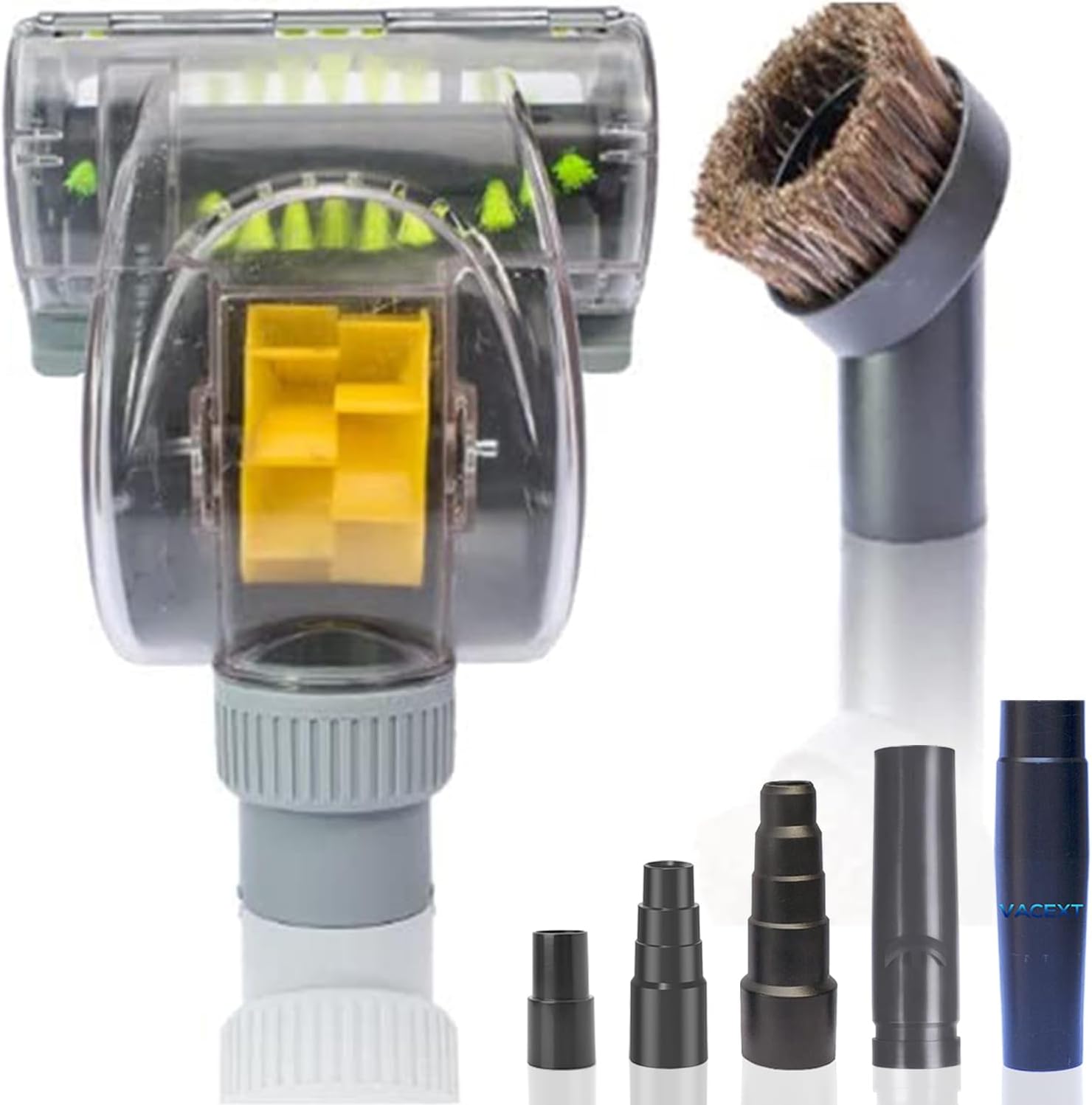
You don’t need fancy gear. Most jobs use items you already have. Below is a simple kit that works for most attachments.
Essential items
- A small stiff brush or toothbrush to loosen hair.
- A seam ripper, tweezers, or needle-nose pliers for stubborn strands.
- Warm water and mild dish soap.
- Microfiber cloths for drying and wiping.
- Compressed air can or small air compressor for tight spots.
- Rubbing alcohol for sticky residue.
- A shallow bowl or sink for soaking removable pieces.
Safety and material notes
- Check manufacturer instructions before soaking plastic parts.
- Avoid bleach on rubber or fabric. Use mild soap.
- Unplug the vacuum and remove the battery before starting.

Step-by-step: how to clean vacuum cleaner attachments for pet hair removal
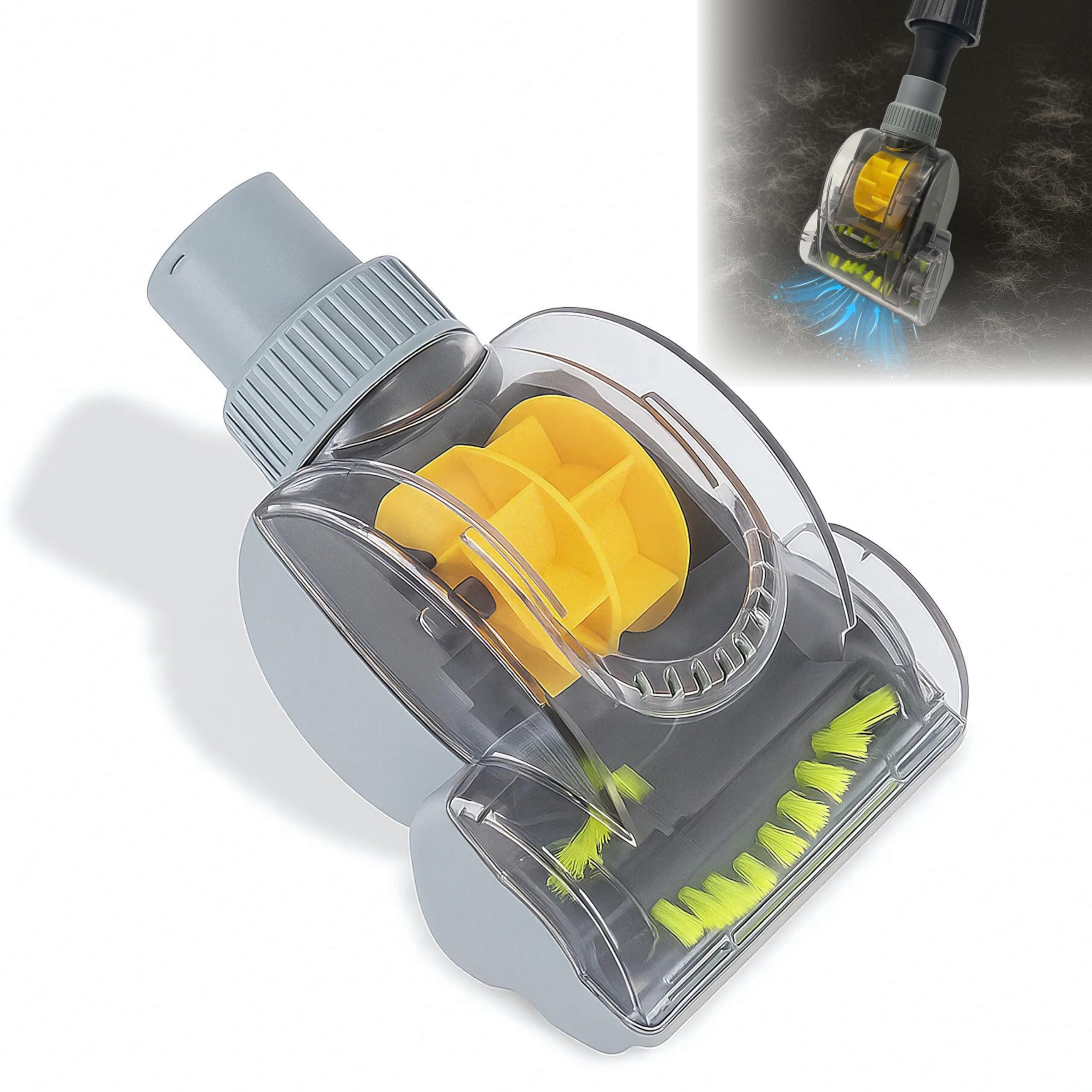
Follow these short steps. They work for brushes, crevice tools, turbo heads, and upholstery nozzles.
- Prepare the vacuum
- Turn off and unplug the vacuum.
- Remove attachments and set them on a towel.
- Remove loose hair
- Use your fingers or a dry brush to pull out long strands.
- Use tweezers for wrapped hair around bearings or brush rollers.
- Use a stiff brush
- Brush along bristles and in crevices to loosen trapped hair.
- Work from the edges toward the center.
- Disassemble if possible
- Remove screws or end caps per manufacturer guidance.
- Take out rollers and belts for independent cleaning.
- Wash washable parts
- Soak plastic and rubber parts in warm soapy water for 10–15 minutes.
- Rinse well and pat dry with a microfiber cloth.
- Dry completely
- Air dry parts fully before reassembly. Damp parts can cause mold or motor damage.
- Reassemble and test
- Put everything back together.
- Run the vacuum briefly to confirm normal suction.
Small hacks that help
- Wrap tape sticky-side out around a ruler to pick up fine hair.
- Use pantyhose over the nozzle for quick pet hair pick-up on upholstery before vacuuming.
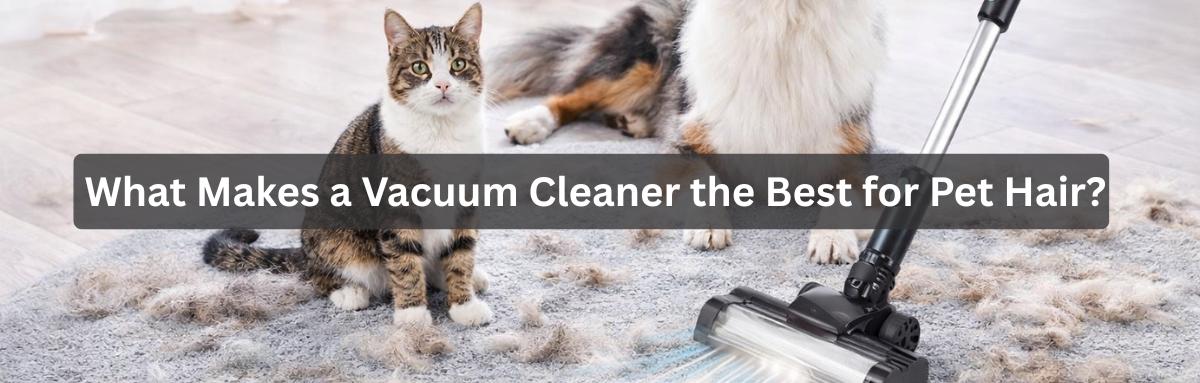
Deep cleaning and maintenance for how to clean vacuum cleaner attachments for pet hair removal
Sometimes attachments need more than a quick clean. Deep cleaning keeps small parts working well.
Deep clean steps
- Remove rollers and clean bearings. Replace worn belts.
- Use compressed air to blow out dust from tight channels.
- For fabric or foam filters built into attachments, replace them if they are disintegrating.
When to replace parts
- Bristles that are bent or missing.
- Cracks in plastic that affect fit or airflow.
- Bearings that don’t spin freely.
Personal tip
- I once ignored a clogged turbo head and the motor started smelling. After a deep clean and a new belt, the head worked like new. Lesson: deep cleaning saves repairs later.

Troubleshooting and common problems when you clean vacuum cleaner attachments for pet hair removal
Problem: suction still weak after cleaning
- Check the hose, canister, and main filter for clogs. Clean or replace filters per the manual.
Problem: hair wrapped tightly around brush roll
- Cut hair with scissors and remove in short sections. Pull gently to avoid damaging bristles.
Problem: attachments smell bad after cleaning
- Soak in a mix of warm water and a bit of vinegar, rinse, then air dry in sunlight if possible.
Problem: plastic parts warped after cleaning
- Avoid hot water and dishwasher cycles. Use warm, not hot, water.
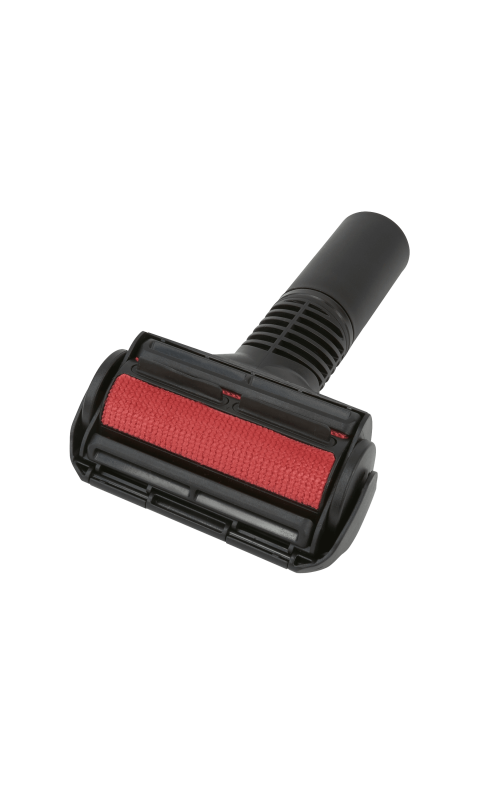
Preventive measures to reduce pet hair build-up
Small habits cut cleaning time and keep attachments clearer.
Daily and weekly habits
- Groom pets outdoors or over a sheet to capture loose fur.
- Use a rubber pet brush to remove loose hair before vacuuming.
- Empty the vacuum canister or bag regularly.
Attachment-friendly tips
- Use quick pre-vacuum passes with a handheld lint roller.
- Keep a small brush by your vacuum for spot cleaning after each vacuum session.

My experience and mistakes to avoid
I used to soak every part of my vacuum. That led to a warped rubber edge and a costly replacement. Now I test materials first. I also learned to keep a simple tool kit for quick fixes. Small, regular care beats big repairs.
Lessons learned
- Read the manual before disassembling.
- Dry everything fully before reassembly.
- Use the right tools to avoid breaking clips or gears.

Frequently Asked Questions of how to clean vacuum cleaner attachments for pet hair removal
How often should I deep clean vacuum attachments used for pet hair?
Deep clean once every 2–3 months for average shedding. Clean more often for heavy shedders or if performance drops.
Can I soak all vacuum attachments in water?
No. Only soak items marked washable. Avoid soaking electrical parts, bearings, and fabric that can shrink or degrade.
Will cleaning attachments improve suction power?
Yes. Removing hair and debris restores airflow and often improves suction noticeably.
What household items remove sticky pet hair?
A damp rubber glove, lint roller, or sticky tape works well for picking up loose hair before vacuuming.
Is compressed air safe for all attachments?
Use compressed air for plastic and crevice tools. Avoid high pressure near bearings or delicate parts to prevent damage.
Conclusion
Regular care of attachments keeps your vacuum efficient and makes pet hair removal easier. Use simple tools, follow short cleaning steps, and do deep cleans occasionally. Small daily habits cut cleaning time and reduce wear on your machine. Try these tips this week: pick one attachment, clean it fully, and notice the difference in suction and smell. If this guide helped, leave a comment or subscribe for more practical cleaning tips.

Liora Pennings is a seasoned chef and kitchen enthusiast with a passion for turning everyday cooking into an effortless experience. With years of hands-on culinary expertise, she specializes in practical techniques, ingredient know-how, and smart kitchen solutions that help home cooks elevate their meals. At KitchFlair.com, Liora shares her best tips, time-saving tricks, and honest product reviews to guide readers toward a more efficient, enjoyable, and inspired cooking routine. Whether you’re a beginner or a seasoned home chef, Liora’s friendly, knowledge-packed insights make every visit to the kitchen a little easier—and a lot more delicious.