Vacuum Not Collecting Dirt: Quick Fixes
Clean or replace filters, clear blockages, inspect the brush roll and belts, and restore suction.
I’ve repaired dozens of vacuums and taught homeowners how to fix vacuum cleaner not collecting dirt properly. This guide gives clear, tested steps to find the cause and fix it fast. You’ll get practical checks, step-by-step repairs, and simple maintenance you can do today to restore strong suction and reliable pickup.

Common causes: why your vacuum cleaner is not collecting dirt properly
Most performance problems are simple. Dirt builds up in predictable places. Dust, tangled hair, clogged hoses, full bags or bins, dirty filters, worn belts, and blocked air paths are the usual suspects when learning how to fix vacuum cleaner not collecting dirt properly.
- Full dustbin or bag reduces suction and pickup.
- Clogged filter or dirty HEPA filter chokes airflow.
- Blocked hose, wand, or crevice tool traps debris and kills suction.
- Tangled brush roll or worn bristles stop carpet agitation.
- Broken or loose belt prevents the brush from turning.
- Leaks in seals or gaskets reduce suction power.
- Motor or fan issues cause poor or no suction.
Understanding these causes helps you narrow where to look first when you want to fix vacuum cleaner not collecting dirt properly. Quick checks often solve the issue without buying parts.
How to diagnose the problem
A calm, systematic test saves time. Use these quick checks to diagnose how to fix vacuum cleaner not collecting dirt properly.
- Visual check
- Empty the dustbin or replace the bag and inspect the suction inlet.
- Look for hair wrapped around the brush and clear visible blockages.
- Suction test
- Turn the vacuum on and feel suction at the hose inlet with your hand. Strong pull means the primary air path is clear.
- If suction is strong at the hose but poor at the floor head, the brush or head is the issue.
- Airflow test
- Detach the hose and run the vacuum. If suction improves, the floor head or wand is clogged.
- Brush roll and belt check
- Flip the cleaner head. Manually spin the brush roll. If it won’t turn freely or the belt is loose, that explains poor pickup.
- Filter and motor sound
- Listen for high-pitched or strained motor sounds. Strange noises can indicate motor strain from clogged airflow.
- Seal inspection
- Inspect seals around the bin, hose connections, and floor head. Any gaps or cracks reduce suction.
These tests let you target the repair. When you diagnose correctly, you’ll know the best way to fix vacuum cleaner not collecting dirt properly without guessing.
Step-by-step fixes you can do at home
Follow these practical fixes. I’ve worked on many models and applied these steps to fix vacuum cleaner not collecting dirt properly reliably.
- Empty and clean the dustbin or replace the bag
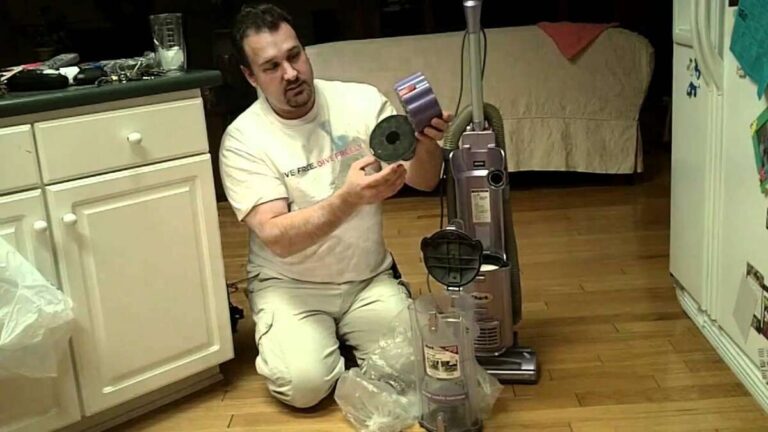
- Empty the canister into a trash bag. Wipe the bin with a damp cloth.
- Replace disposable bags when they are two-thirds full for best suction.
- Clean or replace filters
- Wash foam and pre-motor filters per the manual and let them dry fully before reinstalling.
- Replace HEPA or non-washable filters every 6 to 12 months or earlier if they look clogged.
- Clear hoses and wands
- Disconnect hose and visually inspect. Use a broom handle or plumber’s snake to push out compacted debris.
- Brush the inside of the wand with a long brush and rinse if the manual allows.
- Unclog the floor head and attachments
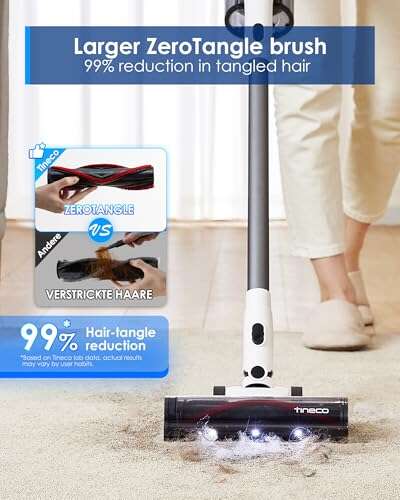
- Remove hair and fibers from the brush roll. Use scissors to cut tight tangles free.
- Check the suction opening for compacted dirt and clear it.
- Replace worn belts and brush rolls
- If the brush doesn’t spin or belt looks glazed, replace the belt. Belts are inexpensive and usually simple to swap.
- Replace brush rolls when bristles flatten or break.
- Fix suction leaks
- Check and replace cracked seals or gaskets around the bin and hose joints.
- Ensure all lids and latches fully close and lock.
- Motor and fan issues
- If you find little or no suction after cleaning everything, the motor or fan may be damaged. Listen for weak or grinding sounds.
- At this stage, consult a repair shop unless you have the skills and parts to replace the motor assembly.
Personal tip: once, a friend’s vacuum had almost no pickup. The hose had a Lego stuck near the elbow. After clearing it and washing the pre-filter, the vacuum worked like new. Small things often cause big problems. These steps will usually show you how to fix vacuum cleaner not collecting dirt properly without paying a technician.
Maintenance schedule to prevent poor pickup
Routine care stops most problems early. Use this simple schedule to keep your vacuum picking up dirt well and learn how to fix vacuum cleaner not collecting dirt properly before it becomes serious.
- After every use
- Empty the bin or check the bag.
- Remove hair from the brush roll.
- Weekly
- Quick check of the hose and wand for visible blockages.
- Monthly
- Wash or clean pre-motor filters. Inspect belts and brush roll.
- Every 6 to 12 months
- Replace HEPA and sealed filters per the manufacturer’s recommendation.
- Replace belts and brush roll if wear is visible.
- Annual check
- Have a professional service the motor and internal seals if you use the vacuum heavily.
Good maintenance reduces repair costs. Follow this schedule and you’ll rarely need to relearn how to fix vacuum cleaner not collecting dirt properly.

When to call a pro or replace your vacuum
Not every problem is worth a DIY fix. Know when to call a pro or replace the machine when learning how to fix vacuum cleaner not collecting dirt properly.
- Call a professional if:
- The motor hums but produces no suction after cleaning everything.
- You hear grinding or burning smells from the motor.
- Electrical faults or intermittent power occur.
- Consider replacement if:
- The repair cost is close to or exceeds half the price of a new vacuum.
- The vacuum is old and repeatedly needs parts like motors, major electronics, or multiple belts.
- The cleaner lacks modern filtration needed for allergies.
A professional can diagnose motor or electrical failures safely. If the cost is high, replacing with a newer model that has better filtration and design may be the smarter choice.
Frequently Asked Questions of how to fix vacuum cleaner not collecting dirt properly
Why is my vacuum losing suction after a few minutes?
This often means a filter or motor intake is clogged. Clean or replace filters and check for blocked hoses or a full dustbin to restore steady suction.
Can tangled hair stop my vacuum from picking up dirt?
Yes. Hair wrapped around the brush stops the brush from spinning and reduces agitation, which prevents dirt pickup. Remove hair and check the belt after cleaning.
How often should I replace filters and belts?
Replace HEPA and sealed filters every 6 to 12 months depending on use, and belts at the first signs of wear or every 1 to 2 years in heavy use. Check your manual for model-specific guidance.
Will cleaning the brush roll improve carpet cleaning?
Cleaning the brush roll restores agitation and improves pickup on carpets. Replace the roll when bristles are flattened or missing for best results.
My vacuum has suction at the hose but not at the floor head. What does that mean?
If suction is strong at the hose but weak at the floor head, the wand or floor head is likely clogged or the brush head is not engaging. Clear blockages and inspect the brush head and seals.
Conclusion
Fixing a vacuum that is not collecting dirt properly usually comes down to cleaning filters, clearing blockages, and checking the brush and belts. Start with simple inspections and the step-by-step fixes above to restore performance quickly. Regular maintenance prevents most problems and saves money over time. Try the checks today, apply the fixes you can, and if needed, consult a professional for motor or electrical issues. If this guide helped, leave a comment, share your story, or subscribe for more practical home repair tips.

Liora Pennings is a seasoned chef and kitchen enthusiast with a passion for turning everyday cooking into an effortless experience. With years of hands-on culinary expertise, she specializes in practical techniques, ingredient know-how, and smart kitchen solutions that help home cooks elevate their meals. At KitchFlair.com, Liora shares her best tips, time-saving tricks, and honest product reviews to guide readers toward a more efficient, enjoyable, and inspired cooking routine. Whether you’re a beginner or a seasoned home chef, Liora’s friendly, knowledge-packed insights make every visit to the kitchen a little easier—and a lot more delicious.