Can You Use Floor Cleaner In Robot Vacuum: Safe Tips
Usually, you should not use regular floor cleaner in a robot vacuum unless the manufacturer approves it.
The answer to “can you use floor cleaner in robot vacuum” depends on the machine, its water tank, and the cleaning solution. Most robot vacuums with mopping features work best with plain water or a brand-approved formula. The wrong liquid can create foam, clog the pump, damage seals, leave a sticky film, or void your warranty.
Can you use floor cleaner in a robot vacuum?
In most cases, no. You should not pour standard floor cleaner into a robot vacuum’s water tank unless the user manual clearly says it is safe.
Robot mop systems are not built like spray mops or buckets. They often use a small pump, narrow water lines, sensors, filters, and rubber seals. These parts can react badly to thick, scented, oily, or foaming products.
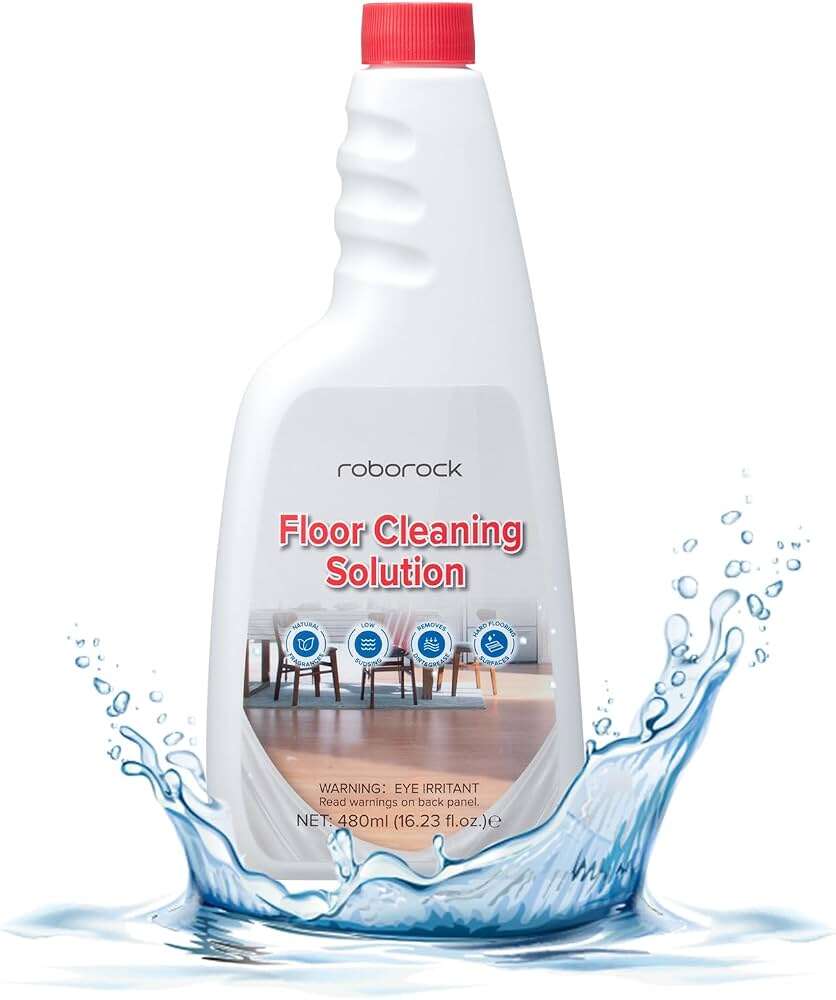
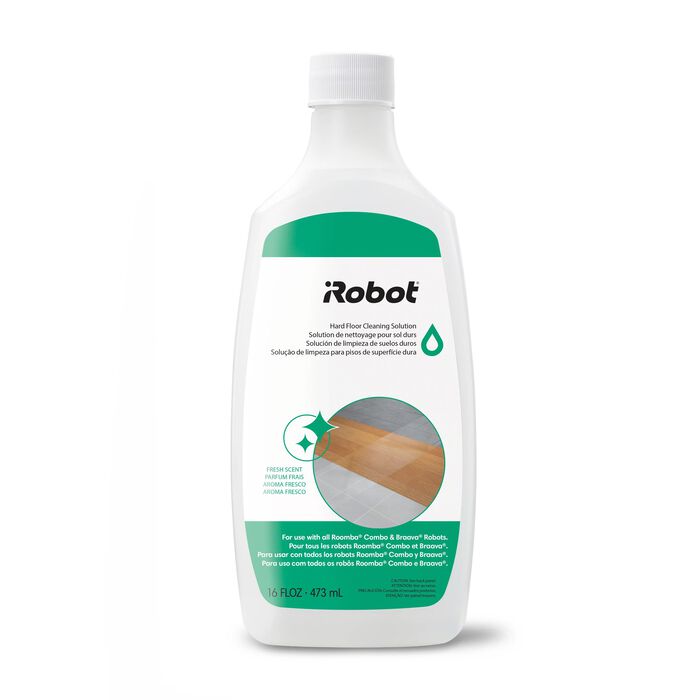
Some brands sell a cleaning solution made for their own robot mop models. These products are tested for the machine’s tank, pump, and floor pad. Even then, you must follow the stated dilution ratio.
If the manual says to use water only, treat that instruction as final. A clean-smelling floor is not worth damaging a costly robot.

Why regular floor cleaner can damage a robot vacuum
Understanding the risks helps explain why the answer to “can you use floor cleaner in robot vacuum” is usually no.
It may create too much foam
Many floor cleaners contain surfactants. These help lift dirt, but they can also create bubbles. Foam may enter the pump or spread into areas that should stay dry.
A foamy liquid can also confuse water level sensors. In severe cases, it may leak into the robot’s internal electronics.
It can clog small water lines
Robot mops use narrow tubes and tiny outlets. Thick cleaners, waxes, oils, and products with added particles may dry inside these parts.
Over time, the water flow may become weak or uneven. The robot may leave dry stripes on the floor or stop releasing water altogether.
It may damage seals and internal parts
Cleaning products can contain alcohol, solvents, acids, or strong alkaline ingredients. These chemicals may weaken rubber seals, plastic parts, or adhesives.
The damage may not appear after one use. It can develop slowly, much like a small crack in a garden hose.
It can leave a sticky residue
A cleaner that feels smooth in a bucket may dry badly when a robot spreads a very thin layer. The result can be a dull, sticky film that attracts more dust.
This is especially common with highly concentrated products or formulas designed for manual mopping.
It may affect your warranty
Robot vacuum warranties often exclude damage caused by unsuitable liquids or unauthorized cleaning products. If the manual says “water only,” using another liquid could make a repair claim harder.
Always check the care guide before experimenting.

Which floor cleaners are unsafe for robot vacuums?
When asking “can you use floor cleaner in robot vacuum,” it is important to separate ordinary household cleaners from robot-safe formulas.
Avoid putting these products in the water tank unless your manufacturer gives specific approval:
• Bleach or chlorine-based cleaners
• Ammonia-based cleaners
• Vinegar or other acidic liquids
• Dish soap
• Laundry detergent
• Disinfectants
• Essential oils
• Wax or polish
• Oil-based cleaners
• Carpet cleaning solution
• Strong degreasers
• High-foam floor cleaners
• Homemade cleaning mixtures
Bleach and ammonia can also produce dangerous fumes when mixed with other products. Never combine household chemicals in a robot tank, bucket, or spray bottle.
Essential oils may smell pleasant, but they can leave an oily coating. That coating may build up on the tank, wheels, mop pad, and floor.

When can you use cleaning solution in a robot mop?
You may use a cleaning solution only when the manufacturer specifically permits it. Look for clear instructions in the manual, mobile app, product page, or official support guide.
A suitable product usually has these features:
• It is made for the exact robot brand or model
• It is low-foam or foam-free
• It has a clear dilution guide
• It is safe for the robot’s pump and seals
• It is approved for the floor types in your home
Do not assume that a solution made for one robot works in another. Even models from the same brand may use different tanks and pumps.
If the instructions allow a branded formula, measure it carefully. More cleaner does not mean cleaner floors. Extra product can increase residue, foam, and wear.

What should you put in a robot vacuum mop tank?
For many models, plain, clean water is the safest choice. Use cool or room-temperature water unless the manufacturer says otherwise.
Avoid hot water. High heat can damage plastic tanks, seals, or internal components. Tap water may work well, but homes with hard water may see mineral buildup over time.
If hard water is a problem, check the manual before using distilled or filtered water. Some manufacturers allow it, while others give different care instructions.
A good basic routine is simple:
-
Empty the dirty water tank after each mopping run.
-
Rinse the clean water tank when needed.
-
Wipe the tank opening and cap.
-
Wash the mop pad according to the care guide.
-
Let removable parts dry before storing them.
-
Check the water outlets for buildup.
This routine often improves results more than adding extra cleaner.
How to use an approved robot vacuum cleaning solution
If your robot supports cleaning solution, use it with care. The safest method is to follow the exact steps in the manual.
-
Confirm that the solution is approved for your model.
-
Read the required dilution ratio.
-
Measure the product with a small cup or dosing cap.
-
Add water and solution in the order listed by the manufacturer.
-
Do not exceed the maximum tank line.
-
Run the robot in a small area first.
-
Check the floor for streaks, stickiness, or discoloration.
-
Rinse the tank if the robot behaves unusually.
Never pour undiluted concentrate into the tank unless the instructions specifically require it. Concentrated liquid can be much harsher than the diluted solution used on the floor.
In my experience with robot mop troubleshooting, user error often starts with good intentions. People add extra cleaner because they want a fresher scent or deeper clean. The robot usually does better with less product, not more.
Is water-only mopping effective?
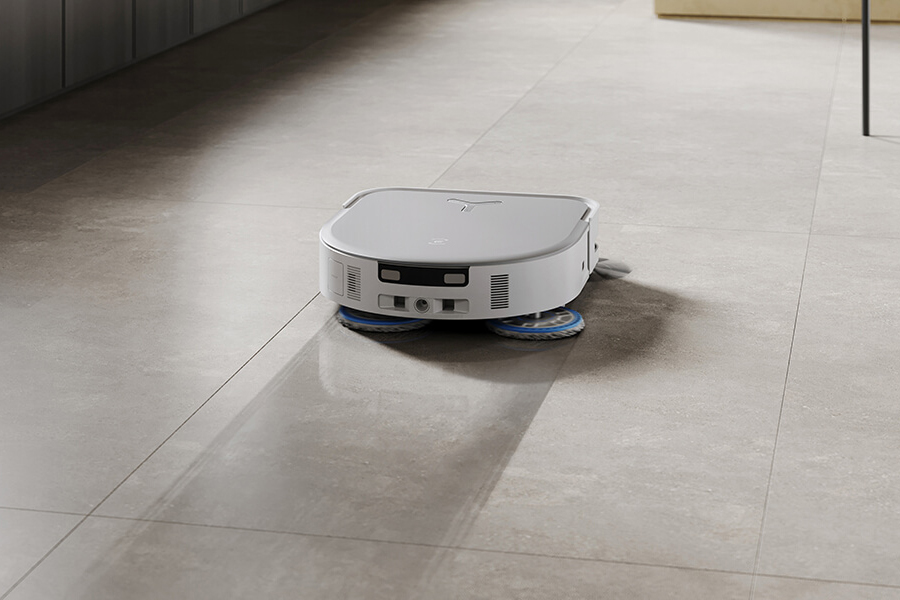
Yes, water-only mopping can remove a surprising amount of everyday dirt. A robot mop can pick up light dust, crumbs, footprints, and fresh spills when the floor is already vacuumed.
Water alone may not remove greasy cooking residue, dried food, or heavy stains. For those areas, spot cleaning by hand is often more effective than changing the robot’s formula.
Think of a robot mop as a maintenance tool. It keeps floors fresh between deeper cleanings. It is not a replacement for a bucket, scrub brush, or targeted stain treatment.
For better water-only results: