How To Make Cold Brew Coffee With Ground Coffee: Easy Guide
To make cold brew coffee with ground coffee, steep coarse grounds in cold water for 12 to 24 hours, then strain.
Learning how to make cold brew coffee with ground coffee is simple, but small details shape the final cup. The right grind, water ratio, steep time, and filter can turn ordinary coffee into a smooth, rich drink with low bitterness. This guide shares a tested method, common mistakes, storage advice, and easy ways to adjust your brew at home.
What Is Cold Brew Coffee?
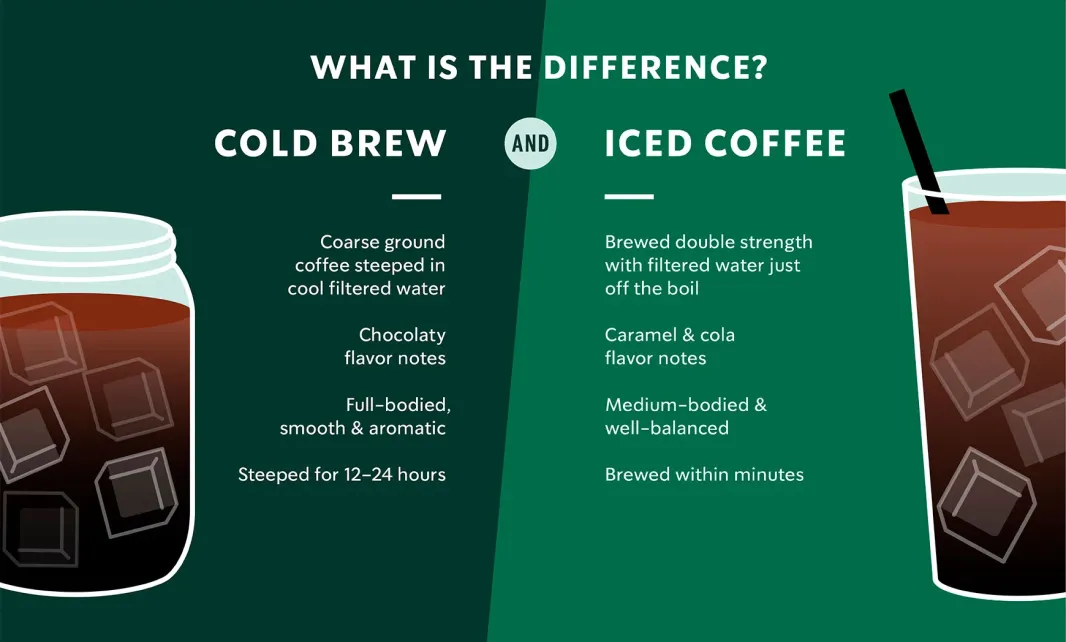
Cold brew coffee is coffee made by steeping ground coffee in cool or room-temperature water. Unlike iced coffee, which starts as hot coffee poured over ice, cold brew never needs heat during brewing.
The slow process pulls flavor from the coffee over many hours. It often creates a drink that tastes smooth, sweet, and full-bodied. Still, cold brew is not automatically less acidic or more caffeinated. Its caffeine level depends on the coffee-to-water ratio, steep time, serving size, and whether you dilute the finished brew.
When learning how to make cold brew coffee with ground coffee, think of the process as gentle extraction. Hot water works fast. Cold water works slowly, like a quiet conversation that reveals more over time.
Cold brew concentrate versus ready-to-drink cold brew
There are two common styles:
• Cold brew concentrate uses more coffee grounds and must be diluted before drinking.
• Ready-to-drink cold brew uses more water during brewing and can usually be served over ice right away.
Both methods work well. Concentrate saves space in the refrigerator and gives you more control over strength. Ready-to-drink cold brew is easier when you want a quick glass without measuring extra water.
What You Need to Make Cold Brew With Ground Coffee
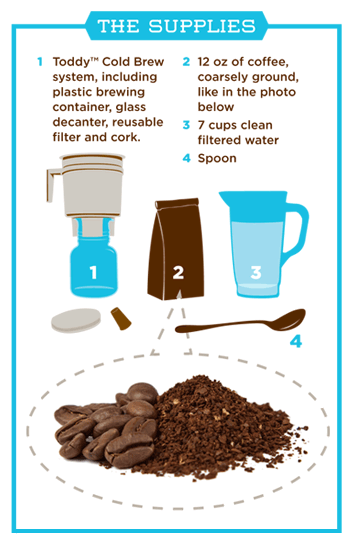
You do not need special equipment. A jar, pitcher, or French press can make a good batch. The most important tool is a reliable filter.
Gather these items:
• Ground coffee, preferably coarse ground
• Cold or room-temperature filtered water
• A large jar, pitcher, or French press
• A kitchen scale or measuring cup
• A fine-mesh strainer
• A paper coffee filter, cheesecloth, or reusable cold brew filter
• A clean container with a lid for storage
A kitchen scale gives the most consistent results. Coffee grounds can vary in size, so “one cup of coffee” may weigh very differently from one brand to another.
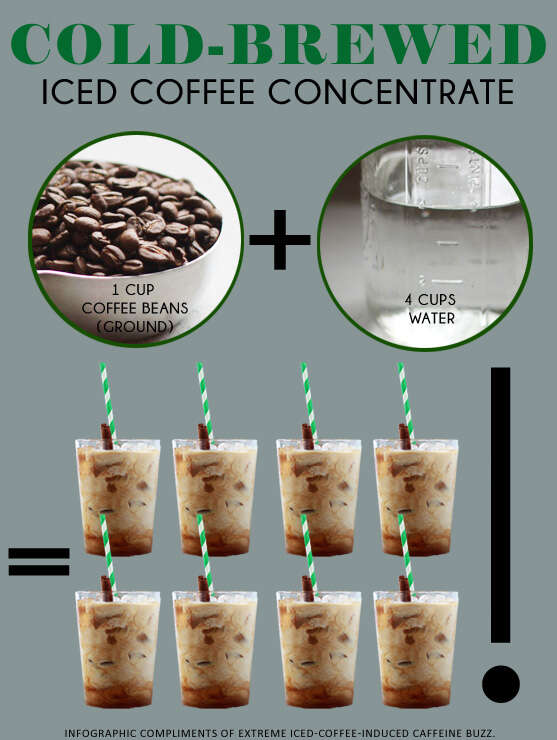
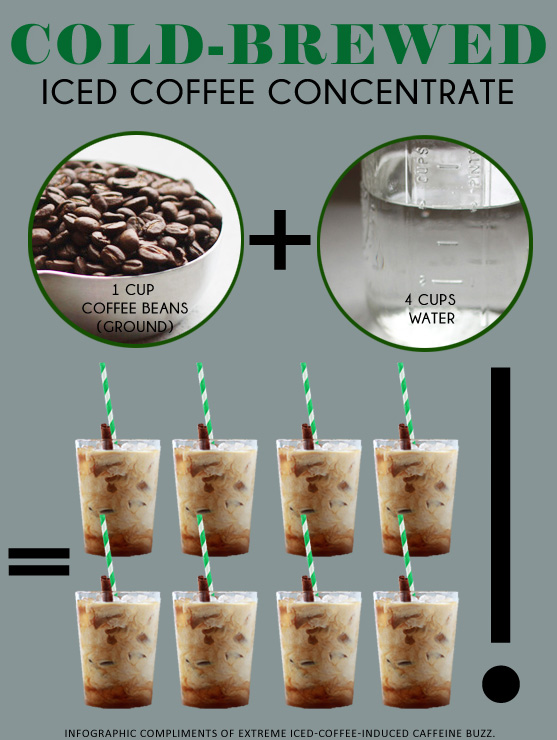
For a balanced concentrate, start with a 1:4 coffee-to-water ratio by weight. For example, use 100 grams of coffee with 400 grams of water. For ready-to-drink cold brew, try a 1:8 ratio, such as 100 grams of coffee with 800 grams of water.
If you do not have a scale, use about 1 cup of coarse ground coffee for 4 cups of water when making concentrate. For ready-to-drink cold brew, use about 1 cup of coffee grounds for 8 cups of water. These volume measurements are less exact, so adjust after your first batch.
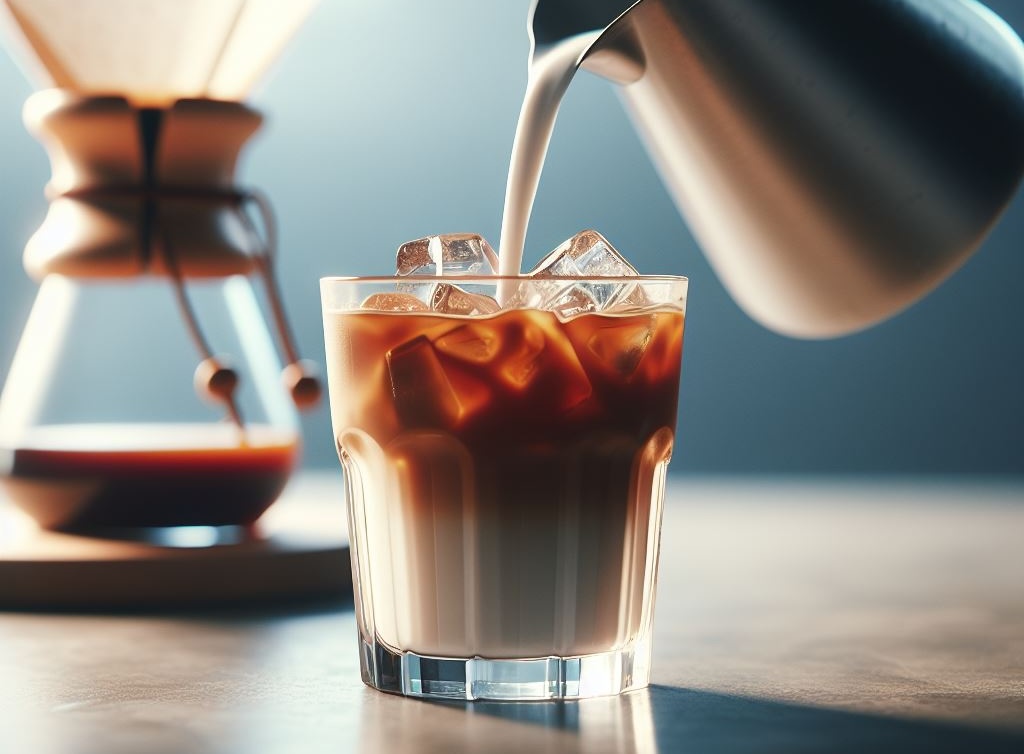
How to Make Cold Brew Coffee With Ground Coffee
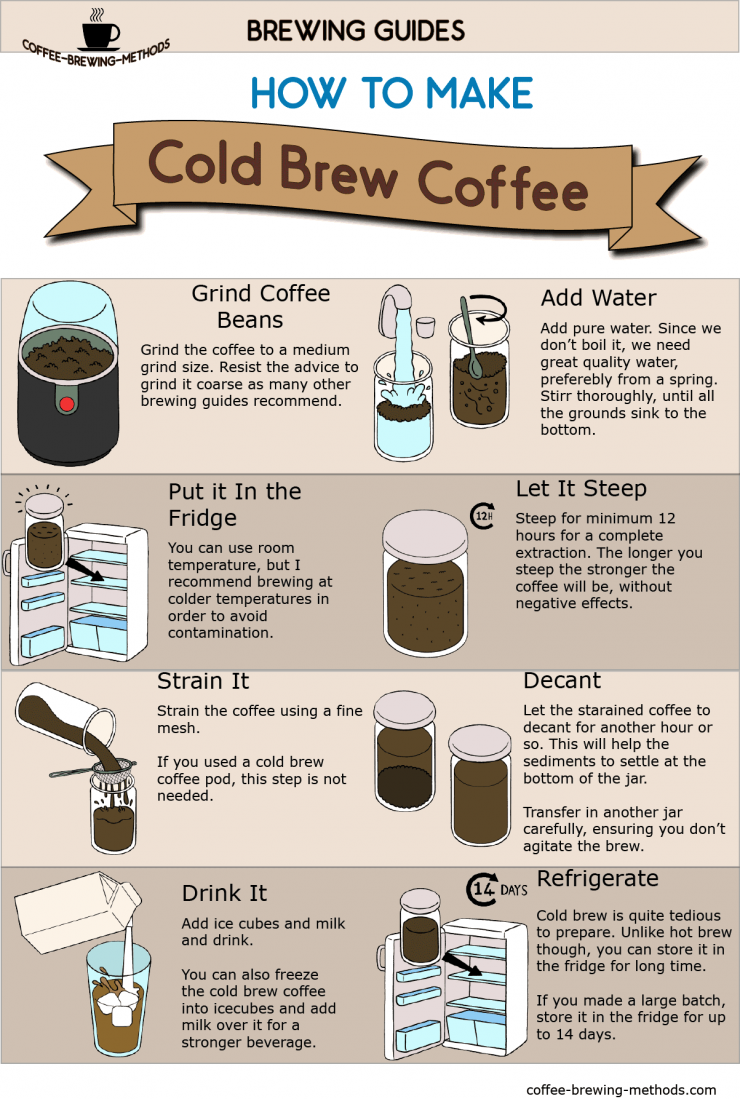
This method produces a strong concentrate that you can dilute with water, milk, or ice.
Step 1: Choose and measure the coffee
use fresh coffee beans ground just before brewing if possible. A medium or dark roast can create chocolate, caramel, and nutty notes. A light roast may taste brighter and more floral.
For a first batch, measure:
• 100 grams of coarse ground coffee
• 400 grams, or about 1¾ cups, of filtered water
This ratio is a starting point, not a strict rule. If you prefer a mild drink, use more water. If you like a bold café-style cup, keep the concentrate strong and dilute it later.
Step 2: Add the grounds and water
Place the coffee grounds in a jar or pitcher. Slowly add the water, making sure every ground becomes wet.
Stir gently with a spoon. Do not whip or shake the mixture hard. A calm stir is enough to prevent dry pockets and promote even extraction.
Step 3: Cover and steep
Cover the container and leave it at room temperature for 12 to 16 hours. You can also steep it in the refrigerator, but cold water slows extraction and may require 18 to 24 hours.
A 12-hour steep often tastes lighter and cleaner. A 16-hour steep usually gives more body. Beyond 24 hours, the coffee may taste woody, dull, or overly heavy.
This is one of the most important parts of how to make cold brew coffee with ground coffee. Time is not a substitute for balance. A longer steep does not always create better coffee.
Step 4: Strain the brew
First, pour the mixture through a fine-mesh strainer to remove most of the grounds. Then filter it again through a paper coffee filter or clean cheesecloth.
The second filter takes more time, but it removes fine particles that can create a muddy texture. Pour slowly and avoid pressing the grounds. Pressing can push bitter sediment into the final drink.
Step 5: Dilute and serve
Mix the concentrate with water before serving. Start with equal parts concentrate and water, then adjust to taste.
Pour the drink over ice and add any of these:
• Cold water for a clean, bold cup
• Milk or cream for a softer drink
• Oat milk for a sweet, creamy texture
• Simple syrup for extra sweetness
• A pinch of cinnamon for warm spice
Keep in mind that ice melts and adds water. If your drink tastes perfect before the ice melts, it may taste weak later. A stronger concentrate can help balance that change.

The Best Coffee Grounds for Cold Brew
Coarse ground coffee is usually the best choice for cold brew. It looks similar to rough sea salt. Coarse grounds are easier to filter and reduce the chance of a bitter, gritty drink.
Avoid very fine grounds made for espresso. Fine coffee can clog paper filters, create heavy sediment, and extract too much during a long steep.
Medium-coarse grounds can work if your filter is strong and your brew time is shorter. If the coffee tastes harsh, switch to a coarser grind or reduce the steep time.
Freshness matters, too. Use coffee within a few weeks of its roast date when possible. Stale coffee can still make cold brew, but its flavor may seem flat. Since cold water does not highlight aroma as strongly as hot water, fresh grounds make a noticeable difference.
For your first batch, choose a coffee with familiar flavors. A medium roast from Colombia, Brazil, or Guatemala is often a friendly starting point. Once you understand the method, try fruit-forward light roasts or rich dark roasts.
:max_bytes(150000):strip_icc()/Simply-Recipes-Cold-Brew-Coffee-LEAD-16-428691bcdd594281b2f5dc6dbc8235e4.jpg)
The Best Water and Coffee-to-Water Ratio
Water makes up most of your cold brew, so its taste matters. Filtered water is often better than heavily chlorinated tap water. Avoid distilled water if possible because it may produce a thin or dull cup.
Use these ratios as a simple guide:
• 1:4 ratio: strong concentrate for dilution
• 1:6 ratio: rich but easier to drink
• 1:8 ratio: ready-to-drink cold brew
• 1:10 ratio: lighter, softer cold brew
The ratio changes strength, but it does not control every part of flavor. Grind size, roast level, steep time, and water quality all matter.
When testing how to make cold brew coffee with ground coffee, change only one variable at a time. For example, keep the ratio the same but shorten the steep from 16 hours to 12 hours. This makes it easier to understand what improved the taste.
How Long Should Cold Brew Steep?
Most cold brew needs 12 to 24 hours. The best steep time depends on your grind, water temperature, ratio, and taste preference.
Use this simple guide:
• 12 hours: lighter body and brighter flavor
• 14 to 16 hours: balanced and smooth
• 18 to 24 hours: stronger body and deeper flavor
Room-temperature steeping extracts faster than refrigerator steeping. If you brew on the counter, strain the coffee after about 12 to 16 hours. If you brew in the refrigerator, give it closer to 18 to 24 hours.
I have found that over-steeping is a common home mistake. People often expect more time to create more flavor, but the result can be dry or bitter. If your coffee tastes rough, reduce the steep time before changing everything else.
Common Cold Brew Mistakes and How to Fix Them
Even a simple recipe can go wrong. Most problems have an easy solution.
Cold brew tastes bitter
Try a shorter steep time, a coarser grind, or a weaker ratio. Fine grounds and long brewing can pull out harsh flavors.
Cold brew tastes weak
Use more coffee, less water, or a longer steep. Also check that your grounds were fully wet at the start.
Cold brew tastes sour
Sour flavor can come from under-extraction. Steep longer, use a slightly finer grind, or brew at room temperature instead of in the refrigerator.
Cold brew has grit
Use a second filtration step. A paper coffee filter removes more fine particles than a basic mesh strainer.
Cold brew tastes flat
Use fresher coffee and better water. A very dark roast may also lose its lively flavor during a long cold steep.
The filter drains too slowly
Your grounds may be too fine, or the filter may be overloaded. Strain in smaller batches and avoid pressing the grounds.
The best way to improve how to make cold brew coffee with ground coffee is to keep notes. Write down the coffee amount, water amount, grind, steep time, and taste. This turns guesswork into a simple home experiment.

How to Store Homemade Cold Brew
Transfer strained cold brew to a clean, covered container. Store it in the refrigerator at 40°F or below.
For best flavor, drink homemade cold brew within 7 to 10 days. The coffee may remain usable longer, but its taste can fade or change. Always discard it if you notice mold, an unusual smell, or a fizzy appearance.
Store the concentrate separately from milk, cream, or sweeteners. Dairy and plant milk have shorter storage lives than black coffee.
Cold brew is convenient for busy mornings. You can prepare a batch on Sunday, store it in a sealed bottle, and pour a serving each day. Just keep the container cold and clean.
Ways to Customize Cold Brew Coffee
Once you know how to make cold brew coffee with ground coffee, you can adapt it to your taste.
Make vanilla cold brew
Add a small amount of vanilla syrup after dilution. You can also steep a split vanilla bean with the coffee, but remove it before storage.
Make a mocha cold brew
Stir in chocolate syrup or a little unsweetened cocoa mixed with warm water. Add milk for a smooth café-style drink.
Make a dairy-free cold brew
Oat milk works well because it has a creamy texture and gentle sweetness. Almond milk creates a lighter drink, while coconut milk adds a noticeable tropical flavor.
Make cold brew ice cubes
Freeze leftover cold brew in an ice tray. Use the cubes in your next glass so melting ice does not water down the drink.
Make a sparkling coffee drink
Dilute cold brew with chilled sparkling water. Add citrus peel or a small splash of simple syrup for a bright summer drink.
These additions are best made after brewing. Flavoring the full batch can make storage and adjustment harder.
Is Cold Brew Healthier Than Hot Coffee?
Cold brew and hot coffee can both fit into a balanced diet. Neither is automatically healthier for everyone.
The main nutritional difference often comes from what you add. Sugar, flavored syrup, cream, and sweetened milk can add many calories. Black cold brew has very few calories, but it may contain a substantial amount of caffeine.
Caffeine levels vary widely. A concentrated cold brew can contain more caffeine per ounce than regular brewed coffee, especially if you drink a large serving. If you are sensitive to caffeine, start with a small glass and dilute it well.
People who are pregnant, have heart concerns, take certain medicines, or react strongly to caffeine should ask a qualified health professional about a suitable daily amount. Coffee acidity also affects people differently, so pay attention to your own response.
My Practical Tips for Better Cold Brew
After testing different ratios and steep times, I rely on a few simple habits.
• Weigh the coffee when possible because consistency matters more than fancy equipment.
• Grind the beans just before brewing for a fuller aroma.
• Wet all the grounds before starting the timer.
• Use coarse grounds to make straining easier.
• Taste the concentrate before diluting the whole batch.
• Label the container with the brew date.
• Keep a small record of each recipe.
One mistake I made early on was using fine coffee because it looked stronger. The brew did taste intense, but it was muddy and bitter. Switching to coarse grounds and filtering twice made a bigger improvement than buying new equipment.
Another useful lesson is to dilute by taste rather than following a rigid rule. Coffee changes with roast, bean origin, and age. A 1:1 dilution may be perfect for one batch and too strong or too weak for another.
Frequently Asked Questions About How to Make Cold Brew Coffee With Ground Coffee
Can I use regular ground coffee for cold brew?
Yes, you can use regular pre-ground coffee, but coarse ground coffee usually gives a cleaner result. If the grounds are fine, shorten the steep time and filter the brew carefully to reduce bitterness and sediment.
How much ground coffee do I need for cold brew?
For concentrate, start with 1 part coffee to 4 parts water by weight. For ready-to-drink cold brew, use about 1 part coffee to 8 parts water, then adjust the strength to your taste.
Can I make cold brew with hot water?
You can make a quick cold coffee by brewing with hot water and cooling it, but that is iced coffee rather than traditional cold brew. True cold brew uses cool or room-temperature water during the full extraction.
Should cold brew steep in the refrigerator or on the counter?
Both methods work. Room-temperature brewing usually takes about 12 to 16 hours, while refrigerator brewing may need 18 to 24 hours because the colder water extracts more slowly.
How long does homemade cold brew last?
Homemade cold brew usually tastes best within 7 to 10 days when stored in a clean, sealed container in the refrigerator. Throw it away if it develops mold, an odd smell, or a fizzy texture.
Why is my cold brew bitter?
Bitterness often comes from fine grounds, too much coffee, or an overly long steep. Use coarse grounds, reduce the brewing time, or dilute the concentrate more before serving.
Does cold brew have more caffeine than hot coffee?
It can, especially when served as a concentrate or in a large portion. Caffeine varies by coffee type, ratio, steep time, and serving size, so cold brew is not automatically higher or lower in caffeine.
Conclusion
Learning how to make cold brew coffee with ground coffee takes only coffee, water, time, and a good filter. Start with coarse grounds, use a measured ratio, steep for 12 to 24 hours, and dilute the finished concentrate to taste.
Your first batch may not be perfect, and that is normal. Adjust one detail at a time, keep notes, and soon you will have a smooth homemade drink that costs less than a café order. Try the basic recipe this week, then share your favorite ratio or flavor twist in the comments.

Liora Pennings is a seasoned chef and kitchen enthusiast with a passion for turning everyday cooking into an effortless experience. With years of hands-on culinary expertise, she specializes in practical techniques, ingredient know-how, and smart kitchen solutions that help home cooks elevate their meals. At KitchFlair.com, Liora shares her best tips, time-saving tricks, and honest product reviews to guide readers toward a more efficient, enjoyable, and inspired cooking routine. Whether you’re a beginner or a seasoned home chef, Liora’s friendly, knowledge-packed insights make every visit to the kitchen a little easier—and a lot more delicious.