How Do You Use A Coffee Maker: Easy Step-By-Step Guide
Add water, place coffee grounds in the filter, and press Start to brew a fresh pot.
Learning how to use a coffee maker is simple once you understand the basic parts: the water tank, filter basket, coffee grounds, carafe, and brew switch. This guide explains how to use a coffee maker safely and well, whether you have a classic drip machine, a single-serve model, or a programmable brewer.
What You Need Before Using a Coffee Maker
Before learning how to use a coffee maker, gather a few simple items. Most drip coffee machines need clean water, ground coffee, a paper or reusable filter, and a clean carafe.
You should also place the machine on a flat, dry surface near an outlet. Keep it away from the edge of the counter, sink water, children, and anything that could melt from heat.
You will need:
• A coffee maker
• Fresh, cool drinking water
• Ground coffee
• A paper filter or reusable filter
• A coffee mug or carafe
• A spoon, if you want to stir the coffee
Check the user manual before your first brew. Coffee makers look alike, but water tanks, filter sizes, and control buttons can differ.

How Do You Use a Coffee Maker? Step-by-Step
The easiest way to understand how do you use a coffee maker is to follow the same order each time. Add water, add coffee, check the parts, and start the brew cycle.
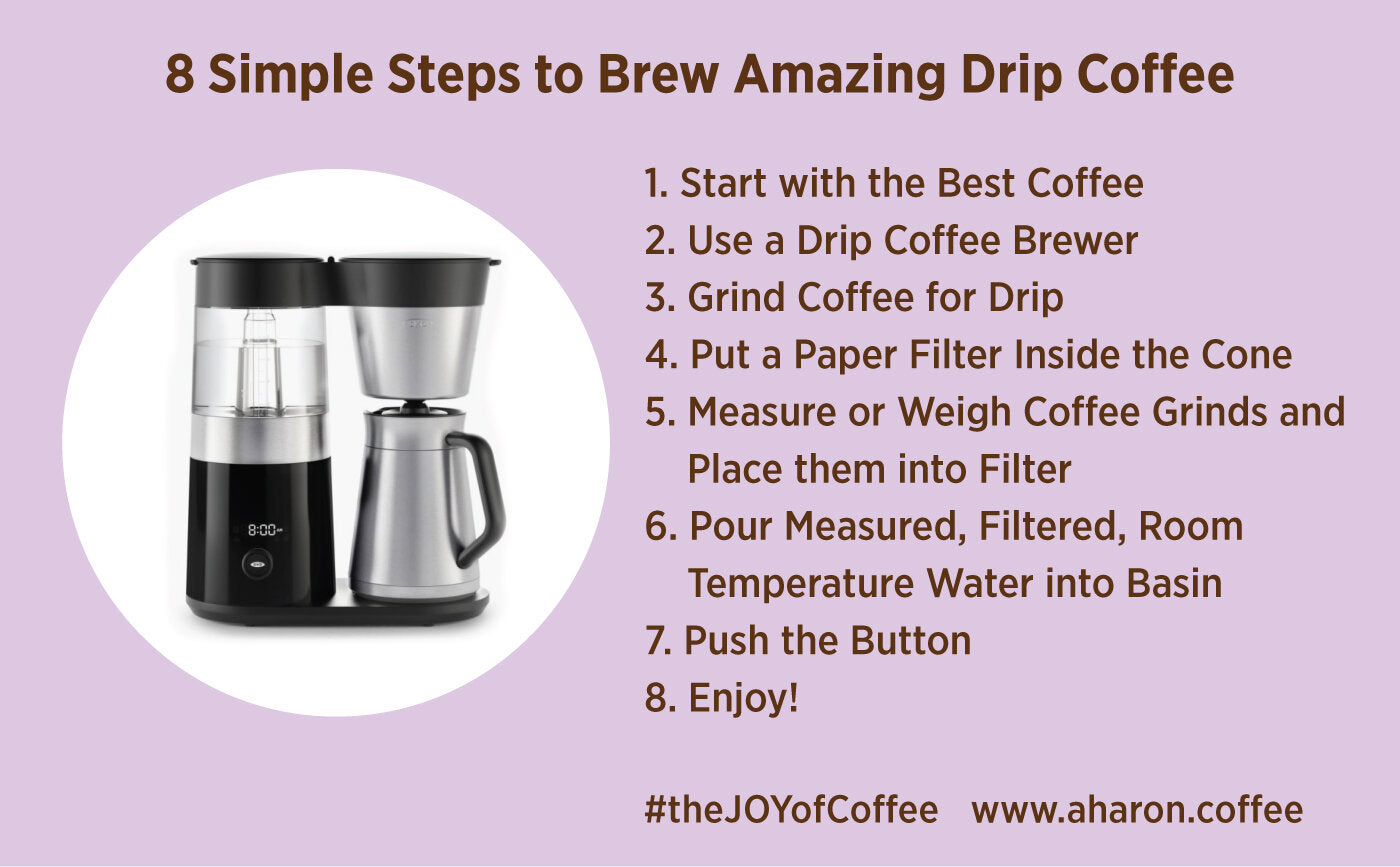
1. Clean the coffee maker
If the machine is new, rinse the carafe and removable parts with warm water. You can also run one water-only cycle before making coffee.
If the machine has been used before, check for old grounds, coffee oil, or standing water. These can make your coffee taste bitter or stale.
2. Fill the water reservoir
Pour fresh, cool water into the machine’s water tank. Use the measurement marks on the tank or carafe.
Do not fill above the maximum line. Too much water can overflow the basket or produce a weak brew. For the best taste, use filtered tap water if your tap water has a strong odor or mineral taste.
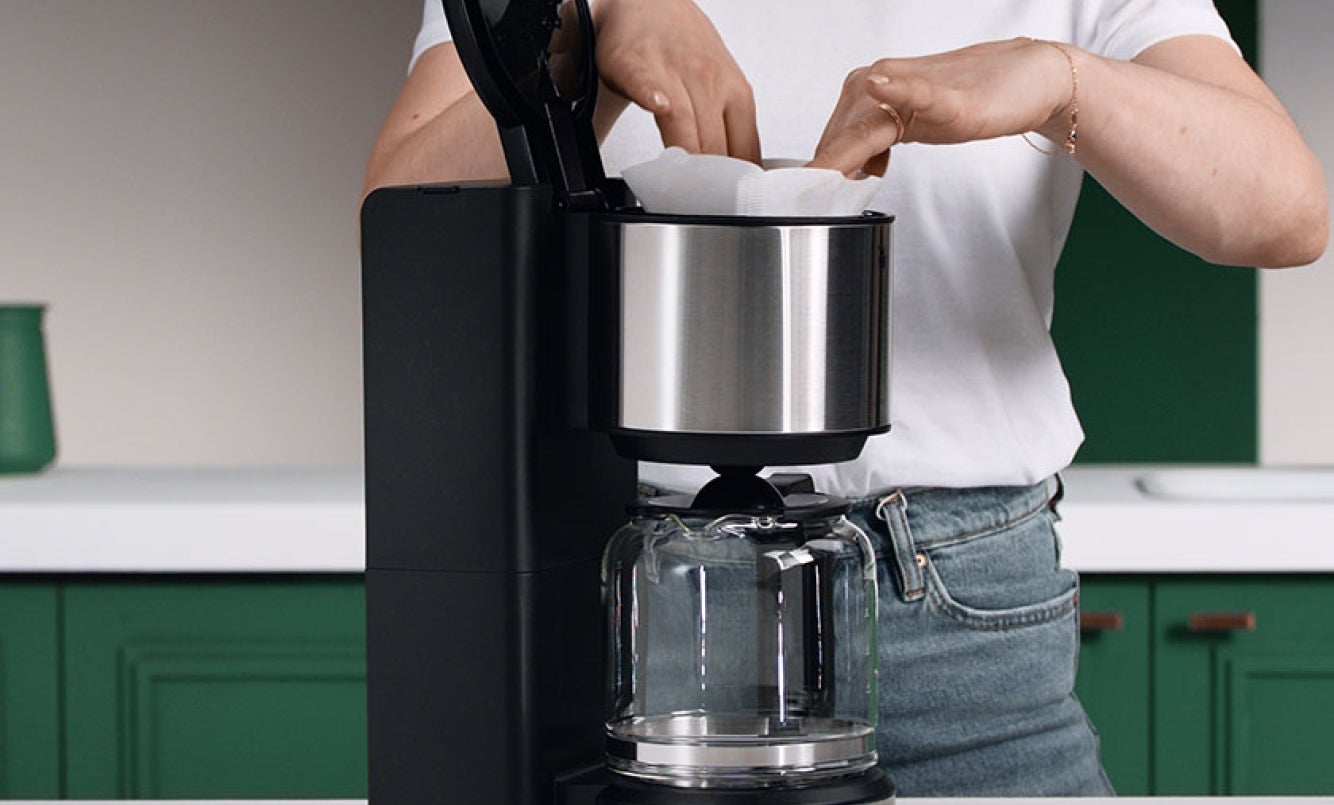
3. Add the filter
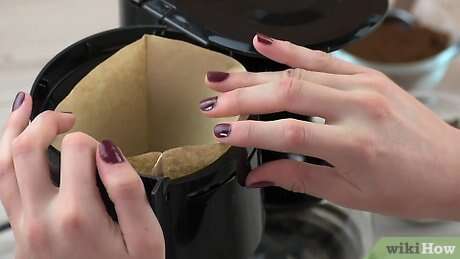
Place the correct paper filter into the filter basket. Make sure the filter sits flat and does not fold over the sides.
Some coffee makers use a permanent mesh filter. If yours does, check that it is clean and firmly seated before adding grounds.
4. Measure the coffee grounds
Add medium-ground coffee to the filter. A useful starting point is about 1 to 2 level tablespoons of coffee for every 6 fluid ounces of water.
For a stronger cup, use more coffee rather than less water. For a lighter cup, reduce the grounds slightly. Avoid packing the grounds down because water needs to flow through them evenly.
5. Put the carafe in place
Set the empty carafe on the warming plate. It must sit correctly under the filter basket.
Many coffee makers have a small valve that stops coffee from flowing when the carafe is removed. If the carafe is not in the right position, coffee may collect in the basket and spill.
6. Start the brew cycle
Close the lid and press the Brew, Start, or Power button. The machine will heat the water and send it through the grounds.
Do not open the filter basket during brewing unless the manual says it is safe. Hot water and steam can cause burns.
7. Wait for the coffee to finish
Most drip coffee makers take about 5 to 10 minutes, depending on the amount of coffee. Wait until the dripping stops before removing the carafe.
Stir the coffee in the carafe before pouring. This helps mix the stronger coffee from the first part of the brew with the lighter coffee from the final part.
8. Serve and store the coffee
Pour the coffee into a mug and add milk, cream, sugar, or another ingredient if you like.
A warming plate can keep coffee hot, but it may make the coffee taste burnt after about 20 to 30 minutes. Move extra coffee to a thermal carafe if you plan to drink it later.
This basic process answers how do you use a coffee maker for most standard drip machines. Always follow the machine’s manual when its controls or parts work differently.
How Much Coffee and Water Should You Use?
Coffee strength depends on the amount of water, the amount of grounds, the grind size, and the roast. A reliable starting ratio is about 1 gram of coffee for every 15 to 18 grams of water.
Most home users do not weigh their coffee. In that case, try this simple guide:
• 2 cups: 2 to 4 tablespoons of grounds
• 4 cups: 4 to 8 tablespoons of grounds
• 6 cups: 6 to 12 tablespoons of grounds
• 8 cups: 8 to 16 tablespoons of grounds
Coffee maker “cups” are often smaller than regular drinking cups. One machine cup may equal about 5 or 6 fluid ounces, while a standard US mug may hold 10 to 12 ounces.
Start with a medium amount of coffee, taste the result, and adjust it next time. This is more useful than following one fixed rule because people have different preferences.
How to fix weak coffee
Weak coffee often comes from too much water, too few grounds, or a grind that is too coarse. Use slightly more coffee or choose a medium grind made for drip brewers.
How to fix bitter coffee
Bitter coffee may result from too many grounds, very fine grounds, old coffee, or water that is too hot. Clean the machine and try a slightly smaller dose of fresh, medium-ground coffee.

How Do You Use a Coffee Maker for Better-Tasting Coffee?
Knowing how do you use a coffee maker is only the first step. The quality of the ingredients and the cleanliness of the machine also shape the final cup.
Use coffee that is as fresh as possible. Once coffee is ground, it loses aroma faster than whole beans. Store it in an airtight container away from heat, light, and moisture.
Water makes up most of brewed coffee, so its quality matters. If your tap water tastes clean, it will usually work well. If it tastes heavily chlorinated or metallic, filtered water may improve the flavor.
Use a medium grind for most drip coffee makers. Fine grounds can slow the flow and cause bitter coffee. Coarse grounds may allow water to pass too quickly and produce weak coffee.
A few practical habits can improve your results:
• Rinse a paper filter before brewing if you notice a paper taste.
• Use level scoops for more consistent strength.
• Do not reuse wet coffee grounds.
• Brew only the amount you expect to drink.
• Stir a full carafe before serving.
• Keep the lid closed during brewing to hold the proper heat.
In my experience, the most common mistake is changing several things at once. If the coffee tastes wrong, change one factor at a time, such as the grind, water amount, or coffee dose. This makes it easier to find the right balance.
How Do You Use Different Types of Coffee Makers?
The basic idea behind how do you use a coffee maker stays the same, but each type has a different process.
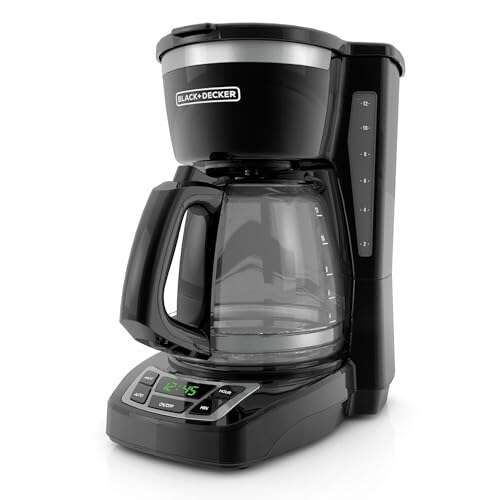
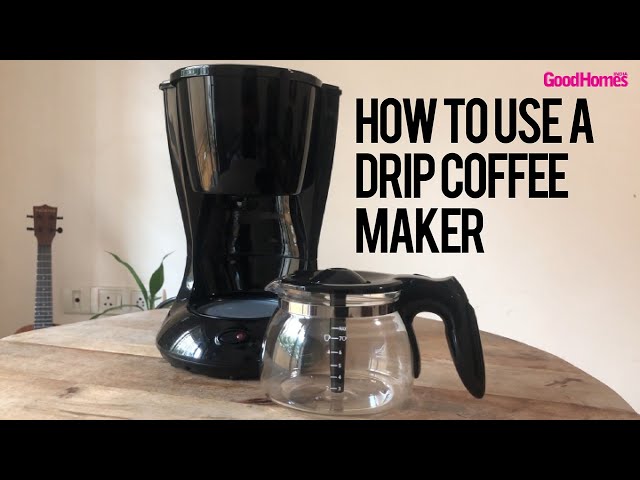
Drip coffee maker
A drip coffee maker heats water and sprays it over coffee grounds in a filter. The brewed coffee flows into a carafe below.
To use one, fill the tank, add a filter and grounds, place the carafe, and press Start. This is the most common method for making several cups at once.
Single-serve pod coffee maker
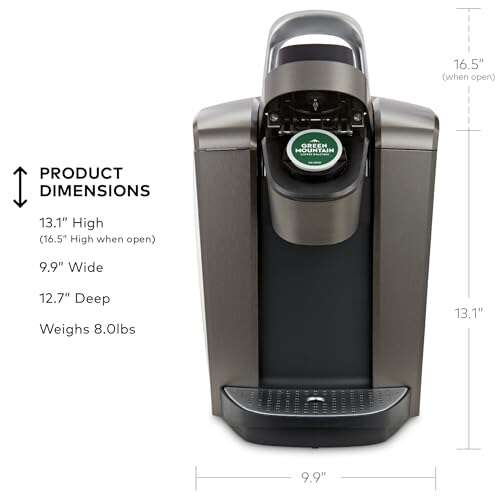
A pod machine uses a sealed capsule filled with coffee. Add water to the reservoir, insert the pod, place a mug under the outlet, and choose the cup size.
Check that your mug is tall enough for the drip tray. Remove the used pod after brewing so it does not become damp or moldy inside the machine.
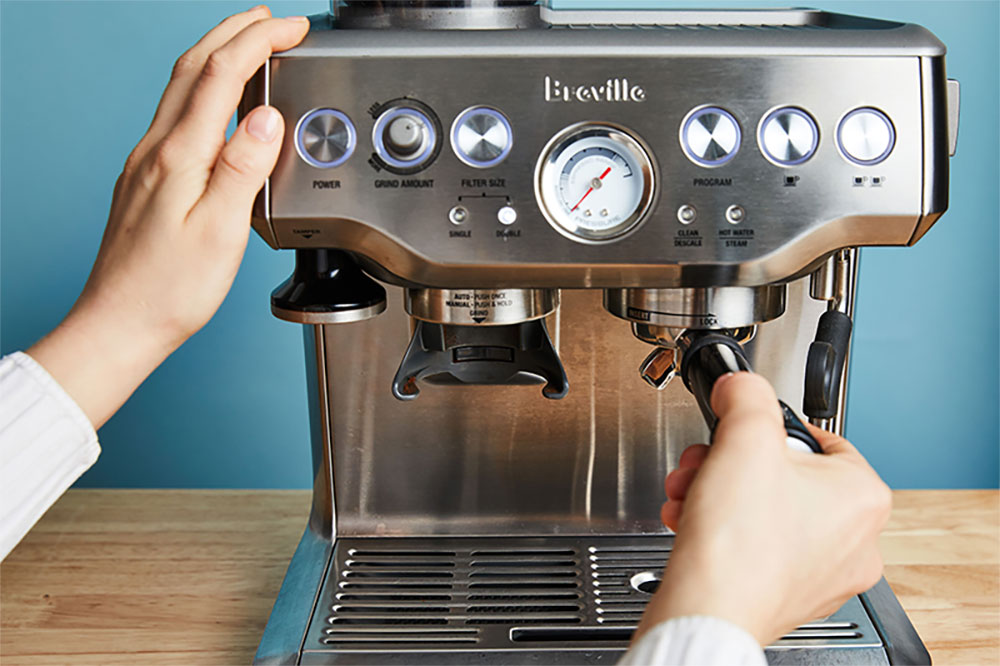
Espresso machine
An espresso machine uses pressure to push hot water through finely ground coffee. It requires more preparation than a drip brewer.
You usually need to grind and measure the coffee, distribute it in the portafilter, tamp it evenly, lock it into place, and start the shot. Espresso machines also need regular cleaning because milk and coffee oils can build up.
Thermal coffee maker
A thermal brewer sends coffee into an insulated carafe rather than onto a hot plate. It can keep coffee warm for longer without continued heating.
Preheating the carafe with hot water can help maintain temperature. Empty the warming water before starting the brew cycle.
Programmable coffee maker
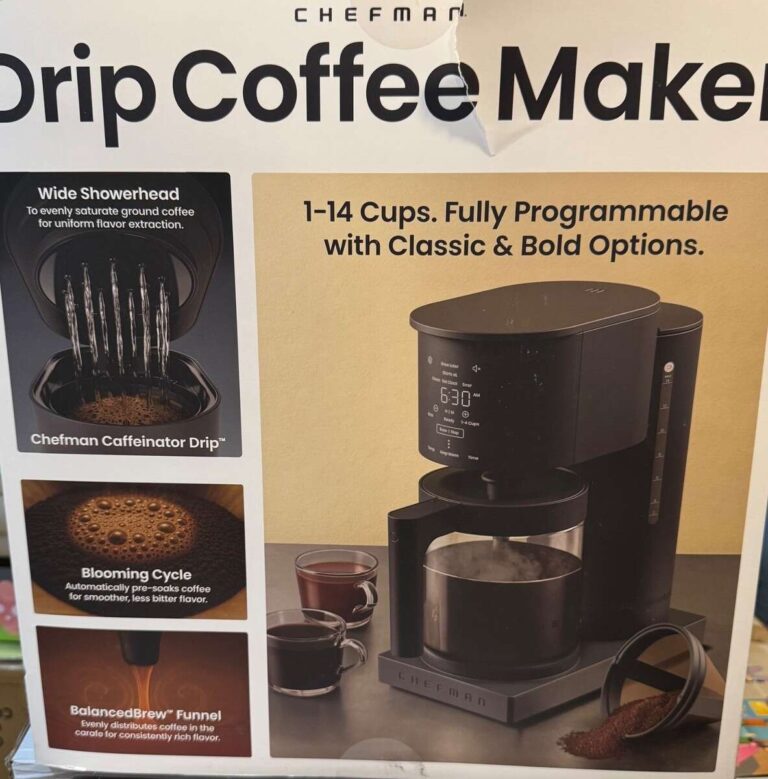
A programmable machine lets you set a future brew time. Add water and coffee the night before, then set the clock and program the start time.
Do not leave milk, cream, or other perishable ingredients in the machine. Add them only after brewing.
How Do You Use a Coffee Maker Safely?
Safety is an important part of how do you use a coffee maker. The machine combines electricity, hot water, steam, and heated surfaces.
Follow these safety tips:
• Keep the power cord and plug away from water.
• Do not touch hot plates, steam vents, or freshly brewed coffee.
• Use the handle when moving a full carafe.
• Unplug the machine before cleaning it deeply.
• Do not operate it if the cord is damaged.
• Never immerse the electrical base in water.
• Keep the machine on a stable, heat-safe surface.
• Let the brewer cool before removing internal parts.
Hot coffee can cause serious burns, especially for young children. Pour slowly, and avoid filling a mug to the very top.
Do not run a coffee maker without enough water. Some machines include protection against this problem, but it is still best to check the reservoir first.
:max_bytes(150000):strip_icc()/GettyImages-504262283-56acb83c3df78cf772b649f8.jpg)
How to Clean and Descale a Coffee Maker
Cleaning helps your coffee taste fresh and allows the machine to work properly. Coffee oils can collect in the basket and carafe, while minerals from water can form scale inside the heating system.
After each use:
- Throw away the used filter and grounds.
- Rinse the filter basket.
- Rinse the carafe with warm water.
- Leave removable parts open so they can dry.
- Wipe coffee spills from the warming plate.
Wash the carafe and filter basket with mild dish soap when needed. Do not use rough scrubbers on glass or plastic parts because scratches can hold residue.
Descaling removes mineral buildup. Use a manufacturer-approved descaling solution and follow the instructions for the correct amount. Some machines allow a diluted vinegar cycle, but vinegar may leave an odor and is not approved for every model.
A general descaling process looks like this:
- Empty the coffee maker.
- Add the approved descaling solution and water.
- Run the cleaning cycle or a partial brew cycle.
- Let the solution sit if the manual recommends it.
- Run two or more cycles with clean water.
- Wash the carafe and basket before making coffee.
The right schedule depends on water hardness and how often you brew. Monthly cleaning may suit a daily user, while occasional users may need it less often. Your machine’s cleaning light or manual should guide you.

Common Mistakes to Avoid
Many problems come from small mistakes rather than a defective coffee maker. Knowing how do you use a coffee maker correctly can prevent weak coffee, spills, and unpleasant flavors.
Using the wrong grind
Very fine coffee can slow the flow in a drip machine. This may lead to over-extraction and bitter flavor.
Ignoring the water marks
A coffee maker’s cup lines do not always match standard US cup measurements. Read the markings carefully and measure your water consistently.
Leaving coffee on the hot plate too long
Heat continues to change the flavor after brewing. If you will not drink the coffee soon, use a thermal carafe.
Forgetting the filter basket
Some users add grounds but forget the paper or mesh filter. This can send grounds into the carafe and may clog the machine.
Reusing old grounds
Used grounds have already released much of their flavor. Reusing them usually creates thin, dull coffee.
Failing to clean the machine
A dirty coffee maker can produce stale flavors and slow brewing. Regular rinsing and descaling are simple ways to prevent this problem.
Filling the basket too high
Too many grounds can overflow during brewing. Stay below the maximum level marked on the filter basket.

Troubleshooting Coffee Maker Problems
If the coffee maker does not work, check the simple causes first. Make sure it is plugged in, the power switch is on, and the carafe is correctly positioned.
If the machine turns on but does not brew, the water tank may be empty or the internal system may need descaling. Mineral buildup can restrict water flow.
If the coffee overflows, check the filter size, ground amount, and basket position. A folded filter or blocked basket can stop water from draining normally.
If the coffee tastes strange, clean the carafe and run a water-only cycle. Old coffee oils, cleaning solution, stale grounds, and poor-tasting water can all affect flavor.
Contact the manufacturer if the machine leaks from the base, smells like burning plastic, repeatedly trips a circuit, or shows an error that cleaning does not fix. Do not open an electrical appliance unless you are qualified to repair it.
Frequently Asked Questions About How Do You Use a Coffee Maker
How much coffee should I put in a coffee maker?
Start with 1 to 2 level tablespoons of ground coffee for every 6 fluid ounces of water. Adjust the amount based on your preferred strength, the coffee roast, and the machine’s cup markings.
Do you put coffee or water in the coffee maker first?
Add water to the reservoir first, then place the filter and coffee grounds in the basket. This order helps you measure the water and prevents dry grounds from spilling into the machine.
Can I use tap water in a coffee maker?
Yes, tap water is usually fine if it tastes clean and is safe to drink. Filtered water may improve the flavor and reduce mineral buildup when your tap water is hard or strongly flavored.
How long does a coffee maker take to brew?
Most drip coffee makers take about 5 to 10 minutes for a full pot. The time depends on the machine, the amount of water, and its heating system.
How often should I clean my coffee maker?
Rinse the basket and carafe after every use, then descale the machine as often as the manual recommends. Daily users may need a deeper cleaning about once a month, especially in areas with hard water.
Can I leave water in a coffee maker overnight?
It is better to empty the reservoir after use. Standing water can become stale and may encourage residue or microbial growth inside a damp machine.
Why is my coffee maker making weak coffee?
Weak coffee may come from too much water, too few grounds, stale coffee, or a grind that is too coarse. Try using fresh medium-ground coffee and increase the grounds slightly.