Is A Mixing Bowl A Utensil: Kitchen Guide
Yes, a mixing bowl is generally considered a kitchen utensil because it helps prepare food.
The question “is a mixing bowl a utensil” sounds simple, but the answer depends on how we define the word utensil. In everyday cooking, a mixing bowl is a food preparation tool. It holds, combines, and supports ingredients, while its size, material, and shape affect how well it works. This guide explains the classification clearly, with practical examples for home cooks, bakers, students, and anyone choosing kitchen equipment.
Is a Mixing Bowl a Utensil?
Yes, a mixing bowl is usually classified as a kitchen utensil. A utensil is an object used to prepare, serve, or eat food. Since a mixing bowl helps you combine and handle ingredients, it fits this broad definition.
Still, the word “utensil” can have more than one meaning. Some people use it only for small hand tools, such as spoons, forks, whisks, and spatulas. Others use it as a broad term for kitchen tools and equipment.
In common kitchen language, a mixing bowl is a food preparation utensil or kitchen tool. It is not usually called a cooking utensil because it does not directly heat food. Instead, it supports tasks that happen before cooking or baking.
A mixing bowl may help you:
• Combine flour, sugar, and other dry ingredients
• Whisk eggs and milk
• Toss salad or pasta
• Knead or rest dough
• Marinate meat or vegetables
• Hold chopped ingredients
• Mix sauces, batters, and fillings
So, when someone asks, “is a mixing bowl a utensil,” the most useful answer is yes, in the broad and practical sense.

What Is the Difference Between a Utensil, Tool, and Piece of Cookware?
The terms utensil, tool, and cookware often overlap. Their meanings are not always strict, especially in everyday American English.
A utensil is commonly used to prepare, serve, or eat food. A spoon, whisk, ladle, fork, and mixing bowl can all fit this broad category.
A kitchen tool is an object that helps you complete a food-related task. This term is even broader. A can opener, grater, rolling pin, thermometer, and mixing bowl are all kitchen tools.
Cookware usually means containers made for cooking food with heat. Examples include:
• Pots
• Pans
• Dutch ovens
• Skillets
• Roasting pans
A mixing bowl is usually not cookware because most mixing bowls are not designed for direct heat. A stainless steel bowl may tolerate some heat, but that does not automatically make it cookware.
Tableware is another related term. Plates, cups, serving bowls, and dinner bowls are mainly used to serve or eat food. A mixing bowl is made mainly for preparation, not for dining.
This gives us a simple guide:
• Utensil: A broad food preparation or serving item
• Kitchen tool: Any object that helps with a kitchen task
• Cookware: A heat-safe item used to cook food
• Tableware: An item used to serve or eat food
These categories can overlap. That is why a mixing bowl can be both a utensil and a kitchen tool, while usually not being cookware.
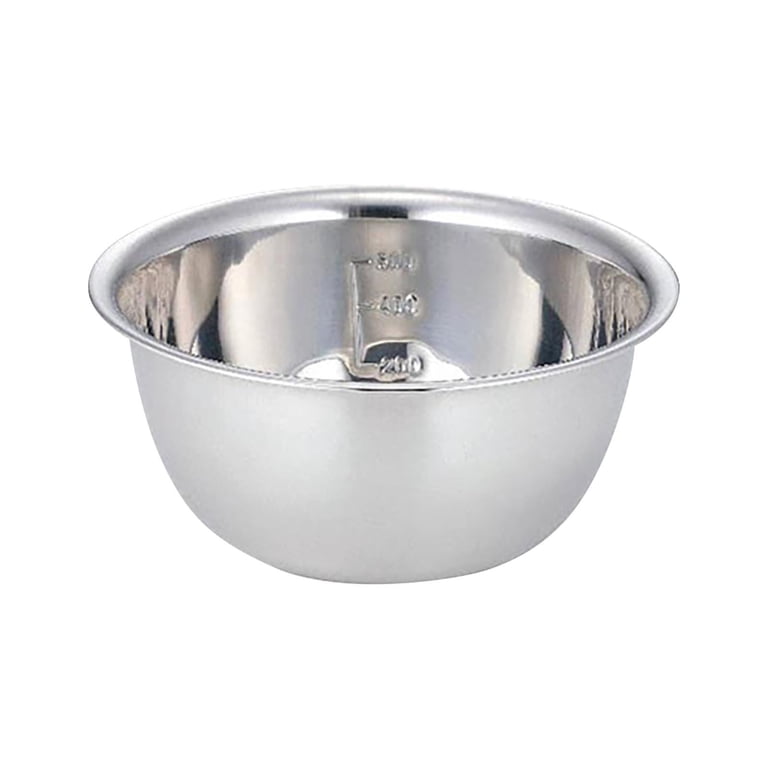
Why Is a Mixing Bowl Considered a Kitchen Utensil?
A mixing bowl meets the basic purpose of a utensil: it helps you handle food. It also performs a direct task during meal preparation.
Unlike a decorative bowl, a mixing bowl is designed for movement and action. You may stir, whisk, fold, toss, pour, or knead inside it. Its high sides help prevent spills, and its open top makes it easy to add ingredients.
The bowl itself does not mix food. Your hands or another tool do that work. However, the bowl creates the space needed for the task. In this way, it works like a tray, container, and work surface at the same time.
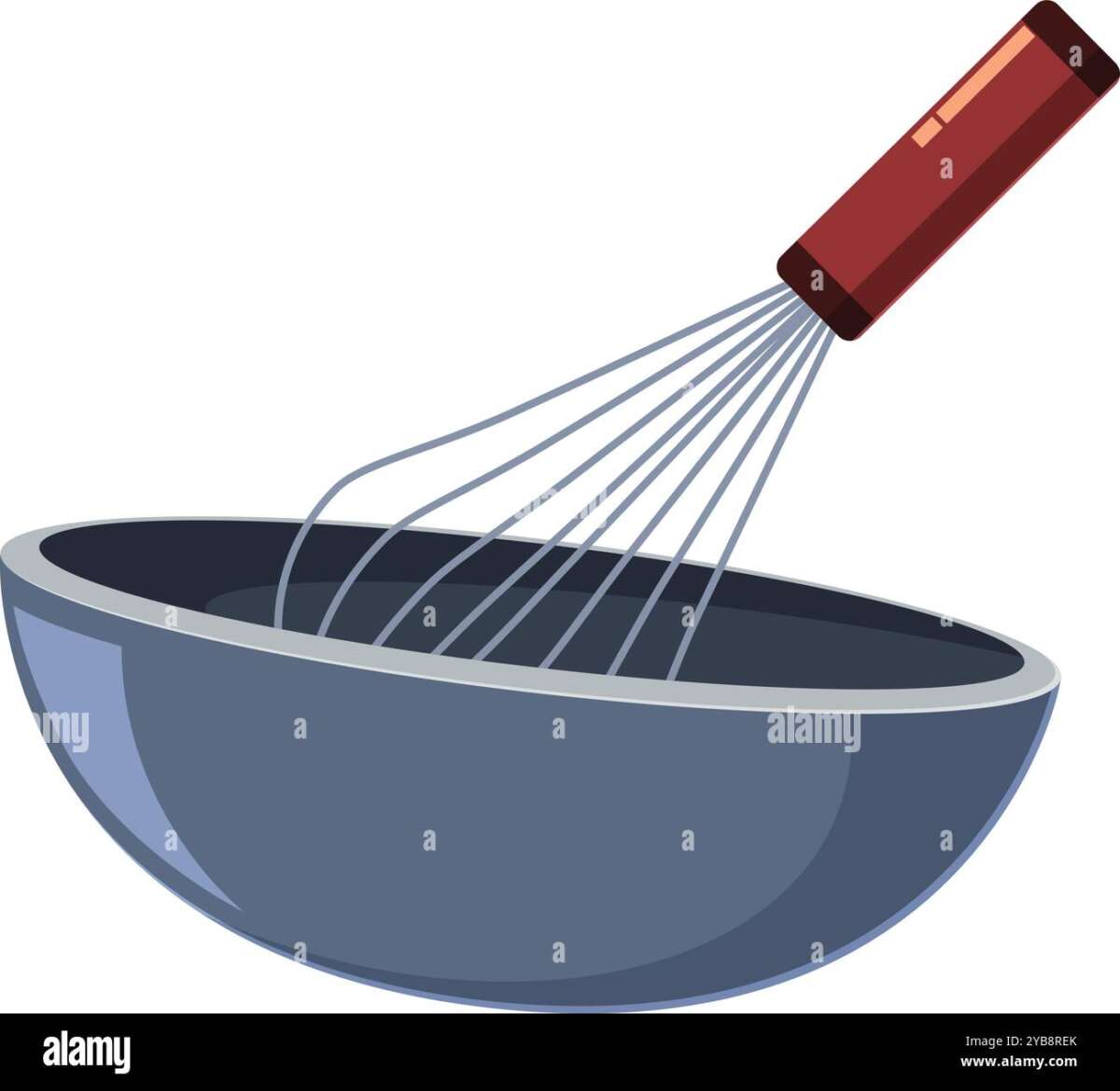
For example, consider making pancake batter. You may place flour, eggs, milk, and butter in a mixing bowl. Then you use a whisk to combine them. The whisk is also a utensil, but the bowl is the utensil that holds and supports the mixing process.
The same idea applies to a salad bowl. The bowl does not cut lettuce or add dressing by itself. However, it gives you enough room to toss the ingredients without crushing them or spilling them across the counter.
This practical role is the main reason the answer to “is a mixing bowl a utensil” is yes.
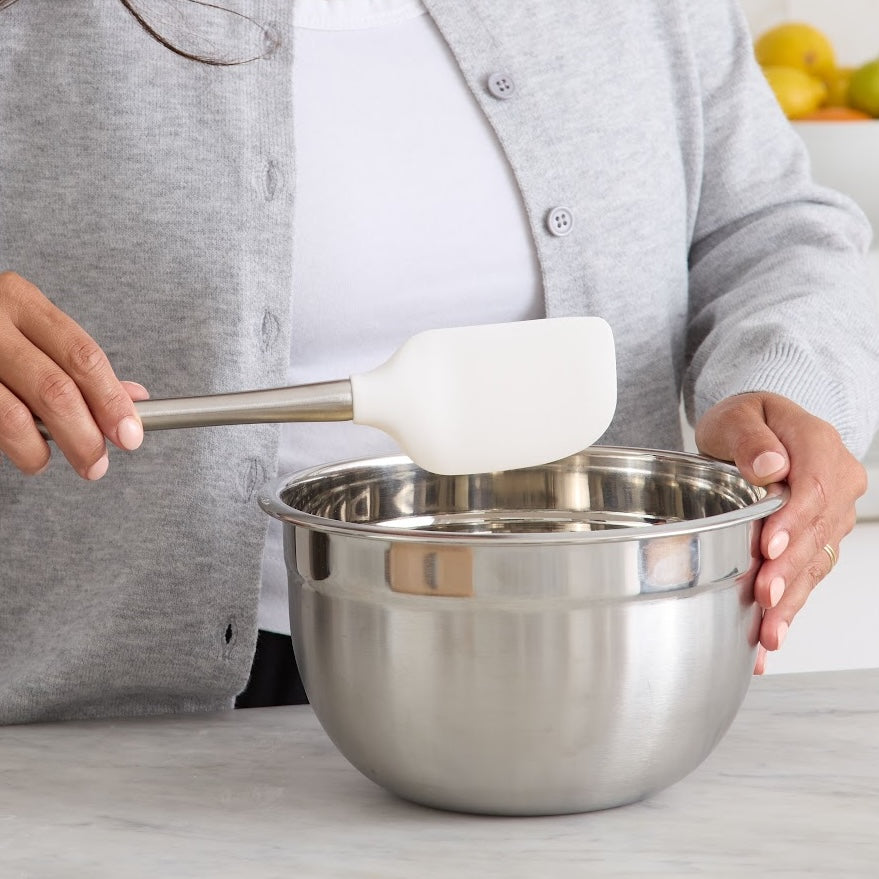
Are All Bowls Mixing Bowls?
No. A bowl becomes a mixing bowl because of its design and intended use, not simply because it is round.
Mixing bowls often have features that make preparation easier:
• Tall or sloped sides
• A wide opening
• A stable base
• A smooth interior
• A pouring rim or spout
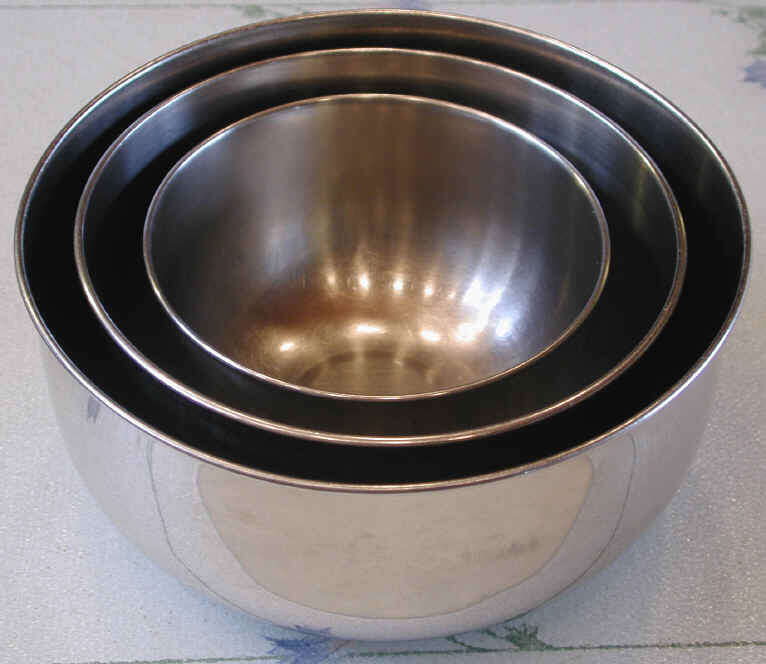
• A nesting design for easy storage
• A large capacity
A cereal bowl can hold food, but its small size and low sides may not work well for mixing. A serving bowl may look similar to a mixing bowl, but it may be heavier, more decorative, or less stable during vigorous stirring.
A good mixing bowl should give ingredients enough room to move. If a bowl is too small, flour may spill, salad may fall over the edge, and batter may splash onto the counter.
In my own kitchen, one of the most common mistakes is choosing a bowl that is too small. The ingredients may fit at first, but mixing increases their volume and movement. A bowl that looks large enough before stirring can quickly become messy.
A simple rule helps: choose a bowl with at least one-third of its space empty. This gives you room to whisk, fold, or toss comfortably.

Is a Mixing Bowl a Utensil or a Container?
A mixing bowl can be both a utensil and a container. These words describe different parts of its function.
As a container, the bowl holds ingredients. As a utensil, it helps you prepare food. The same object can perform both roles at once.
For example, a glass mixing bowl may hold beaten eggs before they go into a pan. It is a container because it stores the eggs for a short time. It is also a utensil because it supports the preparation process.
This dual role is common in the kitchen. A measuring cup holds liquid and measures it. A colander holds food and drains it. A baking dish holds food and helps cook it. Kitchen objects often have more than one useful identity.
The label may also change based on context. A professional kitchen may list bowls under equipment or smallwares. A school may call them utensils. A store may place them under kitchen tools, bakeware, or food storage.
These labels do not change how the bowl works. They simply reflect different ways of organizing kitchen products.

Types of Mixing Bowls and Their Uses
The material of a mixing bowl affects its weight, durability, cleaning needs, and best use.
Stainless Steel Mixing Bowls
Stainless steel bowls are light, strong, and resistant to stains. They are popular for whisking egg whites, mixing dough, and preparing large batches.
They also help with tasks that need a chilled or warm bowl. However, metal can react with very acidic foods in some cases, so check the manufacturer’s guidance.
Glass Mixing Bowls
Glass bowls let you see the ingredients clearly. Many are microwave-safe, which makes them useful for melting butter or chocolate.
Glass is heavier than metal and can break if dropped. Sudden temperature changes may also damage some glass bowls, so avoid moving a very hot bowl into cold water.
Plastic Mixing Bowls
Plastic bowls are light, affordable, and easy to handle. They work well for children, outdoor cooking, and everyday meal preparation.
Some plastic bowls can hold odors or become scratched over time. Use only bowls labeled as microwave-safe when heating food.
Ceramic Mixing Bowls
Ceramic bowls are attractive and stable. Their weight helps keep them from sliding while you mix.
They are useful for serving as well as preparing food. However, ceramic can chip or crack, and large ceramic bowls may become heavy when full.
Copper Mixing Bowls
Copper bowls are especially valued for whipping egg whites. Copper can interact with egg proteins and help create a stable foam.
They need careful cleaning and are less flexible for general use. For most home cooks, stainless steel offers more everyday versatility.

How to Choose the Right Mixing Bowl
Choosing a bowl is easier when you focus on your usual cooking tasks. A single small bowl may work for sauces, but it will not be ideal for bread dough or a large salad.
Consider these points: