How To Make Movie Theater Popcorn At Home: Easy Recipe
Use mushroom kernels, coconut oil, fine salt, and steady heat to recreate movie theater popcorn at home.
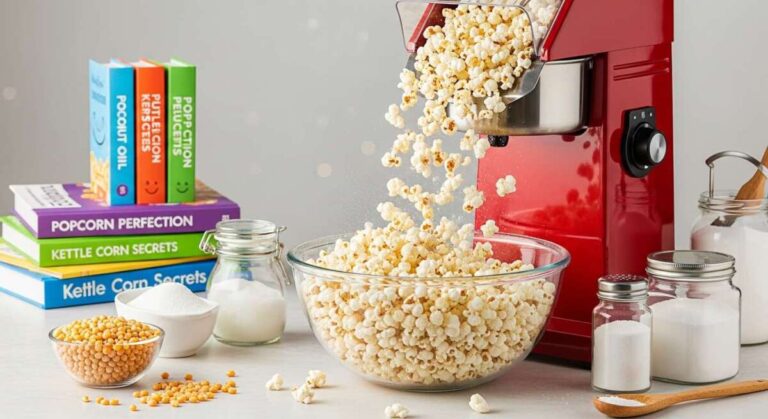
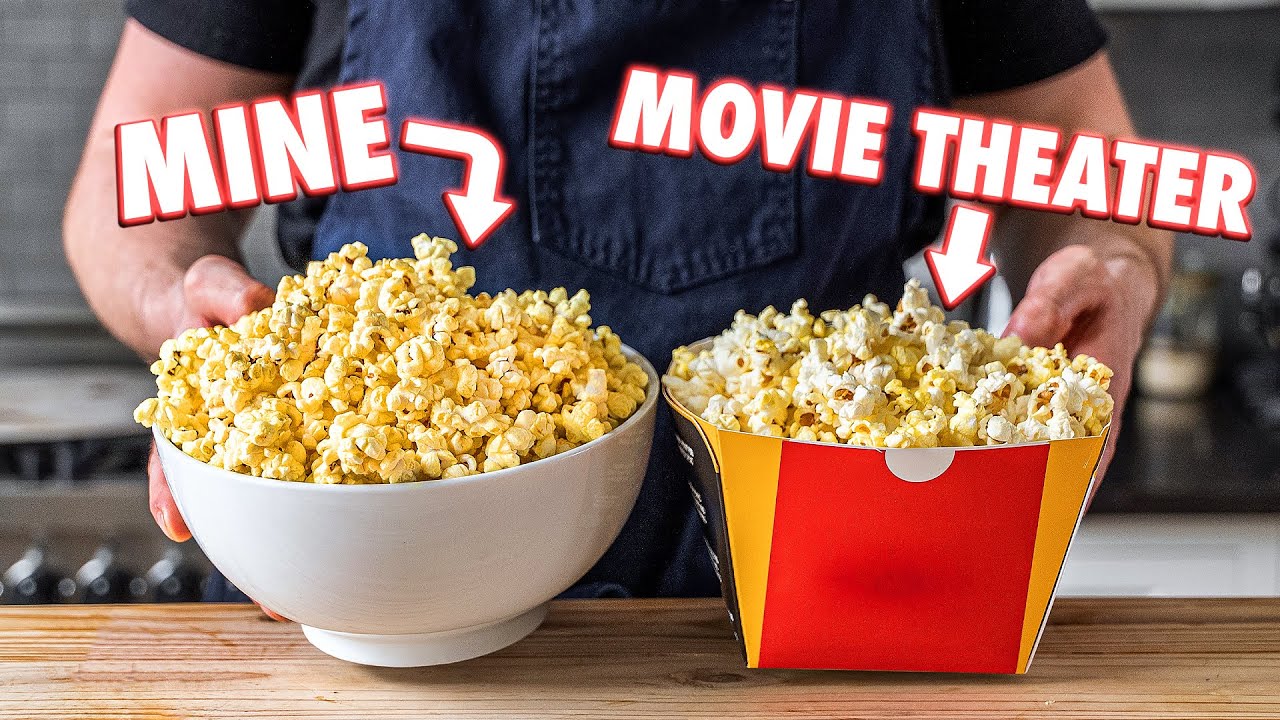
Learning how to make movie theater popcorn at home is less about a secret machine and more about using the right fat, salt, heat, and timing. After testing several home methods, I found that fresh kernels, clarified butter, and very fine seasoning create the closest theater-style flavor without special equipment. This guide explains each step, common mistakes, easy upgrades, and ways to keep every batch crisp.
What Makes Movie Theater Popcorn Taste Different?
Movie theater popcorn has a bold taste because theaters use more than plain popcorn kernels and melted butter. The flavor usually comes from four key elements:
• High quality popcorn kernels
• A neutral or lightly flavored cooking oil
• Very fine popcorn salt
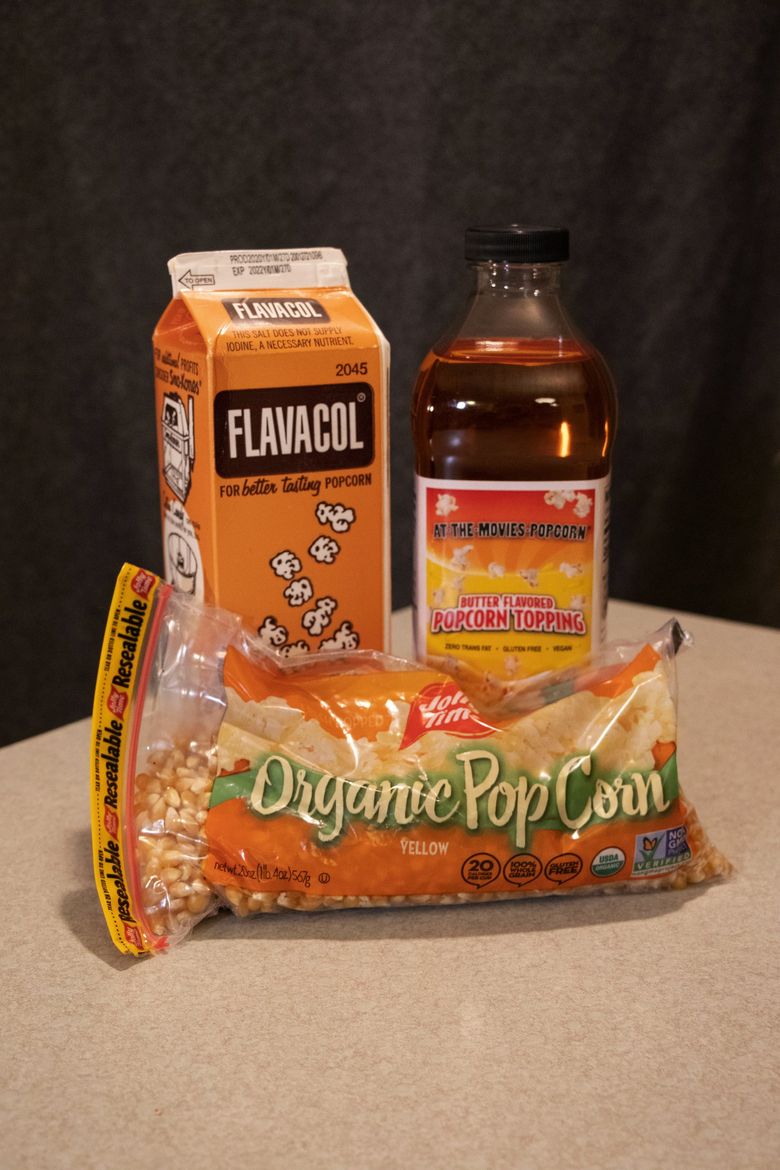
• Butter flavored topping or clarified butter
The familiar yellow color often comes from butter flavored oil or seasoning. Regular table salt can taste harsh because its grains are larger and do not coat each popped kernel well.
The oil also matters. Coconut oil is common in theater style recipes because it adds a mild, rich taste and handles high heat well. Canola oil, avocado oil, and peanut oil also work, though each gives the popcorn a slightly different flavor.
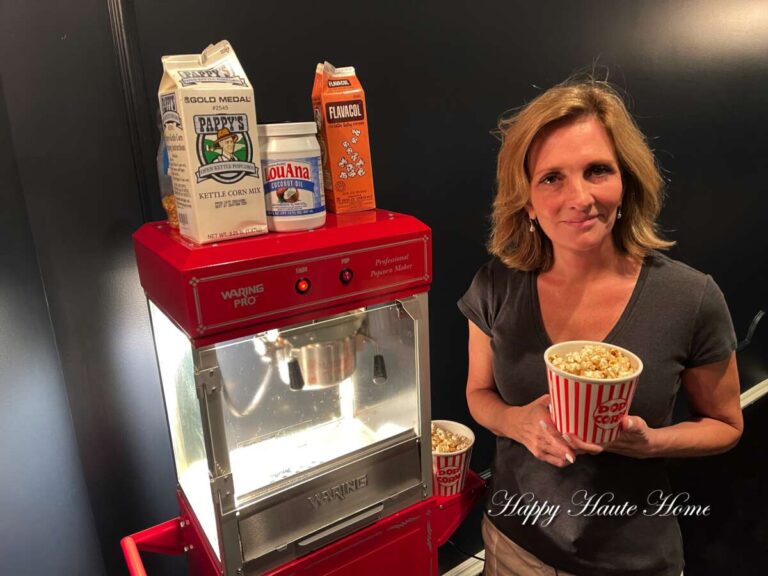
A theater popper also keeps the popcorn warm and coats it with seasoning as it pops. At home, you can get a similar result with a heavy pot, a lid, and a quick shake during cooking.

Ingredients for Movie Theater Popcorn at Home
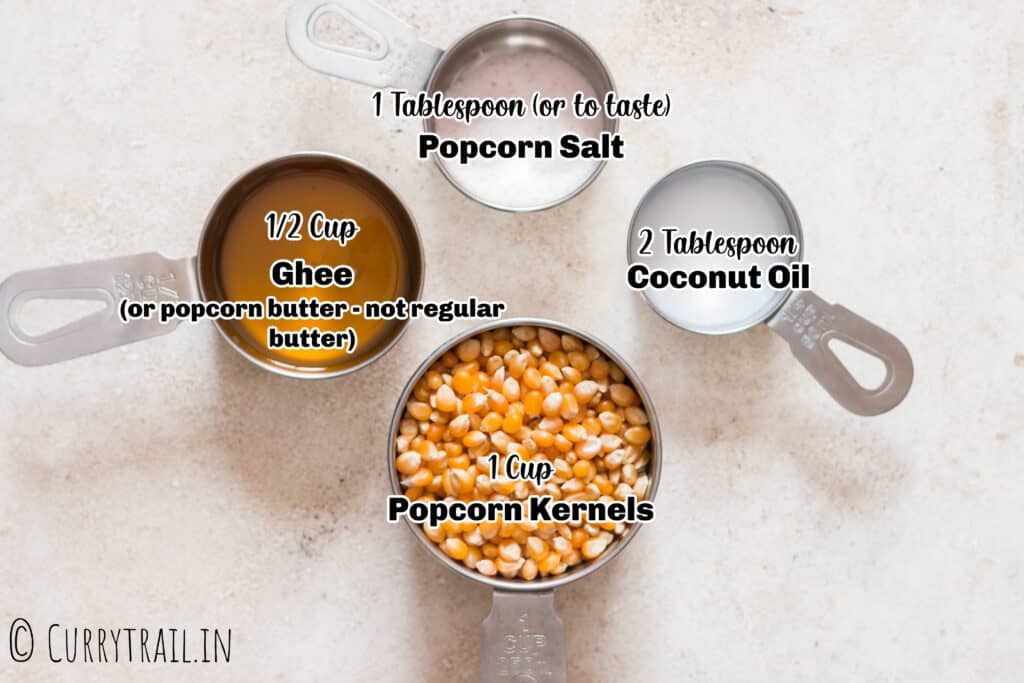
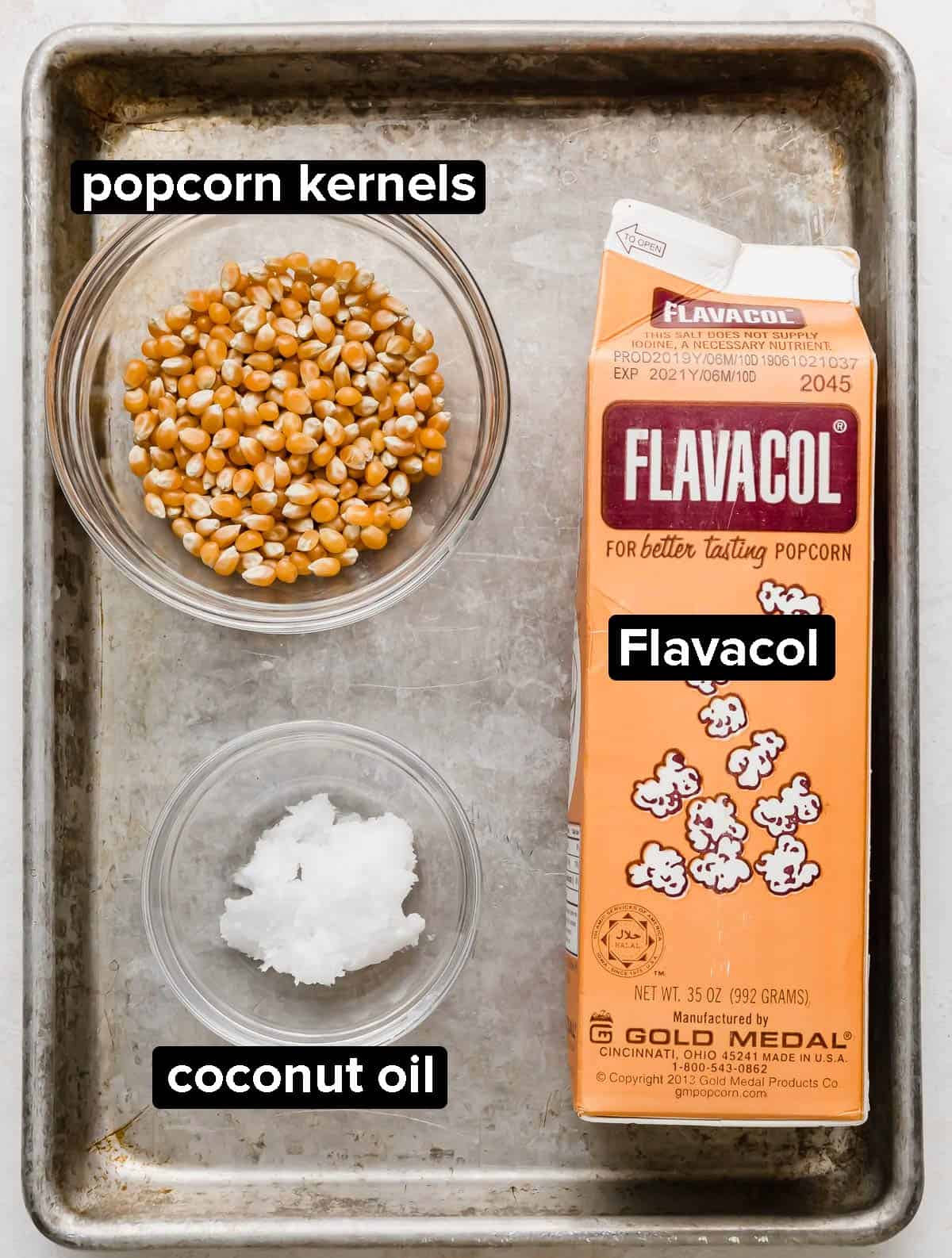
For about 8 cups of popped popcorn, gather:
• ½ cup mushroom or yellow popcorn kernels
• 3 tablespoons refined coconut oil or canola oil
• ½ teaspoon fine popcorn salt, plus more to taste
• 2 tablespoons clarified butter or butter flavored popcorn topping
• 1 tablespoon extra oil for seasoning, if needed
Mushroom kernels produce large, round pieces. They are ideal for movie theater popcorn because their shape holds butter and salt well. Butterfly kernels are also good, but their wings can break more easily when tossed.
Use refined coconut oil if you want a mild flavor. Unrefined coconut oil has a stronger coconut taste. If you prefer a neutral batch, choose canola oil or avocado oil.
For the salt, look for popcorn salt or finely ground salt. You can also blend regular salt in a clean spice grinder for a few seconds. The goal is a powder-like texture that clings to the warm oil.
Clarified butter is better than regular melted butter because it contains less water. Water can make popcorn soft. Store-bought butter flavored topping gives the strongest theater-like flavor, but clarified butter creates a cleaner, more natural taste.
How to Make Movie Theater Popcorn at Home
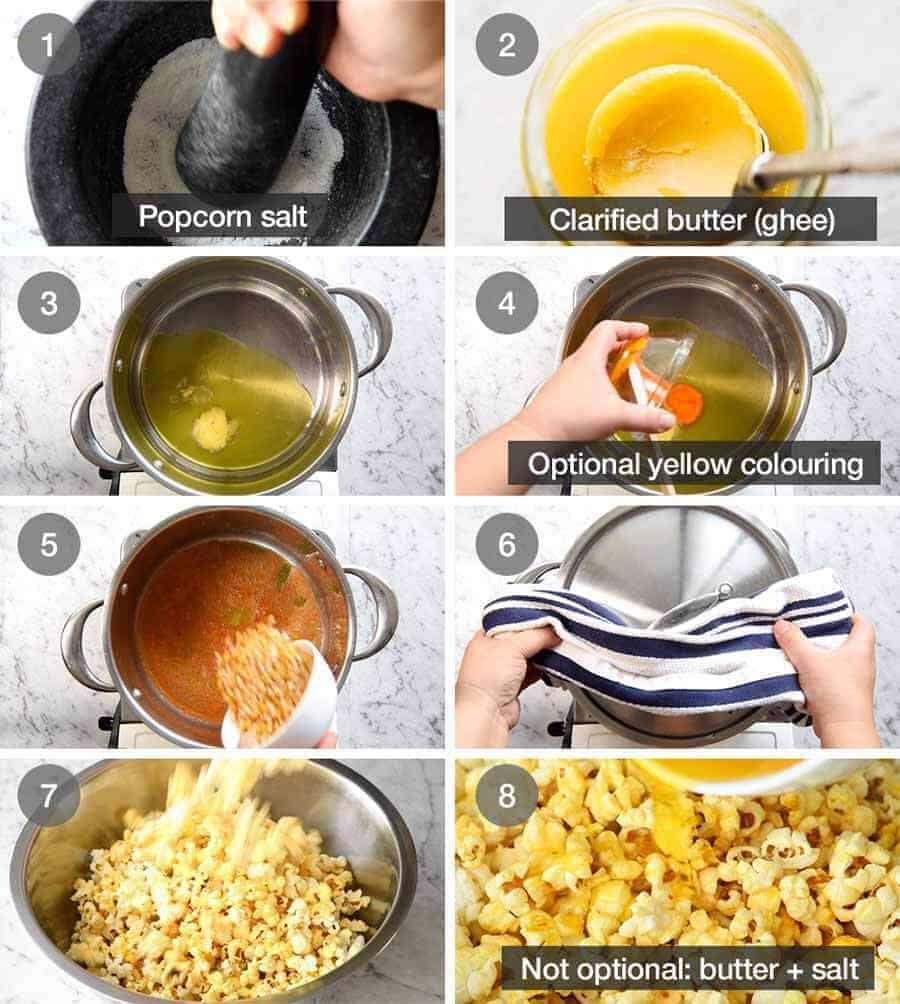
This method uses a large pot with a lid. A heavy-bottomed pot spreads heat more evenly and reduces the chance of burned kernels.
Step 1: Warm the oil
Place a large pot over medium heat. Add the oil and two or three popcorn kernels.
Cover the pot and wait until the test kernels pop. This shows that the oil is hot enough for the rest of the batch.
Step 2: Add the remaining kernels
Remove the pot from the heat for about 30 seconds. Add the remaining kernels and gently shake the pot to coat them with oil.
This short pause helps the kernels heat more evenly. It can also reduce the number of unpopped kernels.
Step 3: Pop the corn
Return the pot to medium heat. Keep the lid slightly open if it has a vent, or lift it for one second every few moments to release steam.
Gently shake the pot every 10 to 15 seconds. Use a firm side-to-side motion while keeping the pot on the burner.
Step 4: Remove it at the right time
When popping slows to about two seconds between pops, move the pot off the heat. Do not wait until every kernel pops.
If you keep cooking until the popping stops completely, the popcorn may burn. A few unpopped kernels are normal.
Step 5: Season while warm
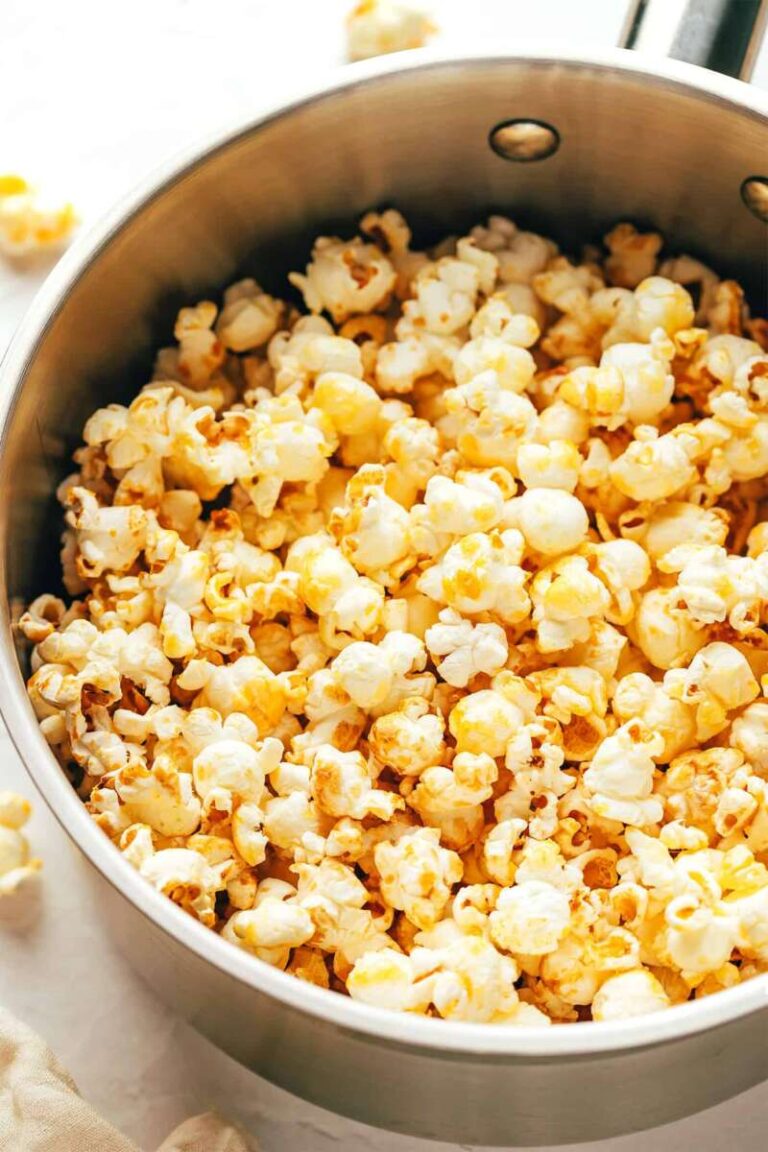
Pour the popcorn into a large bowl. Drizzle on the clarified butter or butter flavored topping while tossing the popcorn.
Sprinkle on the fine salt in small amounts. Toss again, taste, and add more salt only if needed.
This simple process is the foundation of how to make movie theater popcorn at home. The most important lesson is to control the heat rather than rush the popping.
The Best Oil for Theater Style Popcorn
The oil affects both flavor and texture. It helps transfer heat to the kernels and carries seasoning across the popcorn.
Refined coconut oil
Refined coconut oil is one of the closest choices for a classic theater taste. It has a smooth texture and a mild flavor.
It is solid at cool room temperature, so warm it before measuring. Avoid unrefined coconut oil if you do not want a noticeable coconut flavor.
Canola oil
Canola oil is affordable, mild, and easy to find. It makes crisp popcorn and works well with butter flavored toppings.
It is a good choice for everyday batches when you want the seasoning to stand out.
Avocado oil
Avocado oil has a high smoke point and a clean flavor. It usually costs more, but it works well for people who want a less traditional oil.
Peanut oil
Peanut oil gives popcorn a pleasant roasted taste. Do not use it if anyone eating the popcorn has a peanut allergy.
Avoid extra virgin olive oil for high heat popping. Its flavor can become bitter, and it is not the best choice for this method.
How to Get the Classic Theater Butter Flavor
The butter topping is often the part that makes homemade popcorn taste different from cinema popcorn. Regular butter contains water and milk solids, which can make popcorn damp or unevenly coated.
To make clarified butter:
- Melt unsalted butter in a small saucepan over low heat.
- Let it separate into foam, milk solids, and clear golden butter.
- Skim off the foam.
- Slowly pour the clear butter into a bowl.
- Leave the white solids behind in the pan.
Use the clear butter within a few days and refrigerate it in a sealed container. Warm it gently before pouring it over popcorn.
For a stronger theater flavor, use a butter flavored popcorn topping. Add it slowly because too much topping can make the popcorn greasy.
A practical trick is to toss the popcorn in two stages. Add half the butter and salt, toss well, then add the rest. This helps prevent seasoning from collecting at the bottom of the bowl.
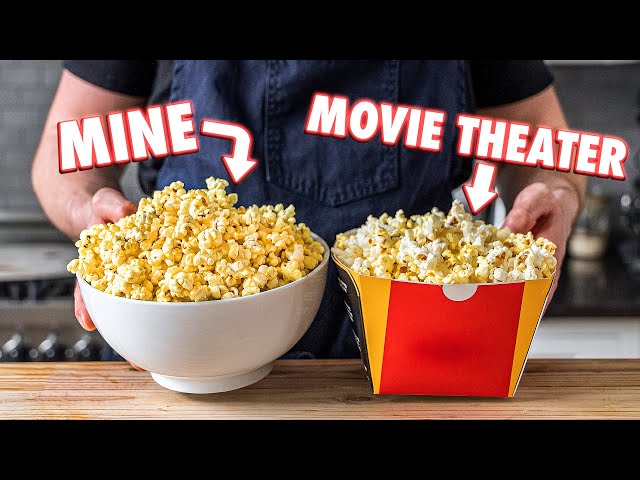
How to Make Popcorn Salt Stick
Fine salt sticks better than coarse salt because it covers more surface area. It also dissolves slightly when it meets warm butter or oil.
If you only have regular salt, place it in a spice grinder. Pulse it briefly until it looks fine, but avoid grinding too long because salt dust can spread through the air.
You can also mix the salt with a small amount of warm oil before adding it to the popcorn. This creates a thin seasoning coating.
Try this basic seasoning blend:
• ½ teaspoon fine salt
• ¼ teaspoon butter flavored seasoning
• ⅛ teaspoon garlic powder, optional
• A small pinch of sugar, optional
Use garlic powder and sugar lightly. The classic theater flavor is salty and buttery, not strongly spiced.
When learning how to make movie theater popcorn at home, many people add too much salt at once. Season in layers instead. It is easy to add more, but you cannot remove excess salt.
Common Mistakes to Avoid
Even a simple popcorn recipe can fail if the heat or moisture is wrong.
Using old kernels
Old kernels may not contain enough moisture to create steam. They can pop poorly and produce small, hard pieces.
Store kernels in a sealed container in a cool, dry place. Do not refrigerate them, since temperature changes can affect texture.
Using too much heat
High heat may burn the oil before the kernels finish popping. Medium heat gives the kernels time to expand.
If you smell smoke, remove the pot from the burner at once. Let it cool before starting another batch.
Filling the pot too much
The kernels need room to expand. Overfilling creates uneven cooking and makes the bottom pieces more likely to burn.
The popped corn should fit comfortably in the pot without being tightly packed.
Trapping steam
Steam softens popcorn. A lid that is slightly vented allows moisture to escape while keeping the kernels inside.
Do not leave the lid fully open, though. Popping kernels can jump out and cause burns.
Adding butter too early
Butter added during cooking can burn because it contains milk solids. Pop the corn in oil, then add clarified butter after cooking.
These mistakes explain why some attempts at how to make movie theater popcorn at home taste flat, chewy, or burnt. Small changes in timing make a large difference.

A Microwave Version
You can make a quick theater style batch in the microwave, but the texture may not be as even as stovetop popcorn.
Place ¼ cup kernels in a large microwave-safe bowl. Cover it with a vented microwave lid or a microwave-safe plate that allows steam to escape.
Microwave on high for about two to three minutes. Stop the microwave when the popping slows to about two seconds between pops.
Add melted clarified butter and fine salt after cooking. Toss in a large bowl so the topping spreads evenly.
Do not use a sealed container. Pressure and steam can build up and create a safety risk. Also, never microwave popcorn in a paper bag unless the bag is specifically made for microwave use.

Easy Flavor Variations
Once you know how to make movie theater popcorn at home, you can adjust the flavor without changing the basic method.
Extra buttery popcorn
Add a little more clarified butter after the first toss. Use small amounts so the popcorn stays crisp.
Caramel popcorn
Make plain popcorn first, then coat it with homemade caramel. Spread it on a lined baking sheet and bake it briefly to set the coating.
Cheese popcorn
Add finely powdered cheddar seasoning while the popcorn is warm. Cheese powder works better than shredded cheese, which can melt into clumps.
Spicy popcorn
Add a pinch of cayenne, chili powder, or smoked paprika. Start with a small amount and taste before adding more.
Sweet and salty popcorn
Add a tiny pinch of sugar to the fine salt. This creates a balanced flavor without making the popcorn taste like dessert.
Keep wet sauces away from the popcorn unless you plan to eat it right away. Moisture quickly changes crisp popcorn into chewy popcorn.

How to Store Homemade Popcorn
Fresh popcorn tastes best within the first hour. If you need to store it, let it cool completely before placing it in an airtight container.
Do not seal hot popcorn. Trapped steam can create condensation and soften the batch.
Store plain popcorn at room temperature for up to two days. Popcorn with butter or other toppings is best eaten the same day.
If the popcorn loses its crunch, spread it on a baking sheet and warm it in a low oven for a few minutes. Watch it closely so the butter does not burn.
A useful home lesson is to make smaller batches rather than one huge batch. Fresh popcorn is quick to prepare, and small batches usually taste better.
Frequently Asked Questions
What type of popcorn do movie theaters use?
Many theaters use mushroom or butterfly kernels, depending on the desired shape. Mushroom kernels make large, round pieces, while butterfly kernels create the familiar winged shape.
Can I make movie theater popcorn without coconut oil?
Yes. Canola oil, avocado oil, and peanut oil can all pop kernels successfully. Canola oil gives the mildest flavor, while coconut oil often tastes closer to traditional theater popcorn.
Why is my homemade popcorn chewy?
Chewy popcorn usually has trapped moisture or too much liquid butter. Use a vented lid, allow steam to escape, and choose clarified butter instead of regular melted butter.
How much oil should I use for popcorn?
Use about 3 tablespoons of oil for ½ cup of kernels. The kernels should be lightly coated, but they should not swim in oil.
How do I make popcorn salt stick?
Use very fine salt and add it while the popcorn is warm. Toss the popcorn with butter or a small amount of oil before sprinkling on the salt.
Is butter flavored popcorn topping safe to use?
Commercial popcorn toppings are made for food use when handled as directed on the label. Check the ingredient list for allergens, storage instructions, and serving guidance.
Can I make movie theater popcorn in an air fryer?
An air fryer is not ideal for loose popcorn kernels because kernels can move into the heating element. A covered pot or microwave-safe popcorn bowl is safer and more reliable.
Conclusion
The best way to make movie theater popcorn at home is to use fresh kernels, enough oil, medium heat, fine salt, and clarified butter or a butter flavored topping. Shake the pot during cooking, vent the lid, and stop heating when the pops slow down.
Start with a small batch so you can adjust the salt and butter to your taste. Once you find your preferred oil and seasoning balance, homemade popcorn can become an easy movie night ritual. Try the method this week, and share your favorite topping or flavor combination in the comments.

Liora Pennings is a seasoned chef and kitchen enthusiast with a passion for turning everyday cooking into an effortless experience. With years of hands-on culinary expertise, she specializes in practical techniques, ingredient know-how, and smart kitchen solutions that help home cooks elevate their meals. At KitchFlair.com, Liora shares her best tips, time-saving tricks, and honest product reviews to guide readers toward a more efficient, enjoyable, and inspired cooking routine. Whether you’re a beginner or a seasoned home chef, Liora’s friendly, knowledge-packed insights make every visit to the kitchen a little easier—and a lot more delicious.