How To Make Popcorn Butter: Easy Homemade Recipe
Melt unsalted butter, remove its water and milk solids, then drizzle the clear butter over fresh popcorn.
Learning how to make popcorn butter is simple, but the small details matter. Regular melted butter can make popcorn soft because it contains water. By gently clarifying the butter, you get a rich, smooth topping that coats each kernel well without turning the snack soggy. This guide explains the best method, common mistakes, flavor ideas, storage tips, and safe ways to use homemade popcorn butter.
What Is Popcorn Butter?
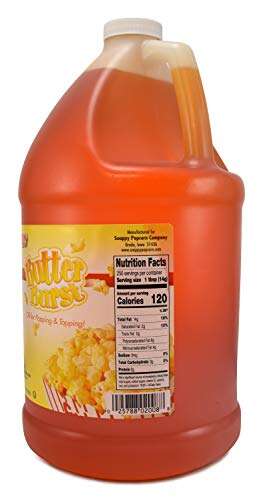
Popcorn butter is a smooth butter topping made for cooked popcorn. It may be regular melted butter, clarified butter, ghee, or a commercial butter-flavored topping.
For home cooking, clarified butter is often the best choice. It has a rich butter taste but contains much less water and fewer milk solids. This helps your popcorn stay crisp.
Regular butter has three parts:
• Butterfat, which gives butter its rich taste
• Water, which can make popcorn damp
• Milk solids, which can settle, burn, or create a grainy texture
When you learn how to make popcorn butter by separating these parts, you can create a topping that tastes like movie theater popcorn but uses simple kitchen ingredients.
Ghee is another option. It is butter cooked longer than clarified butter, so nearly all water and milk solids are removed. Ghee has a deeper, slightly nutty taste.

Ingredients and Tools You Need
You do not need special equipment to make popcorn butter. A small saucepan, spoon, and heat-safe bowl are enough.
Ingredients
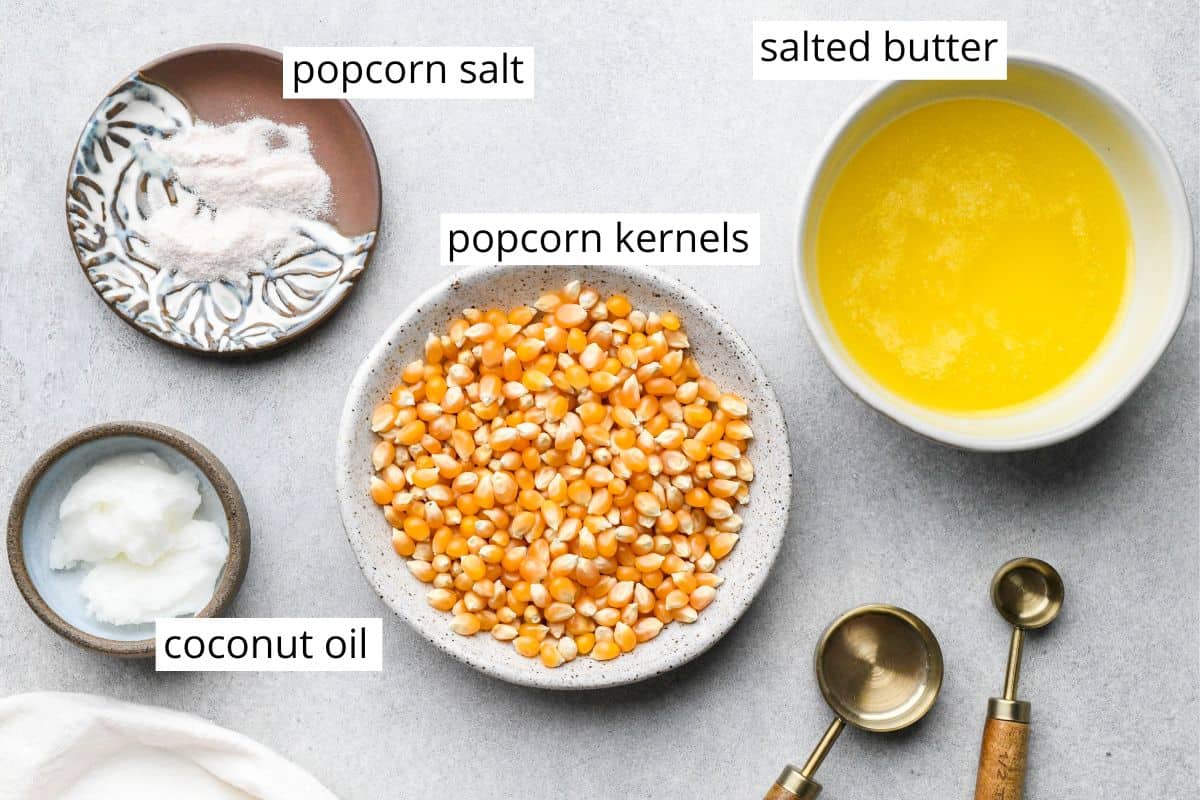
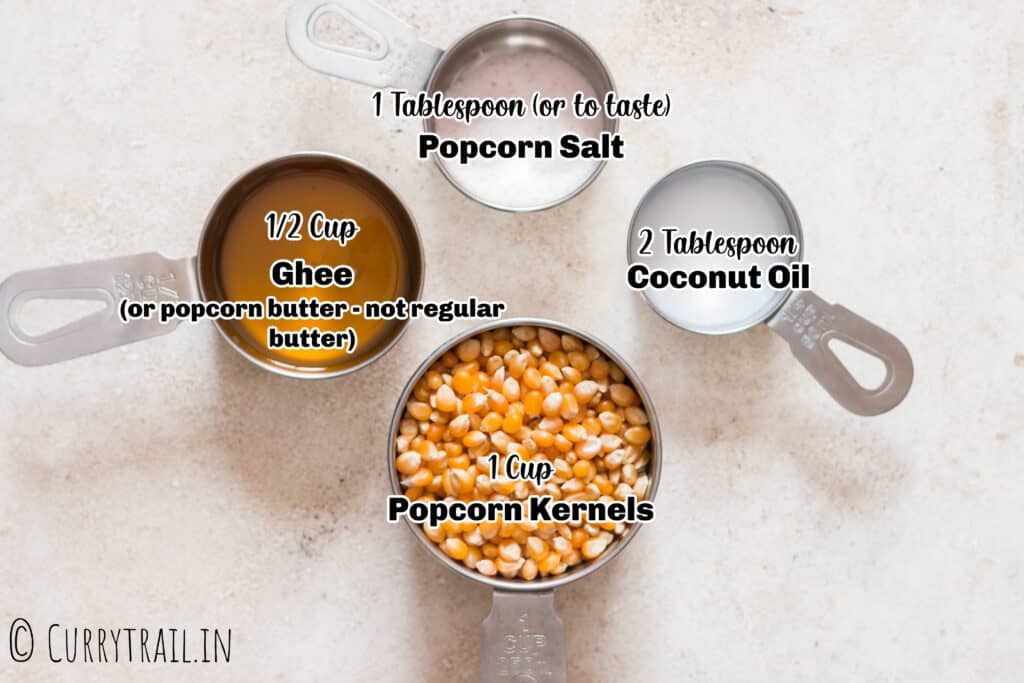
• 4 tablespoons unsalted butter
• ¼ teaspoon fine salt, optional
• ¼ teaspoon popcorn seasoning, optional
• ⅛ teaspoon garlic powder, optional
Unsalted butter gives you better control over the final flavor. Salted butter also works, but taste the popcorn before adding more salt.
Tools
• Small, heavy-bottomed saucepan
• Heat-safe spoon
• Fine-mesh strainer
• Cheesecloth or a clean paper coffee filter
• Small bowl or measuring cup
• Large popcorn bowl
A fine-mesh strainer helps catch milk solids. If you want very clear popcorn butter, line the strainer with cheesecloth or a coffee filter.
How to Make Popcorn Butter Step by Step
This method makes about 3 tablespoons of clarified butter. That amount is enough for about 8 cups of popped popcorn.
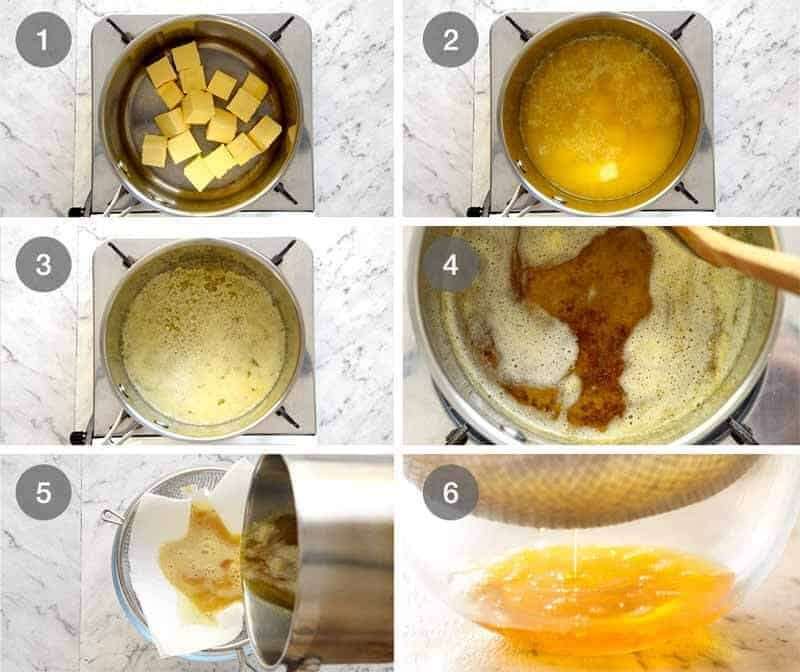
1. Cut the butter into pieces
Cut the butter into small cubes. Smaller pieces melt more evenly and reduce the chance of scorching.
Place the butter in a small saucepan. Use low heat from the start.
2. Melt the butter slowly
Let the butter melt without stirring too much. It will first become liquid and then begin to foam.
The foam comes from water turning into steam. Some of the foam may look white or pale yellow. This is normal.
3. Let the water cook away
Keep the heat low as the butter gently bubbles. Do not let it rapidly boil.
The bubbling will slowly become quieter. This means much of the water has evaporated. The butterfat will look more golden and clear.
This step usually takes 5 to 8 minutes, depending on the pan and the amount of butter.
4. Remove the milk solids
Look for small white or tan specks at the bottom of the pan. These are milk solids.
You can carefully spoon off the foam at the top. Then pour the clear butter through a fine-mesh strainer into a heat-safe bowl.
For extra clarity, place cheesecloth or a coffee filter inside the strainer. Pour slowly so the cooked milk solids stay behind.
5. Add salt or seasoning
Taste the clarified butter before adding salt. If you are using salted butter, you may not need extra salt.
For a classic flavor, add a small pinch of fine salt. Fine salt blends more evenly than coarse salt.
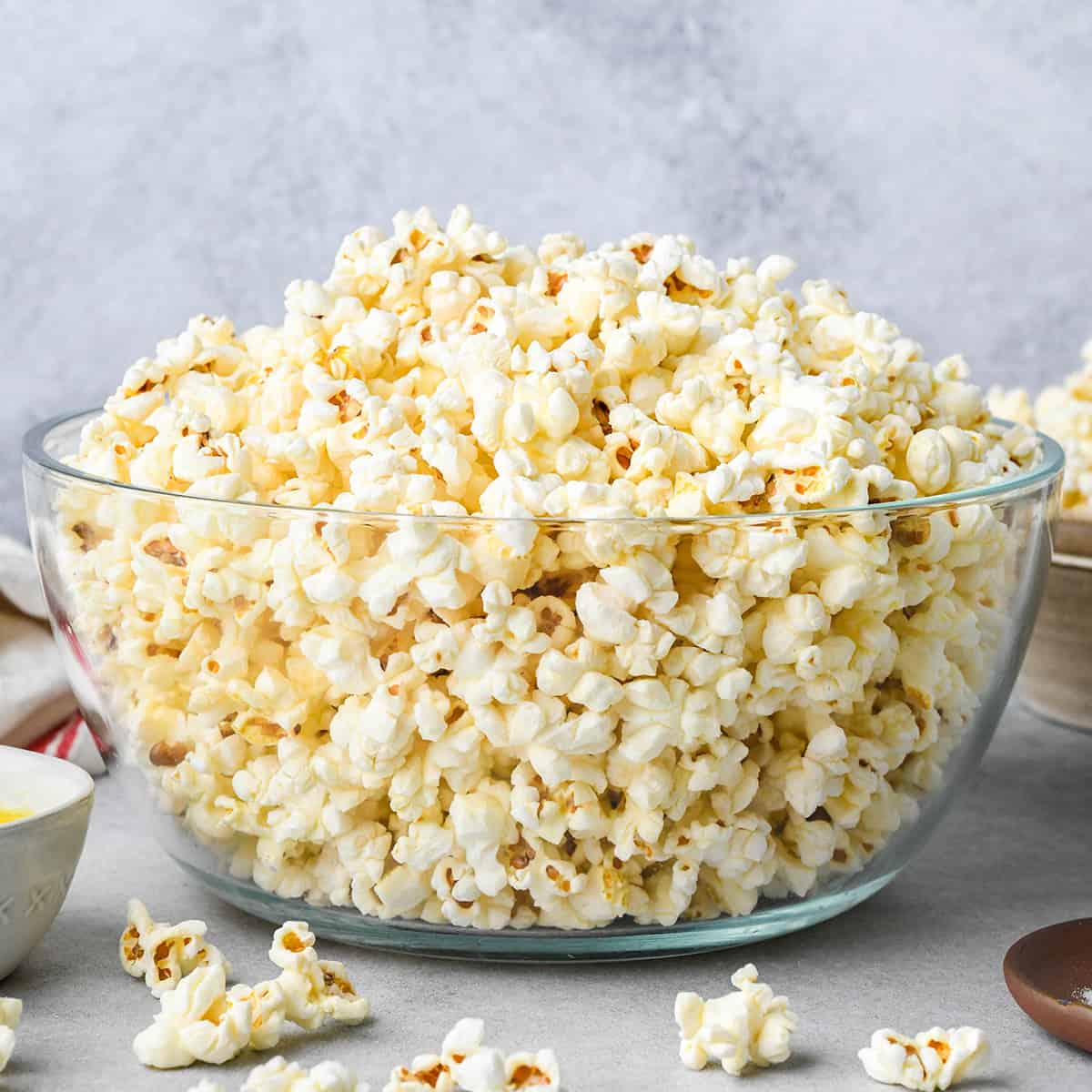
6. Drizzle it over popcorn
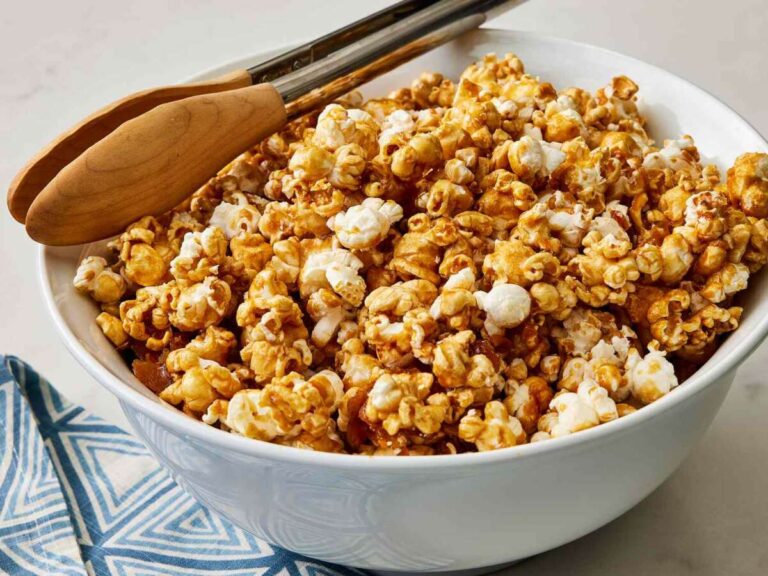
Put the warm popcorn in a large bowl. Drizzle on a small amount of popcorn butter while tossing the popcorn.
Continue adding butter in thin streams. Toss after each addition.
This method spreads the butter more evenly than pouring it all in one spot. It also helps prevent heavy, greasy pieces at the bottom of the bowl.

The Best Butter-to-Popcorn Ratio
The right amount depends on your taste and the type of popcorn. Too little butter may taste dry, while too much can make the popcorn heavy.
A useful starting point is:
• 1 tablespoon popcorn butter for 4 cups of popped popcorn
• 2 tablespoons popcorn butter for 8 cups of popped popcorn
• 4 tablespoons popcorn butter for 16 cups of popped popcorn
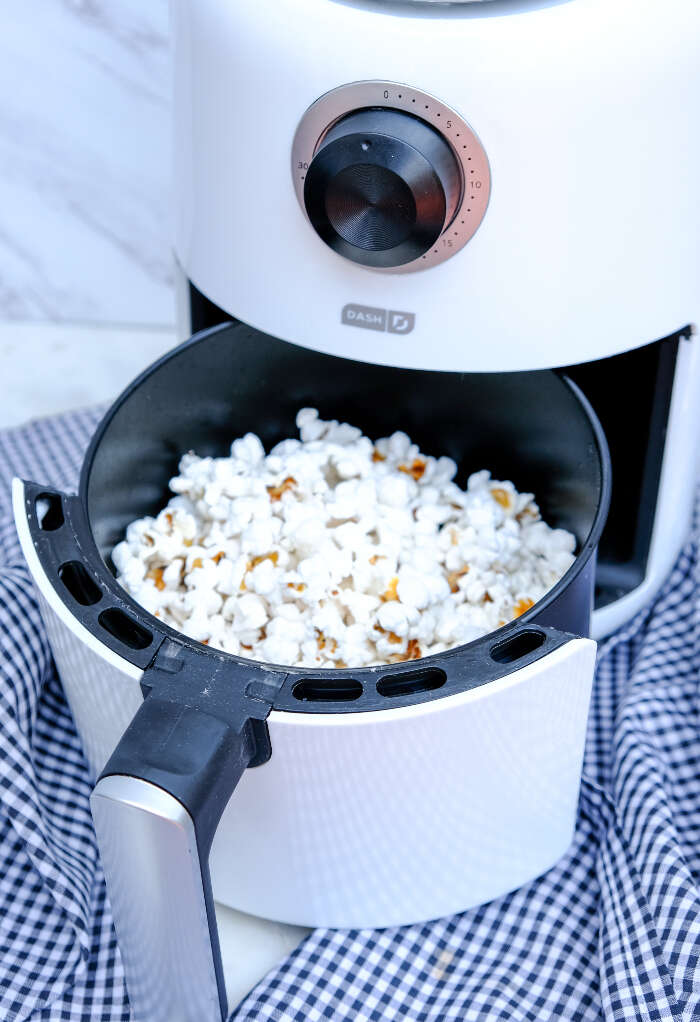
If your popcorn is air-popped, it may need more butter because it has no oil on its surface. Popcorn cooked in oil may need less.
A good approach is to start with half the planned amount. Toss well, taste, and add more if needed.
In kitchen tests, one mistake shows up again and again: pouring all the butter over the center of the bowl. The center becomes soggy, while the outer pieces stay plain. A slow drizzle and steady tossing solve this problem.
How to Make Popcorn Butter Without a Strainer
You can still make popcorn butter if you do not have a strainer. Melt the butter slowly, then let it rest for a minute.
The milk solids will settle near the bottom. Pour the clear butter into another container, stopping before the cloudy layer reaches the edge.
This method will not remove every milk solid, but it works well for a quick snack.
You can also use a microwave:
- Place butter in a microwave-safe bowl.
- Heat it for 20 seconds at a time.
- Stir gently between each interval.
- Let it stand for 1 minute.
- Pour off the clear top layer.
Use short heating intervals because butter can splatter when it becomes very hot. Cover the bowl loosely with a paper towel to reduce mess.

How to Make Movie Theater-Style Popcorn Butter
Movie theater popcorn often has a strong butter flavor and a thin, pourable texture. The topping may contain butter flavoring, oil, and salt rather than fresh dairy butter alone.
At home, you can create a similar taste with clarified butter and fine salt.
Try this simple blend:
• 3 tablespoons clarified butter
• ¼ teaspoon fine salt
• A small pinch of butter-flavored popcorn seasoning, optional
Some people use coconut oil because it stays smooth and has a familiar theater-style taste. You can mix 2 tablespoons clarified butter with 1 tablespoon refined coconut oil for a rich topping.
Avoid adding too much seasoning at once. Many popcorn seasonings contain a great deal of salt, so taste as you go.

Flavor Ideas for Homemade Popcorn Butter
Plain popcorn butter is versatile. You can turn it into a sweet, spicy, smoky, or savory topping.
Garlic herb popcorn butter
Mix warm clarified butter with a small pinch of garlic powder and dried parsley. Add the seasoning after the butter is strained.
Fresh garlic contains water. If you add it to stored butter, the mixture may spoil faster. Use fresh garlic only when you plan to eat the popcorn right away.
Spicy popcorn butter
Add a pinch of cayenne pepper, chili powder, or smoked paprika. Start with a tiny amount because heat becomes stronger as you keep eating.
Parmesan popcorn butter
Drizzle the butter over popcorn first. Then add finely grated Parmesan cheese and toss well.
Do not cook the cheese in the butter. It may clump or burn.
Sweet cinnamon butter
For dessert popcorn, mix clarified butter with a small pinch of cinnamon. Add sugar after drizzling, or use powdered sugar for a smoother coating.
Lemon pepper butter
Add a little lemon zest and black pepper to warm butter. Use lemon zest instead of lemon juice because juice contains water and can make the popcorn damp.
Common Mistakes to Avoid
Knowing what not to do is part of learning how to make popcorn butter.
• Using high heat: Butter can burn before the water has fully evaporated. Low heat gives you more control.
• Pouring on too much at once: A slow drizzle coats the popcorn better.
• Using wet seasonings: Hot sauce, lemon juice, and fresh herbs can add moisture and reduce crispness.
• Skipping the taste test: Different butter brands have different salt levels and flavors.
• Storing butter with fresh ingredients: Garlic, cheese, and fresh herbs can shorten its shelf life.
• Using a small bowl: Popcorn needs room to move. A large bowl makes tossing easier.
• Adding salt before tasting: The popcorn may already contain salty seasoning.
Butter can also burn if left unattended. Stay near the stove and remove the pan from heat when the butter becomes golden and clear.

How to Store Popcorn Butter
Let homemade popcorn butter cool slightly before storing it. Pour it into a clean, airtight container.
Clarified butter keeps longer than regular melted butter because most water and milk solids have been removed. For the best quality, refrigerate it and use it within several weeks.
If you store it at room temperature, keep the container tightly closed and use it soon. Heat, light, air, and moisture can reduce quality.
Always check for an unusual smell, mold, or a sour taste. If anything seems wrong, discard it.
Flavored butter needs more care. Butter mixed with fresh garlic, cheese, or fresh herbs should be refrigerated and used promptly. Do not leave these mixtures at room temperature for long periods.
Is Homemade Popcorn Butter Healthy?
Homemade popcorn butter can fit into a balanced diet, but butter is still high in calories and saturated fat. The American Heart Association recommends limiting saturated fat and choosing unsaturated fats more often.
Portion size matters. A light drizzle can add flavor without covering the popcorn in a thick layer.
Popcorn itself is a whole grain when it is plain and air-popped. The health value can change when you add large amounts of butter, salt, sugar, or cheese.
For a lighter topping, use:
• 1 tablespoon clarified butter for 8 cups of popcorn
• A small amount of olive oil
• Nutritional yeast for a savory taste
• Smoked paprika or garlic powder for extra flavor
This is not about avoiding butter completely. It is about using enough to make the snack enjoyable while keeping the portion sensible.
How to Make Popcorn Butter for a Crowd
When serving a group, make the butter in advance and keep it warm. A small thermos or heat-safe pitcher can help keep it pourable.
Make the popcorn in batches so it stays fresh. Place each batch in a large bowl, add a little butter, and toss before adding the next batch.
For a party, set out separate seasonings. Guests can choose from:
• Fine salt
• Cheddar seasoning
• Ranch seasoning
• Cinnamon sugar
• Smoked paprika
• Chili powder
Label spicy seasonings clearly. This small step helps guests choose what suits them.