How To Make Perfect Popcorn: Easy Foolproof Method
Perfect popcorn needs fresh kernels, the right heat, enough space, and careful timing.
Learning how to make perfect popcorn is mostly about controlling heat and moisture. With a heavy pot, a little oil, and fresh kernels, you can make crisp, fluffy popcorn at home in minutes. This guide explains the method I rely on, the science behind it, common mistakes, and easy ways to season every batch.
What makes popcorn pop?
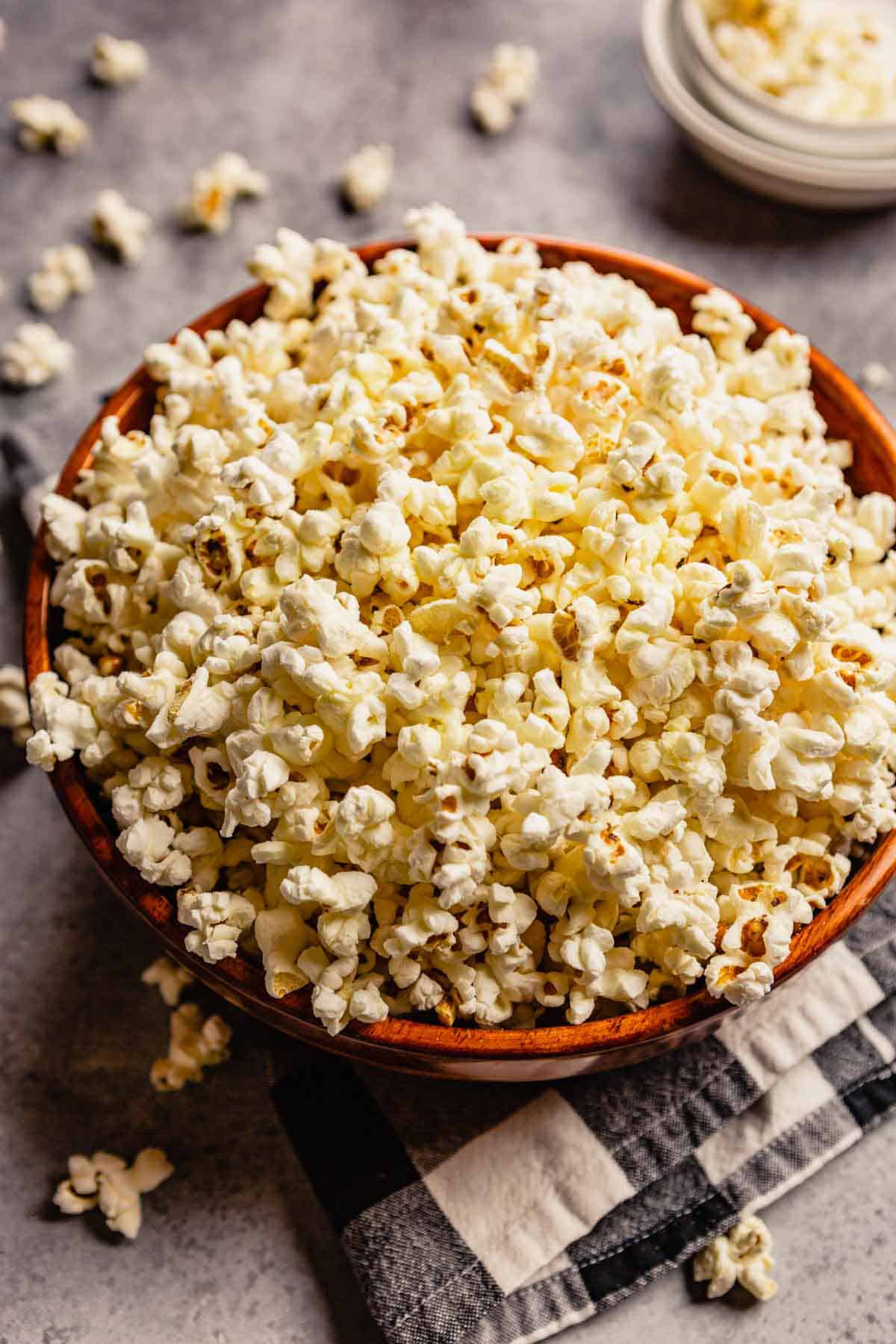
Popcorn is a special type of corn with a hard outer shell. Inside each kernel is a small amount of water and soft starch. When the kernel heats up, its water turns into steam.
Pressure builds inside the shell until the kernel bursts. The soft starch expands and cools into the white popcorn you eat.
The best kernels usually contain about 13% to 15% moisture. If they are too dry, they may not pop well. If they are too damp, they can turn chewy instead of crisp.
Here is what each ingredient does:
- Popcorn kernels provide the starch and moisture needed for popping.
- Oil spreads heat around the kernels and helps prevent scorching.
- Salt adds flavor, but it should be applied after popping for the best texture.
- Butter adds richness, but melted butter can make popcorn soggy if you use too much.
The goal of how to make perfect popcorn is simple: heat the kernels evenly without burning the oil or trapping too much steam.

How to make perfect popcorn on the stove
The stovetop method gives you the most control. It also produces crisp popcorn with fewer unpopped kernels than many basic microwave methods.
Ingredients and tools
For about 8 cups of popped popcorn, use:
- ½ cup popcorn kernels
- 2 tablespoons neutral oil, such as canola, avocado, grapeseed, or vegetable oil
- ½ teaspoon fine salt, or more to taste
- A large, heavy pot with a lid
- A large bowl for serving
A pot with a thick base works best because it spreads heat more evenly. A thin pot can create hot spots that burn the kernels before the rest pop.
Step-by-step method
-
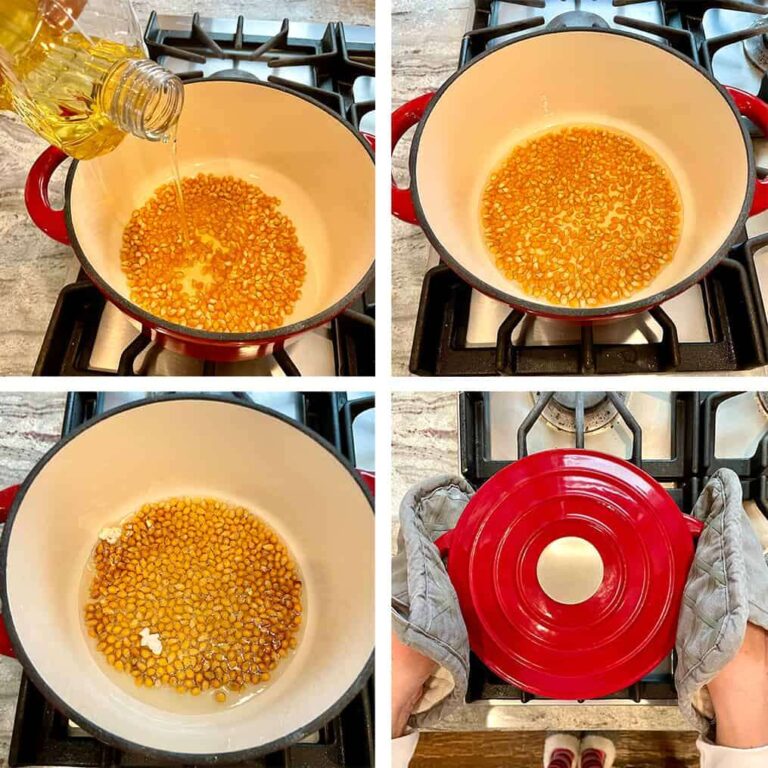
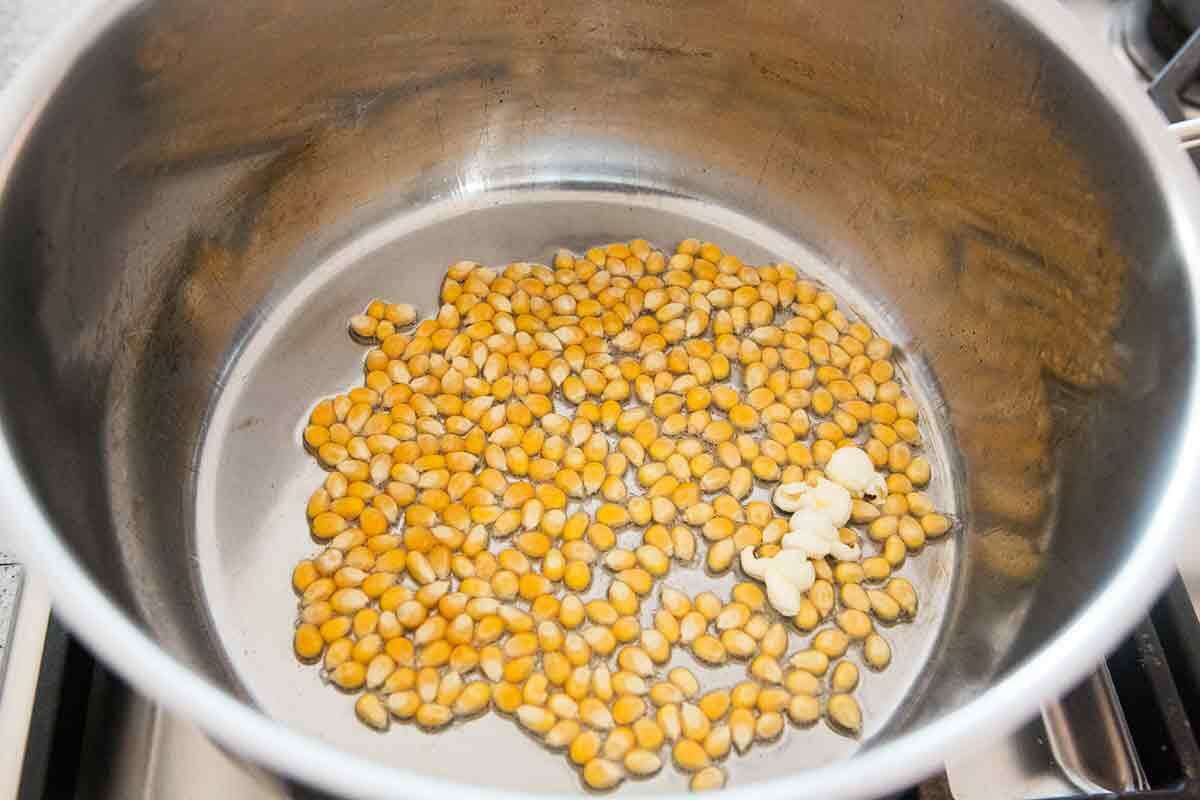
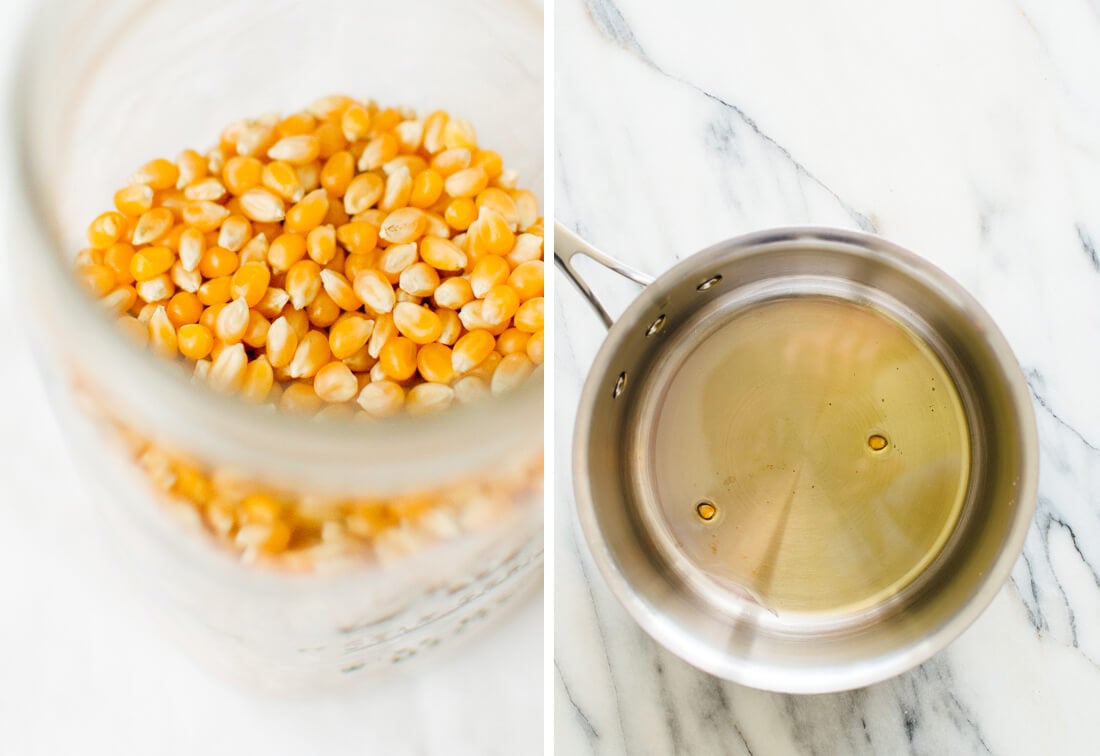
Add the oil and three popcorn kernels to the pot.
-
Cover the pot and place it over medium heat.
-
Wait for the three test kernels to pop. This shows that the oil is hot enough.
-
Remove the pot from the heat for about 30 seconds.
-
Add the remaining kernels. Swirl the pot gently so the oil coats them.
-
Return the pot to medium heat and cover it again.
-
Leave the lid slightly open, if your lid design allows it. This lets steam escape while keeping the popcorn inside.
-
Gently shake the pot every few seconds. Use a firm grip and keep the base close to the burner.
-
When the popping slows to about one pop every two seconds, remove the pot from the heat.
-
Wait a few seconds, then carefully remove the lid.
-
Pour the popcorn into a large bowl right away.
-
Add salt, melted butter, or other seasonings while the popcorn is still warm.
The short rest after heating the oil is one of the most useful steps in how to make perfect popcorn. It gives the kernels time to warm more evenly, so fewer kernels sit in the pot while others burn.
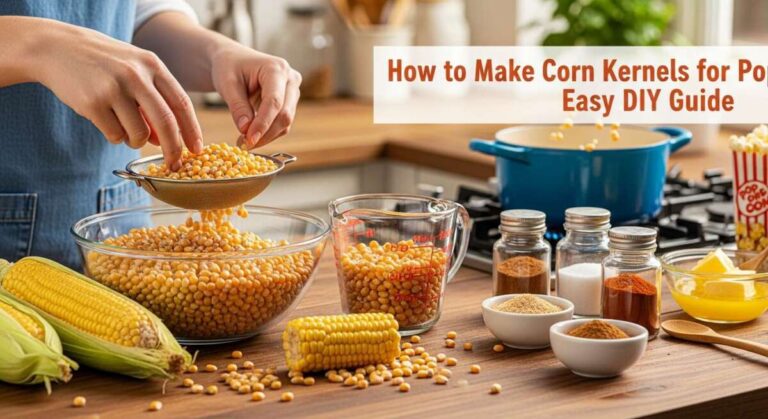
src="https://www.browneyedbaker.com/wp-content/uploads/2021/03/how-to-make-popcorn-ingredients.jpg"
alt="choosing the best popcorn kernels and oil”
style=”max-width: 100%; height: auto; border: 2px solid black; border-radius: 10px; display: block; margin: 0 auto;”
loading=”lazy”
/>
choosing the best popcorn kernels and oil
Fresh kernels matter more than many people think. Check the package for a recent date, and store the kernels in a sealed container at room temperature. Do not keep them in the refrigerator, where temperature changes can affect texture.
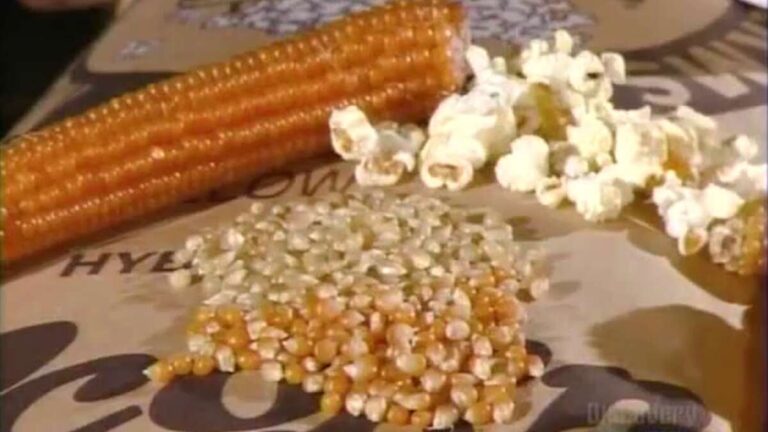
Yellow kernels often make large, classic movie-style popcorn. White kernels tend to be smaller and more tender. Mushroom kernels pop into round balls and work well with caramel or chocolate coatings.
For oil, choose one with a mild taste and a suitable smoke point. Good options include:
- Canola oil for a neutral flavor
- Avocado oil for high-heat cooking
- Grapeseed oil for a light taste
- Coconut oil for a movie-theater style flavor
- Vegetable oil for an affordable everyday choice
Extra-virgin olive oil can work over moderate heat, but it may add a strong flavor and smoke if the pan gets too hot. Butter is not ideal for popping because milk solids can burn. Use butter after the kernels pop instead.
When testing how to make perfect popcorn, I find that fresh kernels and neutral oil create a better base than expensive toppings. The simple details usually matter most.

How to make perfect popcorn in the microwave
Microwave popcorn is quick, but you do not need a prepared microwave bag. You can use plain kernels and a microwave-safe glass bowl with a vented lid.
Add ¼ cup of kernels to the bowl. Cover it with a microwave-safe lid that allows steam to escape. Do not seal the bowl tightly.
Microwave on high for two to four minutes. Stop the microwave when the popping slows to about two seconds between pops. The exact time depends on your microwave and bowl.
Avoid using a brown paper bag unless it is labeled microwave-safe. Some bags contain glue, coatings, or materials that are not made for high heat.
Microwave popcorn can be a helpful part of how to make perfect popcorn when you need a fast snack. Still, stovetop popcorn usually gives you better control over oil, salt, and flavor.
How to season popcorn without making it soggy
Seasoning should stick to the popcorn without weighing it down. The best method is to add flavor in small amounts while tossing the popcorn.
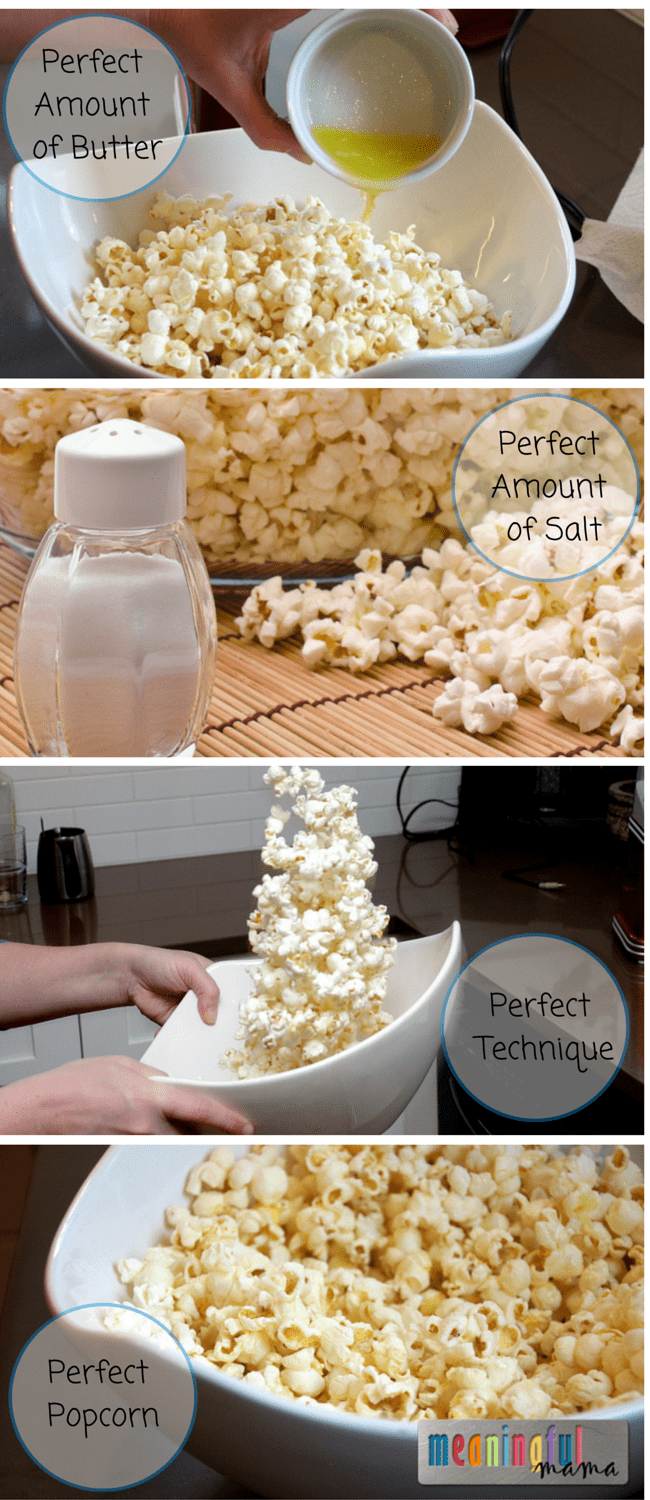
For buttered popcorn, melt the butter gently. If possible, use clarified butter or ghee because it contains less water than regular butter. Drizzle it slowly while tossing the popcorn from the bottom of the bowl upward.
For dry seasonings, use a fine powder. Large salt crystals often fall to the bottom. You can also grind coarse salt in a spice grinder for a smoother coating.
Try these flavor ideas:
- Classic: Fine salt and melted butter
- Savory: Nutritional yeast, garlic powder, and black pepper
- Spicy: Smoked paprika, cayenne, and lime zest
- Sweet and salty: Fine salt with a light dusting of cinnamon sugar
- Herb style: Dried parsley, rosemary, and grated Parmesan
- Cheese flavor: Finely grated Parmesan or cheddar powder
A light mist of cooking spray can help dry seasonings stick. Use only a small amount, or the popcorn may lose its crunch.
The key lesson in how to make perfect popcorn is to season in layers. Add a little popcorn, a little topping, and a little more popcorn. This spreads the flavor better than pouring everything on top.

Common popcorn mistakes to avoid
Even a good recipe can fail when the heat or timing is off. These are the mistakes I see most often when making popcorn at home.
Using too much oil
The kernels need a thin coating of oil, not a deep pool. Too much oil makes the popcorn greasy and can mute its flavor.
Cooking over high heat
High heat may pop the kernels quickly, but it also creates burnt spots. Medium heat gives the kernels time to warm through.
Filling the pot too much
Popcorn expands several times its original size. If the pot is crowded, some kernels may not touch the oil evenly. Use a large pot, or cook in batches.
Keeping the lid tightly closed
A sealed lid traps steam. That steam can make popcorn soft. Leave a small vent when safe to do so, and keep the opening pointed away from your face.
Waiting too long to stop
The first few seconds of silence do not mean every kernel is finished. However, once popping slows to one pop every two seconds, the risk of burning rises quickly.
Adding wet toppings too soon
Hot sauce, syrup, and large amounts of regular butter can soften popcorn. Add them just before serving, and eat the popcorn soon after.
Ignoring unpopped kernels
Never bite down quickly on the last handful. Pour the popcorn into a separate bowl and leave the hard kernels behind.
Avoiding these errors makes how to make perfect popcorn much more repeatable. Good popcorn is not about luck. It is about managing heat, air, moisture, and time.

How to keep popcorn crisp
Fresh popcorn tastes best right away, but you can keep it crisp for later. First, let it cool fully before storing it. Warm popcorn releases steam inside the container, which leads to a soft texture.
Store cooled popcorn in an airtight container or resealable bag. Keep it at room temperature and away from humidity. Do not refrigerate it, because the cold air can affect its texture and flavor.
For the best quality, eat homemade popcorn within one or two days. If it loses some crunch, spread it on a baking sheet and warm it in a low oven for a few minutes. Watch it closely because sugar-based coatings can burn.
Do not store popcorn with fresh herbs, fruit, or wet sauces. Add those just before eating.
A reliable popcorn ratio
A simple ratio makes it easier to scale a recipe.
Use:
- 2 tablespoons of oil for every ½ cup of kernels
- ½ cup of kernels for about 8 cups of popped popcorn
- ½ teaspoon of fine salt as a starting point
The final amount can vary. Kernel size, moisture, pot shape, and heat all affect the yield.
For a small snack, use ¼ cup of kernels and 1 tablespoon of oil. For a group, use 1 cup of kernels in a very large pot or make two batches.
This ratio is a useful starting point for how to make perfect popcorn, but taste and equipment still matter. Adjust the salt and toppings after you see how the batch turns out.

Safety tips for homemade popcorn
Hot oil and steam can cause burns, so use care.
- Keep the pot handle turned away from the edge of the stove.
- Use a lid that fits well but allows steam to escape.
- Open the lid away from your face and hands.
- Do not leave heating oil unattended.
- Never pour water into hot oil.
- Let the pot cool before washing it.
- Keep children away from the stove during popping.
If oil begins to smoke heavily, turn off the heat and move the pot carefully if it is safe. Do not add kernels to smoking oil.
Food safety guidance also supports keeping cooked food away from moisture and storing it in clean, sealed containers. Popcorn is low in moisture, but toppings can change how long it stays fresh.
Frequently Asked Questions About How to Make Perfect Popcorn
What is the best oil for making popcorn?
Canola, avocado, grapeseed, vegetable, and refined coconut oil are good choices. Pick an oil with a mild flavor and a smoke point that suits medium-high cooking.
Why does my popcorn burn before all the kernels pop?
The heat may be too high, or the pot may have a thin base that creates hot spots. Use medium heat, shake the pot often, and remove it when popping slows.
Should I soak popcorn kernels before cooking?
No. Soaking adds extra water to the kernels and can create steam, splattering, and soft popcorn. Properly stored kernels already contain the moisture needed to pop.
How do I make popcorn taste like movie theater popcorn?
Use coconut oil or another neutral oil, fine salt, and a small amount of melted butter or clarified butter. Apply the butter slowly while tossing so it coats the popcorn instead of pooling at the bottom.
Why is my homemade popcorn chewy?
Trapped steam is the most common cause. Vent the lid during cooking, pour the popcorn into a wide bowl, and avoid adding wet toppings until you are ready to eat.