Does Popcorn Make You Fat: Calories And Healthy Tips
Popcorn does not usually cause weight gain; excess calories from butter, oil, sugar, and large portions do.
The answer to “does popcorn make you fat” depends on the type, serving size, and toppings you choose. Plain air-popped popcorn can fit well into a balanced diet because it is a whole grain with fiber, while movie theater popcorn and heavily coated snack popcorn can contain hundreds of extra calories. This guide explains the difference with practical tips and evidence-based nutrition advice.
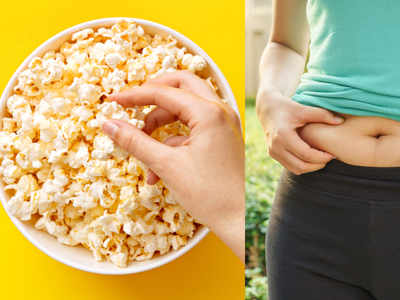
Does popcorn make you fat?
Popcorn itself does not automatically make you gain fat. Weight gain happens when you eat more calories than your body uses over time. Since popcorn can be low in calories when air-popped, it may be a filling snack for people who want to manage their weight.
The problem often comes from what is added to popcorn. Oil, butter, cheese powder, caramel, chocolate, and large amounts of salt can quickly change a light snack into a calorie-dense treat.
A cup of plain air-popped popcorn has about 30 calories, according to standard food composition data. However, a large bucket of movie theater popcorn may contain several hundred calories before extra butter is added.
So, does popcorn make you fat? Plain popcorn in a sensible portion usually does not. High-calorie popcorn eaten often and in large amounts may contribute to weight gain.

Why plain popcorn can support weight management
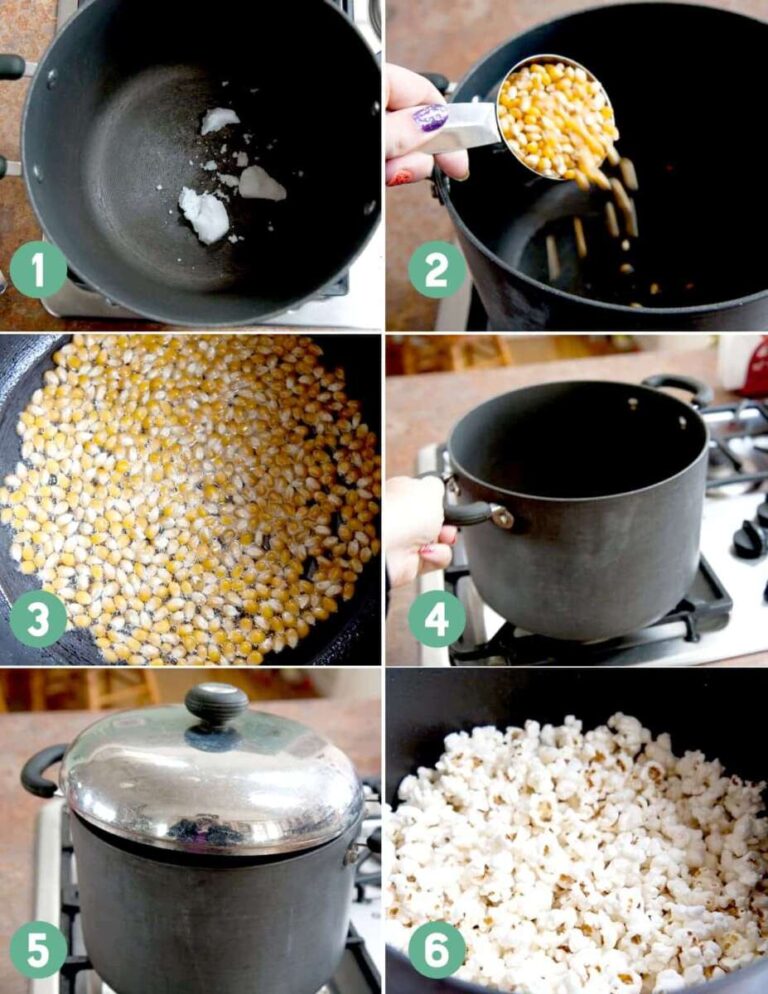
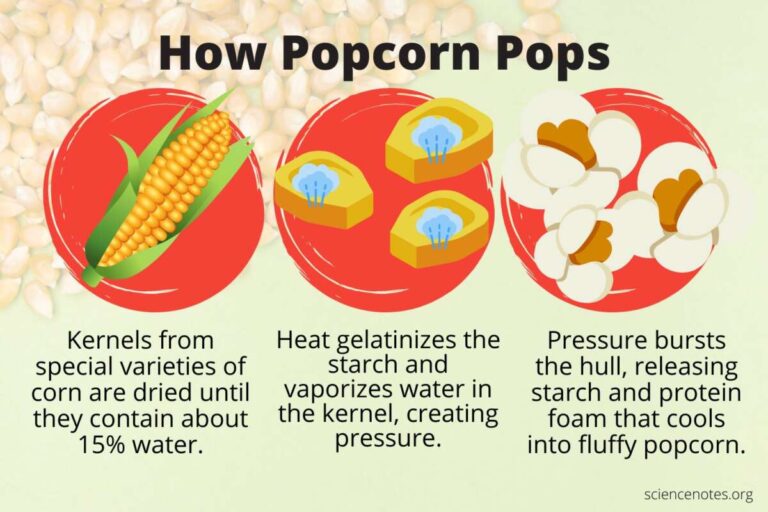
Popcorn is made from whole corn kernels. When heated, the water inside the kernel turns to steam and makes the kernel expand. The result is a light food with much more volume than its original size.
This matters because high-volume foods can help you feel satisfied. You may eat a large bowl of air-popped popcorn without consuming as many calories as you would from chips, cookies, or candy.
Popcorn also contains fiber. Fiber supports fullness and helps slow digestion. It may also support regular bowel movements and better overall digestive health.
A three-cup serving of air-popped popcorn provides roughly:
• About 90 to 100 calories
• Around 3 grams of protein
• About 3 to 4 grams of fiber
• Very little fat when no oil or butter is added
These numbers can vary by brand and preparation method. Still, they show why plain popcorn can be a smart snack.
However, popcorn is not a magic weight-loss food. It cannot cancel out an overall diet that is high in calories. Think of it as an empty canvas: the kernel is light, but the toppings can change the whole picture.

When popcorn becomes high in calories
The answer to “does popcorn make you fat” changes when the popcorn contains large amounts of added fat or sugar. Toppings are often the main reason a popcorn serving becomes calorie-heavy.
Common calorie-raising additions include:
• Butter or butter-flavored oil
• Coconut oil or other cooking oils
• Caramel coating
• Cheese seasoning
• Chocolate drizzle
• Nuts and candy pieces
• Large amounts of salt that encourage more eating
Oil contains about 120 calories per tablespoon. Butter contains about 100 calories per tablespoon. If you pour several tablespoons over a bowl, the calories can rise quickly without making the popcorn much more filling.
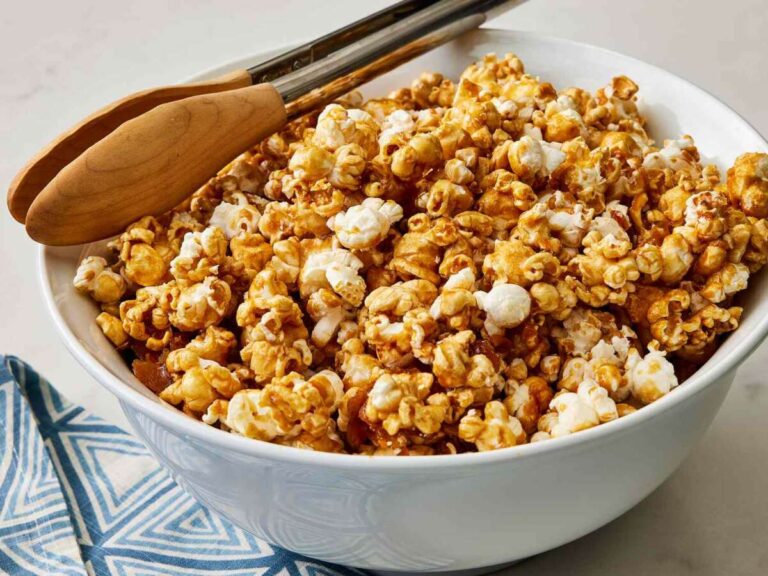
Caramel popcorn can be even more concentrated because it combines popcorn with sugar syrup. A small serving may be reasonable, but large bags can contain several servings.
This is why reading the nutrition label matters. The label may list one serving as 2 or 3 cups, while the bag contains 5 or 6 servings. Eating the entire bag can multiply the listed calories.
:max_bytes(150000):strip_icc()/popcorn_annotated-9acd5997277f4de8bb116048eee0cff5.jpg)
Movie theater popcorn and weight gain
Movie theater popcorn is one of the easiest types to underestimate. A large container may look like one serving, but it can hold several servings. Added oil and topping mixtures may also make the calorie count much higher than expected.
Some theater popcorn portions can contain more than 1,000 calories, especially when extra topping is added. Exact values vary by theater, size, recipe, and preparation method.
The popcorn is not the only concern. A typical movie snack may include:
• A large popcorn
• A sugary soda
• Candy or chocolate
• Extra butter topping
Together, these items can provide a large share of a person’s daily calorie needs. Eating this combination once will not suddenly cause fat gain, but having it often can make weight control harder.
A practical approach is to choose a small size, share it, skip extra topping, or bring a measured snack when allowed. Drinking water instead of a sugary beverage can also reduce the total calorie load.

Is popcorn healthy?
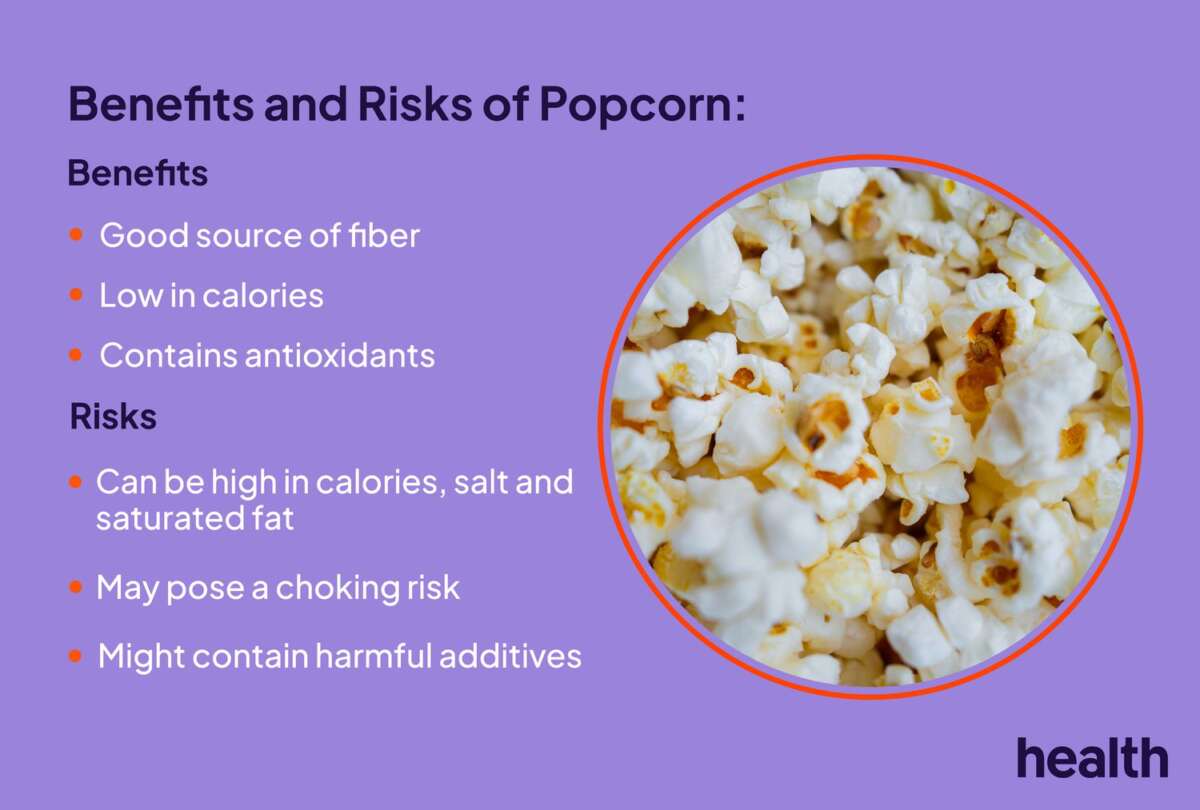
Plain popcorn can be part of a healthy diet. It is a whole-grain food, and whole grains are linked with better diet quality when they replace refined foods.
Popcorn also contains small amounts of minerals and plant compounds. Its main health advantage, though, is simple: it can provide volume and fiber for relatively few calories.
Not every popcorn product has the same nutritional value. Microwave popcorn may contain added oils, salt, and flavorings. Some versions are lower in calories, while others are rich in saturated fat.
When choosing packaged popcorn, check:
• Calories per serving
• Number of servings per bag
• Added sugars
• Saturated fat
• Sodium
• Type and amount of added oil
Popcorn should also be part of a varied diet. It does not provide all the nutrients found in vegetables, fruit, beans, dairy foods, eggs, fish, or lean meats.
How many calories are in popcorn?
Calories depend on how popcorn is made. Here is a general comparison:
• One cup of air-popped popcorn: about 30 calories
• Three cups of air-popped popcorn: about 90 to 100 calories
• Three cups made with some oil: often 120 to 180 calories
• Three cups with butter: may reach 200 calories or more
• Caramel popcorn: often 120 to 200 calories per cup
• Movie theater popcorn: may range from several hundred to more than 1,000 calories per container
These are estimates, not universal values. Brands and serving sizes differ, so use the package label when available.
The best way to understand your portion is to measure popcorn once. After that, you can use a bowl or container that matches your usual serving. Eating directly from a large bag makes it much easier to lose track.
:max_bytes(150000):strip_icc()/Health-Popcorn-stocksy-4230703-horiz-fb13850a11904877a16e6bb6596e967f.jpg)
How to eat popcorn without gaining weight
You do not need to avoid popcorn to manage your weight. A few simple habits can help keep it filling and moderate in calories.
Choose air-popped popcorn
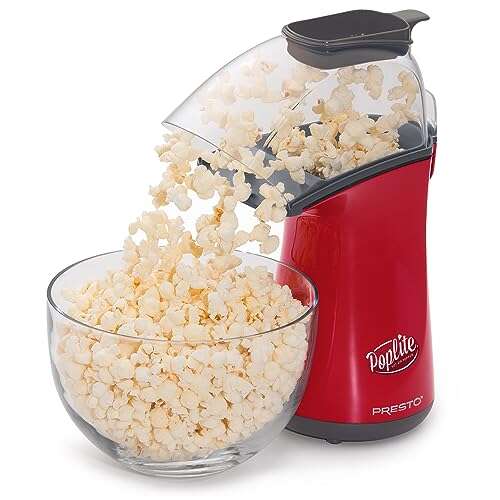
Air-popped popcorn needs no oil for cooking. You can add flavor with spices, herbs, or a small amount of oil after popping.
Good low-calorie flavor ideas include:
• Garlic powder
• Smoked paprika
• Black pepper
• Chili powder
• Cinnamon for a sweet taste
• Nutritional yeast
• Dried herbs
• A small amount of grated Parmesan
Measure added oil
Oil is not unhealthy by itself, but it is calorie-dense. Use a teaspoon or tablespoon rather than pouring oil freely from the bottle.
A light coating can improve flavor without turning popcorn into a high-calorie meal.
Control the portion
A reasonable snack portion may be 3 to 4 cups of air-popped popcorn. Your needs may be higher or lower based on your body size, activity, hunger, and total diet.
Place the portion in a bowl before eating. This small step can prevent mindless snacking.
Pair popcorn with protein
Popcorn contains some fiber but not much protein. If you need a snack that keeps you full for longer, pair it with a protein-rich food, such as:
• Greek yogurt
• Cottage cheese
• A boiled egg
• A small handful of nuts
• Edamame
• A glass of milk
This combination can be more satisfying than eating a large bowl of popcorn alone.
Avoid turning it into a full meal
Popcorn can be a snack, but it should not replace a balanced meal on a regular basis. If you eat only popcorn for hours, you may become very hungry later and overeat higher-calorie foods.

Can popcorn help you lose weight?
Popcorn may help with weight loss when it replaces a higher-calorie snack. For example, three cups of air-popped popcorn can provide more volume than a small serving of chips for fewer calories.
The key is replacement, not addition. If you eat popcorn after your normal snacks and meals, you may simply increase your total calorie intake.
A useful example is this:
- Replace a 300-calorie bag of chips with 3 cups of plain popcorn.
- Add a small amount of seasoning or one teaspoon of oil.
- Eat it slowly from a bowl.
- Track how hungry you feel afterward.
This may reduce calories while keeping the eating experience enjoyable. Still, weight loss depends on your full eating pattern, activity, sleep, stress, and health status.
Research on weight management consistently supports higher-fiber eating patterns, but no single food causes fat loss on its own. Popcorn can support the plan, but it is not the plan.
Common mistakes when eating popcorn
Many people ask, “does popcorn make you fat?” after noticing that they gain weight while eating it often. In these cases, the issue is usually portion size or preparation.
Here are common mistakes to avoid:
• Treating a large bag as one serving
• Adding oil without measuring it
• Using several tablespoons of butter
• Eating popcorn while watching television
• Choosing caramel or cheese popcorn every day
• Drinking soda with the popcorn
• Assuming “whole grain” means unlimited
• Eating popcorn in addition to regular snacks
Mindless eating is especially common with popcorn because it is easy to eat handful after handful. The bowl may look light, but several cups can disappear quickly.
One practical lesson from food tracking is that people often forget to record toppings. They count the popcorn but overlook the oil, butter, or sugary coating. Measuring these extras gives a much clearer picture.
Does popcorn cause belly fat?
Popcorn does not specifically cause belly fat. Body fat increases when total calorie intake stays above energy needs over time, and fat distribution is influenced by genetics, hormones, age, and other factors.
Eating a large amount of buttery or caramel popcorn may add enough calories to support weight gain, including around the abdomen. But the food does not send fat only to your belly.
Bloating is different from fat gain. Salty popcorn may cause temporary water retention, while eating a large amount of fiber may cause gas in some people. These changes can make your stomach feel fuller without representing permanent fat gain.
If you notice ongoing abdominal weight gain, consider your overall pattern rather than blaming one food. A health professional can help if the change is rapid, unexplained, or linked with other symptoms.
Is microwave popcorn fattening?
Microwave popcorn is not automatically fattening. Some brands are moderate in calories, while others contain more oil, saturated fat, and sodium.
Read the label before choosing a product. Compare calories for the entire bag, not just the listed serving. Also check whether the bag contains added butter flavor, palm oil, or other fats.
You can make a simple homemade version by placing popcorn kernels in a paper bag made for microwave use or using a covered microwave-safe bowl. Avoid sealed containers that are not designed for heating.
Homemade popcorn gives you more control over oil and salt. It also helps you understand how much you are eating.
Who should limit popcorn?
Most people can enjoy popcorn safely. Some people may need to adjust how they eat it.
You may want to limit or modify popcorn if you:
• Have difficulty digesting large amounts of fiber
• Need to follow a low-sodium diet
• Have a food allergy to a seasoning or topping
• Have dental problems that make kernels difficult to chew
• Need to manage blood sugar and choose sugary popcorn
• Have trouble controlling portions
People with digestive disorders should follow advice from a qualified clinician. Plain popcorn may be tolerated by some people but may worsen symptoms for others.
Also, young children should not eat whole popcorn kernels because of choking risk. Follow age-appropriate feeding guidance from a pediatric professional.
Frequently Asked Questions About Does Popcorn Make You Fat
Does eating popcorn every day make you gain weight?
Eating popcorn every day does not automatically cause weight gain. Weight changes depend on the portion, toppings, and your total daily calorie intake.
Is popcorn good for weight loss?
Plain air-popped popcorn can support weight loss because it is low in calories and provides fiber. It works best when it replaces a higher-calorie snack instead of being added to your usual intake.
Does buttered popcorn make you fat?
Buttered popcorn can contribute to weight gain if you eat large portions often. Butter adds calories quickly, so measure it and use a small amount when possible.
Is movie theater popcorn fattening?
Movie theater popcorn can be high in calories because it often contains large portions and added oil or topping. Sharing a small size and skipping extra topping can make it easier to fit into your diet.
Can I eat popcorn at night?
You can eat popcorn at night if it fits your hunger and daily calorie needs. Eating at night does not automatically cause fat gain, but mindless snacking while watching television can lead to larger portions.
Is caramel popcorn unhealthy?
Caramel popcorn is usually higher in sugar and calories than plain popcorn. A small portion can fit into a balanced diet, but it is less suitable as an everyday snack.
What is the healthiest way to eat popcorn?
Air-pop the kernels or use a small amount of oil, then season them with herbs and spices. Measure your portion and check packaged popcorn labels for calories, sodium, and added fat.