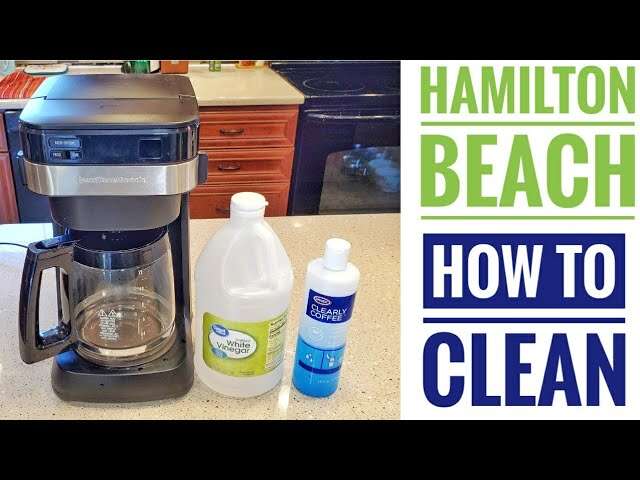
Cleaning a Hamilton Beach FlexBrew coffee maker is simple: unplug it, wash the removable parts, wipe the machine, then run a cleaning cycle with white vinegar or a coffee-maker descaling solution. Rinse the system with fresh water before making coffee again.
This guide applies to common Hamilton Beach FlexBrew models sold in the United States, including single-serve, 2-Way, and programmable versions. Parts and cleaning buttons can differ by model, so use your owner’s manual when its instructions differ from this guide.
Introduction
Coffee oils, mineral scale, and old water can build up inside a FlexBrew coffee maker. These deposits may cause slow brewing, weak coffee, odd tastes, leaking, or a blinking CLEAN light.
The safest routine is to clean the removable parts after use and descale the internal water path when needed. Never put the main coffee maker body in water, and never clean a hot machine.


What You Need Before Cleaning
Gather these items before you begin:
- Warm water
- Mild dish soap
- A soft sponge or cloth
- A non-abrasive bottle brush or small cleaning brush
- A clean sink
- White vinegar or a coffee-maker descaling solution
- A large bowl, carafe, or mug
- Fresh water for rinsing
Use plain white vinegar unless your model’s manual says otherwise. Do not use bleach, abrasive powders, steel wool, oven cleaner, or other harsh chemicals.
Check the Exact FlexBrew Model
Hamilton Beach makes several FlexBrew designs. A model may brew:
- A single cup from a ground–coffee basket
- A single cup from a K-Cup pod
- A full pot from a paper filter and coffee grounds
- A travel mug or larger container
The water reservoir, filter basket, pod holder, carafe plate, and control panel may vary. Look for the model number on the bottom or back of the machine. Then check the matching instructions through Hamilton Beach’s official product support page.
The manual controls the details, such as:
- Whether the brew basket is dishwasher safe
- How much vinegar to use
- Whether the model has a CLEAN button
- How to start the cleaning cycle
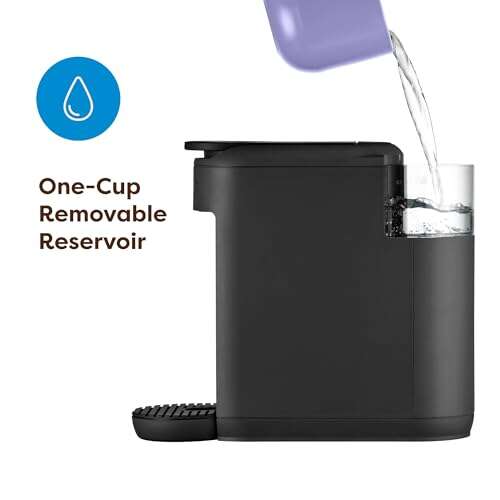
- Whether the water reservoir can be removed
How to Clean a Hamilton Beach FlexBrew Step by Step
Follow this process for routine cleaning and mineral removal. If your FlexBrew model has a dedicated cleaning cycle, use it rather than forcing a normal brew cycle.
1. Turn Off and Unplug the Coffee Maker
Turn the machine off. Unplug it from the wall and allow the heating plate, brew head, and other hot parts to cool fully.
Remove any pod, coffee grounds, paper filter, or used coffee from the machine. Pour out old water from the reservoir and carafe.
Unplugging first reduces the risk of burns and electrical shock.
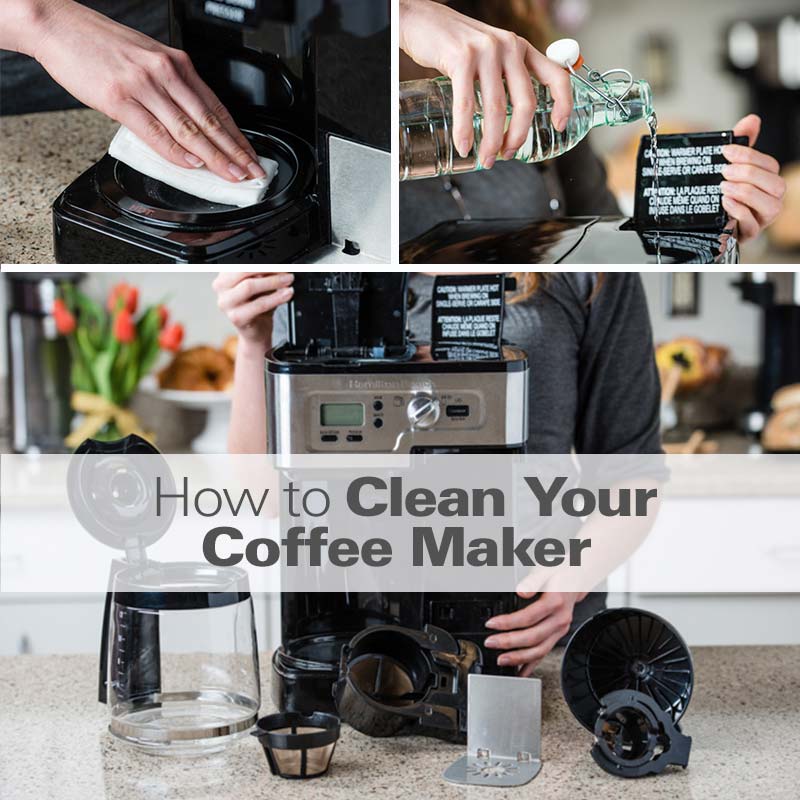
2. Remove the Washable Parts
Take out the parts that touch coffee or water, such as:


- Carafe and lid
- Ground-coffee filter basket
- Single-serve brew basket
- Pod holder
- Removable water reservoir
- Drip tray, if your model has one
- Reusable filter, if supplied with the machine
Do not remove fixed parts that are not designed to come out. If a part does not release with light pressure, check the manual instead of prying it loose.
3. Wash the Parts With Mild soap
wash the removable parts in warm water with a small amount of mild dish soap. Use a soft sponge to remove coffee oils and residue.
Clean these areas carefully:
- The bottom of the filter basket
- Small holes in the brew basket
- The inside of the carafe lid
- The pod holder
- The reservoir opening
- The area beneath the filter basket
A soft brush can help clear coffee grounds from small openings. Rinse every part well so soap does not affect the next brew.
If the manual permits dishwasher use, place only the listed parts on the recommended rack. Do not assume every FlexBrew accessory is dishwasher safe.
4. Wipe the Main Unit
Dampen a soft cloth and wipe the outside of the coffee maker. Clean the control panel, brew area, warming plate, and any visible spills.
Never immerse the coffee maker body, power cord, or plug in water. Do not pour water over the machine. Moisture inside the electrical housing can damage the unit and create a safety hazard.
For dried coffee, place a damp cloth over the spot for a few minutes. Then wipe it away without using an abrasive pad.
5. Clean the Needle and Brew Area
Some FlexBrew models use a puncture needle to open a single-serve coffee pod. Coffee grounds can collect around this area.
With the machine unplugged and cool, inspect the needle and surrounding brew head. Remove loose residue with a soft brush or a clean, damp cloth.
Do not push a sharp object deep into the needle. You could damage the part or force debris farther inside. If the needle remains blocked, follow the model-specific cleaning instructions in the manual.
6. Reassemble the Coffee Maker
Put the clean filter basket, pod holder, reservoir, drip tray, and carafe back in place.
Make sure:
- The filter basket sits flat
- The carafe is centered correctly
- The reservoir is seated
- The lid closes fully
- No coffee grounds remain around the brew head
- The machine is empty of coffee and pods
A poorly seated basket or carafe can cause dripping, overflow, or a brew cycle that does not start.
7. Run the Cleaning Cycle
If your FlexBrew has a CLEAN button or cleaning indicator, fill the reservoir with the cleaner specified in the manual. Place the empty carafe or a large container under the outlet, then start the cleaning cycle.


The cleaning cycle may run more slowly than a normal brew. That is expected. It gives the cleaning liquid more contact time with mineral deposits inside the water path.
Do not drink the liquid collected in the carafe. Discard it after the cycle ends.
8. Rinse the Internal System
Run fresh water through the machine after cleaning. Use a full reservoir of clean water, then repeat as needed until the vinegar smell is gone.
A practical check is to smell the water in the carafe. If it still smells strongly of vinegar or cleaner, run another fresh-water cycle.
Wash the carafe and filter basket again before brewing coffee.

How to Descale a FlexBrew With Vinegar
Vinegar can help loosen mineral scale inside the water path. Scale is more common when the machine uses hard tap water or when water sits in the reservoir for long periods.
Use this general method only when it matches your model’s instructions:
- Empty and unplug the coffee maker.
- Remove coffee grounds, paper filters, and pods.
- Add the recommended vinegar mixture to the water reservoir.
- Place the empty carafe or a large container under the outlet.
- Start the CLEAN cycle, if available.
- If there is no cleaning cycle, run a normal brew cycle according to the manual.
- Discard the used vinegar solution.
- Run at least one full reservoir of fresh water through the machine.
- Repeat the rinse cycle if any vinegar odor remains.
- Wash the removable parts before making coffee.
Many coffee-maker instructions use a mixture of white vinegar and water, but the amount differs by model. Some manuals call for undiluted vinegar, while others specify a diluted mixture. Follow the manual for the exact ratio.
Vinegar or Commercial Descaler?
Both options can remove mineral buildup, but they are not identical.
| Cleaning option | Main benefit | Limitation |
|---|---|---|
| White vinegar | Easy to find and inexpensive | Strong smell and taste if not rinsed well |
| Coffee-maker descaler | Made for mineral removal and often less odor | Must be used according to its label |
| Soap and water | Good for removable parts and coffee oils | Does not replace internal descaling |
Do not mix vinegar with commercial cleaner, bleach, or other chemicals. Use one cleaning product at a time, then rinse the machine fully.

How Often Should You Clean a Hamilton Beach FlexBrew?
Clean the removable parts after each use or at least several times per week. Run an internal cleaning cycle when the machine shows a cleaning alert, when flow slows, or when the coffee develops an unusual taste.
A practical schedule looks like this:
| Task | Suggested timing |
|---|---|
| Empty used coffee and rinse the basket | After each brew |
| Wash the carafe, lid, and filter basket | After each use or daily |
| Wipe spills and the warming plate | As soon as spills occur |
| Clean the pod holder and brew area | Several times per week |
| Descale the water path | When prompted or when buildup appears |
| Rinse the reservoir | Daily if water sits in it overnight |
The best interval depends on water hardness and use. A busy household using hard tap water may need to descale more often than a household that uses the machine once a week with filtered water.


Keeping the reservoir empty between uses can also reduce stale-water odors. It does not remove the need for regular descaling.

Signs Your FlexBrew Needs Cleaning
Your coffee maker may need cleaning when you notice one or more of these signs:
- The brew cycle takes longer than usual
- Water flows slowly or stops
- The machine makes unusual pumping sounds
- Coffee tastes bitter, sour, or metallic
- Vinegar-like, stale, or moldy odors appear
- The CLEAN light turns on
- The coffee maker leaks near the brew basket
- The reservoir drains unevenly
- Coffee grounds appear in the cup
- The machine brews less coffee than expected
These signs do not always mean the same thing. Slow flow often points to mineral scale or a blockage. A leak may come from a misplaced basket, an overfilled filter, a damaged seal, or a cracked part.
Clean the machine first, then test it with plain water. If the problem continues, check the model manual or contact Hamilton Beach support.

What to Do If Cleaning Does Not Fix the Problem
Use the symptom to guide the next check.
The Machine Still Brews Slowly
Run another approved descaling cycle and complete the fresh-water rinse. Check the filter basket and pod holder for blocked holes.
If water still flows slowly, stop using the coffee maker until you identify the cause. A damaged pump, valve, or internal hose may need service.
The Coffee Tastes Like Vinegar
Run one or more full cycles with fresh water. Wash the carafe, lid, filter basket, and pod holder with mild soap.
Do not add coffee until the water has no strong vinegar smell.
The Machine Leaks
Check that the filter basket and carafe are seated correctly. Make sure the basket is not overfilled and that the paper filter is not folded or blocking the outlet.
Inspect the carafe and removable parts for cracks. Do not operate the machine with a cracked carafe or damaged electrical cord.
The FlexBrew Does Not Start
Confirm that the machine is plugged into a working outlet. Check that the reservoir, brew basket, and carafe are positioned correctly.
If the display remains off or the machine repeatedly stops, unplug it and contact the manufacturer. Do not open the electrical housing yourself.


The CLEAN Light Stays On
Complete the full cleaning cycle and the required fresh-water rinse. Some models clear the light only after the cleaning program finishes.
If the light remains on, consult the manual for a reset procedure. Do not assume that repeatedly pressing buttons will remove a blockage or repair a sensor.
Common Cleaning Mistakes to Avoid
Avoid these habits when cleaning a Hamilton Beach FlexBrew:
- Cleaning the machine while it is hot
- Leaving used coffee grounds in the basket
- Letting old water sit in the reservoir for days
- Submerging the main unit in water
- Using bleach inside the water path
- Mixing vinegar with other cleaners
- Scrubbing plastic parts with steel wool
- Pushing sharp tools into the puncture needle
- Running a cleaning cycle without a carafe or container
- Forgetting to rinse after using vinegar
- Assuming every removable part is dishwasher safe
- Brewing coffee before the cleaner has been fully flushed out
A clean machine should have a clear water path, no cleaner odor, no loose grounds, and no visible coffee residue around the brew area.

Frequently Asked Questions
Can I use baking soda to clean a Hamilton Beach FlexBrew?
Baking soda can help remove odors from washable parts, but it is not the best choice for dissolving mineral scale inside the coffee maker. Use the manufacturer-approved cleaning method or a coffee-maker descaler for the internal water path.
Can I put vinegar directly into the water reservoir?
Only use the amount and mixture allowed by your model’s instructions. Some Hamilton Beach manuals recommend a vinegar solution, but FlexBrew models do not all use the same cleaning process.
How many times should I rinse after cleaning with vinegar?
Run fresh water through the machine until the vinegar smell is gone. One full reservoir may be enough, but hard-to-remove odor can require another rinse cycle.
Should I clean the coffee maker after every cup?
Wash or rinse the coffee-contact parts after each use. You do not need to descale the internal system after every cup. Descaling is done less often, based on use, water hardness, and the machine’s cleaning alert.
Can I use a dishwasher for FlexBrew parts?
Only place parts in the dishwasher when the owner’s manual says they are dishwasher safe. When in doubt, wash them by hand with warm water and mild dish soap.
Final Checklist
Before you use the coffee maker again, confirm that:
- The machine is unplugged during hand cleaning
- All removable parts are clean
- The brew basket and pod holder are clear
- The water reservoir is rinsed
- The vinegar or descaler has been flushed out
- The carafe is clean and undamaged
- No water entered the electrical housing
- The coffee maker is fully reassembled
For most households, the best routine is simple: empty the coffee maker after use, wash the removable parts, wipe spills promptly, and descale when the machine signals or brewing slows. If cleaning does not solve a leak, electrical fault, or repeated blockage, stop using the machine and use Hamilton Beach’s model-specific support instructions.

Liora Pennings is a seasoned chef and kitchen enthusiast with a passion for turning everyday cooking into an effortless experience. With years of hands-on culinary expertise, she specializes in practical techniques, ingredient know-how, and smart kitchen solutions that help home cooks elevate their meals. At KitchFlair.com, Liora shares her best tips, time-saving tricks, and honest product reviews to guide readers toward a more efficient, enjoyable, and inspired cooking routine. Whether you’re a beginner or a seasoned home chef, Liora’s friendly, knowledge-packed insights make every visit to the kitchen a little easier—and a lot more delicious.