How To Clean Cuisinart Dual Coffee Maker: Easy Guide
Unplug, wash removable parts, descale both brewing systems, rinse well, and dry every part before reuse.
A Cuisinart Dual Coffee Maker has two separate brewing paths, so cleaning it well takes more than wiping the outside. I have found that the best results come from treating the carafe side and single-serve side as related but separate systems. This guide explains how to clean Cuisinart Dual Coffee Maker models safely, remove mineral buildup, prevent stale coffee taste, and avoid common mistakes that can damage the machine.
What You Need Before Cleaning a Cuisinart Dual Coffee Maker
Gather your supplies before you start. Most of the cleaning work uses simple items you may already have at home.
• Fresh water
• Mild dish soap
• A soft sponge or microfiber cloth
• A clean, dry towel
• White vinegar or a manufacturer-approved coffee maker descaling solution
• A small, soft cleaning brush
• A paper towel or cotton swab
• A large bowl or heat-safe container
Avoid steel wool, rough scrub pads, bleach, abrasive powder, and harsh sprays. These products can scratch the finish or leave unsafe residue inside the machine.
Before learning how to clean Cuisinart Dual Coffee Maker units, check the owner’s manual for your exact model. Cuisinart makes several dual coffee makers, and the clean light, filter design, water tank, and single-serve parts may differ slightly.

How Often Should You Clean a Cuisinart Dual Coffee Maker?
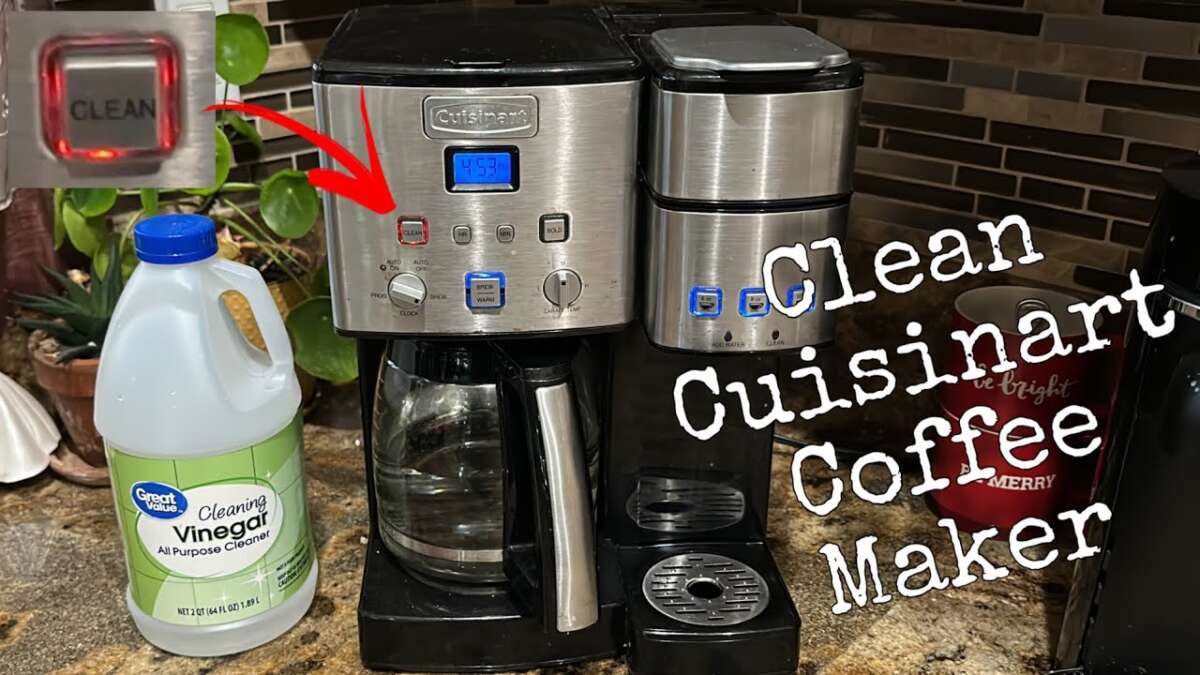
Clean the removable parts after each use. A deeper cleaning is usually needed once a week if you brew coffee every day. You should also descale the machine when the clean light comes on, the coffee flow slows, or the machine makes unusual noises.
Use this simple schedule:
• After every use: Empty the grounds, rinse the carafe, and rinse the single-serve filter or capsule holder.
• Weekly: Wash the brew basket, carafe lid, reusable filter, drip tray, and water reservoir if it is removable.
• Every one to three months: Descale the coffee maker, depending on water hardness and use.
• When needed: Clean the piercing needle, showerhead, and other areas where coffee oils or grounds collect.
Hard water leaves calcium deposits inside the heating system. These deposits can act like scale in a kettle. Over time, they restrict water flow and make the machine work harder.
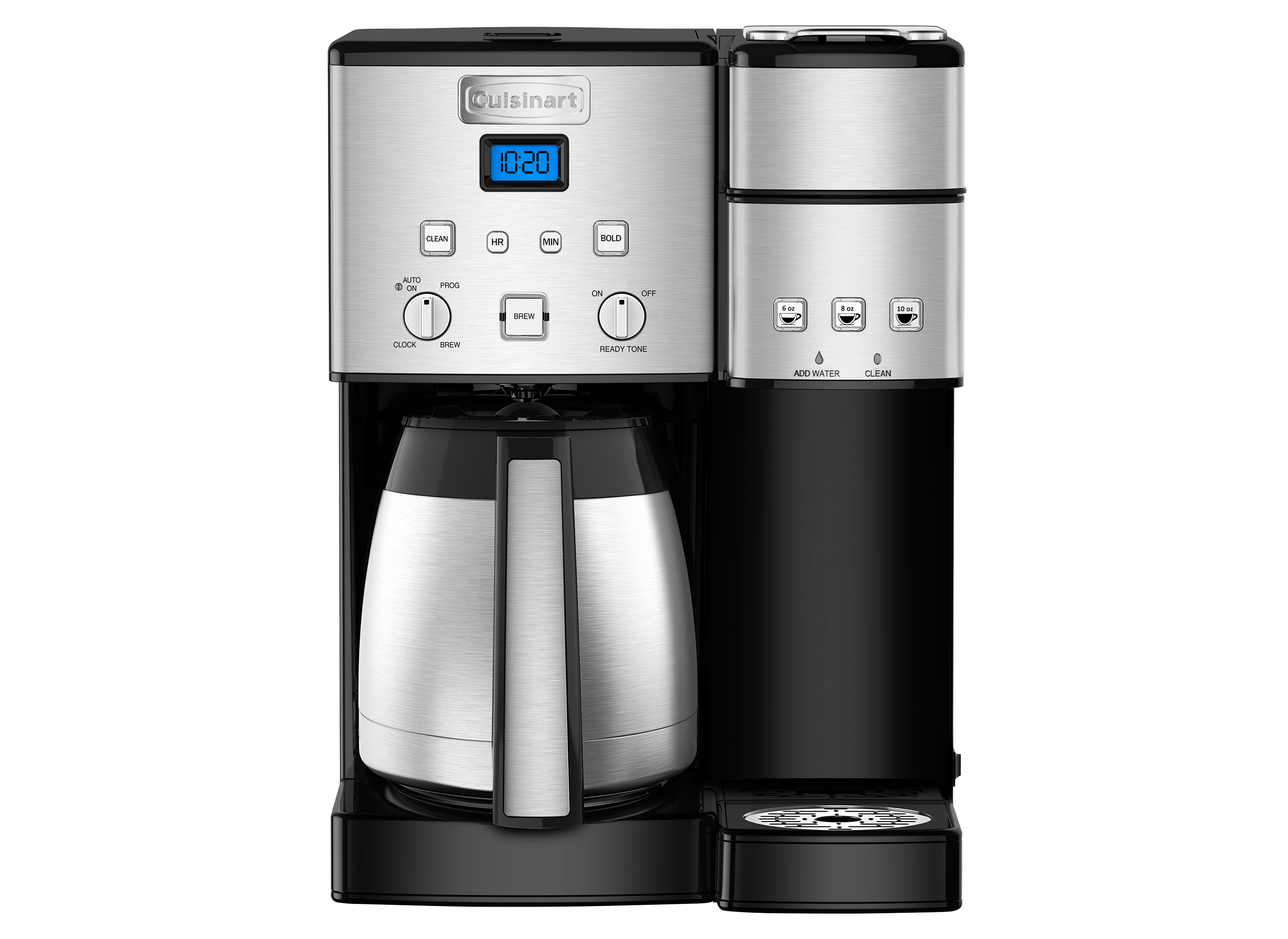
How to Clean Cuisinart Dual Coffee Maker Step by Step
The safest process has four parts: prepare the machine, wash removable parts, clean the inside, and rinse everything well.
1. Turn Off and Unplug the Machine
Turn off the coffee maker and unplug it from the wall. Let the hot plate, carafe, and brewing parts cool fully.
Never clean a plugged-in coffee maker with a wet cloth. Water can reach electrical parts and create a shock risk. It is also easy to burn yourself if the heating plate is still hot.
2. Remove Coffee Grounds and Pods
Take out the carafe, brew basket, paper filter, reusable filter, and single-serve capsule holder. Empty any used coffee pod or capsule.
Check the brewing area for loose grounds. A soft, dry brush or paper towel can remove them without pushing them deeper into the machine.
3. Wash the Removable Parts
Wash the following parts with warm water and mild dish soap:
• Glass carafe
• Carafe lid
• Coffee filter basket
• Reusable gold-tone filter
• Single-serve filter basket
• Capsule holder
• Drip tray
• Drip tray cover
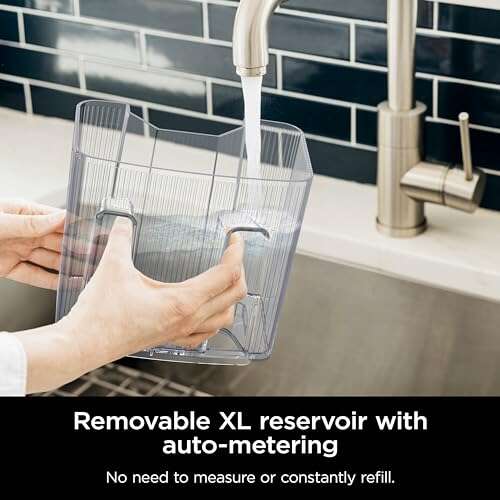
• Removable water reservoir
Use a soft sponge. Coffee oils often stick to the carafe lid and filter basket, even when the parts look clean. Rinse each item until no soap remains, then let it air-dry fully.
Some Cuisinart parts may be dishwasher-safe, but the exact instructions vary by model. Check the manual before placing any part in the dishwasher. Never put the main coffee maker body in water.
4. Wipe the Main Body
Dampen a microfiber cloth with water and wipe the control panel, housing, warming plate, and area around the brew baskets.
For dried coffee, place a warm, damp cloth over the spot for a few minutes. It should soften without the need for harsh scrubbing.
Do not spray cleaner directly onto the machine. Spray can enter the buttons, display, vents, or electrical openings.
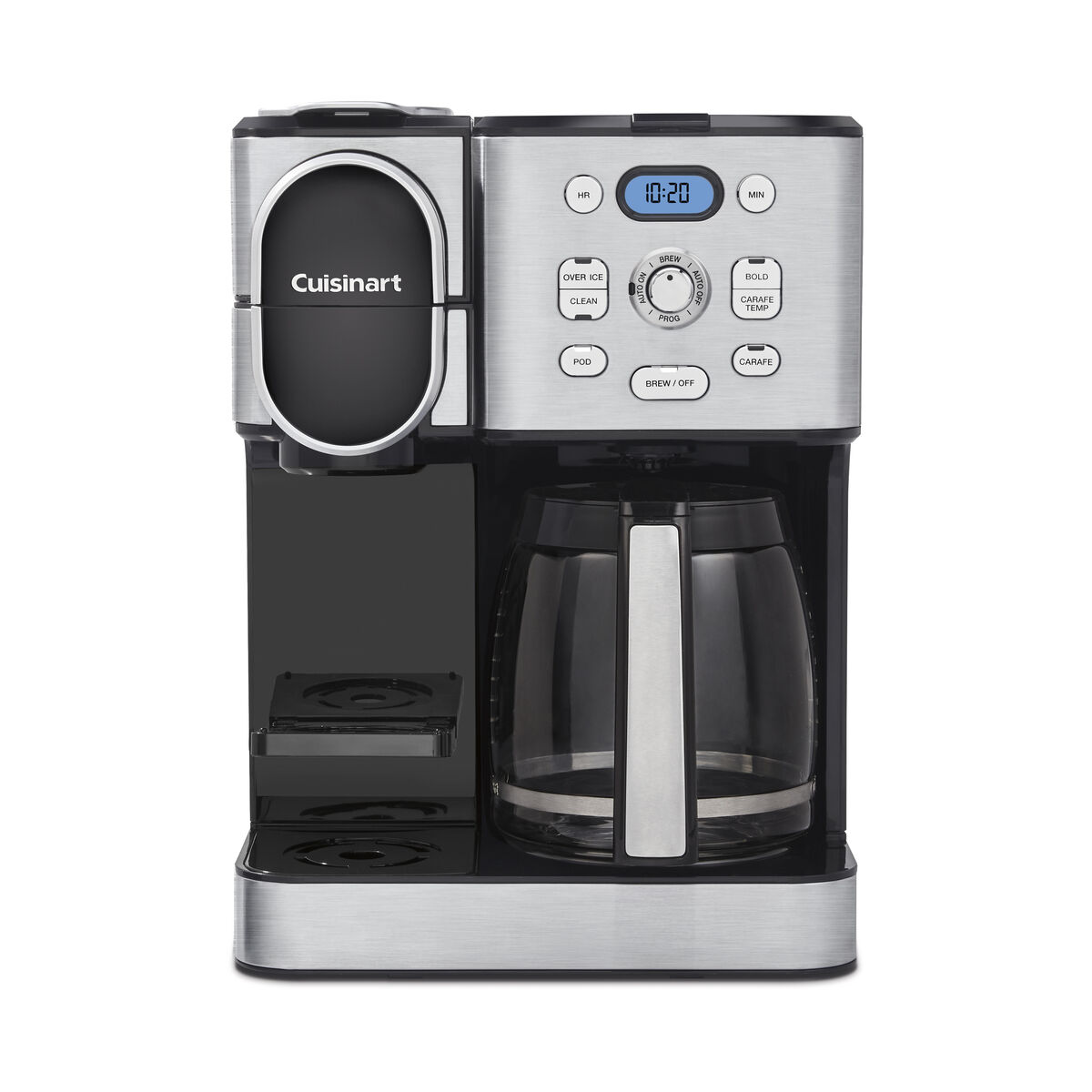
How to Descale Cuisinart Dual Coffee Maker
Descaling removes mineral deposits from the internal water lines and heating system. It is different from normal washing. Soap cleans coffee oils and dirt, while a descaling solution breaks down mineral scale.
Descale the Carafe Side
Follow these steps for the traditional drip side:
-
Remove the charcoal water filter if your model uses one.
-
Empty the brew basket and make sure no paper filter or coffee grounds remain.
-
Add the descaling solution to the water reservoir. If using white vinegar, follow the ratio in your owner’s manual.
-
Place the empty carafe on the warming plate.
-
Start a brew cycle.
-
Stop the cycle halfway if your manual recommends a pause. This gives the solution more time to loosen deposits.
-
Let the liquid sit for about 30 minutes, unless the product instructions state another time.
-
Finish the cycle and discard the liquid.
-
Run two or three full cycles with fresh water.
-
Wash the carafe and brew basket again.
Many coffee maker manuals recommend a vinegar and water mixture, but the correct ratio is not the same for every model. Using too much vinegar can leave a strong smell and may not be ideal for every internal component. A coffee machine descaler made for household brewers is often the more controlled choice.
Descale the Single-Serve Side
The single-serve side may have a separate water path. Do not assume that cleaning the carafe side also cleans the pod side.
Remove the capsule holder and empty the single-serve basket. Add the approved descaling solution to the proper reservoir. Place a large container under the single-serve outlet, then run the cleaning or brew cycle recommended for your model.
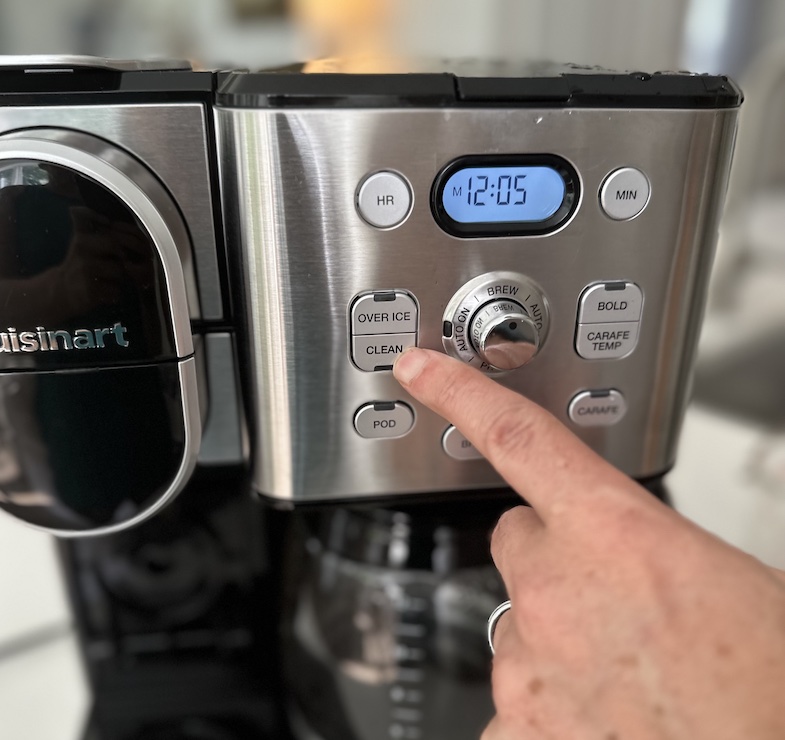
If the machine has a dedicated clean button, use it. Some models require you to press and hold the button, while others use a normal brew cycle. Follow the instructions for your exact Cuisinart Dual Coffee Maker.
After descaling, run several water-only cycles. The water should have no vinegar smell, chemical scent, or unusual taste before you brew coffee.
A Note About Vinegar
Vinegar is a common home descaler, but it is not always the best option. Some manufacturers prefer a commercial descaling product because it works in a controlled way and leaves less odor.
Do not mix vinegar with bleach or other cleaning chemicals. Never pour bleach into a coffee maker. It can damage the machine and create harmful fumes.
:max_bytes(150000):strip_icc()/SES-Cuisinart_CenterGrind_SS-GB1_6-0125-Russell-Kilgore.jpg-f23126e93ff8419281e535e219abb826.jpg)
How to Clean the Cuisinart Dual Coffee Maker Single-Serve Needle
The single-serve piercing needle makes a small hole in a pod or capsule. Coffee grounds can collect around this area and block water flow.
Before cleaning the needle, unplug the machine and let it cool. Remove the pod holder if possible. Use a small cleaning tool supplied with the machine, a soft brush, or a carefully handled paper clip only if the manual allows it.
Clean gently around the entrance and exit points. Do not force a tool deep into the needle. A sharp object can damage the part or push debris farther inside.
Run a water-only cycle after cleaning. If water still flows slowly, the blockage may be deeper in the brew path. In that case, repeat the manufacturer’s cleaning process rather than forcing the needle.
When I troubleshoot a weak single-serve stream, I check the pod holder and needle first. People often blame the pump, but a small plug of wet coffee grounds is a much more common cause.

How to Clean the Coffee Carafe and Filter Basket
Coffee oils can build up quickly on glass and plastic surfaces. They create a bitter taste and may leave a dull, brown film.
Fill the carafe with warm water and add a small amount of dish soap. Let it soak for 10 to 15 minutes. Then wash the inside with a soft bottle brush, paying close attention to the corners and the underside of the lid.
Clean the filter basket under running water. Turn the reusable filter upside down and rinse from both sides. This helps remove fine grounds trapped in the mesh.
For stubborn stains, use a paste of baking soda and water on the glass carafe. Rub gently, rinse well, and never use baking soda inside the coffee maker’s water reservoir unless the manual specifically permits it.
Do not leave brewed coffee sitting in the carafe for many hours. Old coffee becomes acidic and leaves a stronger film. Emptying and rinsing the carafe soon after brewing makes weekly cleaning much easier.
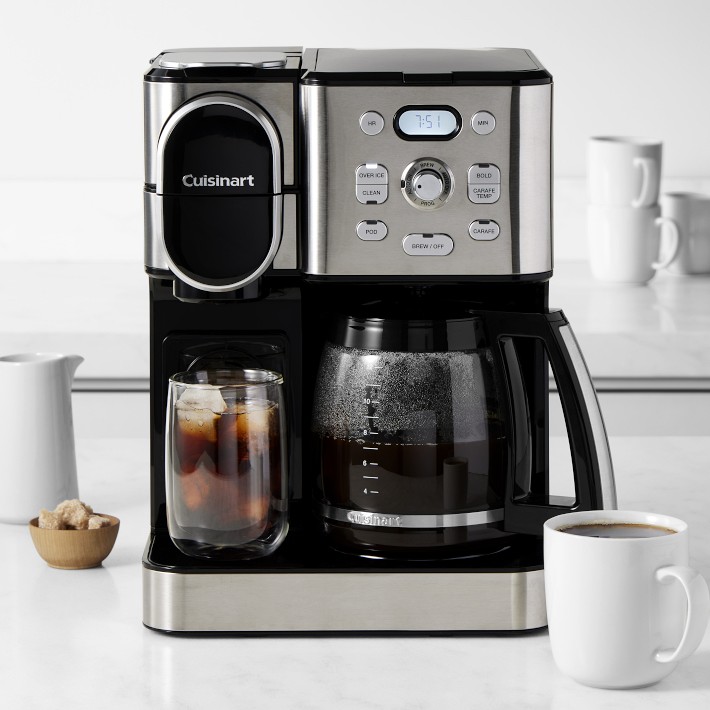
How to Clean the Water Reservoir and Drip Tray
The water reservoir can collect dust, mineral film, and moisture. If it is removable, take it out and wash it with warm water and mild dish soap.
Rinse the reservoir well. Soap residue can affect the taste of coffee. Let the reservoir dry with the lid open before placing it back on the machine.
Do not use a towel that leaves lint inside the tank. A clean air-dry is often better. If you see white spots, those are usually mineral deposits. Descaling the machine will help, but light deposits can also be wiped away with a soft cloth dampened with diluted vinegar, followed by a thorough rinse.
Empty the drip tray often. A full tray can spill when you move the machine, and standing liquid can create odors. Wash the tray and cover separately, then dry them before reinstalling.

How to Clean Cuisinart Dual Coffee Maker With a Charcoal Water Filter
Many Cuisinart coffee makers use a charcoal water filter to reduce chlorine taste and some impurities. The filter does not replace descaling or normal washing.
Replace the charcoal filter based on the schedule in your manual. A common range is every 60 days or after about 60 uses, but this may vary. Replace it sooner if you use hard water or notice a change in taste.
To replace the filter:
-
Remove the filter holder from the water reservoir.
-
Take out the old charcoal filter.
-
Rinse the new filter under cool running water if the instructions require it.
-
Place it in the holder.
-
Reinstall the holder securely.
Never wash and reuse an old charcoal filter. Once the carbon becomes saturated, it cannot reliably perform its job.