How To Choose Robot Vacuum Cleaner: Smart Buying Guide
Choose a robot vacuum cleaner by matching its navigation, suction, brush design, battery, dock, and smart features to your home.
Learning how to choose robot vacuum cleaner models can feel like comparing small machines with very large promises. The best choice depends on your floors, pets, room layout, cleaning needs, and budget—not just a high suction number. This guide explains the features that matter, the mistakes to avoid, and how to choose robot vacuum cleaner technology that will truly fit your daily life.

How to Choose Robot Vacuum Cleaner Based on Your Home
The right robot vacuum cleaner should solve a clear problem. Maybe you want help with pet hair, crumbs, dust, or daily floor care. Your home’s layout matters just as much as the vacuum’s brand or price.
Before you shop, check these points:
• Floor type: Decide whether you have hardwood, tile, laminate, low-pile carpet, or thick rugs.
• Room layout: Open rooms are easy for most robots. Narrow spaces, steps, and many small rooms need better navigation.
• Household size: More people usually mean more dust, crumbs, and cleaning cycles.
• Pets: Dogs and cats need strong hair pickup, a good brush design, and a large dustbin.
• Obstacles: Cables, toys, floor lamps, and chair legs can slow down or trap a robot.
• Cleaning schedule: A basic model may work for light weekly cleaning. A busy home may need automatic emptying and daily runs.
The best way to choose robot vacuum cleaner features is to start with your home, not the product page. A premium robot may waste money if your needs are simple. A cheap model may frustrate you if it cannot map rooms or handle pet hair.
Navigation and Mapping Features
Navigation is one of the most important factors when learning how to choose robot vacuum cleaner models. It affects cleaning coverage, speed, safety, and how often you need to rescue the machine.
Basic robot vacuums may move in a random pattern. They can still collect dirt, but they may miss areas or clean the same spot many times. Random navigation also works poorly in homes with several rooms.
Better models use systematic navigation. Common systems include:
• Gyroscope navigation: The robot tracks its movement and follows planned paths.
• Camera-based navigation: Cameras help recognize rooms and objects, though performance can change in low light.
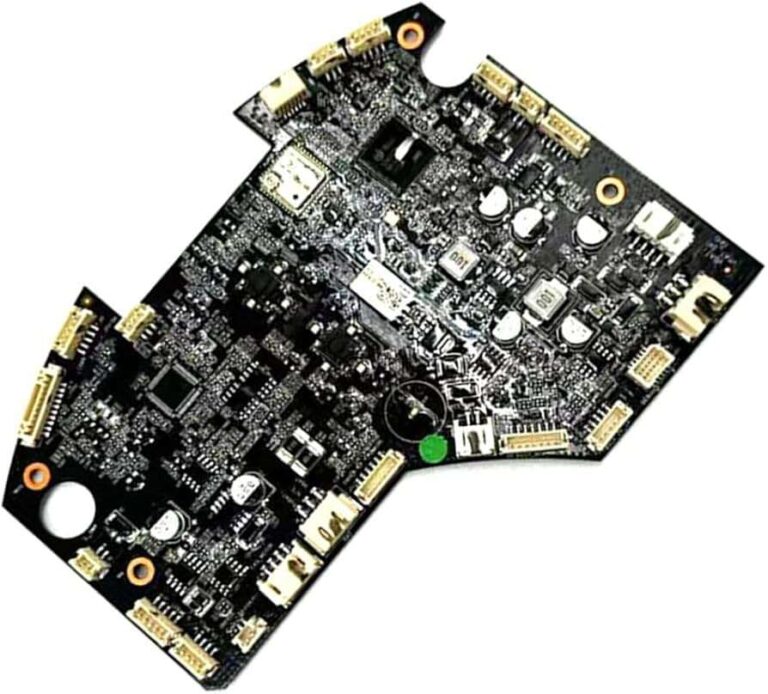
• LiDAR navigation: A laser sensor maps walls and objects. It often works well in dark rooms.
• Structured-light or infrared sensors: These help detect objects and measure distance.
A robot with room mapping can let you clean only the kitchen, living room, or hallway. It may also support no-go zones and virtual barriers. These features save time because you do not need to block areas with boxes or chairs.
From hands-on product testing, a reliable map often matters more than a small difference in suction power. A robot that cleans in straight lines and returns to missed areas can collect more dirt over time than a stronger robot that moves without a plan.
Obstacle avoidance
Obstacle avoidance helps the robot identify shoes, cords, pet bowls, and toys. However, no sensor system is perfect. Small dark objects, thin wires, and soft fabric can still cause trouble.
Before each cleaning run:
• Pick up charging cables.
• Move loose socks and small toys.
• Keep pet food and water bowls in a protected area.
• Tie curtain edges above the floor.
If you want to understand how to choose robot vacuum cleaner features for a busy home, prioritize obstacle recognition and room mapping. These tools reduce interruptions and protect both your belongings and the vacuum.
Suction Power and Cleaning Performance
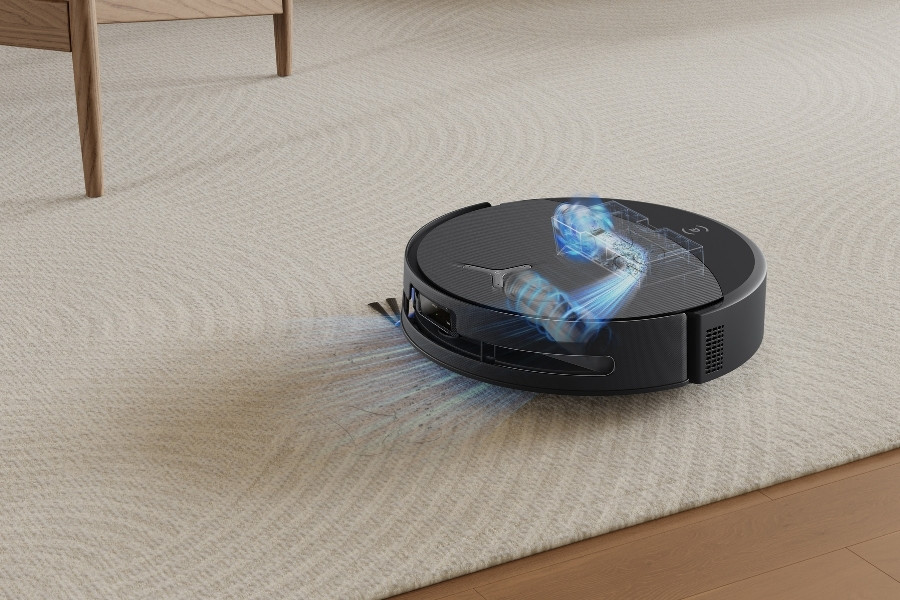
Suction power is useful, but it is not the whole story. Manufacturers may list suction in pascals, or Pa, but these figures do not always predict real-world cleaning results. Brush design, airflow, filter quality, and floor contact also affect performance.
A robot vacuum needs enough power for your floors:
• Hardwood and tile: Moderate suction is often enough for dust, crumbs, and hair.
• Low-pile carpet: Choose a model with stronger suction and an active brush roll.
• Thick carpet: Look for high airflow, strong agitation, and enough clearance to avoid getting stuck.
• Pet hair: Focus on brush design and anti-tangle features, not suction alone.
Some models increase suction automatically when they detect carpet. This can improve pickup while saving battery on hard floors. It may also create more noise, so check whether the robot lets you choose quiet or standard modes.
A good cleaning system usually combines side brushes, a central brush roll, a sealed air path, and a washable or replaceable filter. Side brushes push dirt from edges toward the main brush. The main brush then lifts debris into the dustbin.
When deciding how to choose robot vacuum cleaner performance, look for independent tests that measure dust, hair, sand, and crumbs on more than one floor type. A single laboratory score cannot fully represent your home.

Brush Design and Pet Hair Handling
Pet owners need to inspect the brush roll closely. Hair can wrap around bristles and stop the brush from turning. This reduces cleaning power and creates another chore.
Rubber brush rolls often resist tangles better than traditional bristle brushes. Some use two rollers that work together to lift hair and larger debris. These designs can be helpful, but they still need regular care.
For homes with pets, look for:
• A tangle-resistant main brush.
• A wide opening that can handle larger debris.
• Strong edge cleaning.
• A high-efficiency filter.
• A dustbin that is easy to remove.
• A robot that can run often without overheating.
Pet hair gathers under beds, along walls, and near furniture. A robot that cleans every day may keep the problem under control, even if it does not replace a full-size vacuum.
One common mistake is choosing a robot based only on a “pet” label. Read the details. Check whether the brush is easy to remove and whether replacement parts are available. Learning how to choose robot vacuum cleaner equipment for pets means planning for maintenance as well as pickup.
Mopping Features: What to Expect
Many robot vacuum cleaners now include mopping. These products can wipe light dust and small marks from sealed hard floors. They do not always replace a traditional mop.
There are several types of robot mopping systems:
• Passive pad mopping: The robot drags a damp pad across the floor.
• Vibrating pads: The pad moves back and forth to loosen light stains.
• Spinning pads: Rotating pads apply more movement and pressure.
• Roller mops: A wet roller scrubs the floor and may wash itself at the dock.
Mopping performance depends on water control, pad pressure, floor type, and the robot’s ability to avoid carpets. A basic model may leave floors damp for too long or spread dirty water. Advanced docks may wash and dry the mop, but they cost more and require more space.
Do not use a robot mop on unsealed wood, damaged laminate, or floors that should not get wet. Always follow the flooring maker’s care instructions.
If your home has mostly hard floors, mopping may add real value. If you have many carpets, prioritize vacuuming and carpet detection first. This is a key part of how to choose robot vacuum cleaner functions without paying for features you will rarely use.
Battery Life, Charging, and Coverage
Battery life determines how much of your home the robot can clean in one run. Most modern models can return to the dock, recharge, and continue where they stopped. This feature is often called recharge and resume.
A small apartment may not need a large battery. A multilevel house, large open floor plan, or high-suction setting may need more capacity.
Consider:
• Battery size and estimated runtime.
• Whether the robot resumes cleaning after charging.
• How long a full charge takes.
• Whether suction level changes runtime.
• Whether the robot can clean one room at a time.
Battery claims are usually based on low-power settings and open floors. Carpet, obstacles, mopping, and maximum suction can reduce runtime.
The best approach when learning how to choose robot vacuum cleaner battery features is to compare the robot’s coverage with your home’s floor area. A robot that cleans in sections may work well even if its battery does not last all day.

Self-Emptying Docks and Maintenance
A self-emptying dock transfers dirt from the robot’s small dustbin into a larger bag or container. This can reduce daily maintenance. It is especially helpful for pet owners, allergy-sensitive households, and people who travel often.
Self-emptying systems have some limits:
• Dock bags may need replacement.
• Bagless docks still need emptying and cleaning.
• The dock takes extra floor space.
• The transfer process can be loud.
• Very large debris may not move through the dock.
Some premium docks also refill water, wash mop pads, dry pads, and clean the robot’s internal parts. These features improve convenience but add cost, noise, filters, and possible repair needs.
A robot vacuum is not maintenance-free. Plan to clean the following items:
• Main brush: Remove wrapped hair each week.
• Side brush: Check for tangled fibers and dust.
• Filter: Tap, wash, or replace it according to the manual.
• Sensors: Wipe them with a soft, dry cloth.
• Wheels: Remove hair and debris.
• Mop pads: Wash them after use.
A practical lesson from testing robot vacuums is simple: the easier a machine is to maintain, the more likely people are to keep using it. When deciding how to choose robot vacuum cleaner convenience features, inspect the dock and removable parts before buying.

Smart Features and Mobile Apps
Most connected robot vacuums use a mobile app. The app may let you start cleaning, set schedules, name rooms, adjust suction, and create no-go zones.
Useful smart features include:
• Room-by-room cleaning.
• Scheduled cleaning.
• Multiple floor maps.
• No-go zones.
• Carpet detection.
• Cleaning history.
• Voice control.
• Notifications for errors or full bins.
Privacy also deserves attention. A robot with a camera or cloud-connected map may collect information about your home. Read the company’s privacy policy and check whether you can disable cameras, cloud features, or remote access.
Voice control is convenient, but it is not essential. A clear app with stable mapping is often more useful than support for several voice assistants.
For many shoppers, how to choose robot vacuum cleaner software matters as much as the hardware. A powerful robot with a poor app can feel difficult to use. Look for clear room labels, easy map editing, and simple scheduling.

Height, Thresholds, and Furniture Clearance
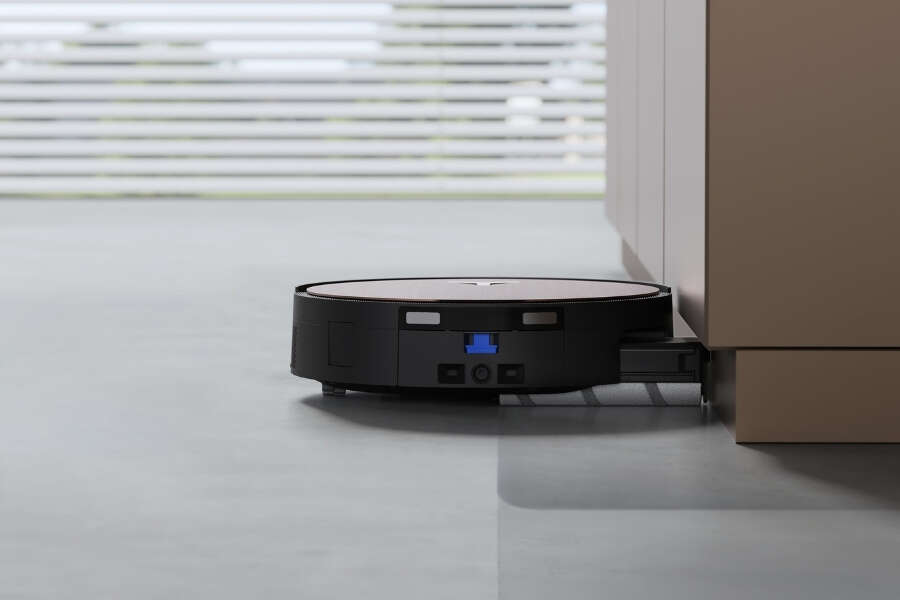
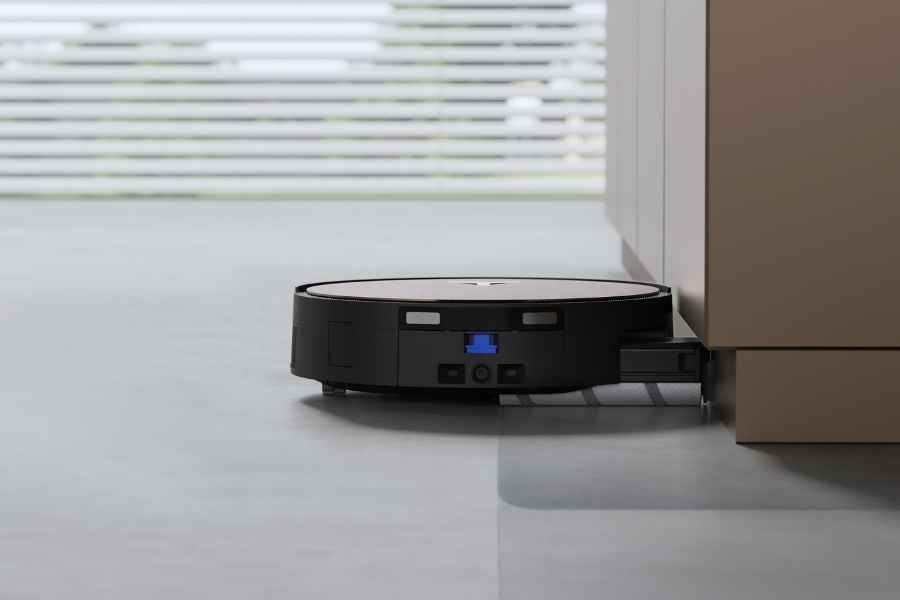
Measure your furniture before you buy. A robot that is too tall cannot clean under your sofa, bed, or cabinets. This is one of the easiest details to overlook.
Also check the height of transitions between rooms. Door thresholds, thick rugs, and floor vents can stop a robot. Product specifications may state a maximum climbing height, but real performance depends on the angle and surface.
Use a tape measure to check:
• The lowest gap under your furniture.
• The height of door thresholds.
• The thickness of rugs.
• The width of narrow spaces.
• The space around the charging dock.
Round robots may struggle with sharp corners. D-shaped models can reach edges more closely, but their shape may affect movement in tight rooms.
The right way to choose robot vacuum cleaner dimensions is to measure first and shop second. A small measurement can prevent a costly return.
Filters, Allergies, and Indoor Air Quality
Robot vacuums collect dust, skin flakes, pollen, and other small particles. A sealed system and high-efficiency filter can reduce the amount of dust that escapes during cleaning.
Look for:
• A sealed dust path.
• A high-efficiency or HEPA-style filter.
• Easy filter replacement.
• A self-emptying dock with a closed bag, if possible.
Marketing terms can vary. Some brands use “HEPA” only when the filter meets a defined standard. Others use phrases such as “high-efficiency filtration.” Check the product details rather than assuming all filters perform the same way.
People with severe allergies should still use care when emptying a robot or cleaning its filter. A self-emptying dock with a sealed bag may reduce exposure, but no household vacuum removes every airborne allergen.
When considering how to choose robot vacuum cleaner filtration, focus on the entire system. The filter alone cannot compensate for leaks around the dustbin or dock.
Noise, Privacy, and Safety
Robot vacuums are usually quieter than upright vacuums, but they are not silent. Suction level, brush design, and dock emptying all affect noise.
Schedule cleaning when you are away or choose a lower power setting during calls, sleep, or family time. If you work from home, check whether the app lets you pause cleaning by room.
Safety matters too. Keep the dock away from water, stairs, and areas where the robot may block a walkway. Do not allow loose cords near the brush or wheels.
If your home has stairs, use drop sensors and set no-go zones. Drop sensors can fail when stairs have dark surfaces or unusual edges, so physical barriers may still be wise.
A strong guide on how to choose robot vacuum cleaner safety features should include real household habits. Technology helps, but basic preparation remains important.
Budget and Long-Term Value
Robot vacuums range from simple entry-level models to advanced systems with mapping, mopping, and automated docks. The most expensive option is not always the best value.
Think about the total cost:
• Replacement filters.
• Brush and wheel parts.
• Dock bags.
• Mop pads.
• Battery replacement.
• Possible repair costs.
A lower-priced robot may be a smart choice for a small home with hard floors. A midrange model often offers a useful balance of mapping, strong pickup, and app controls. A premium model may make sense for large homes, pets, or users who want less daily maintenance.
Read the warranty terms. Batteries and consumable parts may have different coverage periods. Also check whether the company sells parts in the United States.
The best value comes from consistent use. A robot that runs every day and needs little attention can be more useful than a powerful model that stays in a closet because it is hard to manage.
Common Mistakes to Avoid
Many buying mistakes happen because shoppers focus on a single feature. Use this checklist before placing an order:
-
Do not choose only by suction numbers. Brush design and navigation matter too.
-
Do not ignore your floor type. A model built for hard floors may struggle on thick carpet.
-
Do not assume every robot avoids cords. Pick up thin wires before cleaning.
-
Do not buy a large dock without measuring the space.
-
Do not overlook replacement parts. A discontinued brush or filter can shorten the product’s useful life.
-
Do not expect basic mopping to remove dried stains.
-
Do not ignore app privacy and account requirements.
-
Do not forget stairs and floor thresholds.
-
Do not assume a premium robot needs no care.
-
Do not buy a camera-based model without considering low-light performance and privacy.
A careful comparison makes how to choose robot vacuum cleaner products much easier. Write down your top three needs, then ignore features that do not support them.
A Simple Robot Vacuum Buying Checklist
Use this short process to narrow your choices:
-
Measure your home. Note floor types, furniture gaps, thresholds, and stairs.
-
Identify your main problem. Choose pet hair, dust, carpet cleaning, mopping, or convenience.
-
Set a total budget. Include bags, filters, brushes, and other replacement parts.
-
Choose navigation. Room mapping is useful for most homes, while advanced obstacle avoidance helps busy households.
-
Check cleaning hardware. Review the main brush, side brush, suction modes, filter, and dustbin size.
-
Decide on the dock. Self-emptying is helpful, but it needs extra space and ongoing supplies.
-
Review the app. Look for room controls, schedules, no-go zones, and reliable map editing.
-
Check ownership support. Confirm warranty terms, return policy, software support, and parts availability.
-
Read independent reviews. Look for tests on surfaces similar to yours.
-
Buy from a retailer with a clear return policy. Real-world fit can be hard to predict.
This method gives you a practical answer to how to choose robot vacuum cleaner models without getting lost in technical terms.
Frequently Asked Questions About How to Choose Robot Vacuum Cleaner
What is the most important feature in a robot vacuum cleaner?
Navigation and cleaning performance are usually the most important features. A robot should cover your floors well, avoid getting stuck, and collect the type of dirt found in your home.
Is higher suction always better?
No. Higher suction can help with carpet and heavy debris, but brush design, airflow, filtration, and navigation also affect results. High suction may use more battery and create more noise.
Do I need a self-emptying robot vacuum?
You may benefit from one if you have pets, allergies, a large home, or little time for daily maintenance. For a small home with light dirt, a standard dustbin may be enough.
Are robot vacuums good for pet hair?
Many robot vacuums handle pet hair well when they have a strong brush roll, anti-tangle features, and regular cleaning schedules. You should still check the brush often and use a full-size vacuum for deep cleaning.
Can a robot vacuum replace a regular vacuum?
Usually, it works best as a daily maintenance tool rather than a complete replacement. You may still need a regular vacuum for stairs, furniture, corners, upholstery, and deep carpet cleaning.
Are robot mops safe for hardwood floors?
They can be safe on sealed hardwood when they use controlled water flow and the floor maker allows damp cleaning. Avoid excessive water, standing moisture, and wet cleaning on unsealed or damaged wood.
How often should a robot vacuum run?
Many homes benefit from daily or near-daily cleaning, especially with pets or children. You can reduce the schedule in low-traffic rooms and increase it in kitchens, entryways, and living areas.
Conclusion
Choosing the right robot vacuum cleaner starts with your home, not a flashy specification. Focus on navigation, brush design, floor compatibility, battery coverage, filtration, maintenance, app quality, and the real cost of ownership.
A simple model can work well in a small home with hard floors. A mapped robot with strong hair pickup and a self-emptying dock may be worth the extra cost for a busy family or pet owner. Measure your space, define your main cleaning problem, compare independent tests, and choose features you will use.
Now that you know how to choose robot vacuum cleaner options with confidence, create your shortlist and check current reviews, warranty terms, and replacement-part availability before buying. Share your floor type and biggest cleaning challenge in the comments to help others make a smarter choice.

Liora Pennings is a seasoned chef and kitchen enthusiast with a passion for turning everyday cooking into an effortless experience. With years of hands-on culinary expertise, she specializes in practical techniques, ingredient know-how, and smart kitchen solutions that help home cooks elevate their meals. At KitchFlair.com, Liora shares her best tips, time-saving tricks, and honest product reviews to guide readers toward a more efficient, enjoyable, and inspired cooking routine. Whether you’re a beginner or a seasoned home chef, Liora’s friendly, knowledge-packed insights make every visit to the kitchen a little easier—and a lot more delicious.