How To Make Arabic Coffee: Easy Traditional Recipe
Arabic coffee is made by simmering lightly roasted coffee with cardamom, then serving it warm in small cups.
Learning how to make Arabic coffee is a simple way to bring Gulf hospitality into your kitchen. The method uses light roast coffee, fragrant spices, and gentle simmering rather than a strong boil. This guide explains the traditional process, common variations, serving customs, mistakes to avoid, and practical tips for making a balanced cup every time.
What Is Arabic Coffee?
Arabic coffee, often called qahwa or gahwa, is a light-colored coffee made with lightly roasted beans. It is common across Saudi Arabia, the United Arab Emirates, Qatar, Kuwait, Bahrain, Oman, and other parts of the Middle East.
Unlike dark American or Italian coffee, Arabic coffee is usually pale, thin, and highly aromatic. Cardamom is the most common spice, but some recipes also use saffron, cloves, cinnamon, or ginger.
Arabic coffee is more than a drink. In many homes, it is a sign of welcome. Hosts often serve it in a small cup called a finjan. The coffee is poured from a dallah, a traditional Arabic coffee pot, and is often served with dates or sweets.
The taste can change from one region to another. Saudi coffee may include saffron and ginger, while Emirati or Gulf-style coffee often has a strong cardamom scent. There is no single recipe that represents every household.

Arabic Coffee Ingredients
The best Arabic coffee recipe needs only a few ingredients. Freshness matters more than a long ingredient list.
Basic ingredients
For about 4 small servings, gather:
• 3 cups water
• 3 tablespoons lightly roasted, finely ground coffee
• 1 tablespoon ground cardamom
• 2 to 3 saffron threads, optional
• 1 whole clove, optional
• 1 small cinnamon stick, optional
• Sugar, optional and usually served separately
Light roast coffee works best because it gives Arabic coffee its golden color and gentle flavor. You can buy coffee labeled “Arabic coffee,” “Saudi coffee,” or “Gulf coffee.” Ethiopian or Brazilian light roast beans can also work well.
Cardamom should smell fresh and sweet. If possible, buy whole green cardamom pods and grind them shortly before brewing. Pre-ground cardamom is convenient, but its aroma fades faster.
Do not add milk to a traditional Arabic coffee recipe. Do not add sugar during brewing unless your family recipe specifically calls for it. Arabic coffee is commonly served unsweetened, with dates or other sweets on the side.
How to Make Arabic Coffee Step by Step
This method explains how to make Arabic coffee in a saucepan. It is easy, reliable, and close to the traditional simmering method.
1. Boil the water
Pour 3 cups of water into a medium saucepan. Bring it to a gentle boil over medium heat.
Use filtered water if your tap water has a strong taste. Water makes up most of the drink, so its quality can affect the final flavor.
2. Add the coffee
Add 3 tablespoons of lightly roasted ground coffee to the boiling water. Stir once to wet all the grounds.
Lower the heat and let the coffee simmer gently for 10 to 15 minutes. Keep the lid slightly open or leave the pan uncovered. A slow simmer helps draw out flavor without making the coffee harsh.
Avoid a rapid boil. High heat can create a bitter taste and may cause the coffee to foam over the pan.
3. Add the spices
Add the ground cardamom during the last 3 to 5 minutes of cooking. This keeps more of its fresh aroma in the finished drink.
You can also add saffron, cloves, cinnamon, or ginger. Start with a small amount. Spices should support the coffee, not hide it.
A useful starting blend is:
• 1 tablespoon cardamom
• 2 or 3 saffron threads
• 1 clove
• A small piece of cinnamon
4. Let the grounds settle
Turn off the heat and let the coffee rest for 2 to 3 minutes. This allows the grounds and spices to sink toward the bottom.
Do not stir the pot during this rest. The pause makes pouring cleaner and gives the flavors time to blend.
5. Strain and serve
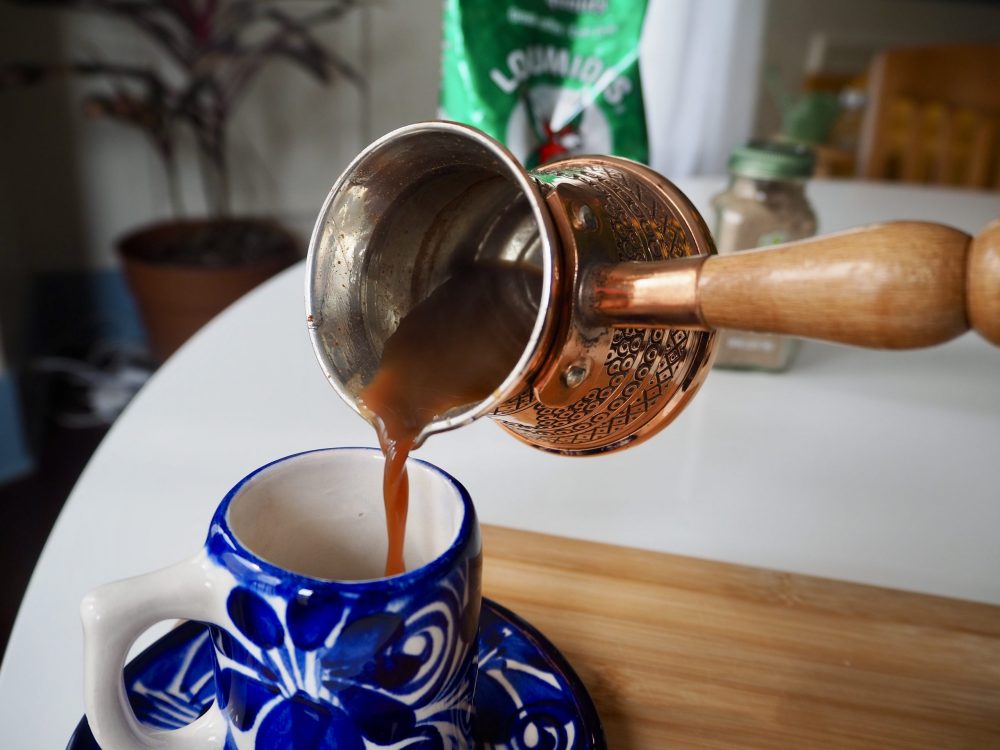
Pour the coffee through a fine strainer into a dallah or heatproof serving pot. Some traditional pots have a built-in filter, but a small kitchen strainer works well.
Serve Arabic coffee in small, handleless cups. Fill each cup only one-quarter to one-third full. This small serving encourages guests to enjoy the coffee slowly and makes refills easy.
When you serve Arabic coffee in the traditional way, hold the dallah in your right hand. Offer dates, nuts, or sweets with the coffee.
How to Make Arabic Coffee in a Dallah
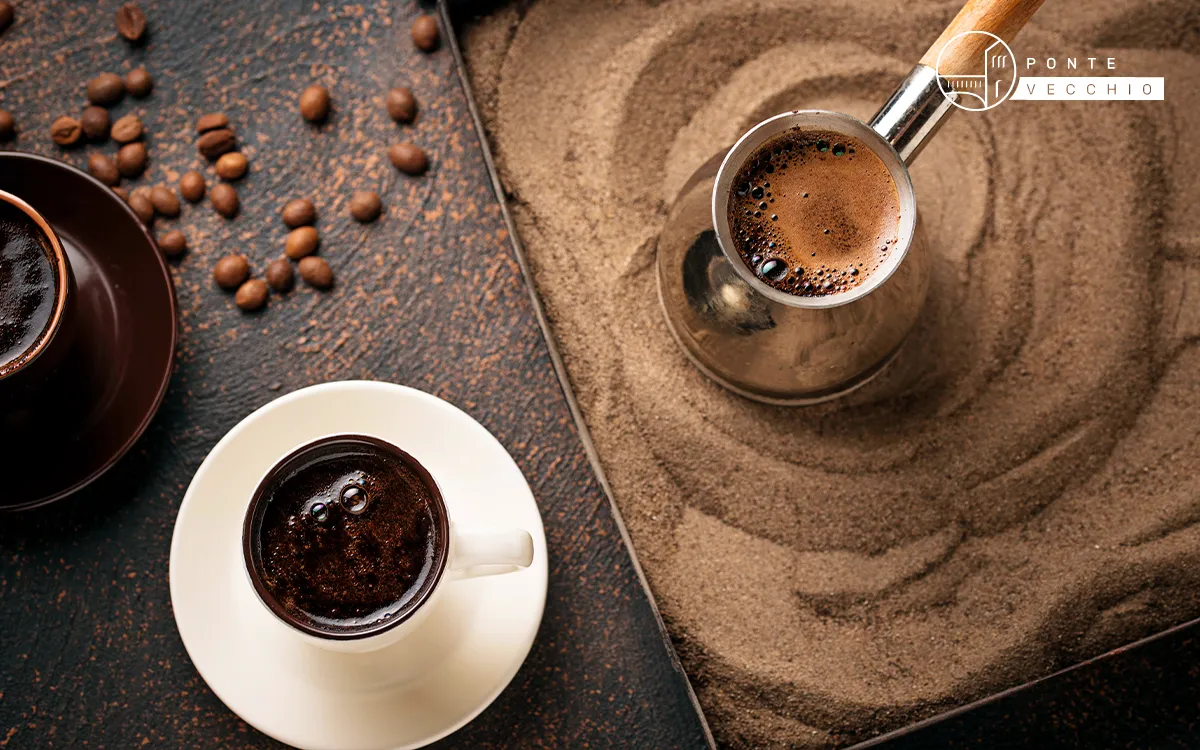
A dallah gives Arabic coffee a traditional look and can improve the serving experience. It is a metal pot with a long spout, curved body, and decorative shape.
First, boil the water in the dallah or in a separate saucepan. Add the coffee and simmer it gently. Then add cardamom and any other spices near the end of the cooking time.
Let the coffee sit before pouring. If the dallah has a narrow filter inside the spout, it may catch some grounds. If not, strain the coffee before transferring it to the pot.
Never place a decorative dallah on a direct flame unless the maker states that it is safe. Some pots are designed only for serving. A separate saucepan is the safest choice for brewing.
When I prepare Arabic coffee for guests, I use the saucepan for better heat control and the dallah for serving. This small change prevents burnt coffee and keeps the presentation traditional.
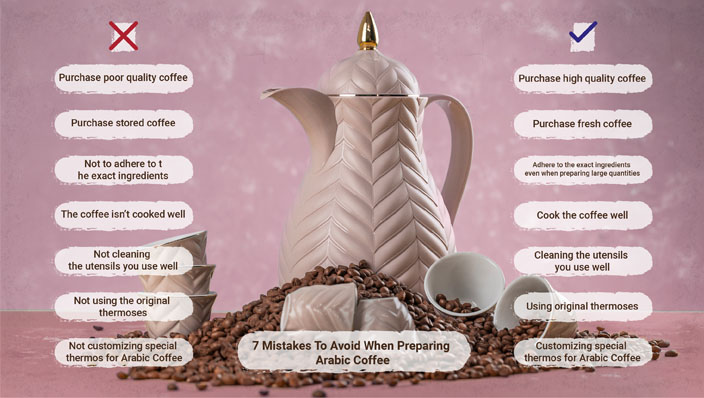
How to Roast and Grind Coffee for Arabic Coffee
Traditional Arabic coffee uses beans roasted to a light or very light level. The beans may look tan, golden, or light brown rather than dark and oily.
Light roasting preserves more of the bean’s natural aroma. It also produces a softer cup with floral, grassy, nutty, or citrus notes. Dark roast coffee can work, but it will taste stronger, smokier, and more bitter.
If you roast coffee at home, use a well-ventilated space and follow your roaster’s safety instructions. Cool the beans quickly after roasting. Let them rest for at least 12 to 24 hours before brewing so excess gas can escape.
Grind the beans finely, but not as fine as espresso. A grind similar to fine sand usually works well. Very coarse coffee may taste weak, while powder-fine coffee can make the drink muddy and difficult to strain.
For the best results:
• Buy whole beans when possible.
• Grind coffee just before brewing.
• Store beans in an airtight container away from heat and sunlight.
• Use coffee within a few weeks of opening.
Fresh coffee gives Arabic coffee a clear aroma. Old coffee may taste flat even when you use excellent spices.
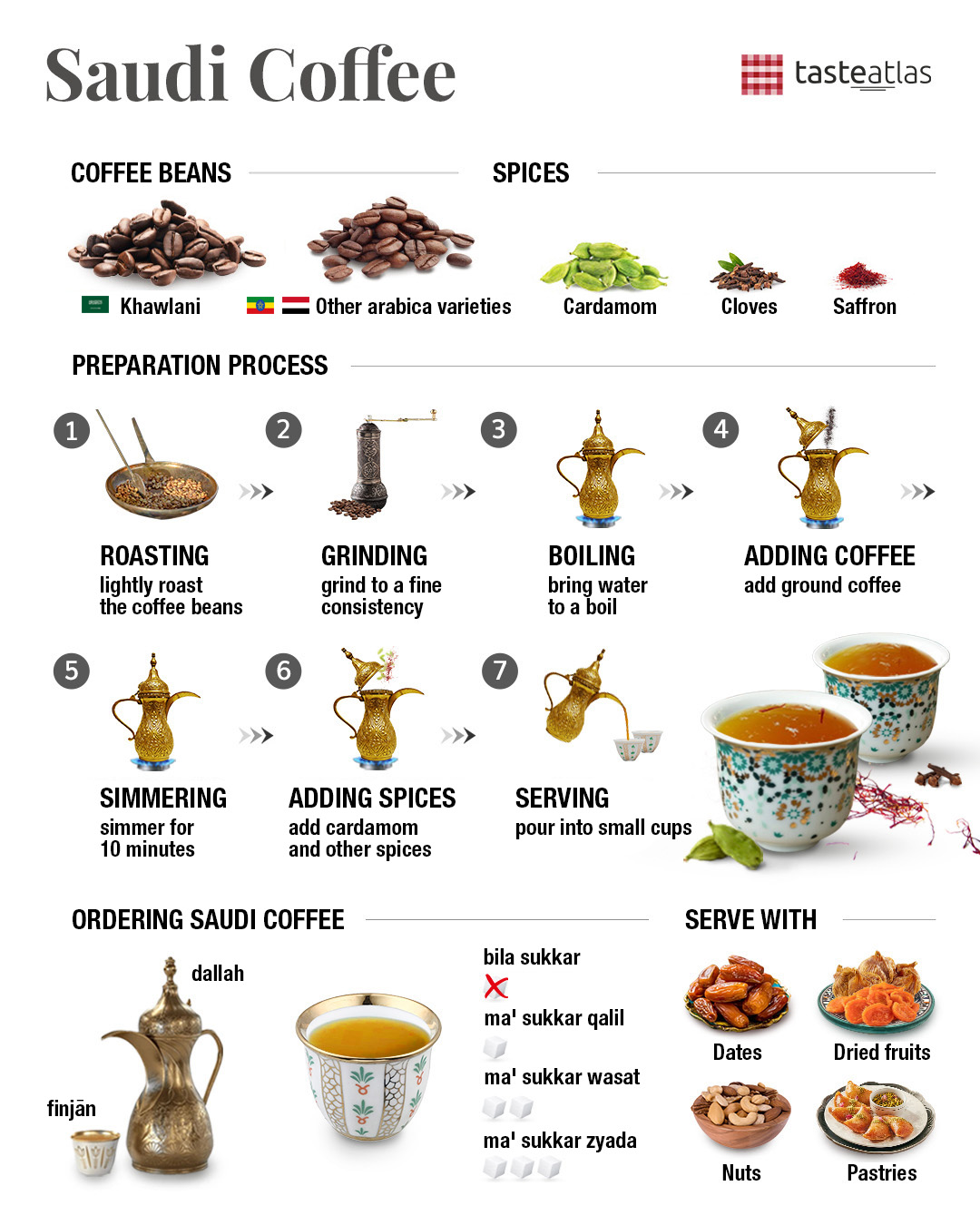
Regional Arabic Coffee Variations
The phrase “Arabic coffee” covers many local styles. The basic method stays similar, but the roast, spice mix, and strength may change.
Saudi Arabic coffee
Saudi-style coffee often uses light roast beans, cardamom, saffron, and sometimes cloves or ginger. It may have a pale yellow color and a noticeable spice aroma.
Emirati coffee
Emirati coffee commonly features cardamom and saffron. Some recipes use a little dried rose or other aromatic ingredients. The flavor is often smooth, fragrant, and light.
Omani coffee
Omani coffee may include cardamom, cloves, and sometimes cinnamon. It is often served with dates and other traditional foods.
Levantine coffee
In parts of the Levant, people may use a much finer grind and prepare coffee in a small pot called a rakweh or cezve. This style is often thicker and may include sugar during brewing. It is related to Arabic coffee traditions but is prepared differently from Gulf qahwa.
These differences are important. If your family recipe uses more cardamom or a darker roast, that does not mean it is incorrect. Recipes often reflect place, family, and memory.

How to Make Arabic Coffee Taste Better
Good Arabic coffee depends on balance. The coffee should have a clear roasted flavor, while cardamom should add a fresh, warm scent.
Use these adjustments if your coffee does not taste right:
• Too bitter: Reduce the cooking time or lower the heat.
• Too weak: Add a little more coffee or use less water.
• Too spicy: Reduce the cardamom and add it later in the process.
• Too flat: Use fresher coffee or freshly ground cardamom.
• Too gritty: Let the coffee rest longer and strain it carefully.
• Too smoky: Switch from dark roast to light roast beans.
One mistake I often see in first attempts is adding all the spices at the start. This can make the cardamom taste dull and the cloves taste too strong. Adding most spices near the end gives the drink a brighter aroma.
Another common mistake is stirring the pot just before serving. Stirring lifts the grounds from the bottom and can make every cup gritty. Let the coffee settle instead.
.jpg)
How to Serve Arabic Coffee Traditionally
Arabic coffee is usually served in small cups without handles. The host pours a small amount, then offers more when the guest finishes.