How Long After Carpet Cleaning Can I Vacuum: Timing Tips
Wait until the carpet is fully dry, usually 6 to 12 hours after cleaning.
Knowing how long after carpet cleaning can I vacuum helps protect fresh fibers, prevent soil from sticking, and avoid undoing the cleaning work. The right wait time depends on the cleaning method, carpet type, airflow, humidity, and how wet the carpet feels. This guide explains the safest timing, common mistakes, and practical ways to get clean, dry carpet without damage.
How Long After Carpet Cleaning Can I Vacuum?
In most homes, you should wait until the carpet is completely dry before vacuuming. After hot water extraction, this often takes 6 to 12 hours. Some carpets may need a full 24 hours if the room has poor airflow, high humidity, thick padding, or heavy moisture.
If you used a low-moisture or dry carpet cleaning method, you may be able to vacuum sooner. Some dry-cleaning systems leave little moisture behind, but you should still follow the product or technician’s instructions.
A simple rule is this: if the carpet feels cool, damp, or spongy, wait longer. Vacuuming too soon can move damp soil through the fibers and may leave marks from the vacuum wheels.
Why You Should Wait Before Vacuuming
Freshly cleaned carpet needs time to dry and settle. Vacuuming too early can create several problems.
• It may pull up damp fibers and make them look uneven.
• It can spread loosened dirt across the carpet instead of removing it.
• It may leave wheel tracks or dark lines in damp areas.
• A household vacuum may become clogged if it picks up moisture.
• Moisture trapped under the carpet can increase the risk of musty odors.
Carpet cleaning works by loosening soil, oils, dust, and stains. Extraction removes much of that material, but the carpet still needs time to release leftover moisture. Think of it like drying a towel: moving air through it works better than rubbing it while it is still wet.
Professional carpet cleaners often use powerful extraction equipment. Even so, some moisture remains in the carpet backing and pad. The carpet may feel dry on top while the pad underneath is still damp, especially near seams, edges, and furniture legs.

Drying Time After Different Carpet Cleaning Methods
The cleaning method makes a major difference when deciding how long after carpet cleaning can I vacuum.
Hot water extraction
Hot water extraction, often called steam cleaning, uses heated water and a cleaning solution. A machine then removes the dirty water with strong suction.
Most carpets cleaned this way need 6 to 12 hours to dry. Thick carpet, dense padding, cold weather, and high indoor humidity can extend the drying time to 24 hours.
Low-moisture cleaning
Low-moisture cleaning uses less water than traditional extraction. It may include encapsulation, absorbent compound cleaning, or controlled bonnet cleaning.
The carpet may dry in 1 to 4 hours. However, do not assume it is ready based only on the clock. Test the carpet first, then vacuum when it feels dry and stable.
Dry carpet cleaning
Dry carpet cleaning uses very little liquid. Some systems use dry compounds that collect soil from the carpet fibers.
You can often vacuum after the recommended dwell time or once the compound has been removed. Always read the label or ask the technician because products vary.
Rental carpet cleaners
Rental machines can leave more water behind than professional equipment. This happens when the machine is moved too fast, the recovery tank is full, or the suction is weak.
With rental machines, drying may take 12 to 24 hours. If the carpet still feels wet the next day, improve airflow and avoid vacuuming until it dries.
How to Tell When Carpet Is Dry Enough to Vacuum
The best answer to how long after carpet cleaning can I vacuum is based on the carpet’s condition, not just the number of hours.
Use these simple checks:
-
Press a clean, dry white towel onto the carpet for 10 seconds. If the towel picks up moisture, wait.
-
Touch the carpet in several places. Check the center, edges, corners, and areas near furniture.
-
Walk across the carpet in clean socks. If your socks feel damp, the carpet needs more time.
-
Press your hand firmly into the carpet. It should feel dry, not cool and wet.
-
Check the room for a musty smell. A damp odor can signal that moisture remains below the surface.
Pay special attention to thick rugs and plush carpet. Their upper fibers can feel dry while the backing remains damp. When unsure, waiting a few more hours is safer than vacuuming too soon.

How to Dry Carpet Faster
Good airflow can reduce drying time and lower the chance of odors. You do not need expensive equipment in every case.
Try these steps:
• Open windows when outdoor air is dry.
• Run ceiling fans or portable fans across the carpet.
• Use a dehumidifier in humid rooms or basements.
• Turn on the heating system during cool weather, if safe.
• Keep foot traffic low while the carpet dries.
• Lift furniture legs with foil or plastic tabs if the cleaner recommends it.
• Move small items away from wet areas to improve air movement.
Avoid placing rugs, mats, or plastic sheets over damp carpet. They trap moisture and slow evaporation. Also avoid turning up the heat too high, since excessive heat can affect some carpet fibers, adhesives, and flooring materials.
A carpet fan can help a lot after deep cleaning. Professional cleaners often use air movers because moving air across the surface speeds evaporation more effectively than simply raising the room temperature.
Can You Vacuum Damp Carpet?
It is usually best not to vacuum damp carpet with a standard household vacuum. Most household vacuums are made for dry debris, not water. Moisture can reach the motor, damage electrical parts, or create an unpleasant odor inside the machine.
A wet-dry vacuum is designed for liquid pickup, but it should only be used when appropriate. It may remove excess water after a spill, yet it is not a replacement for professional carpet extraction.
If the carpet is only slightly cool but not wet, a light pass may be acceptable after the manufacturer’s recommended wait time. Use the gentlest setting and stop if the vacuum leaves marks or pulls at the fibers.
The safest answer to how long after carpet cleaning can I vacuum remains simple: wait until the carpet and the area beneath it are dry.
How to Vacuum After Carpet Cleaning
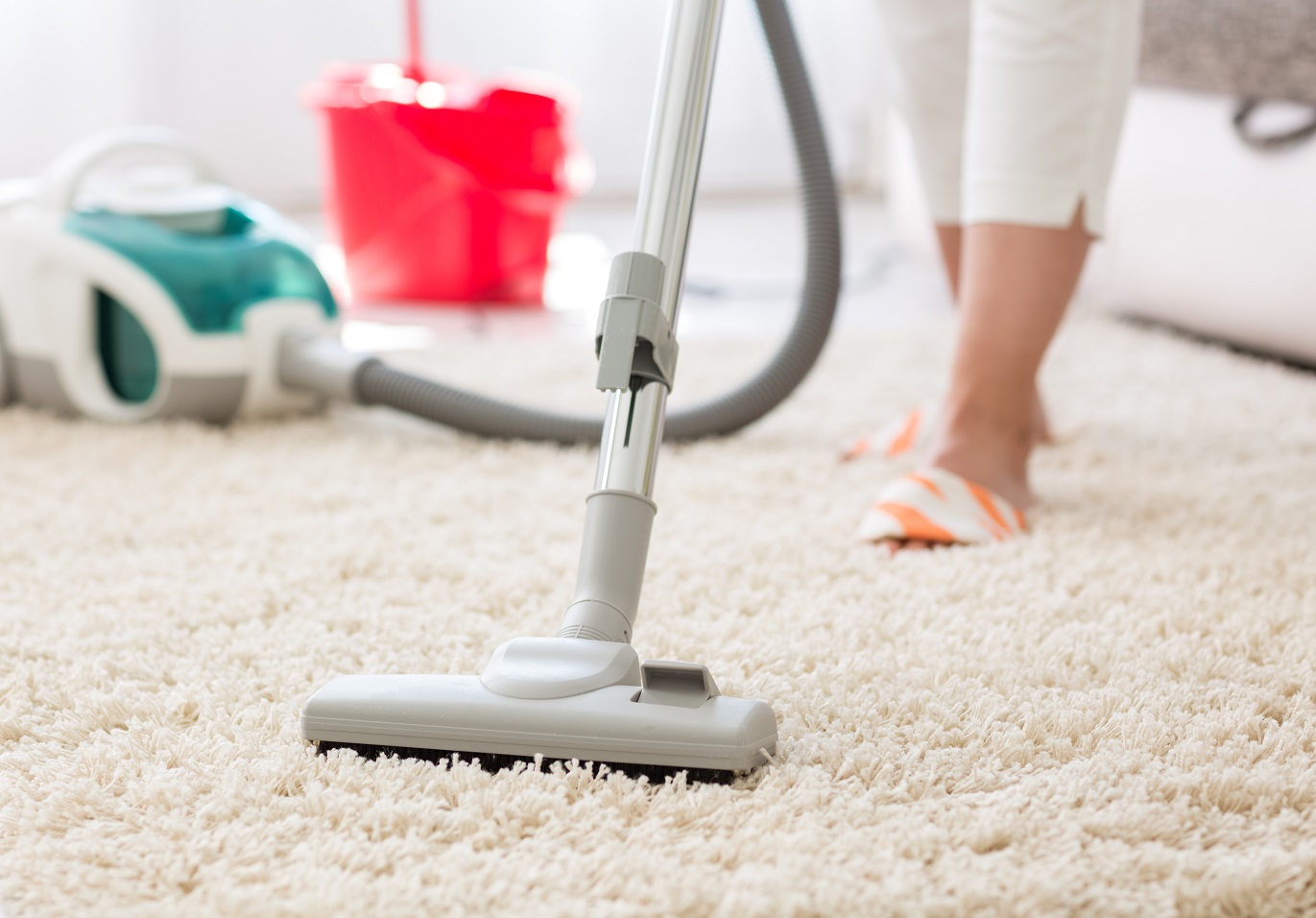
Once the carpet is dry, vacuum slowly and carefully. Rushing can leave soil behind and place unnecessary stress on the fibers.
Follow these steps:
-
Remove small objects, toys, cords, and furniture that could block the vacuum.
-
Adjust the vacuum height according to the carpet manufacturer’s instructions.
-
Start with a light pass in one direction.
-
Make a second pass in the opposite direction if the carpet looks clean and feels stable.
-
Empty the vacuum canister or replace the bag if it becomes full.
-
Check the brush roll for tangled hair or fibers.
A clean filter also matters. A clogged filter reduces suction, which means the vacuum may leave behind dry soil and loose cleaning residue.
Do not use a beater bar aggressively on delicate wool, looped, antique, or handwoven carpet. A suction-only tool may be safer. When in doubt, check the carpet warranty or ask a certified carpet-care professional.
What Happens If You Vacuum Too Soon?
Vacuuming too soon does not always ruin carpet, but it can create avoidable problems. The risk depends on how wet the carpet is and how powerful the vacuum becomes.
Possible issues include:
• Damp soil may smear into clean areas.
• Wet fibers may flatten or change direction.
• The vacuum may leave tracks.
• Moisture may enter the vacuum motor.
• The carpet may take longer to dry.
• Cleaning residue may be moved instead of removed.
One mistake I often see in carpet-care advice is focusing only on surface dryness. Carpet has layers, including the face fibers, backing, and sometimes a pad beneath it. A surface can feel dry while the deeper layers still hold moisture.
If you vacuumed too early, do not panic. Stop using the vacuum, increase airflow, and let the carpet dry fully. Once dry, inspect the area and vacuum gently.
How Often Should You Vacuum After Carpet Cleaning?
After the carpet is fully dry, return to your normal vacuum schedule. Most busy homes benefit from vacuuming high-traffic areas several times a week and the whole carpet at least once a week.
Homes with pets, children, allergies, or heavy foot traffic may need more frequent vacuuming. Regular vacuuming removes dry soil before it works deeper into the fibers.
A useful routine includes:
• High-traffic areas: two to four times per week.
• Bedrooms and low-traffic rooms: once per week.
• Homes with pets: more often, especially around feeding and sleeping areas.
• Stairs: several times per week because they collect heavy soil.
Frequent vacuuming does not replace professional carpet cleaning. It supports it by reducing the amount of abrasive grit that rubs against carpet fibers. This can help carpet look cleaner and feel softer between professional visits.
Factors That Change Carpet Drying Time
The answer to how long after carpet cleaning can I vacuum changes from room to room. Several conditions affect drying speed.
Carpet thickness
Dense, plush carpet holds more water than thin, low-pile carpet. Berber and looped styles may dry at a different rate because of their construction.
Padding
Thick padding can absorb moisture and slow drying. If the pad becomes very wet, the surface may feel dry while moisture remains below.
Room humidity
High humidity slows evaporation. A damp basement often needs more drying time than a warm, well-ventilated upstairs room.
Air movement
Fans and open doors help moisture leave the carpet. A closed room with still air may stay damp for much longer.
Cleaning equipment
Professional extraction machines often remove more water than small rental units. Operator technique also matters.
Weather
Rainy or humid weather can extend drying time. Dry outdoor air may help when windows are opened, but humid outdoor air can make the problem worse.
Special Advice for Wool and Delicate Carpets
Wool carpet needs extra care. It can react poorly to excess water, strong chemicals, high heat, and aggressive brushing.
If you have wool, silk, viscose, antique, or handmade carpet, follow the cleaner’s instructions before vacuuming. Use a vacuum made for delicate fibers, and avoid a harsh beater bar unless the manufacturer approves it.
Some delicate rugs should be dried flat and away from direct sunlight. Others require professional rug-washing equipment. If the rug has color bleeding, curling edges, or a strong odor after cleaning, contact a qualified rug-care specialist.
The exact answer to how long after carpet cleaning can I vacuum may be longer for delicate materials. The carpet’s care label and cleaning professional should guide your decision.
Common Mistakes to Avoid
A few small mistakes can slow drying or damage freshly cleaned carpet.
• Vacuuming while the carpet is still damp.
• Replacing furniture before the carpet dries.
• Covering the carpet with plastic or area rugs.
• Walking across wet areas with outdoor shoes.
• Using too much cleaning solution during do-it-yourself cleaning.
• Running a standard vacuum over standing water.
• Ignoring a musty smell or damp pad.
• Assuming every carpet dries at the same speed.
Furniture can block airflow and press moisture into the carpet. If you must replace furniture before full drying, use protective tabs recommended by the cleaner. Avoid putting heavy furniture back until the carpet is dry and stable.
Professional Cleaning Versus Do-It-Yourself Cleaning
Professional carpet cleaning usually offers stronger extraction and better control over water use. A trained technician can select a cleaning method based on the fiber, backing, stain, and level of soil.
Do-it-yourself cleaning can work for small areas, but the result depends heavily on the equipment and technique. Using too much water is one of the most common causes of long drying times.
Before cleaning, ask the provider:
• How long should I wait before vacuuming?
• How long should the carpet remain off-limits?
• Should I use fans or a dehumidifier?
• When can I replace furniture?
• Is the method safe for my carpet fiber?
A reliable cleaner should give a clear answer based on the specific job. If someone promises that every carpet will dry in the same amount of time, treat that claim with caution.
Frequently Asked Questions About How Long After Carpet Cleaning Can I Vacuum
How long after carpet cleaning can I vacuum with a regular vacuum?
Wait until the carpet feels completely dry, which is often 6 to 12 hours after professional extraction. If the carpet is thick or the room is humid, wait up to 24 hours.
Can I vacuum the carpet the same day it is cleaned?
You may be able to vacuum the same day after low-moisture cleaning if the carpet is fully dry. After steam cleaning or heavy extraction, wait until no dampness remains.
Is it bad to vacuum wet carpet?
Yes, using a regular vacuum on wet carpet can damage the machine and spread damp soil. A wet-dry vacuum is more suitable for liquid, but it should be used only when appropriate.
How can I make carpet dry faster after cleaning?
Use fans, improve air circulation, and run a dehumidifier when needed. Keep people and pets off the carpet and avoid covering it while moisture remains.
Can I walk on carpet after it has been cleaned?
Light walking is usually best avoided until the carpet dries. If you must cross it, wear clean socks and keep foot traffic as low as possible.
What if my carpet is still wet after 24 hours?
Increase airflow and check whether the padding is damp. If the carpet remains wet, smells musty, or feels saturated, contact the cleaning company so it can assess the moisture.
Conclusion
The safest answer to how long after carpet cleaning can I vacuum is to wait until the carpet is fully dry, usually 6 to 12 hours after professional cleaning. Thick carpet, wet padding, poor airflow, and high humidity can extend that time to 24 hours or more.
Check the carpet in several places, use fans and a dehumidifier when needed, and avoid regular vacuums on wet fibers. Once the carpet is dry, vacuum slowly with the correct setting to remove loosened soil without stressing the fibers.
Use these steps after your next cleaning, and share your experience or questions in the comments.

Liora Pennings is a seasoned chef and kitchen enthusiast with a passion for turning everyday cooking into an effortless experience. With years of hands-on culinary expertise, she specializes in practical techniques, ingredient know-how, and smart kitchen solutions that help home cooks elevate their meals. At KitchFlair.com, Liora shares her best tips, time-saving tricks, and honest product reviews to guide readers toward a more efficient, enjoyable, and inspired cooking routine. Whether you’re a beginner or a seasoned home chef, Liora’s friendly, knowledge-packed insights make every visit to the kitchen a little easier—and a lot more delicious.