How To Boil A Kettle: Easy Step-By-Step Guide
Introduction
To boil a kettle, fill it with fresh water, close the lid, and turn it on. An electric kettle usually stops by itself when the water reaches a boil. For a stovetop kettle, heat the water until the spout whistles or you see a strong, steady boil.
In the United States, water boils at about 212°F (100°C) at sea level. The temperature drops at higher elevations, so mountain areas may need a longer boil for tasks such as water treatment. Always use the kettle as the manufacturer directs, and never heat an empty kettle.

What You Need Before You Start
You need only a few things:


- A clean kettle
- Fresh, cold tap water or filtered water
- A safe, flat surface
- A heat source for a stovetop kettle
- A mug, pan, or other heat-safe container
Check the kettle before use. Make sure the power cord, plug, handle, lid, and base are dry and intact. Do not use a kettle with a cracked body, loose handle, damaged cord, or exposed wire.
Use a kettle for water only unless the manual says otherwise. Milk, soup, sugar, and other liquids can foam, burn, or damage the heating parts. Some kettles also have hidden heating plates that are hard to clean after spills.
How much water should you add?
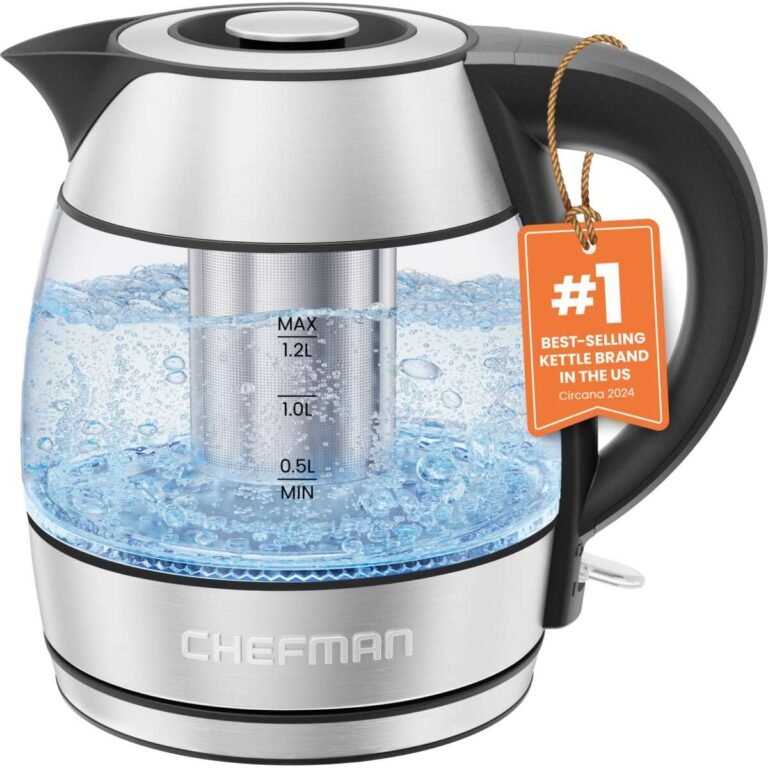
Add only the amount you need, but stay between the kettle’s minimum and maximum fill lines.
Too little water can expose the heating element or trigger a dry-boil safety shutoff. Too much water may spill or spray when it boils. If the kettle has no clear markings, fill it below the lid opening and leave room for the water to move.
Fresh water often gives better-tasting tea and coffee than water that has been boiled many times. Repeated boiling is not usually a safety problem with clean tap water, but it can make the drink taste flat or stale.

How to Boil Water in an Electric Kettle
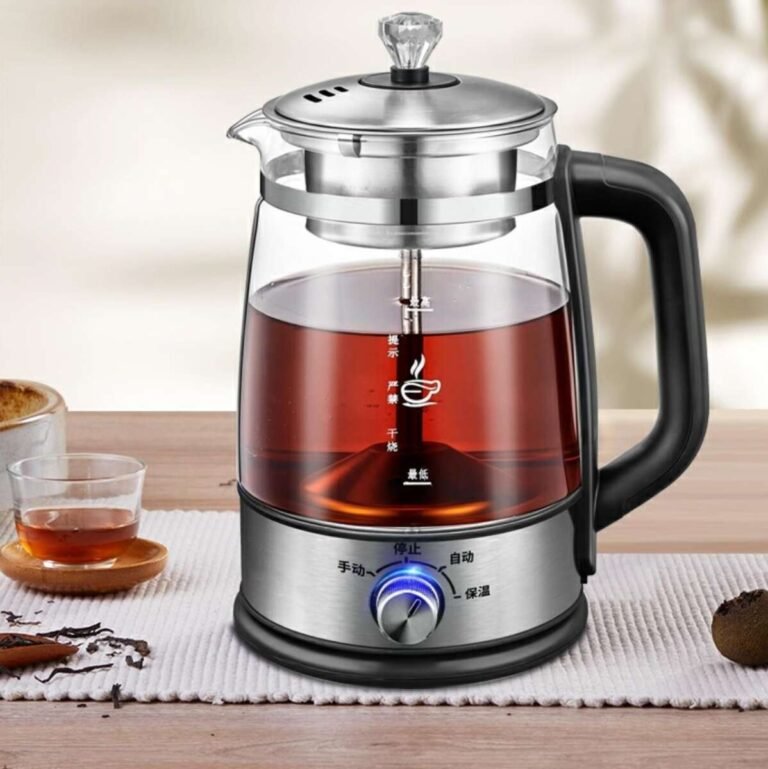
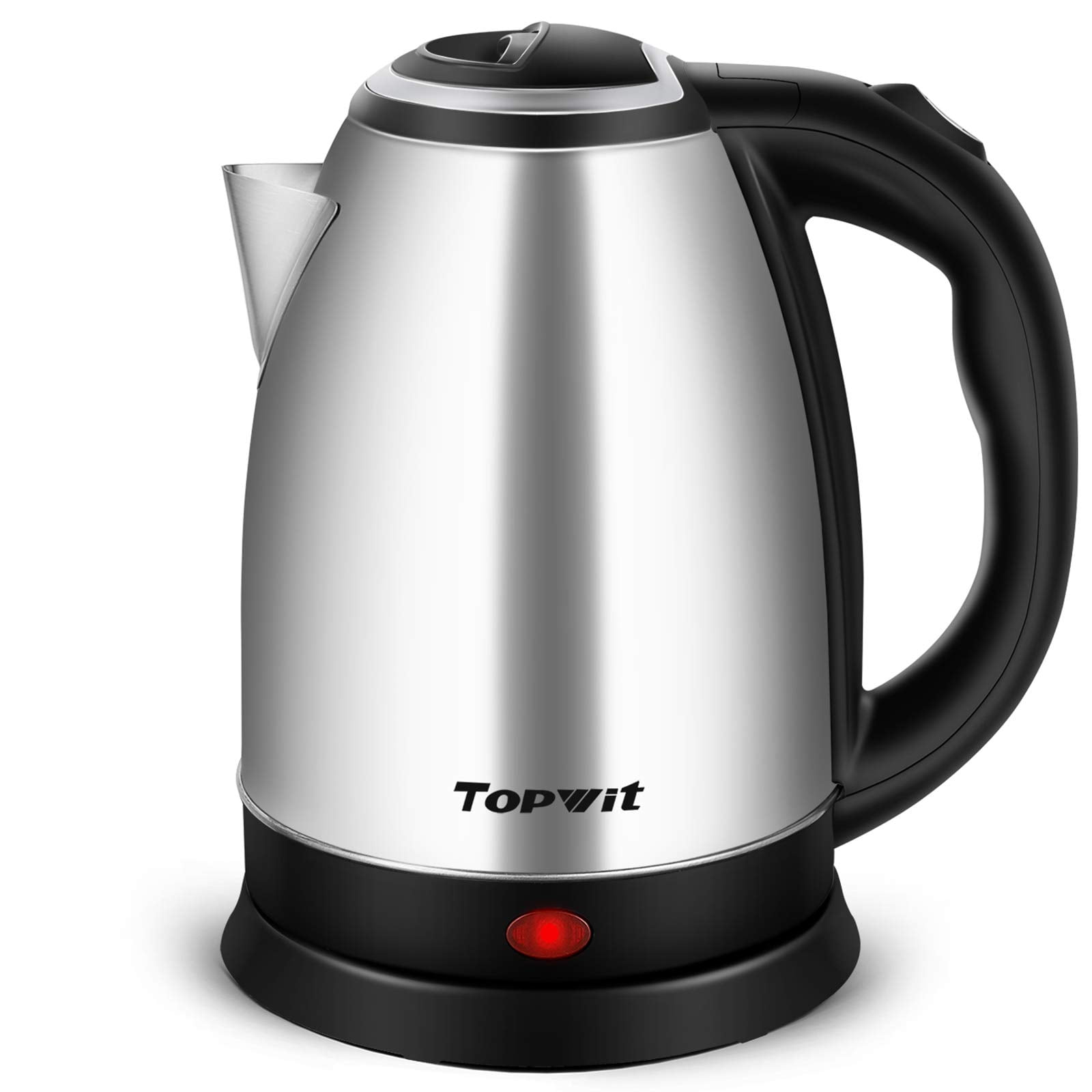
An electric kettle is the simplest and fastest way to boil water. Most models have a built-in heating element, a lid, a water gauge, and an automatic shutoff.
Follow these steps:
-
Place the kettle on a dry, stable surface.
If the kettle has a separate power base, set the base on a level counter. -
Open the lid.
Fill the kettle with fresh water. Keep the water above the minimum line and below the maximum line. -
Close the lid fully.
A loose lid may prevent the kettle from shutting off correctly. It may also allow hot water or steam to escape. -
Place the kettle on its base.
On some models, the kettle must sit squarely on the base for power to reach it. -
Plug it into a suitable outlet.
Keep the cord away from the counter edge, sink, and hot surfaces. -
Press the power switch.
A light may turn on. Some kettles also show the water temperature on a display. -
Wait for the kettle to switch off.
Do not lift the lid while the water is heating. Steam can cause burns. -
Wait a few seconds before pouring.
Hold the handle firmly. Pour slowly into a heat-safe cup or pot. -
Unplug the kettle if the manual recommends it.
Many kettles stop heating automatically, but automatic shutoff does not mean the kettle is safe to leave plugged in forever.


A typical household electric kettle may boil a small amount of water in a few minutes. The time depends on the water volume, starting temperature, kettle power, and local voltage. Do not judge the kettle by a fixed time alone. The shutoff, bubbling sound, and visible steam are better signs.
What if the kettle has temperature controls?
Some electric kettles let you choose a temperature below boiling. This is useful for drinks such as green tea, which many people prepare with water below 212°F.
Set the temperature that suits the drink or recipe. If you need a true boil, choose the boiling setting or allow the kettle to complete its normal cycle. A warm setting is not the same as boiling.
How to Boil Water in a Stovetop Kettle
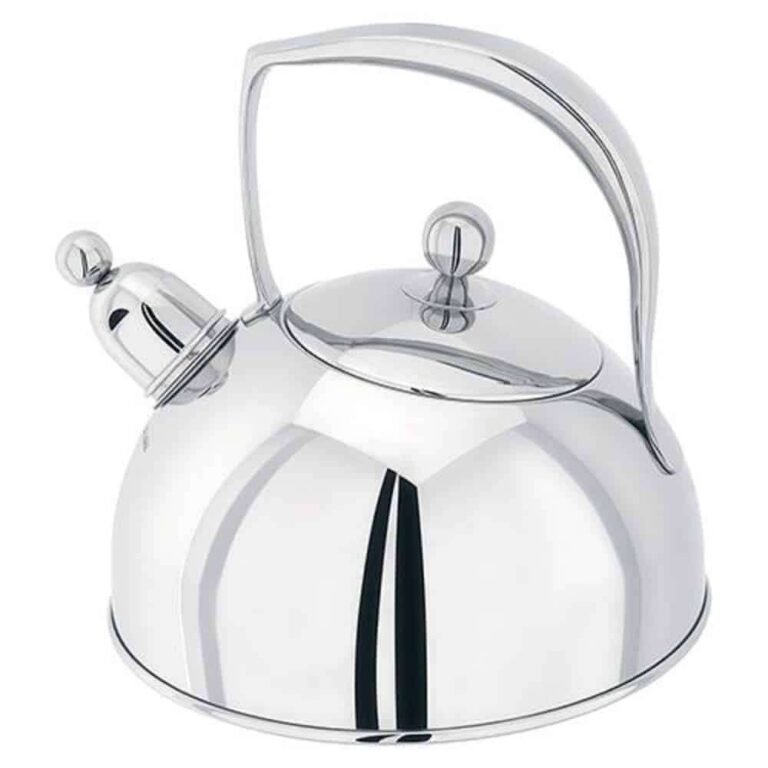
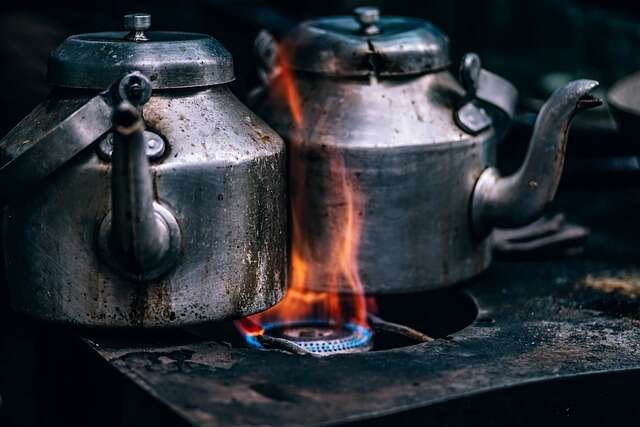
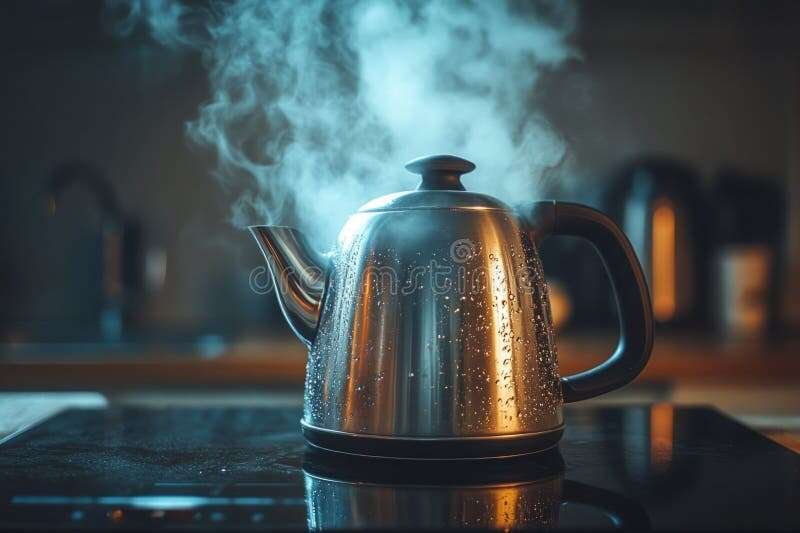
A stovetop kettle sits directly on a burner. It may whistle when the water reaches a boil, but not every kettle has a whistle.
Use this method:
-
Fill the kettle with fresh water.
Stay below the maximum fill line. Leave space for bubbling and steam. -
Close the lid.
Make sure it fits well. A loose lid can let hot water escape. -
Place the kettle on a suitable burner.
Center the kettle over the burner. Keep the handle away from the flame or heating coil. -
Turn the burner to medium or high heat.
High heat may boil the water sooner, but it can also waste energy and heat the handle or sides. -
Watch and listen.
The water is ready when it produces large, steady bubbles. A whistle may sound before or during the full boil, depending on the kettle. -
Turn off the burner.
Use an oven mitt or dry pot holder. The handle and lid may be hot. -
Move the kettle only if needed.
Pour slowly and keep your hands away from the steam.


Do not leave a stovetop kettle unattended. If the water boils away, the kettle can become very hot. This may damage the kettle, burner, or nearby surface.

How Do You Know When Water Is Boiling?
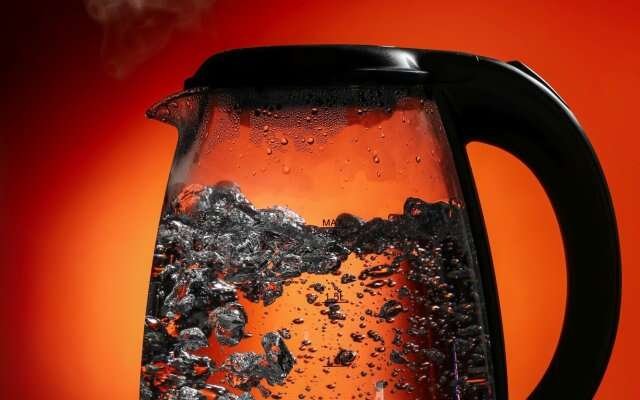
Water is boiling when bubbles rise quickly from the bottom and break across the surface. Steam may rise from the lid or spout. A stovetop whistle may also signal that the water is ready.
Small bubbles around the bottom are not always a full boil. They may mean the water is heating but has not reached its boiling point.
Use this simple guide:
| Water condition | What it looks like | Common use |
|---|---|---|
| Warm | Little or no movement | Mixing some drinks |
| Simmer | Small bubbles and gentle movement | Cooking food |
| Full boil | Large bubbles across the surface | Tea, coffee, cooking, and water treatment steps |
A kettle may stop before you see a dramatic rolling boil because its sensor detects a rise in temperature or steam. This is normal for many electric models.
The water may not reach exactly 212°F if you live above sea level. The boiling point falls as air pressure falls. This does not mean the kettle is broken.

Does Altitude Change How a Kettle Works?
Yes. Water boils at a lower temperature at higher elevations. In Denver, Colorado, for example, water boils below 212°F. The exact temperature varies with elevation and weather conditions.
For tea, coffee, oatmeal, or cooking, the lower boiling point may have little practical effect. You may need to allow more time for food to cook, though.
For drinking-water treatment, follow official guidance rather than relying only on a kettle’s automatic shutoff. The Centers for Disease Control and Prevention advises bringing water to a rolling boil for one minute. At elevations above 6,500 feet, the CDC advises boiling for three minutes. See the CDC guidance on making water safe in an emergency.


A kettle that switches off is not always proof that water was held at a rolling boil for the time needed for disinfection. If your local health department issues a boil-water advisory, follow its instructions.

Kettle Safety: Avoid Burns, Fires, and Spills
Boiling water can cause serious burns. Steam can burn skin even when you do not touch the water. Use these safety habits:
- Keep the kettle away from the edge of the counter.
- Turn the handle inward on a stovetop kettle.
- Keep children and pets away while the kettle heats.
- Do not open the lid while steam is escaping.
- Use a dry oven mitt for a hot stovetop kettle.
- Pour slowly and keep the spout away from your hands.
- Do not carry an electric kettle by its lid.
- Do not fill an electric kettle while it is connected to power.
- Keep the plug, cord, base, and outlet dry.
- Never immerse an electric kettle, base, cord, or plug in water.
- Do not use an extension cord unless the manufacturer allows it.
- Stop using the kettle if it leaks, sparks, smells like burning plastic, or repeatedly trips a circuit breaker.
The U.S. Consumer Product Safety Commission warns consumers to use household appliances according to their instructions and to keep hot appliances away from children and flammable items. The exact safety features vary by model, so the product manual is the final guide for your kettle.

What to Do If the Kettle Does Not Boil
Check the simplest and safest causes first.
The electric kettle does not turn on
- Confirm that the plug is fully inserted.
- Test the outlet with another suitable appliance.
- Make sure the kettle sits correctly on its base.
- Check that the lid is closed.
- Look for a dry-boil safety lockout. Let the kettle cool before trying again.
- Inspect the cord and plug for damage.
Do not open the kettle or repair electrical parts yourself unless you are qualified to do so. Replace a damaged kettle or have it checked by a suitable repair professional.
The kettle turns off too soon
The water level may be below the minimum line. Mineral deposits may also affect the temperature sensor. Let the kettle cool, clean it according to the manual, and try again with enough water.
If it still stops early, do not bypass the safety switch. The sensor may be preventing overheating.
The kettle does not turn off
Turn off the power if you can do so safely. Unplug the electric kettle. For a stovetop kettle, turn off the burner.
A kettle that continues heating after the water boils may have a faulty switch, sensor, lid, or thermostat. Do not keep using it unattended.
The water tastes or smells odd
First, empty and rinse the kettle. Then clean mineral scale as directed in the manual. If the smell resembles burning plastic or electrical parts, stop using the kettle.
Water can also taste different because of the tap supply, a filter, or an old kettle. If the taste remains after cleaning, use another safe water source and check local water guidance.

How to Clean and Descale a Kettle
Mineral scale builds up when hard water is heated. It may look like white flakes, rough patches, or a chalky coating. Scale can slow heating and affect taste.


For routine cleaning:
- Unplug the kettle and let it cool.
- Empty any remaining water.
- Wipe the outside with a damp cloth.
- Rinse the inside with clean water.
- Descale it as the manual directs.
Many manuals allow a mild descaling solution made for kettles. Some allow diluted white vinegar or citric acid. Do not assume every kettle allows the same method. Stainless steel, plastic, glass, and coated interiors may have different care rules.
Never scrub the heating element with a sharp tool. Never use bleach inside a kettle unless the manufacturer gives clear instructions. After descaling, rinse the kettle several times and boil one full load of clean water. Discard that water before making a drink.
The right cleaning interval depends on water hardness and use. Check the kettle when you see scale or notice slower heating. Hard-water homes may need to descale more often.

Common Mistakes to Avoid
The most common mistakes are easy to prevent:
- Overfilling the kettle: Boiling water may splash from the spout.
- Running it empty: The safety switch may activate, but repeated dry heating can damage the unit.
- Using the wrong liquid: Milk and soup may burn or foam over.
- Leaving the lid open: The kettle may heat less efficiently and release more steam.
- Touching the body: Some kettles have hot outer walls.
- Pouring too fast: Hot water can splash into the cup or onto your hand.
- Ignoring scale: Heavy deposits can affect heating and taste.
- Using a damaged cord: This creates an electrical and fire risk.
- Assuming “boiled” means disinfected: Water treatment needs the right time and conditions.
- Boiling far more than you need: Extra water takes more time and energy to heat.
A good rule is simple: add only what you need, keep the lid closed, and stop using the kettle if a safety feature fails.

Quick Takeaways
- Fill the kettle between the minimum and maximum marks.
- Use fresh water and close the lid.
- Electric kettles usually switch off when boiling.
- Stovetop kettles need close watching.
- Steam and boiling water can cause severe burns.
- At high elevations, water boils at a lower temperature.
- Follow CDC or local health guidance for emergency water treatment.
- Clean mineral scale according to the kettle’s manual.
- Never use a kettle that leaks, sparks, or has a damaged cord.
Frequently Asked Questions
How long does it take to boil a kettle?
It depends on the water volume, starting temperature, kettle power, and altitude. A small amount may boil in a few minutes. A full kettle takes longer. Use the automatic shutoff or visible signs of boiling instead of relying on one exact time.
Can you boil water in a kettle twice?
Yes, if the kettle and water are clean. However, repeatedly reheated water may taste less fresh. For the best flavor, empty stale water and add fresh water when practical.
Should you use cold or hot tap water?
Use fresh cold tap water for drinking, tea, coffee, and cooking. Hot tap water may have spent more time in household plumbing or a water heater. If you have concerns about your water, follow local utility or health department guidance.
Can you boil milk in an electric kettle?
Usually, no. Milk can foam, scorch, spill into the electrical parts, and leave a hard-to-clean residue. Heat milk in a suitable saucepan or microwave-safe container unless the kettle is specifically designed for milk.
Why does my kettle have white flakes?
The flakes are usually mineral scale from hard water. Clean the kettle with the method allowed by the manufacturer. If the flakes continue or the kettle shows other damage, replace it.
Conclusion
Boiling a kettle is simple: add the right amount of water, close the lid, use the correct heat source, and wait for the water to boil. Electric kettles should switch off automatically, while stovetop kettles need your attention.
For the safest result, keep hot surfaces and steam away from skin, never run the kettle empty, and clean mineral scale before it builds up. If you are boiling water because of a health advisory, use the time and elevation guidance from the CDC or your local health department rather than relying only on the kettle’s shutoff.

Liora Pennings is a seasoned chef and kitchen enthusiast with a passion for turning everyday cooking into an effortless experience. With years of hands-on culinary expertise, she specializes in practical techniques, ingredient know-how, and smart kitchen solutions that help home cooks elevate their meals. At KitchFlair.com, Liora shares her best tips, time-saving tricks, and honest product reviews to guide readers toward a more efficient, enjoyable, and inspired cooking routine. Whether you’re a beginner or a seasoned home chef, Liora’s friendly, knowledge-packed insights make every visit to the kitchen a little easier—and a lot more delicious.